

SpeX™ Gerbillinae Liver Microsomes to Advance In Vitro Drug Metabolism Research
The Gerbillinae subfamily is the second largest within the Muridae family, after the Murinae subfamily, comprising approximately 16 genera and over 100 species. The phylogenetic relationships among the major clades within the Gerbillinae remain unclear. One of the main issues concerns the phylogenetic position of the monotypic genus Ammodillus, which is endemic to the Horn of Africa. Based on morphological data, this genus may represent one of the earliest branches of the Gerbillinae main clade. However, due to a lack of genetic data, its precise taxonomic placement has not yet been determined.
The Gerbillinae subfamily includes gerbils and sand rats, both of which are adapted to arid and semi-arid environments. Species within this subfamily possess highly efficient water conservation capabilities, unique metabolic regulation mechanisms, and physiological adaptations. These characteristics distinguish them from commonly used laboratory rodents, such as mice and rats.
In drug research, species of the Gerbillinae subfamily play a vital role as valuable preclinical research models. Their unique cerebral vascular anatomy makes them particularly well-suited to studies of cerebral ischaemia, stroke, and neuroprotective therapies. Furthermore, Gerbillinae models are widely used in neuroscience, auditory research, epilepsy research and infectious disease research, as the progression of disease and pharmacological responses they exhibit often more closely mirror those observed in humans.
From a pharmacological perspective, species in the Gerbillinae subfamily have unique characteristics that influence drug efficacy, pharmacodynamics, and metabolism under various physiological conditions. Differences in their metabolic pathways and tissue sensitivity provide important insights into species-specific drug responses, helping to bridge the gap between traditional rodent models and human translational research. Consequently, Gerbillinae models are playing an increasingly important role in innovative drug discovery and translational research.
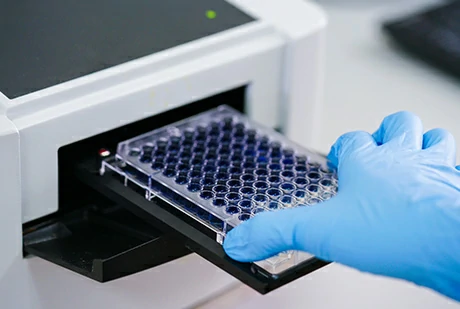
Drawing on years of expertise in the field of in vitro biological reagents, Creative Diagnostics has developed the SpeX™ Gerbillinae liver microsome model to support researchers' drug metabolism studies. The launch of the model enables scientists to utilize these unique metabolic characteristics within a controlled, high-throughput in vitro environment.
These new liver microsomes have been carefully developed to provide a reliable and translationally relevant in vitro model that supports research into cholesterol metabolism, diabetes, neuroprotection, epilepsy, and the development of anti-parasitic drugs. For more information about SpeX™ Gerbillinae Liver Microsomes or to explore the full range of ADME products and services, please visit https://qbd.creative-diagnostics.com/spex-gerbillinae-liver-microsomes.html.
About Creative Diagnostics
Creative Diagnostics is a global leader in the development and manufacturing of innovative tools and reagents for bioprocess impurity analysis. The company offers a comprehensive portfolio of solutions to support researchers in the quality control of biologics and provides biopharmaceutical quality, purity and safety assays, analytical methods and applications for the biotechnology and biopharmaceutical industries.

 English
 Arabic
 French
 Spanish
 Portuguese
 Deutsch
 Turkish
 Dutch
Dutch
 Italiano
 Russian
 Portuguese (Brazil)
 Greek
Greek