

How Infrastructure Development in Gurgaon Is Influencing Luxury Housing Demand
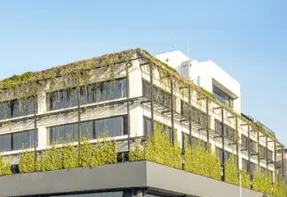
Gurgaon has experienced significant physical and economic growth, driven primarily by large-scale infrastructure upgrades. This transformation extends beyond the skyline and impacts residential preferences, particularly in the premium and luxury housing segments. Once seen as a corporate satellite city, Gurgaon is now emerging as a residential hub where connectivity, proximity to workplaces, and planned urban development influence buying decisions.
Impact of Road Connectivity on Residential Preferences
Road infrastructure upgrades are among the most visible changes in Gurgaon. The opening of the Dwarka Expressway and improved links to Manesar and Tauru have made previously distant areas more accessible and better connected to business districts.
These upgrades have made more sectors attractive for long-term residential planning. Buyers are now considering locations beyond central sectors that offer improved space planning and connectivity.
Metro Expansion and Enhanced Mobility
The expansion of metro connectivity in Gurgaon has influenced residential demand. The Yellow Line extension and proposed corridors have enhanced mobility for commuters. Metro stations near residential clusters are increasingly influencing property decisions, especially for professionals seeking to reduce road travel.
Projects such as The Dualis by Shapoorji Pallonji Real Estate illustrate how upcoming infrastructure upgrades are shaping buyer preferences. Its location benefits from proximity to ongoing improvements, demonstrating developers’ responsiveness to evolving expectations.
This shift in commuting preferences has increased interest in housing near transit corridors. Accessibility has become a key factor in evaluating residential value, especially in the luxury housing segment.
Corporate Growth and Employment Hubs
Gurgaon remains a major corporate hub, with offices of global companies, technology firms, and financial institutions located in areas such as Cyber City, Golf Course Extension Road, and Udyog Vihar. This employment concentration sustains steady housing demand in nearby sectors.
As work locations become more dispersed within the city, residents are looking for homes that reduce daily commute times. This has increased preference for residential areas well connected to multiple business districts rather than a single office cluster.
Residential Development in Emerging Sectors
Infrastructure expansion has created new residential areas that were not previously considered prime. Sectors along the Dwarka Expressway and Southern Peripheral Road now offer planned developments with wider roads, enhanced civic facilities, and structured layouts.
In these areas, housing demand is driven by both location and expectations of long-term value from completed infrastructure. As a result, luxury housing is a more considered decision rather than an impulsive purchase.
Changing Buyer Priorities in Luxury Housing
The definition of luxury housing in Gurgaon has changed. Previously, it focused on larger floor areas and premium interiors. Now, access to and connectivity with airports, expressways, and business hubs are equally important to buyers.
Premium segment homebuyers now consider travel time to workplaces, social infrastructure, proximity to healthcare and education, and future development potential. This has created a more informed buyer base that aligns property decisions with long-term planning.
Role of Social Infrastructure and Urban Convenience
Along with transport infrastructure, social infrastructure has also played a key role in supporting demand for luxury housing. The presence of international schools, healthcare facilities, retail centres, and entertainment zones has enhanced residential appeal in several sectors.
Planned development in Gurgaon has enabled residential clusters to grow alongside supporting infrastructure. This balance has contributed to stable demand for luxury housing, especially in areas where civic facilities expand with residential projects.
Market Outlook and Infrastructure Progress
Ongoing infrastructure projects in Gurgaon are expected to further influence housing patterns. As connectivity improves, residential demand will likely expand beyond established micro-markets.
Luxury housing is expected to benefit from this shift, especially in areas that offer both accessibility and planned development. The gradual completion of expressways, metro lines, and civic upgrades is creating more distributed demand among buyers and investors.
Developers such as Shapoorji Pallonji Real Estate are responding to changing residential preferences by launching projects that align with the city’s infrastructure development and homebuyer requirements.
Conclusion
Infrastructure development in Gurgaon continues to directly shape residential preferences. Road networks, metro expansion, and corporate growth are collectively influencing luxury housing demand. As the city becomes more connected, residential choices are increasingly based on accessibility and long-term planning. This alignment between infrastructure and housing demand is expected to remain a key driver of Gurgaon’s real estate growth.

 English
 French
 Spanish
 Portuguese
 Deutsch
 Turkish
 Dutch
Dutch
 Italiano
 Russian
 Romaian
 Portuguese (Brazil)
 Greek
Greek