

Music Lessons in the USA Complete Guide for Beginners
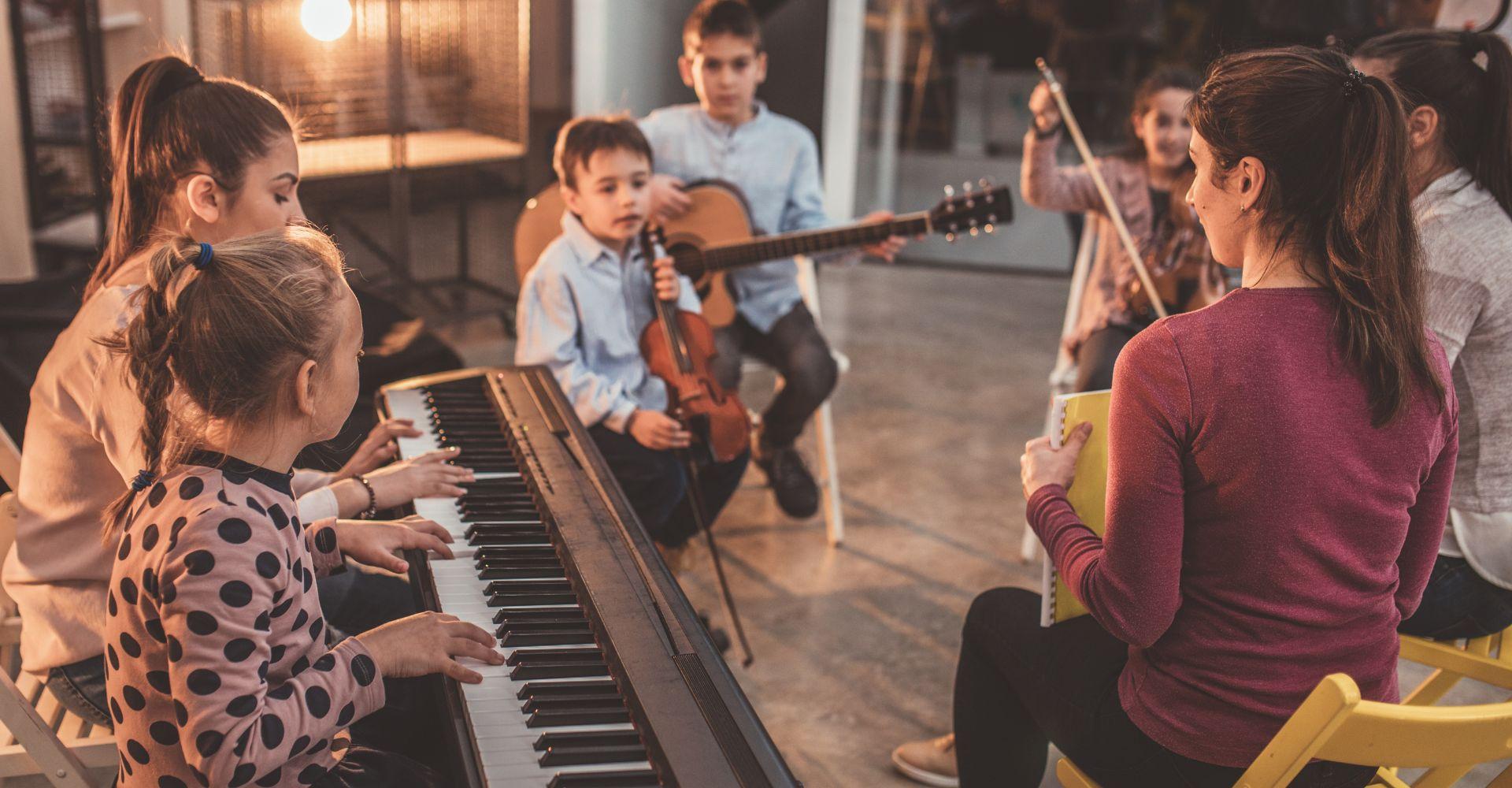
Music lessons help students build creativity, confidence, discipline, and technical skills. In the USA, music education has become more flexible and accessible through private classes, online learning, schools, and community programs. Students of all ages now explore instruments, singing, music theory, and performance training to improve both personal and academic growth.
Whether someone wants to learn piano, guitar, violin, drums, or vocal techniques, structured music lessons provide long-term benefits that extend beyond entertainment. Music education improves focus, memory, coordination, and emotional expression while creating opportunities for lifelong learning.
Why Music Lessons Are Important
Music lessons do more than teach instruments. They help students improve mental focus, listening skills, patience, and creativity. Regular practice encourages discipline and consistency, which also benefits school and work performance.
Students who participate in music education often develop stronger communication skills and better emotional control. Music also creates a healthy outlet for stress relief and self-expression.
Cognitive Benefits of Music Lessons
Learning music activates multiple areas of the brain at the same time. Students improve memory, concentration, and pattern recognition while reading notes, understanding rhythm, and coordinating movements.
Research in music education also shows that students involved in music programs may perform better in reading comprehension and mathematics because music strengthens problem-solving skills.
Emotional and Social Benefits
Music allows students to express emotions naturally. Singing, playing instruments, or performing in groups can increase confidence and reduce anxiety.
Group music classes also encourage teamwork and communication. Students learn how to collaborate during performances, rehearsals, and ensemble activities.
Popular Types of Music Lessons in the USA
Students in the USA can choose from many types of music lessons based on their interests, goals, and learning styles.
|
Music Lesson Type |
Main Focus |
Suitable For |
|
Piano Lessons |
Music theory and coordination |
Beginners and advanced students |
|
Guitar Lessons |
Chords, rhythm, and songs |
Teens and adults |
|
Singing Lessons |
Vocal control and breathing |
All age groups |
|
Violin Lessons |
Technique and discipline |
Classical music learners |
|
Drum Lessons |
Rhythm and timing |
Students interested in percussion |
|
Ukulele Lessons |
Simple chords and melodies |
Young beginners |
Piano Lessons
Piano lessons are often recommended for beginners because the piano helps students understand melody, rhythm, scales, and harmony. Piano education also supports music theory development.
Guitar Lessons
Guitar lessons remain one of the most popular music learning options in the USA. Students can learn acoustic guitar, electric guitar, bass guitar, and classical styles.
Singing and Vocal Lessons
Voice training teaches breathing techniques, vocal control, pitch correction, and stage confidence. Vocal lessons are common among students interested in choir, theater, and live performance.
Violin Lessons
Violin instruction improves posture, concentration, and hand coordination. Students often learn classical music techniques while developing discipline through regular practice.
Drum Lessons
Drum lessons help students strengthen timing and rhythm. Percussion training also improves coordination and listening abilities.
Online Music Lessons vs In-Person Classes
Modern students can now choose between online music lessons and traditional classroom instruction. Both options offer unique benefits depending on learning preferences.
Benefits of Online Music Lessons
Online music classes provide flexibility and convenience. Students can learn from home and connect with instructors from different parts of the USA.
Advantages of Online Learning
-
Flexible schedules
-
Lower travel costs
-
Access to more instructors
-
Recorded practice sessions
-
Comfortable learning environment
Benefits of In-Person Music Lessons
Traditional lessons allow direct interaction between teacher and student. Teachers can correct posture, hand position, and technique more easily during face-to-face instruction.
Advantages of In-Person Learning
-
Immediate feedback
-
Better physical guidance
-
Improved classroom engagement
-
Easier group practice sessions
How to Choose the Right Music Lessons
Selecting the right music lessons depends on personal interests, age, goals, and learning style.
Choose an Instrument That Matches Your Interest
Students stay motivated when they enjoy the instrument they are learning. Beginners should explore different instruments before making a final decision.
Consider Learning Goals
Some students want casual music education while others prepare for professional performance or certification programs. Goals help determine the best lesson structure.
Evaluate the Teaching Style
Every instructor teaches differently. Some focus heavily on music theory while others prioritize practical performance skills.
Look for Structured Lesson Plans
A good music program should include:
-
Clear learning objectives
-
Regular practice routines
-
Technique development
-
Performance opportunities
-
Progress tracking
Music Theory and Its Role in Learning
Music theory explains how music works. It teaches students about rhythm, scales, chords, notation, tempo, and harmony.
Students who understand music theory often progress faster because they recognize patterns and structures within songs.
Rhythm and Timing
Rhythm training helps students maintain tempo and improve coordination during performances.
Scales and Chords
Scales improve finger movement and note recognition. Chords form the foundation of most modern music compositions.
Reading Sheet Music
Sheet music helps students understand musical notation and improve sight-reading abilities.
Music Lessons for Kids
Children benefit greatly from music education because it supports mental and emotional development at an early age.
Music training improves:
-
Listening skills
-
Creativity
-
Hand-eye coordination
-
Memory retention
-
Confidence in public settings
Many parents in the USA enroll children in piano, violin, or singing lessons because these programs provide a strong musical foundation.
Tips for Parents
Encourage Consistent Practice
Short daily practice sessions help children improve steadily without feeling overwhelmed.
Create a Positive Environment
Children learn better when music feels enjoyable rather than stressful.
Celebrate Small Progress
Recognizing improvements keeps children motivated and confident.
Music Lessons for Adults
Adults also benefit from learning music. Many adult learners choose music classes to reduce stress, improve focus, or achieve personal goals.
Online music education has become especially popular among working adults because it offers flexible schedules and self-paced learning opportunities.
Adults often enjoy:
-
Piano lessons
-
Guitar lessons
-
Singing classes
-
Music production courses
-
Beginner music theory programs
Common Challenges During Music Learning
Learning music takes time and consistency. Most students experience challenges during the early stages.
Limited Practice Time
Busy schedules can slow progress. Even short daily sessions help maintain improvement.
Fear of Making Mistakes
Mistakes are a normal part of music education. Students learn faster when they focus on progress rather than perfection.
Slow Improvement
Music skills develop gradually. Long-term consistency produces the best results.
Future of Music Education in the USA
Technology continues to transform music learning. Students now use mobile apps, virtual instruments, interactive software, and online tutorials to support practice sessions.
Hybrid learning models that combine online and in-person instruction are also becoming more common across the USA.
Modern music education focuses not only on technical skills but also on creativity, collaboration, and digital learning tools.
FAQs About Music Lessons
What are the benefits of music lessons?
Music lessons improve creativity, memory, focus, coordination, and emotional expression. They also help students develop discipline and confidence.
Are online music lessons good for beginners?
Yes. Online music lessons are effective for beginners when students follow structured lessons and practice regularly.
Which instrument is easiest for beginners?
Piano and ukulele are often considered beginner-friendly instruments because they are easier to understand and practice.
How long does it take to learn music?
Learning speed depends on practice consistency, lesson quality, and personal goals. Most beginners notice improvement within a few months.
Can adults start music lessons?
Yes. Adults can successfully learn music at any age with proper instruction and consistent practice.
How often should students practice music?
Beginners should practice at least 20 to 30 minutes daily to build steady progress.
Are private music lessons better than group classes?
Private lessons provide personalized attention, while group classes improve collaboration and social learning. Both methods offer benefits.
What should beginners learn first in music?
Beginners usually start with rhythm, scales, posture, note recognition, and simple songs.
Do music lessons help children academically?
Music education may improve concentration, memory, reading skills, and problem-solving abilities in children.
Is music theory necessary?
Yes. Music theory helps students understand rhythm, scales, chords, and song structure, which supports faster learning.
Summary
Music lessons provide valuable educational and personal benefits for students of all ages. Whether someone chooses piano, guitar, drums, violin, or singing lessons, music education improves creativity, focus, discipline, and confidence.
Students in the USA now have more learning options than ever before through online classes, private instruction, schools, and community programs. With regular practice and the right guidance, music lessons can become a rewarding lifelong skill.

 Arabic
 French
 Spanish
 Portuguese
 Deutsch
 Turkish
 Dutch
Dutch
 Italiano
 Russian
 Romaian
 Portuguese (Brazil)
 Greek
Greek