

A Complete Guide to Vietnam Pet Import Requirements for First-Time Pet Owners
Introduction
Relocating to Vietnam with your beloved companion animal is an exciting adventure, but it requires careful planning and thorough preparation. Whether you are moving from Hong Kong, Europe, or anywhere else in the world, understanding the Vietnam pet import requirements is absolutely essential before you book your tickets. Failure to comply with these regulations can result in your pet being denied entry, quarantined, or even sent back to the country of origin. This guide walks you through everything you need to know so your furry family member arrives safely and legally.
Why Preparation Starts Months in Advance
One of the most important things to understand about importing a pet to Vietnam is that the process is not something you can arrange in a few days. Authorities recommend that pet owners begin preparation at least one and a half to three months before the planned departure date. This timeline exists because several of the required steps — such as vaccinations and official endorsements — must be completed in a specific sequence with appropriate waiting periods between each stage. Rushing this process is not possible, so early planning is the key to a successful relocation.
Microchip Identification: The First Step
Before any other procedure can take place, your pet must be implanted with an ISO-standard microchip. This tiny device, about the size of a grain of rice, is inserted under the skin and carries a unique identification number that can be scanned at borders and veterinary clinics. The microchip serves as your pet’s permanent identification and is a mandatory requirement for entry into Vietnam. Without it, customs officials will not accept your pet regardless of how complete the rest of your documentation may be. Make sure the microchip is registered to your name and that the number matches exactly across all your official documents.
Vaccinations and Vaccination Records
Once your pet has been microchipped, vaccinations come next. Vietnam requires that all imported pets be up to date on their core vaccinations, with rabies vaccination being the most critical of all. The rabies vaccine must be administered at least 30 days before travel, so this step cannot be left to the last minute. In addition to the rabies shot, a full set of mixed or combination vaccines is typically required, depending on whether you are bringing a dog or a cat. You must retain official vaccination records from a licensed veterinarian, as these will be examined by Vietnamese customs officials upon arrival.
Pet Health Certificate Vietnam
A pet health certificate issued by an accredited veterinarian is a non-negotiable document for anyone bringing a pet into Vietnam. This certificate confirms that your pet has been examined and is free from infectious or contagious diseases at the time of travel. Depending on your country of origin, the health certificate may also need to be endorsed by a government authority — such as the Agriculture, Fisheries and Conservation Department (AFCD) in Hong Kong — before it will be accepted by Vietnamese customs. The health certificate is typically valid for only a short window of time, so it must be issued close to your departure date.
Pre-Flight Treatment and Additional Requirements
Beyond vaccinations and health certificates, Vietnamese import regulations may also require that your pet undergo treatment for internal and external parasites before departure. A veterinarian-administered pre-flight inspection is often required on or just before the day of departure. For dogs specifically, a valid dog licence may also be required as part of the import documentation. These additional requirements ensure that no pests, parasites, or diseases are introduced into Vietnam’s ecosystem through imported animals.
IATA-Standard Travel Crates
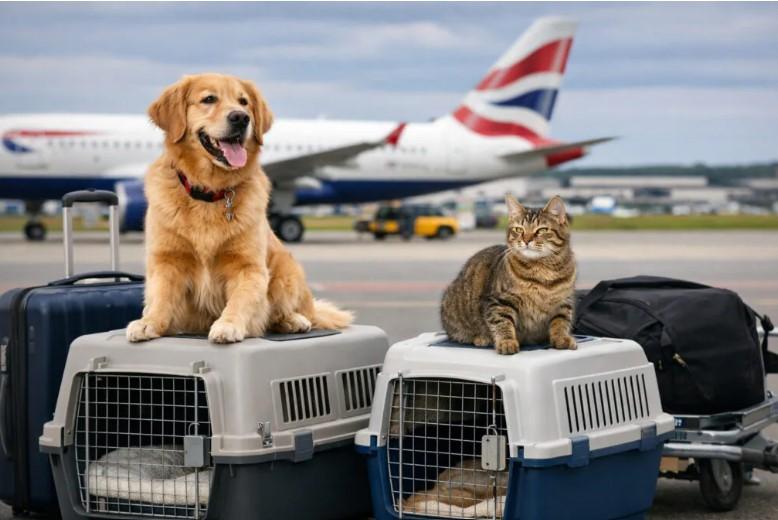
All pets entering Vietnam via cargo must travel in crates that comply with International Air Transport Association (IATA) standards. These crates are designed to provide adequate ventilation, structural integrity, and comfort for the animal during the flight. The crate must be appropriately sized for your pet — large enough to allow the animal to stand, turn around, and lie down comfortably. Using a non-compliant crate can result in the airline refusing to board your pet, so it is essential to verify that your crate meets IATA specifications well before departure day.
Cargo Transport: The Standard Method
It is important to note that pets being imported into Vietnam generally travel as cargo rather than in the cabin. This means your pet will be transported in the aircraft hold under strictly regulated conditions. In most cases, your pet must travel on the same flight as you, so it is essential to book and confirm the pet cargo arrangement with the airline at the same time as your own ticket. Airlines have their own additional requirements, so always check with your carrier well in advance.
Conclusion
Bringing a pet to Vietnam involves multiple steps, strict documentation, and advance planning. Meeting all the Vietnam pet import requirements is not just a legal obligation — it is a sign of responsible pet ownership that ensures your companion’s health and safety throughout the journey. Start your preparations early, work with a licensed veterinarian, and consider engaging a professional pet relocation service to guide you through every step of the process.

 English
 Arabic
 French
 Spanish
 Portuguese
 Deutsch
 Turkish
 Italiano
 Russian
 Romaian
 Portuguese (Brazil)
 Greek
Greek