

The Lushentic Standard: Redefining Authenticity in Luxury Handbags
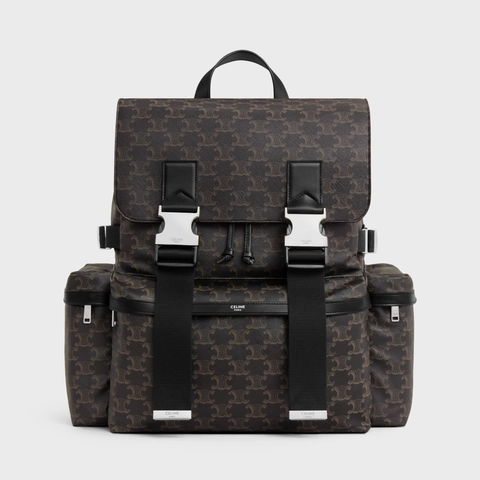
In the evolving landscape of high-end fashion, discerning buyers increasingly seek the lushentic quality—a fusion of luxury and authenticity that guarantees both impeccable craftsmanship and verifiable provenance. For those who demand nothing less than genuine excellence, lushentic represents the benchmark for evaluating premium leather goods, from iconic totes to limited‑edition crossbody bags, ensuring every stitch, material, and serial number aligns with the maison’s original specifications. As the secondary market for luxury accessories continues to expand, the concept of “lushentic” has emerged as a critical standard, bridging the gap between aesthetic desire and transactional trust. This article explores the pillars of lushentic validation, the evolving threats of counterfeiting, and the practical steps every buyer can take to secure authentic investments.
Understanding the Lushentic Philosophy: More Than Just a Label
The term “lushentic” encapsulates two non‑negotiable attributes: luxury (exceptional materials, artisanal construction, and heritage design) and authenticity (verifiable origin, ethical production, and legal ownership). A handbag that is merely “luxury” could still be a replica—beautiful on the surface but devoid of the brand’s soul. Conversely, an “authentic” bag that shows poor wear or questionable repairs loses its luster. The lushentic standard demands both: a product that not only bears the logo but also passes rigorous checks of material provenance, hardware integrity, and supply chain transparency.
The Three Pillars of Lushentic Quality
-
Material Provenance – Genuine luxury houses source leathers from specific tanneries (e.g., Haas for Hermès, Tuscany for Gucci). Lushentic goods exhibit consistent grain, smell, and patina over time.
-
Artisanal Craftsmanship – Hand‑stitched saddlery, edge painting, and microscopic alignment of monograms distinguish authentic pieces from machine‑stamped fakes.
-
Digital & Physical Traceability – From hologram stickers to RFID chips, lushentic items integrate tamper‑evident systems that link to manufacturer databases.
The Rising Tide of Counterfeits: Why Lushentic Matters Now
According to the OECD, counterfeit goods account for nearly 3.3% of global trade, with luxury handbags representing a significant share. Online marketplaces and social media platforms have become breeding grounds for “superfakes”—replicas so refined that they deceive even seasoned resellers. These products often use genuine leather, accurate hardware, and copied serial numbers, yet they lack the structural durability and ethical backing of authentic pieces. A 2023 study by the International Chamber of Commerce estimated that luxury brands lose over $30 billion annually to counterfeiting, with consumers unknowingly financing organized crime.
For the individual buyer, the cost is both financial and emotional. A fake bag purchased at near‑retail price represents a total loss of value, while a lushentic acquisition holds or even appreciates over time (e.g., Hermès Birkin, Chanel Classic Flap). Moreover, counterfeit production relies on unregulated labor and environmental shortcuts—contradicting the very values of sustainable luxury. Hence, adopting a lushentic mindset is not merely about vanity; it is an act of responsible consumption.
How to Verify a Lushentic Handbag: A Step‑by‑Step Guide
Professional authenticators combine dozens of checkpoints. Below are the most critical for the informed buyer.
1. Serial Numbers and Date Codes
Most luxury brands embed alphanumeric codes—Louis Vuitton uses date codes (e.g., SD2159 for week 21 of 2019), while Chanel employs serial hologram stickers (7–8 digits). A lushentic bag’s code must match the brand’s era‑specific format and font. For example, pre‑2021 Chanel bags have stickers that crinkle under a loupe, whereas replicas often print them smoothly. Note: Some modern brands (e.g., Dior, Gucci) have moved to microchips readable only by official scanners—a lushentic feature that fakes cannot replicate.
2. Stitching and Thread Composition
Authentic luxury bags use linen or cotton‑polyester blends with consistent tension. Hermès requires 2.5 mm spacing for its saddle stitch, executed entirely by hand. Fakes often use machine stitching with uniform threads that lack the slight irregularity of manual work. On a lushentic bag, you should never see loose threads, uneven spacing, or glue residue near seams.
3. Hardware and Engravings
Zippers, clasps, and studs on genuine bags are usually branded (e.g., Lampo, Riri, or brand‑specific molds). The weight and coating matter: lushentic hardware feels dense and cold to the touch, with engravings that are deep, crisp, and centered. Counterfeits often use lightweight alloys with painted logos that wear off quickly.
4. Lining and Interior Pockets
Many buyers overlook the lining. A lushentic Louis Vuitton bag from the 1990s uses canvas or alcantara with precise stitching; a fake might use cheap polyester with a glued pocket. Similarly, Prada’s signature nylon lining should have a specific matte finish—not shiny or slippery.
5. Smell and Patina
New lushentic leather smells organic—like a tannery or high‑end shoe store. Fakes often reek of plastic, glue, or harsh chemicals. Over time, genuine leather develops a unique patina (especially vachetta leather on Louis Vuitton), while synthetic materials crack or peel.
The Role of Technology in Maintaining Lushentic Standards
Brands are increasingly deploying anti‑counterfeit measures that empower consumers. Blockchain platforms like Aura (used by LVMH, Prada, and Cartier) assign a digital passport to each bag, recording every ownership transfer. NFC chips embedded in the lining can be tapped with a smartphone to verify authenticity instantly. Likewise, third‑party services like Entrupy use microscopic imaging and AI to compare a bag’s surface texture against millions of authentic references, achieving 99.1% accuracy.
However, even technology has limits. Sophisticated counterfeiters now copy RFID tags or produce fake blockchain entries. Therefore, a truly lushentic verification process combines physical inspection, digital cross‑referencing, and a trusted reseller’s reputation. For high‑value purchases (above $5,000), professional authentication by services like LegitGrails or Real Authentication is strongly recommended.
Red Flags to Avoid When Shopping for Lushentic Bags
Even experienced buyers can fall for sophisticated scams. Watch for these warning signs:
-
Too‑good‑to‑be‑true pricing – A new Chanel Classic Flap retails for 8,800+.Anylistingunder8,800+.Anylistingunder6,000 for “new with tags” should trigger extreme skepticism.
-
Vague provenance – Sellers who cannot provide a receipt, original dust bag, or box (or offer photos of “lost receipts”) are often moving stolen or fake goods. Lushentic sellers welcome transparency.
-
Inconsistent logos – Check brand fonts on hardware, engravings, and heat stamps. For instance, the “C” in Chanel’s logo is a perfect circle; fake ones are often oval.
-
No return policy – Reputable resellers (The RealReal, Fashionphile, Vestiaire Collective) offer authentication guarantees and returns. Private sellers on Instagram or Facebook Marketplace seldom do.
-
Pressure to pay via irreversible methods – Wire transfer, cryptocurrency, or peer‑to‑peer apps like Zelle offer no buyer protection. Always use credit cards or PayPal Goods and Services.
Caring for Your Lushentic Investment
Authenticity is not a one‑time check—it requires ongoing preservation. A bag that has been poorly stored, dyed, or repaired can lose its lushentic status even if originally genuine. Follow these care guidelines:
-
Storage – Keep bags in their dust bags, stuffed with acid‑free tissue paper, away from direct sunlight and humidity. Avoid folding or hanging, which distorts shape.
-
Cleaning – Use brand‑specific conditioners (e.g., Collonil for Louis Vuitton, Saphir for Hermès). Never use alcohol‑based wipes or saddle soap on delicate leathers.
-
Repairs – Always return to the brand’s own atelier or an approved specialist. Unauthorized cobblers may replace zippers with non‑branded hardware, permanently reducing value.
-
Documentation – Keep the original receipt, authenticity card, and any digital certificates. For resale, a full dossier increases buyer confidence and resale price.
The Future of Lushentic: Sustainability and Circular Luxury
The lushentic concept is evolving beyond material authenticity to include ethical and environmental claims. Younger consumers demand proof that a bag was produced without child labor, with carbon‑neutral shipping, and from traceable raw materials. In response, brands like Stella McCartney and Mulberry now offer “digital product passports” that include sustainability metrics. Pre‑owned platforms are also launching certified restoration programs, extending the life of vintage bags.
This shift creates a new paradigm: lushentic circularity. A bag that is resold, repaired, and eventually recycled while maintaining a verifiable chain of authenticity becomes more valuable—not less. Auction houses report that well‑documented vintage pieces (e.g., a 1980s Hermès Kelly with original store receipt and box) often sell for double the estimate. Thus, viewing a luxury handbag as a multi‑generational asset rather than a seasonal accessory aligns perfectly with lushentic principles.
Frequently Asked Questions About Lushentic Bags
Q: Can a bag be lushentic if I buy it from a consignment store?
Yes, as long as the store provides a written guarantee of authenticity and a return window. Always verify their authentication process—many consignment shops rely on in‑house staff, not third‑party experts.
Q: How often should I re‑authenticate a bag I already own?
If you never plan to sell, one thorough authentication at purchase may suffice. However, if you intend to resell after several years, re‑authentication by a current standard (e.g., scanning for a newer chip technology) adds credibility.
Q: Are factory outlet luxury bags lushentic?
Yes, but with caveats. Outlet bags are authentic but often made from lower‑grade leather or have minor imperfections. They also usually lack the original packaging and may not carry the same warranty. Always verify that the outlet is brand‑authorized.
Q: What’s the most counterfeited brand?
Louis Vuitton consistently tops the list, followed by Gucci, Chanel, and Hermès. Their monogram patterns and high resale value make them prime targets. Hence, extra diligence is required when buying these brands pre‑owned.
Building a Lushentic Wardrobe: Strategic Buying Tips
For collectors, assembling a lushentic wardrobe means prioritizing pieces that combine enduring style, robust authentication, and long‑term value retention. Consider these guidelines:
-
Start with classic silhouettes – The Chanel 2.55, Hermès Birkin 35, and Louis Vuitton Speedy 30 have decades of documented authenticity markers, making them easier to verify.
-
Buy from season‑neutral collections – Runway pieces with exotic colors or limited‑run hardware are harder to authenticate because reference data is scarce.
-
Request the “full set” – Box, dust bag, care booklet, ribbon, and receipt add provenance. A missing dust bag is not a dealbreaker, but missing all accessories is a red flag.
-
Avoid “replica” auctions even for parts – Buying a fake strap or lock to “complete” a bag contaminates its lushentic status. Always source authentic spare parts directly from the brand or a verified parts dealer.
The Economic Case for Lushentic Over Fast‑Fashion Copies
At first glance, a 300“mirrorcopy”mayseemtemptingcomparedtoa300“mirrorcopy”mayseemtemptingcomparedtoa3,000 vintage authentic bag. Yet the lushentic piece pays for itself over time. A well‑maintained Chanel or Hermès retains 70–90% of its retail value after five years, while limited editions can appreciate by 200% or more. In contrast, a counterfeit has zero resale value, cannot be repaired, and may even be seized by customs if sold. Moreover, the cost per wear of a lushentic bag—spread over two decades—often falls below that of a fast‑fashion handbag that falls apart in two seasons.
Conclusion: Embrace the Lushentic Mindset
The pursuit of lushentic luxury is not an elitist exercise; it is a practical framework for making informed, ethical, and financially sound purchases. Whether you are acquiring your first designer tote or expanding a curated collection, applying the principles of material provenance, craftsmanship scrutiny, and digital verification protects you from fraud while honoring the artisans who create these wearable works of art. As the secondary market continues to grow, the demand for transparent, authenticated transactions will only intensify. By choosing lushentic, you vote with your wallet for integrity, sustainability, and timeless elegance.

 English
 Arabic
 French
 Spanish
 Portuguese
 Deutsch
 Dutch
Dutch
 Italiano
 Russian
 Romaian
 Portuguese (Brazil)
 Greek
Greek