

A Journey of Self-Discovery Through Holistic Wellness Education
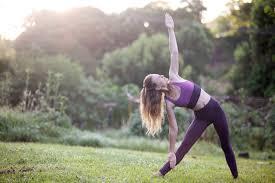
In recent years, more people have started searching for ways to slow down, reconnect with themselves, and create healthier lifestyles. Busy schedules, constant digital distractions, and increasing stress levels have encouraged individuals to look for practices that support both physical and mental well-being. Among the many wellness paths available today, immersive mindfulness and movement-based learning programs have become one of the most transformative experiences for people seeking personal growth and deeper self-awareness.
For many individuals, these programs are not simply about learning postures or improving flexibility. They represent an opportunity to step away from daily routines, explore ancient philosophies, build confidence, and develop a stronger connection between the body and mind. Whether someone hopes to guide others professionally or simply deepen their personal practice, these immersive experiences often create lasting positive changes that extend far beyond the classroom.
More Than Physical Movement
One of the biggest misconceptions about holistic wellness education is that it focuses only on physical exercises. In reality, these programs explore many dimensions of well-being, including mindfulness, breathing techniques, meditation, philosophy, anatomy, emotional balance, and conscious living.
Participants often discover that true wellness is not just about physical strength. It also involves mental clarity, emotional resilience, and a deeper understanding of oneself. Through daily practice and guided learning, students begin to recognize the importance of balance in all aspects of life.
Breathwork and meditation are commonly integrated into these programs because they help calm the mind and improve concentration. Many people are surprised by how much inner awareness they develop through consistent practice. Over time, simple routines such as mindful breathing and quiet reflection can positively affect stress levels, sleep quality, and overall emotional health.
A Break From the Fast Pace of Modern Life
Modern lifestyles often leave little time for stillness and self-reflection. Many people spend their days rushing between work, responsibilities, and endless online activity. Immersive wellness programs provide an opportunity to step away from these distractions and focus entirely on personal growth and well-being.
Spending time in peaceful natural surroundings often becomes an important part of the experience. Quiet environments help participants disconnect from external pressures and reconnect with themselves in a more meaningful way. Without the constant noise of everyday life, individuals are able to focus on mindfulness, self-care, and intentional living.
For many participants, this temporary shift away from routine creates mental clarity and emotional renewal. They return home feeling more grounded, refreshed, and motivated to make positive lifestyle changes.
Learning Ancient Wisdom in a Modern World
Traditional wellness philosophies have existed for thousands of years, but their teachings remain highly relevant today. Many immersive learning programs combine ancient practices with modern understanding to create balanced and accessible education.
Students are often introduced to topics such as:
- Breath awareness and energy control
- Mindfulness and meditation techniques
- Ethical living principles
- Body alignment and movement awareness
- Anatomy and injury prevention
- Stress management
- Holistic lifestyle practices
These teachings encourage individuals to develop a healthier relationship with themselves and the world around them. Rather than focusing only on external success, participants learn the value of inner balance, compassion, patience, and self-awareness.
The knowledge gained during these programs often extends beyond physical wellness and influences daily habits, relationships, and personal perspectives.
Building Confidence and Communication Skills
One of the most rewarding aspects of immersive wellness education is the personal confidence it can build. Many people begin these programs feeling uncertain about their abilities, especially when speaking in front of groups or guiding others.
Over time, regular practice and supportive learning environments help participants become more comfortable expressing themselves. Group discussions, partner exercises, and guided presentations encourage stronger communication and leadership skills.
This personal growth becomes valuable not only for those who eventually teach professionally but also for individuals in everyday life. Improved confidence, patience, and communication can positively affect careers, relationships, and social interactions.
Many graduates discover that the experience helped them become more present, empathetic, and emotionally balanced in both personal and professional settings.
The Importance of Community and Connection
Another meaningful part of these experiences is the sense of community they create. Participants often come from different countries, backgrounds, and life experiences, yet they share a common desire for personal growth and well-being.
Living and learning together creates opportunities for genuine connection and support. Many people form lasting friendships through shared experiences, daily practice, and meaningful conversations.
In a world where many individuals feel isolated despite constant online communication, these supportive environments offer something deeply valuable — authentic human connection. The shared journey often creates a strong sense of belonging and mutual encouragement.
Community-focused environments also help individuals feel safe exploring personal challenges, fears, and emotional growth without judgment.
Developing a Healthier Lifestyle
Immersive wellness education often encourages healthier daily habits that continue long after the program ends. Participants may begin paying closer attention to nutrition, sleep, movement, mindfulness, and stress management.
Many programs include wholesome meals, mindful eating practices, and discussions about maintaining balance in daily life. These small but consistent lifestyle adjustments can have a powerful long-term impact on physical and mental health.
Students frequently report improvements in:
- Stress reduction
- Energy levels
- Mental clarity
- Emotional balance
- Flexibility and mobility
- Sleep quality
- Self-discipline
- Overall well-being
The experience often inspires individuals to create routines that support healthier and more intentional living.
Professional Opportunities and Career Growth
While many people join these programs for personal reasons, others are interested in pursuing careers in wellness, mindfulness coaching, or group instruction. The wellness industry has grown significantly over the past decade as more people prioritize health and self-care.
Graduates may choose to:
- Lead group classes
- Offer private sessions
- Organize wellness retreats
- Work in fitness or health centers
- Share mindfulness practices online
- Support community wellness initiatives
However, the value of these programs is not limited to professional opportunities. Even participants who never teach others often describe the experience as life-changing because of the personal growth and inner awareness they gain.
Why Environment Matters
The location and atmosphere of a wellness program can greatly influence the overall experience. Peaceful surroundings, natural landscapes, and supportive communities create an environment where individuals feel more relaxed and open to learning.
Retreat-style settings are especially beneficial because they remove participants from everyday distractions and encourage mindfulness throughout the day. Nature often becomes an important part of the healing and reflection process.
Simple experiences such as walking outdoors, practicing mindfulness in open spaces, or sharing meals with others can create a deeper sense of calm and appreciation.
Choosing the right environment allows participants to fully immerse themselves in the learning experience while focusing on personal transformation.
A Personal Journey for Every Individual
No two people experience these programs in exactly the same way. Some participants arrive seeking physical wellness, while others hope to reduce stress, gain clarity, or navigate major life changes.
For some, the journey becomes deeply spiritual. For others, it is more about emotional healing, self-confidence, or building healthier routines. There is no single outcome or expectation because each individual brings their own experiences, goals, and personal challenges.
What makes these programs meaningful is their ability to support growth on multiple levels — physical, mental, emotional, and personal.
Final Thoughts
Immersive wellness education offers far more than physical movement or technical instruction. It provides an opportunity for self-discovery, personal growth, mindfulness, and deeper human connection in a fast-paced and often stressful world.
By combining ancient wisdom with modern understanding, these programs help individuals develop healthier habits, greater self-awareness, and a stronger sense of balance in daily life. Whether someone joins to deepen their personal practice, improve well-being, or explore future career opportunities, the experience often leaves a lasting impact that extends far beyond the duration of the course.
In a world where many people feel disconnected from themselves and constantly overwhelmed, taking time to slow down, reflect, and grow can become one of the most valuable investments a person makes in their overall well-being and future happiness.

 English
 Arabic
 French
 Spanish
 Deutsch
 Turkish
 Dutch
Dutch
 Italiano
 Russian
 Romaian
 Portuguese (Brazil)
 Greek
Greek