

Complete Guide to Numbing Cream for Tattoos and Tattoo Aftercare Cream for Better Healing
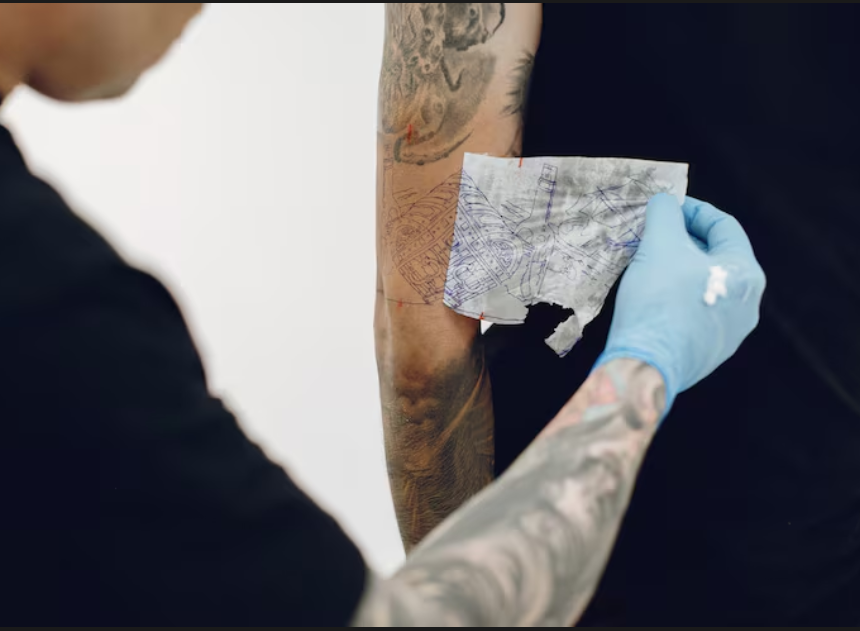
Getting a tattoo is both an artistic and personal experience, but it often comes with a level of discomfort that not everyone is prepared for. As tattooing has evolved, so have the products designed to make the process smoother and the healing phase more effective. Two of the most important products in this journey are numbing cream for tattoos and tattoo aftercare cream. These two solutions play very different but equally important roles in ensuring a comfortable tattoo session and a healthy recovery afterward.
Understanding how to use numbing cream for tattoos and tattoo aftercare cream properly can make a significant difference in both your pain level during the session and the final appearance of your tattoo. Let’s explore how these products work, when to use them, and why they have become essential parts of modern tattoo care.
Numbing cream for tattoos is designed to reduce or temporarily block pain signals from the skin during the tattooing process. It typically contains active ingredients like lidocaine that work by dulling nerve sensations in the applied area. For many people, especially those getting larger or more detailed tattoos, this can make the experience far more manageable. Instead of focusing on discomfort, clients can relax more easily and allow the artist to work with better precision.
When using numbing cream for tattoos, timing and application are very important. The cream is usually applied before the tattoo session begins and needs time to fully take effect. The skin should be clean, and a generous layer of cream is typically covered with plastic wrap to help absorption. Once active, it can significantly reduce sensitivity for a few hours, depending on the product and skin type. However, it is important to remember that numbing cream for tattoos does not eliminate all sensations completely; instead, it reduces intensity so the process feels more tolerable.
While numbing cream for tattoos is focused on the tattooing stage, tattoo aftercare cream becomes essential immediately after the work is done. Once the tattoo is completed, the skin is essentially an open wound that requires careful attention. This is where tattoo aftercare cream plays a vital role. It helps soothe irritation, keep the skin moisturized, and create an environment that supports healing without infection or excessive scabbing.
Tattoo aftercare cream is typically formulated with nourishing ingredients like panthenol, shea butter, or natural oils that help repair the skin barrier. Applying tattoo aftercare cream consistently after cleaning the tattoo helps reduce redness, itching, and dryness. Proper hydration of the skin is crucial because it allows the tattooed area to heal evenly, preserving the clarity and brightness of the ink.
Many people underestimate the importance of tattoo aftercare cream, but neglecting aftercare can lead to fading, patchiness, or even infection. Right after getting a tattoo, the skin is sensitive and exposed, making it vulnerable to bacteria and environmental irritants. Using tattoo aftercare cream as part of a daily routine helps protect the skin and ensures that the tattoo retains its intended design and color quality.
It is also important to understand that numbing cream for tattoos and tattoo aftercare cream are not interchangeable. Each serves a distinct purpose in the tattoo journey. Numbing cream for tattoos is used before and sometimes during the procedure to manage pain, while tattoo aftercare cream is used after the session to promote healing. Using both correctly ensures a smoother overall experience from start to finish.
For first-time tattoo clients, the combination of numbing cream for tattoos and tattoo aftercare cream can be especially helpful. The fear of pain is one of the biggest concerns for beginners, and numbing products can reduce that anxiety significantly. Once the tattoo is complete, aftercare cream provides reassurance that the healing process will be manageable and less uncomfortable.
Even experienced tattoo enthusiasts benefit from using these products. Large or detailed tattoos can take hours, and numbing cream for tattoos helps reduce fatigue caused by prolonged discomfort. Similarly, tattoo aftercare cream ensures that multiple tattoos or cover-ups heal properly without complications, especially when skin has been repeatedly worked on.
Choosing the right products is also important. Not all numbing cream for tattoos products are the same, and some may be stronger or more suitable for certain skin types. It is always best to follow instructions carefully and, when possible, consult with a tattoo artist before use. Likewise, selecting a high-quality tattoo aftercare cream can make a noticeable difference in healing time and final results.
Consistency is key when it comes to aftercare. Applying tattoo aftercare cream regularly during the healing period ensures that the skin remains hydrated and protected. Skipping applications or using unsuitable lotions can slow down healing and affect the appearance of the tattoo. Many professionals recommend continuing the use of tattoo aftercare cream for at least a couple of weeks, depending on how the skin responds.
In conclusion, both numbing cream for tattoos and tattoo aftercare cream are essential tools in modern tattoo care. The numbing cream for tattoos helps make the experience more comfortable by reducing pain during the session, while tattoo aftercare cream ensures the skin heals properly afterward, protecting the quality and longevity of the artwork. Together, they provide a complete care system that benefits both the client and the tattoo artist.
Understanding how and when to use numbing cream for tattoos and tattoo aftercare cream allows you to approach your tattoo journey with confidence, comfort, and the best possible results.

 English
 Arabic
 French
 Spanish
 Portuguese
 Deutsch
 Turkish
 Dutch
Dutch
 Italiano
 Russian
 Portuguese (Brazil)
 Greek
Greek