

Emotional Recovery After Grief: Understanding Healing and the Stages of Grief Explained
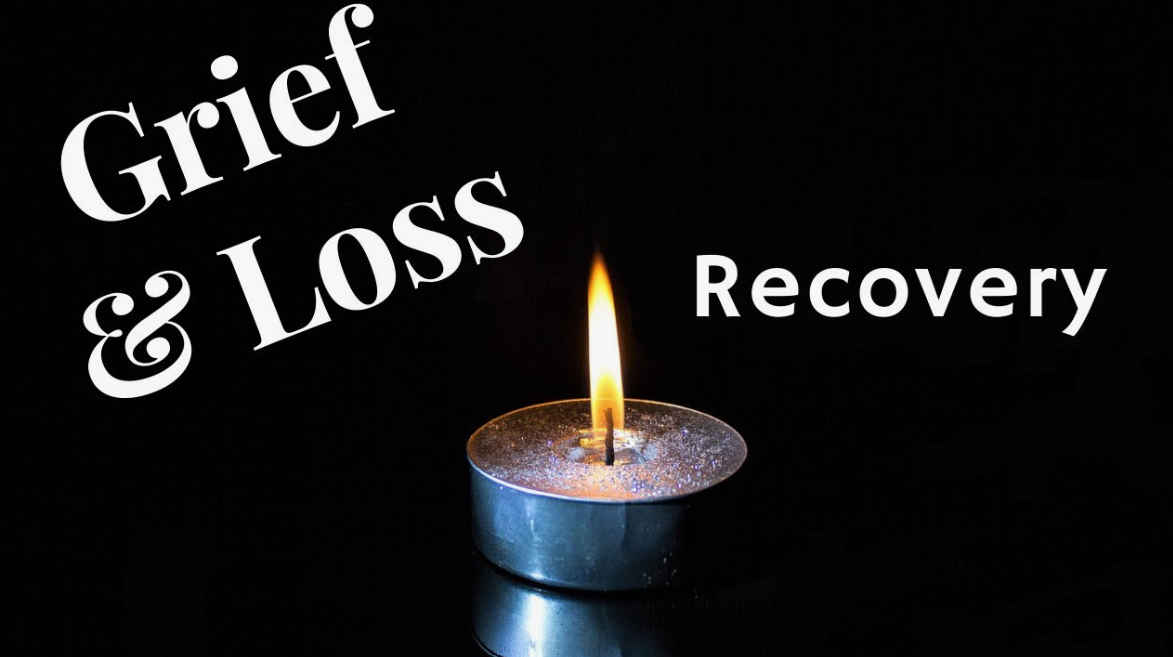
Grief is one of the most profound emotional experiences a person can go through. Whether it comes from the loss of a loved one, the end of a meaningful relationship, or a major life change, grief can feel overwhelming, disorienting, and deeply personal. While every individual experiences it differently, understanding the process of healing—often described as emotional recovery after grief—can provide comfort, clarity, and direction during a painful time.
This article explores the journey of emotional healing and breaks down the stages of grief explained in a practical and compassionate way.
Understanding Emotional Recovery After Grief
Emotional recovery after grief is not about “getting over” a loss. Instead, it is about learning to live with it in a way that allows life to continue meaningfully. Healing does not erase memories or remove pain completely; rather, it helps transform the intensity of grief into a more manageable emotional state over time.
Grief affects every part of a person’s life—emotions, thoughts, physical health, and even identity. In the early stages, people may feel like life has lost its structure or meaning. Emotional recovery gradually restores that sense of balance.
There is no fixed timeline for healing. Some people begin to feel stable within months, while for others, it may take years. Factors such as the type of loss, emotional support, personality, and past trauma all influence the recovery process.
The key idea is this: grief does not disappear, but it changes form. Over time, pain often becomes less sharp and more integrated into a person’s life story.
Stages of Grief Explained
One of the most well-known frameworks for understanding grief is the five stages model introduced by psychiatrist Elisabeth Kübler-Ross. While not everyone experiences all stages—or in a linear order—it remains a helpful guide for understanding emotional responses to loss.
Let’s explore the stages of grief explained in detail.
1. Denial
Denial is often the first reaction to loss. It acts as an emotional buffer that helps soften the immediate shock. In this stage, individuals may struggle to accept reality.
Thoughts like “This can’t be happening” or “There must be a mistake” are common. Denial is not about being in denial forever—it is the mind’s way of protecting itself from overwhelming pain.
During emotional recovery after grief, denial gradually fades as reality becomes more difficult to avoid. Small moments of awareness begin to break through the emotional shock.
2. Anger
As denial weakens, emotions often shift into anger. This anger may be directed at oneself, others, doctors, circumstances, or even the person who has passed away.
Anger is a natural response to feeling powerless. It reflects the frustration of wanting to change something that cannot be changed.
In the grieving process, anger can feel uncomfortable, but it is not unhealthy. In fact, it is an important part of emotional processing. Suppressing anger can delay emotional recovery after grief, while acknowledging it can help release emotional tension.
3. Bargaining
In the bargaining stage, individuals may try to regain control by mentally negotiating with life, fate, or a higher power. Thoughts such as “If only I had done something differently” or “I would give anything to go back and change things” are common.
This stage often involves guilt and regret. People replay events repeatedly, searching for ways they could have prevented the loss.
While painful, bargaining reflects the human need to make sense of tragedy. It is a bridge between emotional shock and deeper acceptance. Understanding this stage is an important part of recognizing the full process of emotional recovery after grief.
4. Depression
Depression in grief is not the same as clinical depression, though they may overlap. This stage is characterized by deep sadness, withdrawal, fatigue, and a sense of emptiness.
This is often where the reality of the loss fully settles in. The emotional numbness of earlier stages gives way to sorrow. People may lose interest in activities they once enjoyed and feel disconnected from others.
During this stage, support is especially important. Friends, family, therapy, or support groups can help individuals navigate this heavy emotional phase.
Although it feels intense, this stage is a necessary part of healing. It allows the person to fully process the depth of their loss, which is essential for emotional recovery after grief.
5. Acceptance
Acceptance does not mean happiness or forgetting. Instead, it means acknowledging reality and learning to live with it.
In this stage, individuals begin to rebuild their lives. They may still feel sadness, but it no longer dominates every moment. Memories become less painful and more reflective.
Acceptance is where emotional recovery after grief becomes visible. People start reconnecting with life, forming new routines, and finding meaning again. The loss becomes a part of their personal story, not the only chapter.
Emotional Recovery Is Not Linear
One of the most important things to understand about grief is that it is not a straight path. People may move back and forth between stages. A person may feel acceptance one day and deep sadness the next.
Triggers such as anniversaries, places, songs, or memories can temporarily intensify grief. This does not mean healing has stopped—it simply means grief is still present in waves.
Emotional recovery after grief is more like a spiral than a staircase. Each return to pain often comes with slightly more understanding and resilience than before.
Healthy Ways to Support Emotional Recovery After Grief
While grief cannot be rushed, certain practices can support healing:
1. Allow Yourself to Feel
Suppressing emotions can delay healing. Allowing sadness, anger, or confusion to surface is a natural part of recovery.
2. Talk About the Loss
Sharing memories and emotions with trusted people can ease emotional burden and reduce isolation.
3. Maintain Basic Routines
Simple routines like eating, sleeping, and daily activity provide stability during emotional chaos.
4. Seek Support
Therapists, counselors, or grief support groups can provide guidance and validation during difficult stages.
5. Be Patient With Yourself
There is no “right” way or timeline for grief. Healing happens gradually and uniquely for each person.
Finding Meaning After Loss
As emotional recovery progresses, many people begin to find meaning in their experience of loss. This does not mean the pain is gone, but it often leads to personal growth, deeper empathy, and a renewed appreciation for life.
Some individuals choose to honor their loved one through memories, traditions, or acts of kindness. Others focus on rebuilding their identity and goals. Both are valid paths in the healing journey.
Conclusion
Grief is one of the most challenging emotional experiences a person can face, but it is also a deeply human one. Understanding emotional recovery after grief helps individuals recognize that healing is possible, even if it feels distant at first.
The stages of grief explained—denial, anger, bargaining, depression, and acceptance—offer a framework for understanding emotional responses, but they do not define a strict path. Everyone grieves differently, and every journey is valid.
Ultimately, grief does not disappear; it transforms. Over time, pain softens, memories become more peaceful, and life slowly opens itself again. Emotional recovery is not about forgetting—it is about learning how to carry love and loss together, and still move forward.

 Arabic
 French
 Spanish
 Portuguese
 Deutsch
 Turkish
 Dutch
Dutch
 Italiano
 Russian
 Romaian
 Portuguese (Brazil)
 Greek
Greek