

Achieving a Healthier Lawn with Weed Control Near Me and Aeration and Overseeding
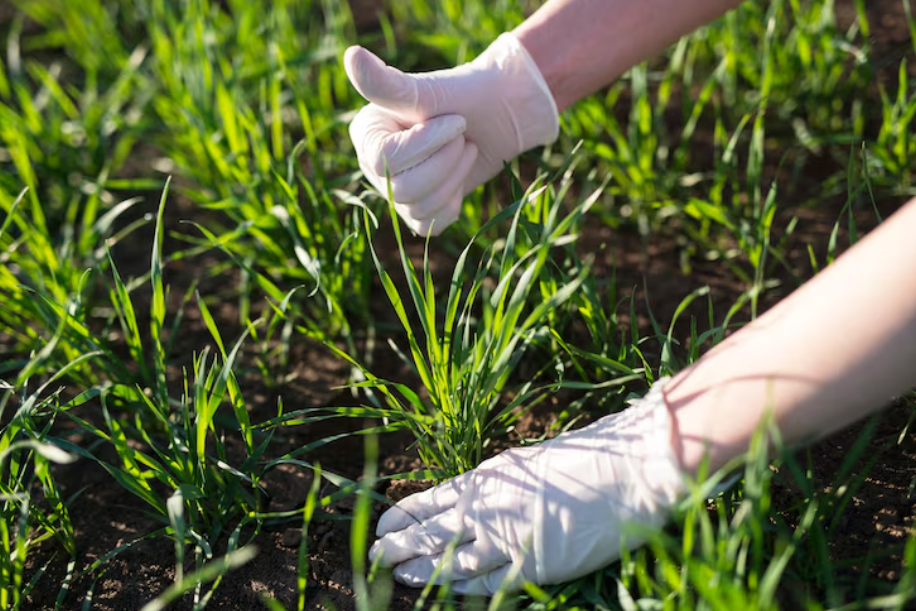
A healthy and vibrant lawn does more than improve the appearance of a property. It creates a welcoming outdoor space, increases curb appeal, and provides a place for family activities and relaxation. However, maintaining a beautiful yard takes more than occasional mowing and watering. Weeds, compacted soil, and thinning grass can slowly reduce the health and appearance of even the most carefully maintained landscape. This is why many homeowners search for weed control near me and invest in aeration and overseeding to restore and strengthen their lawns.
A lawn faces constant challenges throughout the year. Seasonal weather changes, foot traffic, pests, and soil conditions all affect grass growth. When weeds begin spreading or patches of grass start thinning, early action can prevent larger problems later. Combining proper weed management with soil improvement techniques creates the foundation for a thicker, greener, and healthier lawn.
Many property owners underestimate how quickly weeds can take over a yard. Weeds compete directly with grass for sunlight, nutrients, and water. Once they become established, they spread rapidly and create uneven, unhealthy turf. Looking for weed control near me is often the first step homeowners take when they notice dandelions, crabgrass, clover, or other invasive plants appearing throughout the lawn.
Professional weed management focuses on eliminating unwanted plants while preserving healthy grass growth. Effective weed treatment involves understanding which weeds are present and identifying the conditions that allow them to thrive. Different weeds require different approaches, and treatment timing often plays an important role in success.
Weeds frequently grow where lawns are weak or stressed. Thin grass coverage creates openings that allow unwanted plants to establish roots. Soil compaction and nutrient deficiencies also contribute to weed growth. Removing weeds without addressing these underlying issues often results in recurring problems.
This is where aeration and overseeding become valuable lawn care practices. These services help create stronger turf that naturally resists weed invasion. By improving soil conditions and increasing grass density, lawns become healthier and more capable of crowding out unwanted plants.
Aeration is a process designed to relieve soil compaction. Over time, lawn soil becomes compressed due to rainfall, foot traffic, pets, and regular use. Compacted soil limits airflow and reduces the movement of water and nutrients into the root zone. Grass roots struggle to expand in tightly packed soil, leading to weaker turf.
During aeration, small plugs of soil are removed from the lawn. These openings allow oxygen, moisture, and nutrients to reach deeper into the ground. Roots gain space to spread and strengthen, creating healthier grass growth over time.
One of the biggest advantages of aeration and overseeding is improved root development. Strong root systems help grass survive drought conditions, resist disease, and recover more quickly from stress. Healthier roots also improve nutrient absorption, supporting richer color and stronger growth.
Overseeding works alongside aeration by introducing fresh grass seed into existing lawns. Instead of completely replacing a lawn, overseeding adds new grass varieties to fill thin areas and improve density. The holes created during aeration provide ideal seed-to-soil contact, increasing germination success.
Homeowners often choose aeration and overseeding because it helps repair lawns that have become sparse or damaged. Areas affected by heavy traffic, pet activity, or harsh weather frequently develop thin patches that leave soil exposed. New seed establishes in these spaces and gradually fills them with healthy grass.
A thicker lawn does more than improve appearance. Dense turf acts as a natural defense system against weeds. When grass grows closely together, it limits sunlight exposure at the soil level and reduces available space for weed seeds to germinate.
People searching for weed control near me often discover that lawn thickness directly affects weed prevention. Weed treatments may eliminate existing problems, but thicker grass helps reduce future outbreaks. Combining weed management with overseeding creates a long-term strategy rather than a temporary fix.
Timing also plays a significant role in lawn improvement efforts. Certain seasons create ideal conditions for both weed treatment and seeding projects. Cooler temperatures and moderate rainfall often encourage seed germination and root establishment. Understanding seasonal cycles helps maximize lawn care results.
Water management becomes especially important after aeration and overseeding. Newly seeded lawns require consistent moisture to support germination and root growth. Overwatering can create problems, while insufficient watering may reduce seed success rates. Balanced watering practices support healthy development.
Fertilization often complements lawn restoration efforts as well. Grass requires nutrients to establish strong roots and maintain vigorous growth. Nutrient-rich soil supports both existing turf and newly introduced seed. Healthy grass naturally competes more effectively against weeds.
When homeowners search for weed control near me, many also seek complete lawn care strategies rather than isolated treatments. Weed elimination alone cannot solve every lawn issue. Long-term lawn health depends on addressing soil quality, turf density, watering practices, and maintenance routines.
Mowing habits also influence lawn performance. Cutting grass too short weakens root systems and creates opportunities for weeds. Maintaining appropriate mowing heights encourages stronger growth and provides shade that helps suppress weed germination.
Environmental conditions vary from one lawn to another. Some yards experience heavy shade, while others receive constant sunlight. Soil types, drainage patterns, and traffic levels differ significantly across properties. Lawn care solutions should account for these factors rather than relying on one universal approach.
Many homeowners notice substantial improvements after investing in aeration and overseeding on a regular basis. Lawns often become thicker, greener, and more resilient over time. Improved soil conditions support healthier turf that requires less corrective treatment in future seasons.
Likewise, recurring searches for weed control near me often decrease once lawns establish stronger, denser growth patterns. Healthy grass naturally reduces opportunities for invasive plants to spread.
Maintaining a beautiful lawn requires a proactive approach rather than waiting until visible problems appear. Weed prevention, soil care, and grass improvement strategies work together to create lasting results. Addressing lawn challenges early often saves time and effort later.
A thriving lawn reflects consistent care and smart maintenance decisions. Through effective weed management and strategic practices like aeration and overseeding, homeowners can create landscapes that remain attractive, durable, and healthy throughout the year. By strengthening the lawn from the ground up, outdoor spaces become more enjoyable and easier to maintain for seasons to come.

 English
 Arabic
 French
 Spanish
 Portuguese
 Deutsch
 Dutch
Dutch
 Italiano
 Russian
 Romaian
 Portuguese (Brazil)
 Greek
Greek