

How Long Do Breast Implants Last? What to Expect Over 10–20 Years
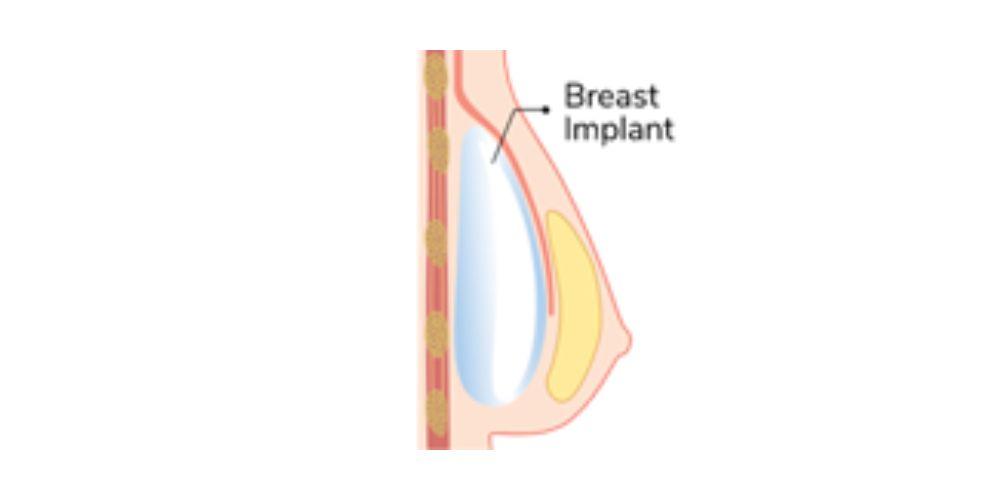
Breast implant surgery is a significant decision, and understanding how long your results will last is just as important as choosing the right implant. While many patients expect their implants to be permanent, the reality is more nuanced. Implants can last anywhere from 10 to 20 years, sometimes longer, but they do require ongoing monitoring, care, and, in some cases, replacement over time.
Are Breast Implants a Lifetime Commitment?
Breast implants are not designed to last forever. Most manufacturers recommend monitoring implants from the 10-year mark, as wear and natural ageing can affect performance. Understanding this from the outset helps patients plan realistically for their long-term breast health and cosmetic goals.
Year 1: Recovery, Settling, and Initial Changes
The first year after surgery is largely about healing. Swelling subsides, tissues adjust, and implants gradually settle into a more natural position. Most patients notice their final shape emerging around the three to six-month mark after the procedure.
During this period, follow-up appointments are essential. Your surgeon will monitor healing progress, check for early signs of complications, and confirm that implant placement remains optimal. Starting this habit early supports better long-term outcomes for patients.
Years 2–4: Your Implants at Their Most Stable
For most patients, years two through four represent the most stable phase. The implants have settled, the body has fully adjusted, and complications during this period are relatively uncommon. Many patients feel confident and satisfied with their results over the years.
Breast implant surgery in Brisbane patients often report this phase as the most rewarding. Results look and feel natural, and the surgical experience is largely behind them. Maintaining a stable weight and a healthy lifestyle helps preserve outcomes throughout this stage.
Years 5–7: Routine Check-Ups and What to Watch For
From year five onward, regular check-ups become increasingly important. Subtle changes in shape, firmness, or sensation can begin to emerge. These changes are not always cause for concern, but they should be discussed with a qualified plastic surgeon sooner rather than later.
Patients should pay close attention to any asymmetry, hardening, or changes in breast contour during this phase. Annual reviews with your surgeon allow for early detection of issues such as capsular contracture or early implant wear before they progress further.
Years 8–10: The First Major Decision Point
The eight to ten-year mark is often when surgeons begin discussing the possibility of replacement. Studies suggest that approximately 20 per cent of patients require implant removal or replacement within this window, whether due to complications or personal preference.
An MRI or ultrasound may be recommended to assess the integrity of the implants, particularly for silicone implants that can rupture silently without obvious symptoms. Being proactive at this stage helps avoid more complex corrective procedures down the track.
Years 10–15: Natural Ageing and Implant Wear
Breast implant surgery in Brisbane patients entering the 10 to 15-year phase should expect some degree of natural change. The body continues to age, breast tissue shifts, and implants may no longer sit in the same position as they did initially.
Rippling, wrinkling, and positional changes can become more noticeable during this stage. While these changes are not necessarily dangerous, they can affect the overall aesthetic outcome. A consultation with your surgeon can help determine whether revision is the right choice.
Years 15–20: Higher Likelihood of Revision Surgery
By years fifteen to twenty, the likelihood of requiring revision surgery increases considerably. Implant shells degrade over time, and the risk of rupture, particularly with older saline implants, becomes more significant. This does not mean complications are inevitable, but vigilance is critical.
Many patients at this stage choose to have their implants replaced proactively, often taking the opportunity to adjust size or shape based on changes in their body or aesthetic preferences. Revision surgery is generally well-tolerated when planned appropriately with your surgeon.
20+ Years: Long-Term Outcomes and Health Considerations
Some patients go beyond twenty years with their original implants without significant issues. However, this is the exception rather than the rule. At this point, thorough imaging assessments and close surgical monitoring are strongly recommended to safeguard overall breast health.
Long-term implant patients should also be aware of rare conditions such as Breast Implant Associated Anaplastic Large Cell Lymphoma (BIA-ALCL). While uncommon, awareness and routine check-ups remain the best tools for protecting health and peace of mind over the long term.
Planning for the Future With Your Implants
Understanding the lifespan of breast implants allows you to make informed decisions at every stage of your journey. With routine monitoring, a healthy lifestyle, and open communication with your surgeon, you can manage your implants confidently for many years.
At Dr Andrew Broadhurst, patients receive personalised care and guidance tailored to their individual needs, from the initial consultation through to long-term follow-up. Whether you are considering your first procedure or exploring revision options, expert advice is always close at hand.

 English
 Arabic
 French
 Portuguese
 Deutsch
 Turkish
 Dutch
Dutch
 Italiano
 Russian
 Romaian
 Portuguese (Brazil)
 Greek
Greek