

Dental Implants vs Dentures: Which Tooth Replacement Option Is Better?
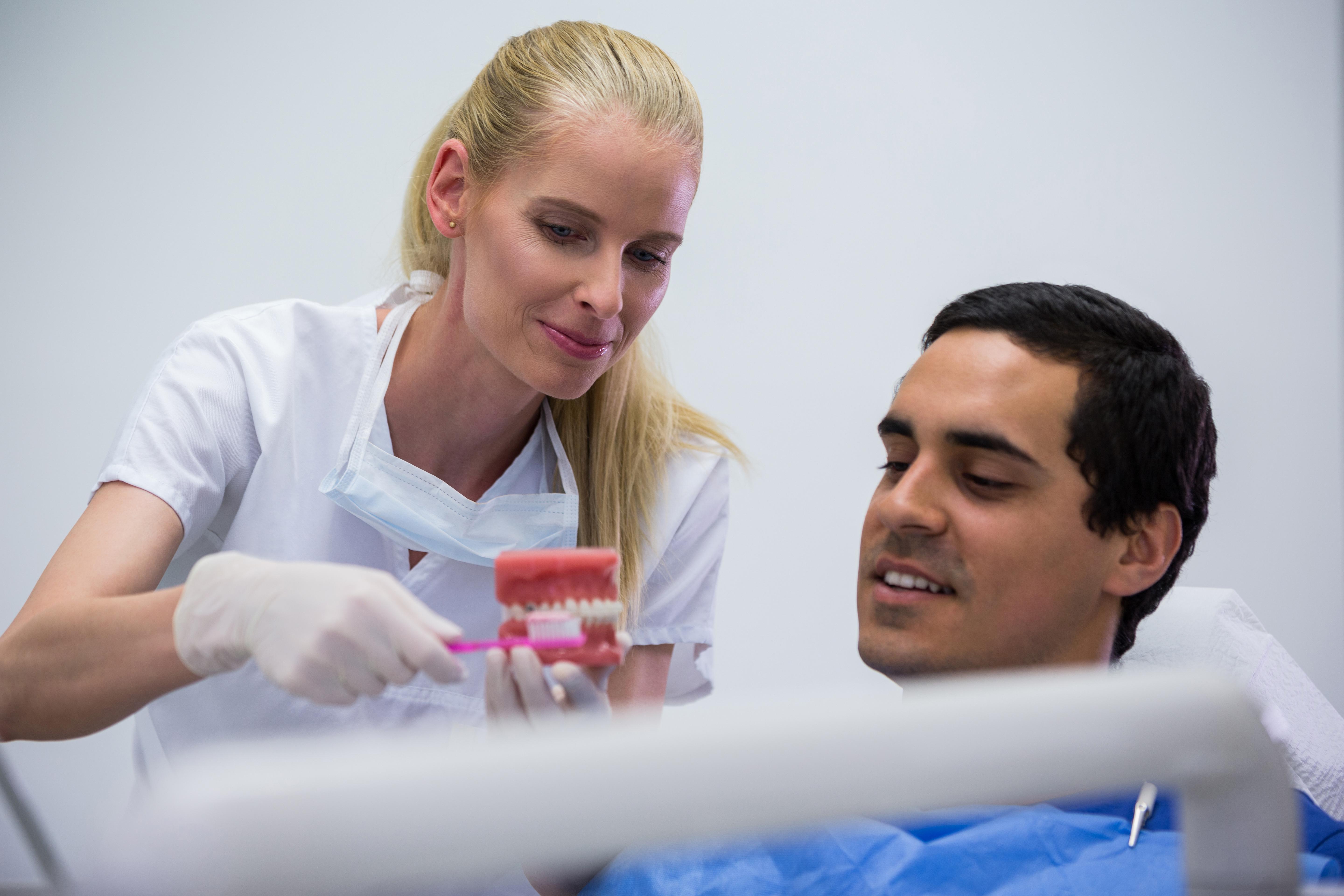
Missing teeth can affect your confidence, oral function, and overall quality of life. Difficulty chewing, speech problems, and changes in facial appearance are some of the common issues associated with tooth loss. Fortunately, modern dentistry offers effective tooth replacement solutions that restore both appearance and functionality.
Two of the most common options are dental implants and dentures. While both treatments replace missing teeth, they differ in terms of comfort, durability, maintenance, and long-term benefits. Understanding these differences can help patients choose the right treatment based on their needs and lifestyle.
Why Replacing Missing Teeth Is Important
Ignoring missing teeth can lead to several oral health complications over time. When a tooth is lost, the surrounding teeth may shift, affecting bite alignment and chewing efficiency. Bone loss in the jaw may also occur due to lack of stimulation.
Replacing missing teeth helps:
-
Restore chewing and speaking ability
-
Maintain facial structure
-
Improve confidence and smile aesthetics
-
Prevent further oral health complications
Timely treatment helps preserve long-term oral health and functionality.
Understanding Dental Implants
dental implants are artificial tooth roots made from titanium or similar biocompatible materials. These implants are surgically placed into the jawbone to support crowns, bridges, or implant-supported dentures.
Over time, the implant integrates with the jawbone, creating a strong and stable foundation that functions like a natural tooth root. This makes implants one of the most advanced and durable tooth replacement options available today.
How the Implant Procedure Works
The implant process is usually completed in multiple stages.
Initial Consultation
The dentist evaluates oral health, bone density, and treatment suitability through examinations and scans.
Implant Placement
The implant is surgically inserted into the jawbone under local anesthesia.
Healing and Integration
During healing, the implant fuses with the jawbone through a process called osseointegration.
Final Restoration
A crown or prosthetic tooth is attached to complete the smile restoration.
Modern dental implant treatment is designed to provide long-term stability, comfort, and natural aesthetics.
Understanding Dentures
Dentures are removable appliances designed to replace missing teeth and surrounding tissues. They are commonly made using acrylic or metal frameworks with artificial teeth attached.
Dentures are available as:
-
Full dentures for complete tooth loss
-
Partial dentures for patients missing only a few teeth
They have been used for decades and remain a common solution for restoring smiles.
Advantages of Dental Implants
Natural Appearance and Feel
Implants closely resemble natural teeth in appearance and functionality. They allow patients to eat, speak, and smile comfortably.
Long-Term Durability
With proper oral hygiene and regular dental visits, implants can last for many years.
Bone Preservation
Unlike removable dentures, implants stimulate the jawbone and help reduce bone loss.
Stability and Comfort
Implants remain securely fixed in place, preventing movement while eating or speaking.
Improved Oral Health
They do not rely on neighboring teeth for support, helping preserve healthy tooth structure.
Advantages of Dentures
Non-Surgical Option
Dentures do not require surgery, making them suitable for patients who cannot undergo implant procedures.
Faster Treatment Process
They can often be fabricated and fitted within a shorter period compared to implants.
Suitable for Extensive Tooth Loss
Dentures provide an effective solution for individuals who have lost most or all of their teeth.
Lower Initial Investment
The upfront cost of dentures is generally lower than implant-based solutions.
Comparing Dental Implants and Dentures
|
Feature |
Dental Implants |
Dentures |
|
Stability |
Fixed and secure |
Removable |
|
Appearance |
Natural-looking |
May appear less natural |
|
Comfort |
Feels like natural teeth |
Requires adjustment period |
|
Bone Preservation |
Helps maintain jawbone |
Does not prevent bone loss |
|
Durability |
Long-lasting |
May require replacement |
|
Maintenance |
Similar to natural teeth |
Requires daily removal and cleaning |
|
Procedure |
Surgical |
Non-surgical |
Who Is a Suitable Candidate for Dental Implants?
Implants are suitable for many adults who:
-
Have healthy gums
-
Maintain good oral hygiene
-
Have adequate jawbone support
-
Are in good overall health
In cases of bone loss, additional procedures may be recommended before implant placement.
A consultation at a professional dental implant clinic helps determine whether implants are the right option based on individual oral health conditions.
Who May Benefit More from Dentures?
Dentures may be more appropriate for individuals who:
-
Prefer a non-surgical treatment
-
Have significant bone loss
-
Need a quicker tooth replacement option
-
Have medical conditions that limit surgical procedures
When properly fitted, dentures can restore appearance and basic oral functionality effectively.
Comfort and Lifestyle Considerations
Lifestyle preferences often influence the choice between implants and dentures.
Dental Implants
-
Provide better chewing strength
-
Do not slip during speaking or eating
-
Feel more natural
Dentures
-
Require periodic adjustments
-
May shift over time
-
Need removal during cleaning and sleeping
Many patients choose implants because they offer greater comfort and convenience in daily life.
Maintenance and Oral Hygiene
Proper maintenance is essential for both treatment options.
Caring for Dental Implants
-
Brush and floss regularly
-
Schedule routine dental checkups
-
Avoid smoking and tobacco use
Caring for Dentures
-
Clean dentures daily
-
Soak them overnight when required
-
Maintain gum hygiene
Good oral hygiene helps extend the lifespan of both implants and dentures.
Common Myths About Tooth Replacement
Implants Are Extremely Painful
Most patients experience only mild discomfort during recovery, and the procedure is performed under anesthesia.
Dentures Always Look Artificial
Modern dentures are designed to appear more natural and aesthetically pleasing.
Implants Require Special Care
Implants can be maintained similarly to natural teeth with regular brushing and flossing.
Tooth Replacement Is Only for Older Adults
People of all age groups may require tooth replacement due to injury, decay, or gum disease.
Choosing the Right Treatment
The decision between implants and dentures depends on several factors:
-
Oral health condition
-
Bone density
-
Comfort preferences
-
Long-term expectations
-
Lifestyle needs
Consulting a qualified dental professional helps patients understand the most suitable option for restoring their smile and oral functionality.
Conclusion
Both dental implants and dentures are effective solutions for replacing missing teeth, but each option offers different benefits. Implants provide superior stability, long-term durability, and a natural feel, while dentures remain a practical and non-surgical alternative for many patients.
The ideal treatment depends on individual needs, oral health, and personal preferences. Choosing the right dental solution can significantly improve comfort, confidence, and overall quality of life.

 English
 Arabic
 French
 Spanish
 Portuguese
 Turkish
 Dutch
Dutch
 Italiano
 Russian
 Romaian
 Portuguese (Brazil)
 Greek
Greek