


-
4 Записей
-
1 Фото
-
0 Видео
-
Female
-
Читают 1 человек
Основные характеристики
-
Phone number
8275124281
Поиск

 English
 Arabic
 French
 Spanish
 Portuguese
 Deutsch
 Turkish
 Dutch
Dutch
 Italiano
 Romaian
 Portuguese (Brazil)
 Greek
Greek
Недавние обновления
-
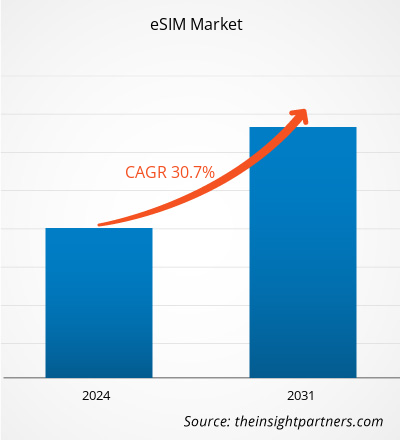
eSIM Market: The Future of Digital Connectivity
In an increasingly connected world, traditional SIM cards are being replaced by a more flexible and digital alternative — the eSIM (Embedded Subscriber Identity Module). With smartphones, wearables, IoT devices, and even vehicles shifting toward digital connectivity, the eSIM market is poised for explosive growth.
Explore more - https://www.theinsightpartners.com/reports/esim-market
Why the eSIM Market Is Booming
1. Rapid Adoption of IoT Devices
The Internet of Things (IoT) is transforming industries — from smart cities and healthcare to logistics and automotive. eSIMs are ideal for IoT because they:
Reduce device size
Enable remote management
Support large-scale deployments
2. Rise in Global Connectivity Needs
Consumers and businesses now demand seamless roaming, flexibility, and instant connectivity — without dealing with physical SIM cards.
3. Increased Smartphone Integration
Leading smartphone manufacturers like Apple, Samsung, and Google are incorporating eSIMs into flagship devices — pushing user awareness and adoption.
4. Growth in Connected Vehicles
As connected and autonomous vehicles become mainstream, eSIMs help provide continuous network access for navigation, safety, diagnostics, and infotainment.
Key Market Drivers
Remote SIM Provisioning
Users can choose or change carriers without visiting a store or inserting a new card.
Enhanced Security
eSIMs offer built-in security protections — including secure element frameworks and encrypted profiles — making them a preferred solution for secure communications.
Global eSIM Support
More carriers worldwide are enabling eSIM profiles — enabling travelers to choose local plans digitally and avoid expensive roaming charges.
Regional Growth Trends
North America
Strong telecom infrastructure and early tech adoption make this a leading market — especially with the high prevalence of eSIM-compatible devices.
Europe
European countries have embraced eSIM for both consumer devices and large-scale IoT deployments.
Asia-Pacific
Rapid smartphone adoption, expanding IoT ecosystems, and supportive regulations are driving strong growth — especially in China, India, and Southeast Asia.
Rest of the World
Emerging markets are slowly integrating eSIMs as carriers modernize networks and consumers adopt digital-first technologies.
Conclusion
The eSIM market is not just a tech trend — it’s a foundational shift in how devices connect, how carriers operate, and how users experience mobile connectivity. With mobility evolving into a digital-first ecosystem, eSIMs stand at the forefront of a more flexible, secure, and globally connected future.
Whether you’re a tech enthusiast, business leader, or mobile consumer, understanding the eSIM revolution will give you a glimpse into the future of seamless connectivity.
Related Reports - Laptop eSIM Market Overview and Growth 2031
eSIM Market: The Future of Digital Connectivity In an increasingly connected world, traditional SIM cards are being replaced by a more flexible and digital alternative — the eSIM (Embedded Subscriber Identity Module). With smartphones, wearables, IoT devices, and even vehicles shifting toward digital connectivity, the eSIM market is poised for explosive growth. Explore more - https://www.theinsightpartners.com/reports/esim-market Why the eSIM Market Is Booming 1. Rapid Adoption of IoT Devices The Internet of Things (IoT) is transforming industries — from smart cities and healthcare to logistics and automotive. eSIMs are ideal for IoT because they: Reduce device size Enable remote management Support large-scale deployments 2. Rise in Global Connectivity Needs Consumers and businesses now demand seamless roaming, flexibility, and instant connectivity — without dealing with physical SIM cards. 3. Increased Smartphone Integration Leading smartphone manufacturers like Apple, Samsung, and Google are incorporating eSIMs into flagship devices — pushing user awareness and adoption. 4. Growth in Connected Vehicles As connected and autonomous vehicles become mainstream, eSIMs help provide continuous network access for navigation, safety, diagnostics, and infotainment. Key Market Drivers Remote SIM Provisioning Users can choose or change carriers without visiting a store or inserting a new card. Enhanced Security eSIMs offer built-in security protections — including secure element frameworks and encrypted profiles — making them a preferred solution for secure communications. Global eSIM Support More carriers worldwide are enabling eSIM profiles — enabling travelers to choose local plans digitally and avoid expensive roaming charges. Regional Growth Trends 🇺🇸 North America Strong telecom infrastructure and early tech adoption make this a leading market — especially with the high prevalence of eSIM-compatible devices. 🇪🇺 Europe European countries have embraced eSIM for both consumer devices and large-scale IoT deployments. 🇨🇳 Asia-Pacific Rapid smartphone adoption, expanding IoT ecosystems, and supportive regulations are driving strong growth — especially in China, India, and Southeast Asia. Rest of the World Emerging markets are slowly integrating eSIMs as carriers modernize networks and consumers adopt digital-first technologies. Conclusion The eSIM market is not just a tech trend — it’s a foundational shift in how devices connect, how carriers operate, and how users experience mobile connectivity. With mobility evolving into a digital-first ecosystem, eSIMs stand at the forefront of a more flexible, secure, and globally connected future. Whether you’re a tech enthusiast, business leader, or mobile consumer, understanding the eSIM revolution will give you a glimpse into the future of seamless connectivity. Related Reports - Laptop eSIM Market Overview and Growth 20310 Комментарии 0 Поделились 1Кб Просмотры 0 предпросмотр -
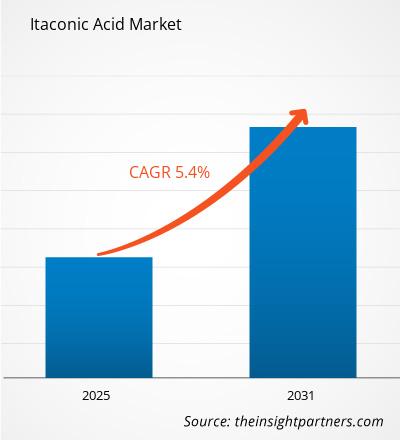
Itaconic Acid Market — Growth, Trends, and Future Outlook
The itaconic acid market is emerging as a pivotal segment within the global specialty chemicals industry. Known for its versatility and biodegradable properties, itaconic acid is gaining significant traction across diverse end-use sectors — from polymers and pharmaceuticals to adhesives and agricultural products.
Explore more - https://www.theinsightpartners.com/reports/itaconic-acid-market
Major Applications
1. Polymers and Resins
Itaconic acid is widely used as a co-monomer in specialty polymers, enhancing properties like thermal stability, adhesion, and flexibility. It’s commonly found in:
• Water-based coatings
• Acrylic and unsaturated polyester resins
• Superabsorbent polymers
2. Adhesives & Sealants
Its reactive nature allows itaconic acid to improve the performance of adhesives, primers, and sealants, especially in construction and automotive segments.
3. Pharmaceuticals & Cosmetics
In the pharmaceutical landscape, itaconic acid plays a role in controlled-release drug formulations. In cosmetics, it’s valued for its skin-friendly and safe profile, often included in personal care products.
4. Agricultural Chemicals
Itaconic acid is also used in biodegradable pesticide formulations and as a chelating agent in micronutrient delivery systems.
Market Drivers
1. Rising Demand for Sustainable Chemicals
With global emphasis on green chemistry and sustainability, itaconic acid’s biobased origin positions it as a high-growth chemical.
Environmental regulations and consumer preferences are increasingly favoring biodegradable and non-toxic materials — boosting demand.
2. Growth in End-Use Industries
Rapid expansion of:
• Paints & coatings
• Construction
• Personal care products
is driving higher consumption of specialty chemicals like itaconic acid.
3. Increasing Research & Development
Ongoing R&D is unlocking new applications — from bio-based plastics to advanced composites — expanding markets globally.
Regional Insights
North America
Strong demand from coatings and adhesives sectors, coupled with increasing environmental awareness.
Europe
Focus on sustainable polymers and stringent environmental policies make Europe a key market.
Asia-Pacific
Rapid industrialization, expanding construction activities, and rising disposable income are fueling growth, especially in India, China, and Southeast Asia.
Conclusion
The itaconic acid market stands at a significant growth juncture. Fueled by sustainability trends, expanding industrial applications, and technological innovations, itaconic acid is poised to evolve from a niche specialty chemical to a mainstream industrial strength material. While production challenges persist, the shift toward biobased and eco-friendly solutions is set to unlock new opportunities in the years ahead.
Related Industry Reports - Recycled Terephthalic Acid Market Growth, Analysis, and Forecast by 2031
Itaconic Acid Market — Growth, Trends, and Future Outlook The itaconic acid market is emerging as a pivotal segment within the global specialty chemicals industry. Known for its versatility and biodegradable properties, itaconic acid is gaining significant traction across diverse end-use sectors — from polymers and pharmaceuticals to adhesives and agricultural products. Explore more - https://www.theinsightpartners.com/reports/itaconic-acid-market Major Applications 1. Polymers and Resins Itaconic acid is widely used as a co-monomer in specialty polymers, enhancing properties like thermal stability, adhesion, and flexibility. It’s commonly found in: • Water-based coatings • Acrylic and unsaturated polyester resins • Superabsorbent polymers 2. Adhesives & Sealants Its reactive nature allows itaconic acid to improve the performance of adhesives, primers, and sealants, especially in construction and automotive segments. 3. Pharmaceuticals & Cosmetics In the pharmaceutical landscape, itaconic acid plays a role in controlled-release drug formulations. In cosmetics, it’s valued for its skin-friendly and safe profile, often included in personal care products. 4. Agricultural Chemicals Itaconic acid is also used in biodegradable pesticide formulations and as a chelating agent in micronutrient delivery systems. Market Drivers 1. Rising Demand for Sustainable Chemicals With global emphasis on green chemistry and sustainability, itaconic acid’s biobased origin positions it as a high-growth chemical. Environmental regulations and consumer preferences are increasingly favoring biodegradable and non-toxic materials — boosting demand. 2. Growth in End-Use Industries Rapid expansion of: • Paints & coatings • Construction • Personal care products is driving higher consumption of specialty chemicals like itaconic acid. 3. Increasing Research & Development Ongoing R&D is unlocking new applications — from bio-based plastics to advanced composites — expanding markets globally. Regional Insights North America Strong demand from coatings and adhesives sectors, coupled with increasing environmental awareness. Europe Focus on sustainable polymers and stringent environmental policies make Europe a key market. Asia-Pacific Rapid industrialization, expanding construction activities, and rising disposable income are fueling growth, especially in India, China, and Southeast Asia. Conclusion The itaconic acid market stands at a significant growth juncture. Fueled by sustainability trends, expanding industrial applications, and technological innovations, itaconic acid is poised to evolve from a niche specialty chemical to a mainstream industrial strength material. While production challenges persist, the shift toward biobased and eco-friendly solutions is set to unlock new opportunities in the years ahead. Related Industry Reports - Recycled Terephthalic Acid Market Growth, Analysis, and Forecast by 20310 Комментарии 0 Поделились 1Кб Просмотры 0 предпросмотр -
Movie Projectors Market: How Big Screens Are Getting Smaller
Movie Projectors used to belong in multiplexes and corporate boardrooms. Today they live in living rooms, backpacks and backyard movie nights. The movie projectors market is a curious mix of mature cinema-grade systems and an energetic consumer segment driven by portability, improved imaging tech, and new use-cases. Below I break down what’s moving this market, who’s winning, and what buyers should look for.
Why the market is growing (and why it matters)
• Home entertainment personalization. Bigger, affordable displays and streaming services have consumers wanting the cinematic feel at home — without the ticket queue.
• Improved tech at lower cost. LED and laser light sources, plus better DLP/LCoS chips, mean brighter, longer-lasting projectors with shrinking form factors.
• Portable lifestyles. Mini and pico projectors let creators, gamers, and remote workers carry a big screen in a small device.
• Commercial and education rebound. Lecture halls, houses of worship, and small cinemas continue to upgrade to laser projection and 4K-capable systems.
• New content formats. Wider adoption of HDR, high frame rates, and immersive audio increases demand for projectors that can faithfully reproduce modern movies and games.
Market segments to watch
• Home projectors: The mainstream driver — from entry-level 720p pocket projectors to ultra-short-throw 4K laser systems that sit inches from a wall.
• Portable/pico projectors: Battery-powered, pocket-sized devices for casual streaming and presentations.
• Cinema-grade projectors: High-lumen laser projectors used in commercial theaters and boutique cinemas.
• Professional/installation: Large-venue projectors for events, education, and corporate use.
• Gaming projectors: Low-latency, high-refresh models optimized for consoles and PC gaming.
Challenges and friction points
• Ambient light sensitivity: Even good projectors struggle in bright rooms without proper screens or darkening.
• True 4K vs. pixel-shift marketing: Not every “4K” projector is native 4K — know the difference.
• Sound expectations: Onboard speakers rarely match a dedicated AV system — plan for audio upgrades if you want theater-level sound.
• Cost of premium cinema tech: High-end laser projectors and IMAX/large-venue gear remain expensive and require professional installation.
Relate Industry Reports - Laser Projectors Market Key Companies, Scope, and SWOT Analysis by 2031
Movie Projectors Market: How Big Screens Are Getting Smaller Movie Projectors used to belong in multiplexes and corporate boardrooms. Today they live in living rooms, backpacks and backyard movie nights. The movie projectors market is a curious mix of mature cinema-grade systems and an energetic consumer segment driven by portability, improved imaging tech, and new use-cases. Below I break down what’s moving this market, who’s winning, and what buyers should look for. Why the market is growing (and why it matters) • Home entertainment personalization. Bigger, affordable displays and streaming services have consumers wanting the cinematic feel at home — without the ticket queue. • Improved tech at lower cost. LED and laser light sources, plus better DLP/LCoS chips, mean brighter, longer-lasting projectors with shrinking form factors. • Portable lifestyles. Mini and pico projectors let creators, gamers, and remote workers carry a big screen in a small device. • Commercial and education rebound. Lecture halls, houses of worship, and small cinemas continue to upgrade to laser projection and 4K-capable systems. • New content formats. Wider adoption of HDR, high frame rates, and immersive audio increases demand for projectors that can faithfully reproduce modern movies and games. Market segments to watch • Home projectors: The mainstream driver — from entry-level 720p pocket projectors to ultra-short-throw 4K laser systems that sit inches from a wall. • Portable/pico projectors: Battery-powered, pocket-sized devices for casual streaming and presentations. • Cinema-grade projectors: High-lumen laser projectors used in commercial theaters and boutique cinemas. • Professional/installation: Large-venue projectors for events, education, and corporate use. • Gaming projectors: Low-latency, high-refresh models optimized for consoles and PC gaming. Challenges and friction points • Ambient light sensitivity: Even good projectors struggle in bright rooms without proper screens or darkening. • True 4K vs. pixel-shift marketing: Not every “4K” projector is native 4K — know the difference. • Sound expectations: Onboard speakers rarely match a dedicated AV system — plan for audio upgrades if you want theater-level sound. • Cost of premium cinema tech: High-end laser projectors and IMAX/large-venue gear remain expensive and require professional installation. Relate Industry Reports - Laser Projectors Market Key Companies, Scope, and SWOT Analysis by 20310 Комментарии 0 Поделились 766 Просмотры 0 предпросмотр

Больше
Спонсоры