

eSIM Market: The Future of Digital Connectivity
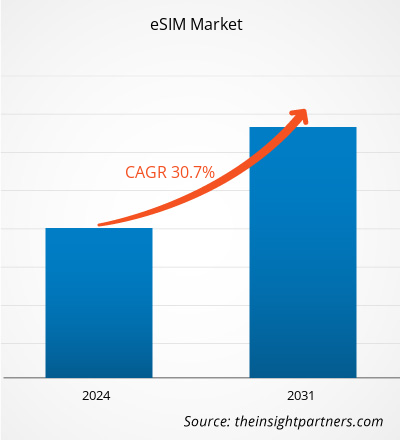
In an increasingly connected world, traditional SIM cards are being replaced by a more flexible and digital alternative — the eSIM (Embedded Subscriber Identity Module). With smartphones, wearables, IoT devices, and even vehicles shifting toward digital connectivity, the eSIM market is poised for explosive growth.
Explore more - https://www.theinsightpartners.com/reports/esim-market
Why the eSIM Market Is Booming
1. Rapid Adoption of IoT Devices
The Internet of Things (IoT) is transforming industries — from smart cities and healthcare to logistics and automotive. eSIMs are ideal for IoT because they:
Reduce device size
Enable remote management
Support large-scale deployments
2. Rise in Global Connectivity Needs
Consumers and businesses now demand seamless roaming, flexibility, and instant connectivity — without dealing with physical SIM cards.
3. Increased Smartphone Integration
Leading smartphone manufacturers like Apple, Samsung, and Google are incorporating eSIMs into flagship devices — pushing user awareness and adoption.
4. Growth in Connected Vehicles
As connected and autonomous vehicles become mainstream, eSIMs help provide continuous network access for navigation, safety, diagnostics, and infotainment.
Key Market Drivers
Remote SIM Provisioning
Users can choose or change carriers without visiting a store or inserting a new card.
Enhanced Security
eSIMs offer built-in security protections — including secure element frameworks and encrypted profiles — making them a preferred solution for secure communications.
Global eSIM Support
More carriers worldwide are enabling eSIM profiles — enabling travelers to choose local plans digitally and avoid expensive roaming charges.
Regional Growth Trends
North America
Strong telecom infrastructure and early tech adoption make this a leading market — especially with the high prevalence of eSIM-compatible devices.
Europe
European countries have embraced eSIM for both consumer devices and large-scale IoT deployments.
Asia-Pacific
Rapid smartphone adoption, expanding IoT ecosystems, and supportive regulations are driving strong growth — especially in China, India, and Southeast Asia.
Rest of the World
Emerging markets are slowly integrating eSIMs as carriers modernize networks and consumers adopt digital-first technologies.
Conclusion
The eSIM market is not just a tech trend — it’s a foundational shift in how devices connect, how carriers operate, and how users experience mobile connectivity. With mobility evolving into a digital-first ecosystem, eSIMs stand at the forefront of a more flexible, secure, and globally connected future.
Whether you’re a tech enthusiast, business leader, or mobile consumer, understanding the eSIM revolution will give you a glimpse into the future of seamless connectivity.
Related Reports - Laptop eSIM Market Overview and Growth 2031
In an increasingly connected world, traditional SIM cards are being replaced by a more flexible and digital alternative — the eSIM (Embedded Subscriber Identity Module). With smartphones, wearables, IoT devices, and even vehicles shifting toward digital connectivity, the eSIM market is poised for explosive growth.
Explore more - https://www.theinsightpartners.com/reports/esim-market
Why the eSIM Market Is Booming
1. Rapid Adoption of IoT Devices
The Internet of Things (IoT) is transforming industries — from smart cities and healthcare to logistics and automotive. eSIMs are ideal for IoT because they:
Reduce device size
Enable remote management
Support large-scale deployments
2. Rise in Global Connectivity Needs
Consumers and businesses now demand seamless roaming, flexibility, and instant connectivity — without dealing with physical SIM cards.
3. Increased Smartphone Integration
Leading smartphone manufacturers like Apple, Samsung, and Google are incorporating eSIMs into flagship devices — pushing user awareness and adoption.
4. Growth in Connected Vehicles
As connected and autonomous vehicles become mainstream, eSIMs help provide continuous network access for navigation, safety, diagnostics, and infotainment.
Key Market Drivers
Remote SIM Provisioning
Users can choose or change carriers without visiting a store or inserting a new card.
Enhanced Security
eSIMs offer built-in security protections — including secure element frameworks and encrypted profiles — making them a preferred solution for secure communications.
Global eSIM Support
More carriers worldwide are enabling eSIM profiles — enabling travelers to choose local plans digitally and avoid expensive roaming charges.
Regional Growth Trends
North America
Strong telecom infrastructure and early tech adoption make this a leading market — especially with the high prevalence of eSIM-compatible devices.
Europe
European countries have embraced eSIM for both consumer devices and large-scale IoT deployments.
Asia-Pacific
Rapid smartphone adoption, expanding IoT ecosystems, and supportive regulations are driving strong growth — especially in China, India, and Southeast Asia.
Rest of the World
Emerging markets are slowly integrating eSIMs as carriers modernize networks and consumers adopt digital-first technologies.
Conclusion
The eSIM market is not just a tech trend — it’s a foundational shift in how devices connect, how carriers operate, and how users experience mobile connectivity. With mobility evolving into a digital-first ecosystem, eSIMs stand at the forefront of a more flexible, secure, and globally connected future.
Whether you’re a tech enthusiast, business leader, or mobile consumer, understanding the eSIM revolution will give you a glimpse into the future of seamless connectivity.
Related Reports - Laptop eSIM Market Overview and Growth 2031
eSIM Market: The Future of Digital Connectivity
In an increasingly connected world, traditional SIM cards are being replaced by a more flexible and digital alternative — the eSIM (Embedded Subscriber Identity Module). With smartphones, wearables, IoT devices, and even vehicles shifting toward digital connectivity, the eSIM market is poised for explosive growth.
Explore more - https://www.theinsightpartners.com/reports/esim-market
Why the eSIM Market Is Booming
1. Rapid Adoption of IoT Devices
The Internet of Things (IoT) is transforming industries — from smart cities and healthcare to logistics and automotive. eSIMs are ideal for IoT because they:
Reduce device size
Enable remote management
Support large-scale deployments
2. Rise in Global Connectivity Needs
Consumers and businesses now demand seamless roaming, flexibility, and instant connectivity — without dealing with physical SIM cards.
3. Increased Smartphone Integration
Leading smartphone manufacturers like Apple, Samsung, and Google are incorporating eSIMs into flagship devices — pushing user awareness and adoption.
4. Growth in Connected Vehicles
As connected and autonomous vehicles become mainstream, eSIMs help provide continuous network access for navigation, safety, diagnostics, and infotainment.
Key Market Drivers
Remote SIM Provisioning
Users can choose or change carriers without visiting a store or inserting a new card.
Enhanced Security
eSIMs offer built-in security protections — including secure element frameworks and encrypted profiles — making them a preferred solution for secure communications.
Global eSIM Support
More carriers worldwide are enabling eSIM profiles — enabling travelers to choose local plans digitally and avoid expensive roaming charges.
Regional Growth Trends
🇺🇸 North America
Strong telecom infrastructure and early tech adoption make this a leading market — especially with the high prevalence of eSIM-compatible devices.
🇪🇺 Europe
European countries have embraced eSIM for both consumer devices and large-scale IoT deployments.
🇨🇳 Asia-Pacific
Rapid smartphone adoption, expanding IoT ecosystems, and supportive regulations are driving strong growth — especially in China, India, and Southeast Asia.
Rest of the World
Emerging markets are slowly integrating eSIMs as carriers modernize networks and consumers adopt digital-first technologies.
Conclusion
The eSIM market is not just a tech trend — it’s a foundational shift in how devices connect, how carriers operate, and how users experience mobile connectivity. With mobility evolving into a digital-first ecosystem, eSIMs stand at the forefront of a more flexible, secure, and globally connected future.
Whether you’re a tech enthusiast, business leader, or mobile consumer, understanding the eSIM revolution will give you a glimpse into the future of seamless connectivity.
Related Reports - Laptop eSIM Market Overview and Growth 2031
0 Reacties
0 aandelen
2K Views
0 voorbeeld

 English
 Arabic
 French
 Spanish
 Portuguese
 Deutsch
 Turkish
 Italiano
 Russian
 Romaian
 Portuguese (Brazil)
 Greek
Greek