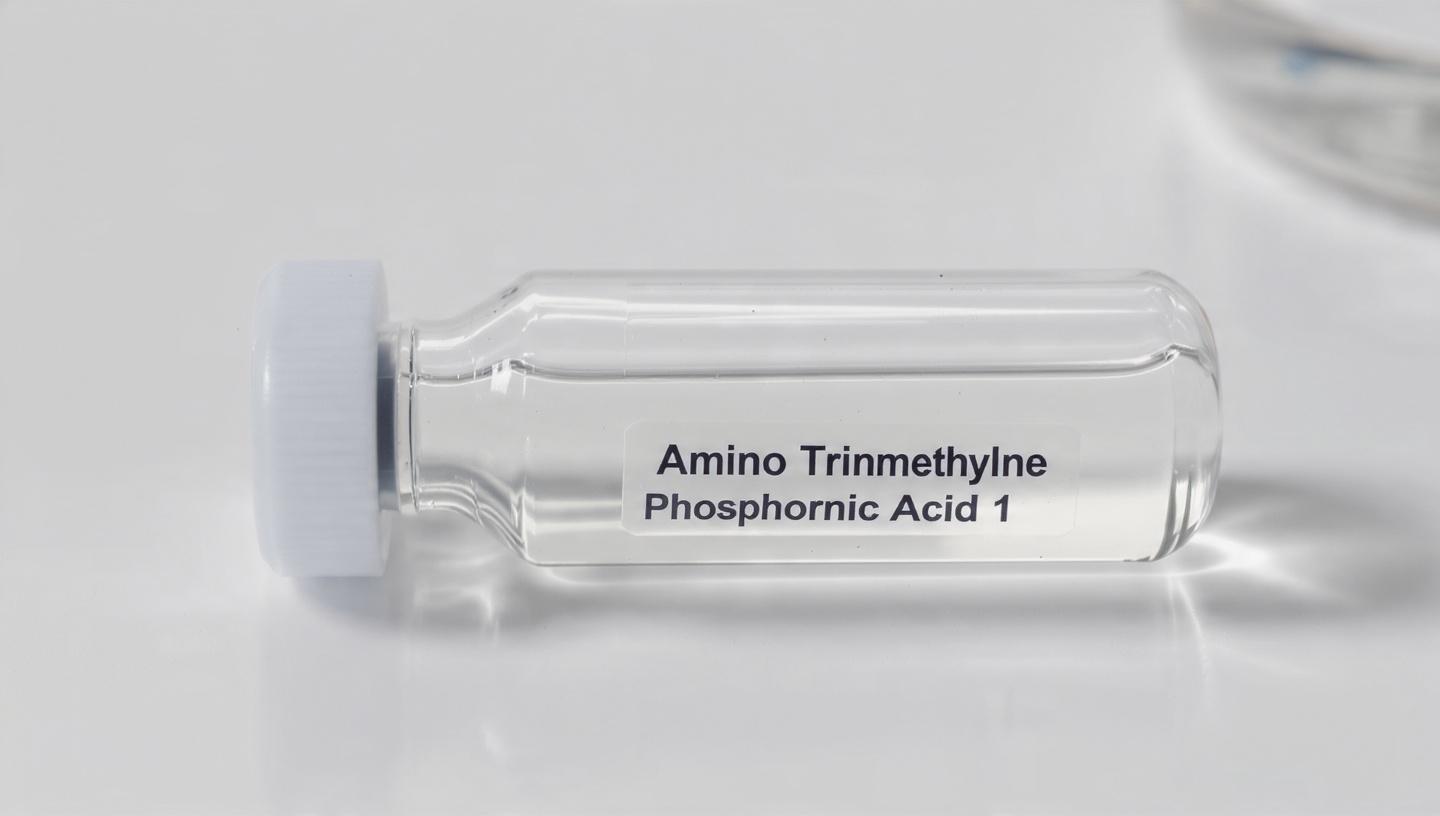
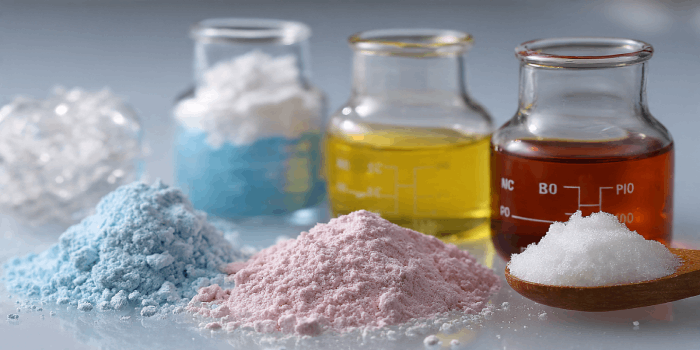
• Monoethanolamine (MEA) Price Trend & Market Dynamics: Impact of Raw Material Costs, Industrial Demand Shifts, and Global Supply Chain Influences

    Monoethanolamine Price Trend commonly known as MEA, is a chemical used in many everyday industries, from gas treatment and detergents to pharmaceuticals and agriculture. Because it plays such a practical role, its price trend is closely watched by manufacturers, buyers, and traders. Over time, the monoethanolamine price trend has shown noticeable ups and downs, mainly influenced by raw material costs, energy prices, supply conditions, and overall market demand.
    In simple terms, monoethanolamine prices move much like other industrial chemicals. When production becomes expensive or supply tightens, prices rise. When raw materials are easily available and demand slows, prices soften. Understanding this trend does not require deep technical knowledge; it mostly reflects common market behavior.

    Please Submit Your Query for Monoethanolamine Price Trend, demand-supply, suppliers, market analysis:https://www.price-watch.ai/book-a-demo/

    Factors Influencing Monoethanolamine Price Trend

    One of the biggest drivers of the monoethanolamine price trend is the cost of raw materials. Monoethanolamine is produced using ethylene oxide and ammonia, both of which are sensitive to changes in crude oil and natural gas prices. When energy costs increase, production expenses go up, and manufacturers often pass these costs on to buyers.
    Another important factor is demand from key industries. Gas processing, especially for removing acidic gases, uses a large amount of monoethanolamine. When oil and gas activity rises, demand for MEA increases, pushing prices upward. Similarly, the personal care and cleaning product industries also impact pricing, especially during periods of high consumer demand.
    Supply chain conditions also play a role. Any disruption such as plant shutdowns, maintenance work, transportation delays, or trade restrictions can affect availability. Even short-term supply issues can cause price fluctuations, especially in regions that rely heavily on imports.

    Regional Impact on Monoethanolamine Pricing

    The monoethanolamine price trend can differ across regions due to local production capacity and demand patterns. In regions with strong chemical manufacturing bases, prices tend to be more stable as supply is readily available. On the other hand, areas dependent on imports may see sharper price changes due to shipping costs and currency fluctuations.
    Economic conditions in different regions also influence pricing. For example, industrial growth in developing economies often leads to higher consumption of monoethanolamine, which can tighten supply and raise prices. In contrast, slower industrial activity in mature markets may keep prices under pressure.
    Government policies, environmental regulations, and energy pricing policies also affect regional price trends. Stricter environmental rules can increase production costs, while subsidies or relaxed regulations may help keep prices steady.

    Conclusion

    The monoethanolamine price trend reflects simple economic principles of supply, demand, and production cost. Influenced by raw materials, energy prices, industrial demand, and regional factors, MEA prices naturally rise and fall over time. While short-term fluctuations are common, the long-term trend remains relatively stable, supported by consistent demand across multiple industries. Understanding these everyday factors makes it easier to follow and anticipate changes in the monoethanolamine market without relying on complex analysis.

    Please Submit Your Query for Monoethanolamine Price Trend, demand-supply, suppliers, market analysis:https://www.price-watch.ai/book-a-demo/

    About Price Watchโ„ข AI

    Price-Watch AI is an India-based, independent raw material price reporting agency that provides real-time price forecasts and data-driven insights into global raw material markets. Price-Watch AI specializes in tracking raw material prices, analyzing market trends, and delivering timely updates on plant shutdowns, supply disruptions, capacity expansions, and demand-supply dynamics. The Price-Watch AI platform empowers manufacturers, traders, and procurement professionals to make faster, smarter decisions. Leveraging AI-powered forecasting and over a decade of historical data, Price-Watch AI transforms market volatility into actionable opportunity.

    Futura Tech Park,
    C Block, 8th floor 334,
    Old Mahabalipuram Road,
    Sholinganallur, Chennai,
    Tamil Nadu, Pincode - 600119.

    LinkedIn: https://www.linkedin.com/company/price-watch-ai/
    Facebook: https://www.facebook.com/people/Price-Watch/61568490385598/
    Twitter: https://x.com/pricewatchai
    Website: https://www.price-watch.ai/

    Monoethanolamine (MEA) Price Trend & Market Dynamics: Impact of Raw Material Costs, Industrial Demand Shifts, and Global Supply Chain Influences Monoethanolamine Price Trend commonly known as MEA, is a chemical used in many everyday industries, from gas treatment and detergents to pharmaceuticals and agriculture. Because it plays such a practical role, its price trend is closely watched by manufacturers, buyers, and traders. Over time, the monoethanolamine price trend has shown noticeable ups and downs, mainly influenced by raw material costs, energy prices, supply conditions, and overall market demand. In simple terms, monoethanolamine prices move much like other industrial chemicals. When production becomes expensive or supply tightens, prices rise. When raw materials are easily available and demand slows, prices soften. Understanding this trend does not require deep technical knowledge; it mostly reflects common market behavior. ๐Ÿ‘‰ ๐Ÿ‘‰ ๐Ÿ‘‰ Please Submit Your Query for Monoethanolamine Price Trend, demand-supply, suppliers, market analysis:https://www.price-watch.ai/book-a-demo/ Factors Influencing Monoethanolamine Price Trend One of the biggest drivers of the monoethanolamine price trend is the cost of raw materials. Monoethanolamine is produced using ethylene oxide and ammonia, both of which are sensitive to changes in crude oil and natural gas prices. When energy costs increase, production expenses go up, and manufacturers often pass these costs on to buyers. Another important factor is demand from key industries. Gas processing, especially for removing acidic gases, uses a large amount of monoethanolamine. When oil and gas activity rises, demand for MEA increases, pushing prices upward. Similarly, the personal care and cleaning product industries also impact pricing, especially during periods of high consumer demand. Supply chain conditions also play a role. Any disruption such as plant shutdowns, maintenance work, transportation delays, or trade restrictions can affect availability. Even short-term supply issues can cause price fluctuations, especially in regions that rely heavily on imports. Regional Impact on Monoethanolamine Pricing The monoethanolamine price trend can differ across regions due to local production capacity and demand patterns. In regions with strong chemical manufacturing bases, prices tend to be more stable as supply is readily available. On the other hand, areas dependent on imports may see sharper price changes due to shipping costs and currency fluctuations. Economic conditions in different regions also influence pricing. For example, industrial growth in developing economies often leads to higher consumption of monoethanolamine, which can tighten supply and raise prices. In contrast, slower industrial activity in mature markets may keep prices under pressure. Government policies, environmental regulations, and energy pricing policies also affect regional price trends. Stricter environmental rules can increase production costs, while subsidies or relaxed regulations may help keep prices steady. Conclusion The monoethanolamine price trend reflects simple economic principles of supply, demand, and production cost. Influenced by raw materials, energy prices, industrial demand, and regional factors, MEA prices naturally rise and fall over time. While short-term fluctuations are common, the long-term trend remains relatively stable, supported by consistent demand across multiple industries. Understanding these everyday factors makes it easier to follow and anticipate changes in the monoethanolamine market without relying on complex analysis. ๐Ÿ‘‰ ๐Ÿ‘‰ ๐Ÿ‘‰ Please Submit Your Query for Monoethanolamine Price Trend, demand-supply, suppliers, market analysis:https://www.price-watch.ai/book-a-demo/ About Price Watch™ AI Price-Watch AI is an India-based, independent raw material price reporting agency that provides real-time price forecasts and data-driven insights into global raw material markets. Price-Watch AI specializes in tracking raw material prices, analyzing market trends, and delivering timely updates on plant shutdowns, supply disruptions, capacity expansions, and demand-supply dynamics. The Price-Watch AI platform empowers manufacturers, traders, and procurement professionals to make faster, smarter decisions. Leveraging AI-powered forecasting and over a decade of historical data, Price-Watch AI transforms market volatility into actionable opportunity. Futura Tech Park, C Block, 8th floor 334, Old Mahabalipuram Road, Sholinganallur, Chennai, Tamil Nadu, Pincode - 600119. LinkedIn: https://www.linkedin.com/company/price-watch-ai/ Facebook: https://www.facebook.com/people/Price-Watch/61568490385598/ Twitter: https://x.com/pricewatchai Website: https://www.price-watch.ai/

    0 Commenti 0 condivisioni 170 Views 0 Anteprima
  • Sodium Silicate Price Trend Report: Historical Performance, Key Influencing Factors, Trade Analysis, and Price Forecast Through 2030

    Sodium silicate is a widely used industrial chemical that most people may not think about in daily life, yet it quietly supports many products and industries. From detergents and paper to construction materials and water treatment, sodium silicate plays an important role. Because it is used so broadly, changes in its price often reflect larger movements in energy costs, raw materials, and overall industrial activity. Understanding the sodium silicate price trend helps businesses plan better and gives insight into how manufacturing markets behave over time.

    Please Submit Your Query for Sodium Silicate Price Trend, demand-supply, suppliers, market analysis:https://www.price-watch.ai/book-a-demo/

    What Sodium Silicate Is and Why It Matters

    Sodium silicate is made by combining silica, usually sourced from sand, with sodium carbonate at high temperatures. This process sounds simple, but it relies heavily on energy and stable raw material supply. As a result, the price of sodium silicate is closely linked to the cost of sand, soda ash, fuel, and electricity. When any of these inputs become more expensive or harder to source, the final price of sodium silicate tends to move upward.
    Industries value sodium silicate for its versatility. It acts as a binder, adhesive, and sealing agent, and it also has useful chemical properties that make it effective in cleaning and protective applications. Because demand comes from many sectors, price trends often show steady movement rather than sudden spikes, unless there is a major disruption.

    Key Factors Influencing Sodium Silicate Prices

    One of the most important factors affecting the sodium silicate price trend is energy cost. Manufacturing sodium silicate requires high heat, so fluctuations in fuel and electricity prices directly impact production expenses. When energy prices rise, producers often pass some of that cost along to buyers, leading to gradual price increases.
    Raw material availability also plays a big role. While sand is generally abundant, the quality required for industrial-grade sodium silicate can vary by region. Transportation costs add another layer, especially when materials or finished products must be moved over long distances. In periods of high fuel prices or logistical challenges, sodium silicate prices tend to feel the pressure.
    Environmental regulations can also influence pricing. As governments tighten rules around emissions and waste management, producers may need to invest more in cleaner technologies. These investments can raise production costs, which may slowly reflect in the market price.

    Demand Patterns Across Industries

    Demand trends strongly shape sodium silicate pricing. Construction and infrastructure projects often boost consumption because sodium silicate is used in cement, concrete treatments, and soil stabilization. When construction activity is strong, demand increases, which can support higher prices.
    The detergent and cleaning product sector is another steady source of demand. Household and industrial cleaning needs rarely disappear, even during economic slowdowns. This consistent demand helps keep sodium silicate prices relatively stable compared to more volatile chemicals.
    Paper and pulp manufacturing also rely on sodium silicate, particularly in regions where paper production remains high. Shifts toward digital media have reduced paper use in some areas, but packaging and specialty papers continue to support demand.

    Please Submit Your Query for Sodium Silicate Price Trend, demand-supply, suppliers, market analysis:https://www.price-watch.ai/book-a-demo/

    About Price Watchโ„ข AI

    Price-Watch AI is an India-based, independent raw material price reporting agency that provides real-time price forecasts and data-driven insights into global raw material markets. Price-Watch AI specializes in tracking raw material prices, analyzing market trends, and delivering timely updates on plant shutdowns, supply disruptions, capacity expansions, and demand-supply dynamics. The Price-Watch AI platform empowers manufacturers, traders, and procurement professionals to make faster, smarter decisions. Leveraging AI-powered forecasting and over a decade of historical data, Price-Watch AI transforms market volatility into actionable opportunity.

    Futura Tech Park,
    C Block, 8th floor 334,
    Old Mahabalipuram Road,
    Sholinganallur, Chennai,
    Tamil Nadu, Pincode - 600119.

    LinkedIn: https://www.linkedin.com/company/price-watch-ai/
    Facebook: https://www.facebook.com/people/Price-Watch/61568490385598/
    Twitter: https://x.com/pricewatchai
    Website: https://www.price-watch.ai/

    Sodium Silicate Price Trend Report: Historical Performance, Key Influencing Factors, Trade Analysis, and Price Forecast Through 2030 Sodium silicate is a widely used industrial chemical that most people may not think about in daily life, yet it quietly supports many products and industries. From detergents and paper to construction materials and water treatment, sodium silicate plays an important role. Because it is used so broadly, changes in its price often reflect larger movements in energy costs, raw materials, and overall industrial activity. Understanding the sodium silicate price trend helps businesses plan better and gives insight into how manufacturing markets behave over time. ๐Ÿ‘‰ ๐Ÿ‘‰ ๐Ÿ‘‰ Please Submit Your Query for Sodium Silicate Price Trend, demand-supply, suppliers, market analysis:https://www.price-watch.ai/book-a-demo/ What Sodium Silicate Is and Why It Matters Sodium silicate is made by combining silica, usually sourced from sand, with sodium carbonate at high temperatures. This process sounds simple, but it relies heavily on energy and stable raw material supply. As a result, the price of sodium silicate is closely linked to the cost of sand, soda ash, fuel, and electricity. When any of these inputs become more expensive or harder to source, the final price of sodium silicate tends to move upward. Industries value sodium silicate for its versatility. It acts as a binder, adhesive, and sealing agent, and it also has useful chemical properties that make it effective in cleaning and protective applications. Because demand comes from many sectors, price trends often show steady movement rather than sudden spikes, unless there is a major disruption. Key Factors Influencing Sodium Silicate Prices One of the most important factors affecting the sodium silicate price trend is energy cost. Manufacturing sodium silicate requires high heat, so fluctuations in fuel and electricity prices directly impact production expenses. When energy prices rise, producers often pass some of that cost along to buyers, leading to gradual price increases. Raw material availability also plays a big role. While sand is generally abundant, the quality required for industrial-grade sodium silicate can vary by region. Transportation costs add another layer, especially when materials or finished products must be moved over long distances. In periods of high fuel prices or logistical challenges, sodium silicate prices tend to feel the pressure. Environmental regulations can also influence pricing. As governments tighten rules around emissions and waste management, producers may need to invest more in cleaner technologies. These investments can raise production costs, which may slowly reflect in the market price. Demand Patterns Across Industries Demand trends strongly shape sodium silicate pricing. Construction and infrastructure projects often boost consumption because sodium silicate is used in cement, concrete treatments, and soil stabilization. When construction activity is strong, demand increases, which can support higher prices. The detergent and cleaning product sector is another steady source of demand. Household and industrial cleaning needs rarely disappear, even during economic slowdowns. This consistent demand helps keep sodium silicate prices relatively stable compared to more volatile chemicals. Paper and pulp manufacturing also rely on sodium silicate, particularly in regions where paper production remains high. Shifts toward digital media have reduced paper use in some areas, but packaging and specialty papers continue to support demand. ๐Ÿ‘‰ ๐Ÿ‘‰ ๐Ÿ‘‰ Please Submit Your Query for Sodium Silicate Price Trend, demand-supply, suppliers, market analysis:https://www.price-watch.ai/book-a-demo/ About Price Watch™ AI Price-Watch AI is an India-based, independent raw material price reporting agency that provides real-time price forecasts and data-driven insights into global raw material markets. Price-Watch AI specializes in tracking raw material prices, analyzing market trends, and delivering timely updates on plant shutdowns, supply disruptions, capacity expansions, and demand-supply dynamics. The Price-Watch AI platform empowers manufacturers, traders, and procurement professionals to make faster, smarter decisions. Leveraging AI-powered forecasting and over a decade of historical data, Price-Watch AI transforms market volatility into actionable opportunity. Futura Tech Park, C Block, 8th floor 334, Old Mahabalipuram Road, Sholinganallur, Chennai, Tamil Nadu, Pincode - 600119. LinkedIn: https://www.linkedin.com/company/price-watch-ai/ Facebook: https://www.facebook.com/people/Price-Watch/61568490385598/ Twitter: https://x.com/pricewatchai Website: https://www.price-watch.ai/
    0 Commenti 0 condivisioni 379 Views 0 Anteprima
  • The Phosphoric Acid price trend has remained a key point of attention for fertilizer producers, food processors, and industrial buyers due to its strong link with agricultural cycles, phosphate rock availability, and global trade movements. Phosphoric Acid is a critical intermediate for phosphate fertilizers, animal feed additives, detergents, and food-grade applications, making its pricing highly sensitive to both upstream and downstream dynamics.

    Read full price analysis: https://www.price-watch.ai/phosphoric-acid-prices/
    The Phosphoric Acid price trend has remained a key point of attention for fertilizer producers, food processors, and industrial buyers due to its strong link with agricultural cycles, phosphate rock availability, and global trade movements. Phosphoric Acid is a critical intermediate for phosphate fertilizers, animal feed additives, detergents, and food-grade applications, making its pricing highly sensitive to both upstream and downstream dynamics. Read full price analysis: https://www.price-watch.ai/phosphoric-acid-prices/
    WWW.PRICE-WATCH.AI
    Phosphoric Acid
    Phosphoric acid price trend with weekly pricing forecasts, Index, supply and demand, production, historical data and market trends.
    0 Commenti 0 condivisioni 347 Views 0 Anteprima
  • Amino Trimethylene Phosphonic Acid Price Trend Analysis and Market Overview

    The Amino Trimethylene Phosphonic Acid price trend has become an important topic for many industries that depend on this chemical for daily operations. Commonly known as ATMP, this compound is widely used in water treatment, detergents, oil fields, and industrial cleaning processes.

    Read More- https://www.price-watch.ai/amino-trimethylene-phosphoric-acid-prices/
    Amino Trimethylene Phosphonic Acid Price Trend Analysis and Market Overview The Amino Trimethylene Phosphonic Acid price trend has become an important topic for many industries that depend on this chemical for daily operations. Commonly known as ATMP, this compound is widely used in water treatment, detergents, oil fields, and industrial cleaning processes. Read More- https://www.price-watch.ai/amino-trimethylene-phosphoric-acid-prices/
    0 Commenti 0 condivisioni 390 Views 0 Anteprima
  • The Caustic Soda price trend remains a key reference point for industries such as alumina, pulp and paper, textiles, soaps, detergents, and water treatment. Caustic soda accounts for nearly 30–35% of total chemical input costs in several downstream processes, making price tracking essential. Understanding the Caustic Soda price trend helps businesses plan production and control operating expenses.

    Read the full original report: https://www.price-watch.ai/caustic-soda-prices/
    The Caustic Soda price trend remains a key reference point for industries such as alumina, pulp and paper, textiles, soaps, detergents, and water treatment. Caustic soda accounts for nearly 30–35% of total chemical input costs in several downstream processes, making price tracking essential. Understanding the Caustic Soda price trend helps businesses plan production and control operating expenses. Read the full original report: https://www.price-watch.ai/caustic-soda-prices/
    WWW.PRICE-WATCH.AI
    Caustic Soda
    Caustic soda price trends analysis with weekly forecasts, historical data, demand-supply, outlook and market trends.
    0 Commenti 0 condivisioni 229 Views 0 Anteprima
  • The Benzene Price Trend is closely followed by companies involved in chemicals, plastics, resins, and synthetic materials. Benzene is a basic building block used to make many everyday products, including plastics, synthetic fibers, rubber, detergents, and resins. Because of its wide use, changes in benzene prices affect a large number of industries. In the third quarter of 2025, the global Benzene Price Trend showed mixed movement, with prices staying mostly stable but facing mild downward pressure in some regions.

    Read full report analysis: https://www.price-watch.ai/benzene-prices/
    The Benzene Price Trend is closely followed by companies involved in chemicals, plastics, resins, and synthetic materials. Benzene is a basic building block used to make many everyday products, including plastics, synthetic fibers, rubber, detergents, and resins. Because of its wide use, changes in benzene prices affect a large number of industries. In the third quarter of 2025, the global Benzene Price Trend showed mixed movement, with prices staying mostly stable but facing mild downward pressure in some regions. Read full report analysis: https://www.price-watch.ai/benzene-prices/
    WWW.PRICE-WATCH.AI
    Benzene
    Benzene price trends analysis with pricing forecast, demand supply, market trends, historical data, spot prices, production and shutdowns.
    0 Commenti 0 condivisioni 202 Views 0 Anteprima
  • The Oleic Acid Price Trend is something many industries pay close attention to, even if most everyday consumers are not aware of it. Oleic acid is widely used in products people use daily, such as soaps, detergents, cosmetics, food items, pharmaceuticals, and industrial lubricants. Because it comes mainly from natural oils like palm oil, soybean oil, and sunflower oil, its pricing is closely connected to agriculture, weather, labor availability, and global trade conditions.

    Read full report analysis: https://www.price-watch.ai/oleic-acid-prices/
    The Oleic Acid Price Trend is something many industries pay close attention to, even if most everyday consumers are not aware of it. Oleic acid is widely used in products people use daily, such as soaps, detergents, cosmetics, food items, pharmaceuticals, and industrial lubricants. Because it comes mainly from natural oils like palm oil, soybean oil, and sunflower oil, its pricing is closely connected to agriculture, weather, labor availability, and global trade conditions. Read full report analysis: https://www.price-watch.ai/oleic-acid-prices/
    0 Commenti 0 condivisioni 295 Views 0 Anteprima
  • The Fatty Alcohol Price Trend during the second quarter of 2025 reflected a period of moderate recovery after a softer start to the year. Fatty alcohols, especially C12–14 grades, are widely used in everyday products such as shampoos, soaps, detergents, and household cleaners. Because these products are part of daily life, changes in fatty alcohol prices are often linked to both industrial activity and consumer demand.

    To know more about Fatty Alcohol: https://www.price-watch.ai/fatty-alcohol-prices/
    The Fatty Alcohol Price Trend during the second quarter of 2025 reflected a period of moderate recovery after a softer start to the year. Fatty alcohols, especially C12–14 grades, are widely used in everyday products such as shampoos, soaps, detergents, and household cleaners. Because these products are part of daily life, changes in fatty alcohol prices are often linked to both industrial activity and consumer demand. To know more about Fatty Alcohol: https://www.price-watch.ai/fatty-alcohol-prices/
    0 Commenti 0 condivisioni 139 Views 0 Anteprima
  • A conversation between Me and Shopkeeper
    My love for Good mama detergent

    I was at rumudara junction Portharcourt today to get some few things.

    So I entered this favorite shop of mine

    ME: Hello, I want to buy Good mama detergent

    Shopkeeper – Sure, ma. We have it.

    ME: I would need two Good mama detergent
    (Lemon fresh )

    Shopkeeper – Okay, ma. (goes inside the shop to bring out the detergent needed) Sorry ma, we are out of lemon fresh, but we have floral fresh.
    ME – No No No.if is not lemon Fresh it is not lemon fresh . I no the buy

    Shopkeeper – ma am sorry we will restock by Saturday ma.

    ME – ok good bye next time.

    Shopkeeper – Thank you, ma. Have a nice day, and please visit us
    .
    ME: Alright,

    So I ended up buying it from another store
    Good mama for very home
    Have you try Good mama (lemon fresh) if No please do you will love it.
    #Detergent
    #goodmamadetergent
    #viewers
    #viralpost2025ใ‚ท
    A conversation between Me ๐Ÿค๐Ÿคand Shopkeeper My love for Good mama detergent โค๏ธโค๏ธโค๏ธ I was at rumudara junction Portharcourt today to get some few things. So I entered this favorite shop of mine ๐ŸŒน๐ŸŒน ME: Hello, I want to buy Good mama detergent ๐Ÿค๐Ÿค Shopkeeper – Sure, ma. We have it๐Ÿ˜€๐Ÿ˜€. ME: I would need two Good mama detergent (Lemon fresh )๐Ÿ˜€๐Ÿ˜€๐Ÿ˜€ Shopkeeper – Okay, ma. (goes inside the shop to bring out the detergent needed) Sorry ma, we are out of lemon fresh, but we have floral fresh. ME – No No No.if is not lemon Fresh it is not lemon fresh . I no the buy ๐Ÿ˜€๐Ÿ˜€๐Ÿ˜€ Shopkeeper – ma am sorry we will restock by Saturday ma.๐Ÿค๐Ÿค ME – ok good bye next time.๐Ÿค Shopkeeper – Thank you, ma. Have a nice day, and please visit us๐Ÿค . ME: Alright, So I ended up buying it from another store Good mama for very home ๐Ÿ˜ƒ๐Ÿ˜ƒ๐Ÿ˜ƒ Have you try Good mama (lemon fresh) if No please do you will love it.โค๏ธโค๏ธโค๏ธโค๏ธ #Detergent #goodmamadetergent #viewers #viralpost2025ใ‚ท
    Like
    Love
    Haha
    5
    0 Commenti 0 condivisioni 2K Views 0 Anteprima
Sponsorizzato
Sponsorizzato