


Toluene Diisocyanate (TDI) Price Trend Report: Historical Data, Current Market Scenario, Regional Insights, and Forecast Analysis
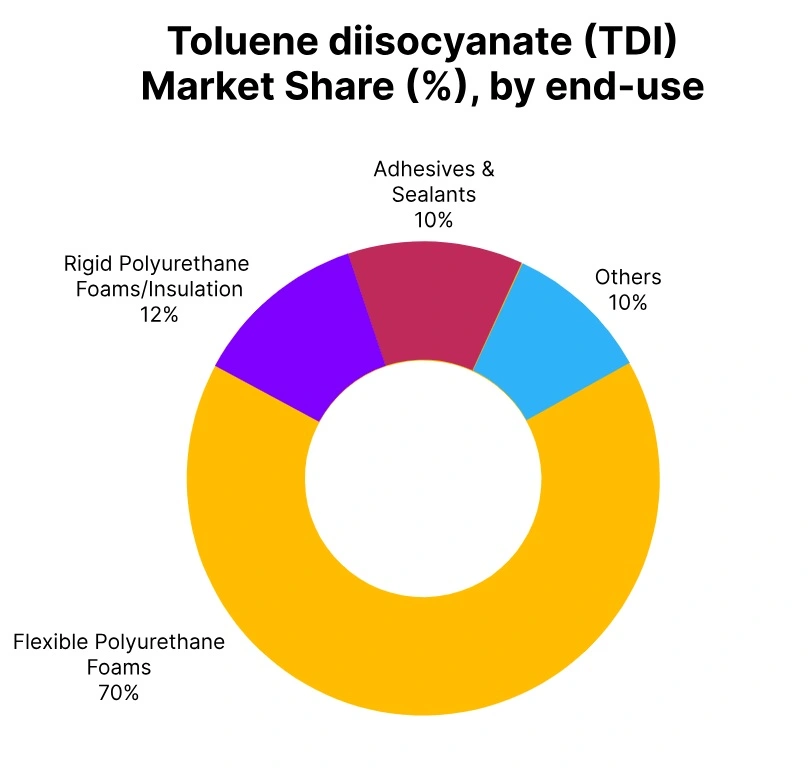
Toluene Diisocyanate, often called TDI, is a well-known chemical used mainly in the production of flexible polyurethane foams. These foams are commonly found in mattresses, sofas, car seats, and insulation materials. Because TDI is closely connected to everyday consumer products, its price trend reflects not only chemical market conditions but also broader economic activities. Over time, the Toluene Diisocyanate price trend has shown noticeable changes influenced by supply, demand, and global events.
Please Submit Your Query for Toluene Diisocyanate Price Trend, suppliers, market analysis:https://www.price-watch.ai/book-a-demo/
Basic Factors That Influence Toluene Diisocyanate Prices
The price of Toluene Diisocyanate is largely shaped by raw material costs. TDI is produced from petrochemical derivatives, so fluctuations in crude oil prices play a major role. When crude oil prices rise, production costs usually increase, which often leads to higher TDI prices. On the other hand, when oil prices fall, manufacturers may get some cost relief, which can stabilize or lower prices.
Another important factor is energy cost. Chemical manufacturing is energy-intensive, and any increase in electricity or fuel prices can directly affect TDI production expenses. Regions with high energy costs often see comparatively higher TDI prices, especially during periods of energy shortages or regulatory changes.
Demand Trends and Their Impact on Prices
Demand from end-use industries strongly affects the Toluene Diisocyanate price trend. The furniture and bedding industry is one of the largest consumers of TDI-based foam. When housing activity increases or consumer spending on home products rises, demand for flexible foam grows, pushing TDI prices upward. Similarly, growth in the automotive sector boosts TDI consumption, as vehicle seating and interior components rely heavily on polyurethane foam.
During periods of economic slowdown, demand from these sectors usually weakens. This reduced consumption can put downward pressure on prices, especially if supply remains steady. Seasonal demand also plays a role, as certain industries experience higher production during specific times of the year, leading to short-term price movements.
Supply Conditions and Production Challenges
Supply availability is another major driver of the Toluene Diisocyanate price trend. TDI production is concentrated among a limited number of manufacturers, and any disruption can have a strong impact on prices. Plant shutdowns, maintenance activities, or unexpected technical issues can reduce supply and create price spikes in the market.
Environmental regulations also affect supply. Chemical producers must comply with strict safety and emission standards. When new regulations are introduced, some plants may reduce operating rates or invest in upgrades, temporarily limiting output. This can tighten supply and lead to higher prices, even if demand remains unchanged.
Global Trade and Regional Price Differences
Toluene Diisocyanate is traded globally, and international trade conditions influence its price trend. Import and export policies, transportation costs, and currency exchange rates all contribute to regional price differences. For example, higher freight costs or port congestion can increase landed prices in importing regions.
Regional demand patterns also matter. Fast-growing economies with expanding construction and manufacturing sectors often see stronger TDI demand, which can keep prices firm. In contrast, mature markets may experience stable or slower demand growth, leading to more balanced pricing.
Please Submit Your Query for Toluene Diisocyanate Price Trend, suppliers, market analysis:https://www.price-watch.ai/book-a-demo/
About Price Watch™ AI
Price-Watch AI is an India-based, independent raw material price reporting agency that provides real-time price forecasts and data-driven insights into global raw material markets. Price-Watch AI specializes in tracking raw material prices, analyzing market trends, and delivering timely updates on plant shutdowns, supply disruptions, capacity expansions, and demand-supply dynamics. The Price-Watch AI platform empowers manufacturers, traders, and procurement professionals to make faster, smarter decisions. Leveraging AI-powered forecasting and over a decade of historical data, Price-Watch AI transforms market volatility into actionable opportunity.
Futura Tech Park,
C Block, 8th floor 334,
Old Mahabalipuram Road,
Sholinganallur, Chennai,
Tamil Nadu, Pincode - 600119.
LinkedIn: https://www.linkedin.com/company/price-watch-ai/
Facebook: https://www.facebook.com/people/Price-Watch/61568490385598/
Twitter: https://x.com/pricewatchai
Website: https://www.price-watch.ai/
Toluene Diisocyanate, often called TDI, is a well-known chemical used mainly in the production of flexible polyurethane foams. These foams are commonly found in mattresses, sofas, car seats, and insulation materials. Because TDI is closely connected to everyday consumer products, its price trend reflects not only chemical market conditions but also broader economic activities. Over time, the Toluene Diisocyanate price trend has shown noticeable changes influenced by supply, demand, and global events.
Please Submit Your Query for Toluene Diisocyanate Price Trend, suppliers, market analysis:https://www.price-watch.ai/book-a-demo/
Basic Factors That Influence Toluene Diisocyanate Prices
The price of Toluene Diisocyanate is largely shaped by raw material costs. TDI is produced from petrochemical derivatives, so fluctuations in crude oil prices play a major role. When crude oil prices rise, production costs usually increase, which often leads to higher TDI prices. On the other hand, when oil prices fall, manufacturers may get some cost relief, which can stabilize or lower prices.
Another important factor is energy cost. Chemical manufacturing is energy-intensive, and any increase in electricity or fuel prices can directly affect TDI production expenses. Regions with high energy costs often see comparatively higher TDI prices, especially during periods of energy shortages or regulatory changes.
Demand Trends and Their Impact on Prices
Demand from end-use industries strongly affects the Toluene Diisocyanate price trend. The furniture and bedding industry is one of the largest consumers of TDI-based foam. When housing activity increases or consumer spending on home products rises, demand for flexible foam grows, pushing TDI prices upward. Similarly, growth in the automotive sector boosts TDI consumption, as vehicle seating and interior components rely heavily on polyurethane foam.
During periods of economic slowdown, demand from these sectors usually weakens. This reduced consumption can put downward pressure on prices, especially if supply remains steady. Seasonal demand also plays a role, as certain industries experience higher production during specific times of the year, leading to short-term price movements.
Supply Conditions and Production Challenges
Supply availability is another major driver of the Toluene Diisocyanate price trend. TDI production is concentrated among a limited number of manufacturers, and any disruption can have a strong impact on prices. Plant shutdowns, maintenance activities, or unexpected technical issues can reduce supply and create price spikes in the market.
Environmental regulations also affect supply. Chemical producers must comply with strict safety and emission standards. When new regulations are introduced, some plants may reduce operating rates or invest in upgrades, temporarily limiting output. This can tighten supply and lead to higher prices, even if demand remains unchanged.
Global Trade and Regional Price Differences
Toluene Diisocyanate is traded globally, and international trade conditions influence its price trend. Import and export policies, transportation costs, and currency exchange rates all contribute to regional price differences. For example, higher freight costs or port congestion can increase landed prices in importing regions.
Regional demand patterns also matter. Fast-growing economies with expanding construction and manufacturing sectors often see stronger TDI demand, which can keep prices firm. In contrast, mature markets may experience stable or slower demand growth, leading to more balanced pricing.
Please Submit Your Query for Toluene Diisocyanate Price Trend, suppliers, market analysis:https://www.price-watch.ai/book-a-demo/
About Price Watch™ AI
Price-Watch AI is an India-based, independent raw material price reporting agency that provides real-time price forecasts and data-driven insights into global raw material markets. Price-Watch AI specializes in tracking raw material prices, analyzing market trends, and delivering timely updates on plant shutdowns, supply disruptions, capacity expansions, and demand-supply dynamics. The Price-Watch AI platform empowers manufacturers, traders, and procurement professionals to make faster, smarter decisions. Leveraging AI-powered forecasting and over a decade of historical data, Price-Watch AI transforms market volatility into actionable opportunity.
Futura Tech Park,
C Block, 8th floor 334,
Old Mahabalipuram Road,
Sholinganallur, Chennai,
Tamil Nadu, Pincode - 600119.
LinkedIn: https://www.linkedin.com/company/price-watch-ai/
Facebook: https://www.facebook.com/people/Price-Watch/61568490385598/
Twitter: https://x.com/pricewatchai
Website: https://www.price-watch.ai/
Toluene Diisocyanate (TDI) Price Trend Report: Historical Data, Current Market Scenario, Regional Insights, and Forecast Analysis
Toluene Diisocyanate, often called TDI, is a well-known chemical used mainly in the production of flexible polyurethane foams. These foams are commonly found in mattresses, sofas, car seats, and insulation materials. Because TDI is closely connected to everyday consumer products, its price trend reflects not only chemical market conditions but also broader economic activities. Over time, the Toluene Diisocyanate price trend has shown noticeable changes influenced by supply, demand, and global events.
👉 👉 👉 Please Submit Your Query for Toluene Diisocyanate Price Trend, suppliers, market analysis:https://www.price-watch.ai/book-a-demo/
Basic Factors That Influence Toluene Diisocyanate Prices
The price of Toluene Diisocyanate is largely shaped by raw material costs. TDI is produced from petrochemical derivatives, so fluctuations in crude oil prices play a major role. When crude oil prices rise, production costs usually increase, which often leads to higher TDI prices. On the other hand, when oil prices fall, manufacturers may get some cost relief, which can stabilize or lower prices.
Another important factor is energy cost. Chemical manufacturing is energy-intensive, and any increase in electricity or fuel prices can directly affect TDI production expenses. Regions with high energy costs often see comparatively higher TDI prices, especially during periods of energy shortages or regulatory changes.
Demand Trends and Their Impact on Prices
Demand from end-use industries strongly affects the Toluene Diisocyanate price trend. The furniture and bedding industry is one of the largest consumers of TDI-based foam. When housing activity increases or consumer spending on home products rises, demand for flexible foam grows, pushing TDI prices upward. Similarly, growth in the automotive sector boosts TDI consumption, as vehicle seating and interior components rely heavily on polyurethane foam.
During periods of economic slowdown, demand from these sectors usually weakens. This reduced consumption can put downward pressure on prices, especially if supply remains steady. Seasonal demand also plays a role, as certain industries experience higher production during specific times of the year, leading to short-term price movements.
Supply Conditions and Production Challenges
Supply availability is another major driver of the Toluene Diisocyanate price trend. TDI production is concentrated among a limited number of manufacturers, and any disruption can have a strong impact on prices. Plant shutdowns, maintenance activities, or unexpected technical issues can reduce supply and create price spikes in the market.
Environmental regulations also affect supply. Chemical producers must comply with strict safety and emission standards. When new regulations are introduced, some plants may reduce operating rates or invest in upgrades, temporarily limiting output. This can tighten supply and lead to higher prices, even if demand remains unchanged.
Global Trade and Regional Price Differences
Toluene Diisocyanate is traded globally, and international trade conditions influence its price trend. Import and export policies, transportation costs, and currency exchange rates all contribute to regional price differences. For example, higher freight costs or port congestion can increase landed prices in importing regions.
Regional demand patterns also matter. Fast-growing economies with expanding construction and manufacturing sectors often see stronger TDI demand, which can keep prices firm. In contrast, mature markets may experience stable or slower demand growth, leading to more balanced pricing.
👉 👉 👉 Please Submit Your Query for Toluene Diisocyanate Price Trend, suppliers, market analysis:https://www.price-watch.ai/book-a-demo/
About Price Watch™ AI
Price-Watch AI is an India-based, independent raw material price reporting agency that provides real-time price forecasts and data-driven insights into global raw material markets. Price-Watch AI specializes in tracking raw material prices, analyzing market trends, and delivering timely updates on plant shutdowns, supply disruptions, capacity expansions, and demand-supply dynamics. The Price-Watch AI platform empowers manufacturers, traders, and procurement professionals to make faster, smarter decisions. Leveraging AI-powered forecasting and over a decade of historical data, Price-Watch AI transforms market volatility into actionable opportunity.
Futura Tech Park,
C Block, 8th floor 334,
Old Mahabalipuram Road,
Sholinganallur, Chennai,
Tamil Nadu, Pincode - 600119.
LinkedIn: https://www.linkedin.com/company/price-watch-ai/
Facebook: https://www.facebook.com/people/Price-Watch/61568490385598/
Twitter: https://x.com/pricewatchai
Website: https://www.price-watch.ai/
0 Commenti
0 condivisioni
3 Views
0 Anteprima









 English
 Arabic
 French
 Spanish
 Portuguese
 Deutsch
 Turkish
 Dutch
Dutch
 Russian
 Romaian
 Portuguese (Brazil)
 Greek
Greek