• What Impact Will Technology Have on Mega Millions America in the Future?

    Technology is expected to play a major role in shaping the future of Mega Millions America. From secure digital ticket purchases to advanced data analytics, innovation can improve transparency, fairness, and player convenience. To understand these changes in detail and how Mega Millions may adapt, it’s a good idea to read a dedicated blog that explores future trends and insights. Read more- https://lottotalks.weebly.com/home/how-is-technology-shaping-the-future-of-mega-millions-america
    What Impact Will Technology Have on Mega Millions America in the Future? Technology is expected to play a major role in shaping the future of Mega Millions America. From secure digital ticket purchases to advanced data analytics, innovation can improve transparency, fairness, and player convenience. To understand these changes in detail and how Mega Millions may adapt, it’s a good idea to read a dedicated blog that explores future trends and insights. Read more- https://lottotalks.weebly.com/home/how-is-technology-shaping-the-future-of-mega-millions-america
    0 Comentários 0 Compartilhamentos 173 Visualizações 0 Anterior
  • Data Analytics Outsourcing Market Report: Unlocking Growth Potential and Addressing Challenges

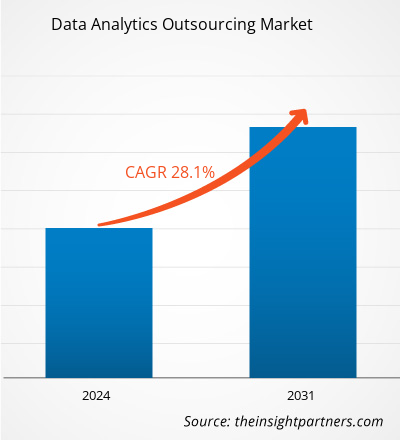
    Artificial Intelligence (AI has replaced humans in many elements of data analytics, requiring less manual labor. As a result, the nature of data analytics outsourcing focuses on how humans can efficiently design and train a ML model rather than managing an offshore staff. Large-scale data production has encouraged organizations to seek insights into consumer segmentation, understanding preferences within each category, staying current with behavioral changes, and personalization. Because of increased internet usage, enterprises now have access to a massive amount of organized and unstructured data.

    Read More - https://www.theinsightpartners.com/reports/data-analytics-outsourcing-market
    Data Analytics Outsourcing Market Report: Unlocking Growth Potential and Addressing Challenges Artificial Intelligence (AI has replaced humans in many elements of data analytics, requiring less manual labor. As a result, the nature of data analytics outsourcing focuses on how humans can efficiently design and train a ML model rather than managing an offshore staff. Large-scale data production has encouraged organizations to seek insights into consumer segmentation, understanding preferences within each category, staying current with behavioral changes, and personalization. Because of increased internet usage, enterprises now have access to a massive amount of organized and unstructured data. Read More - https://www.theinsightpartners.com/reports/data-analytics-outsourcing-market
    WWW.THEINSIGHTPARTNERS.COM
    Data Analytics Outsourcing Market Strategies by 2031
    Data Analytics Outsourcing Market demand is estimated to soar with a high CAGR to cross US$ 52.94 billion by 2031. Report presents growth drivers and scope
    0 Comentários 0 Compartilhamentos 372 Visualizações 0 Anterior
  • Predictive Hiring & AI in 2025

    Predictive hiring is transforming recruitment in 2025 by helping organizations forecast workforce needs before gaps appear. Using AI, data analytics, and historical hiring patterns, companies can now predict which roles will be in demand, when hiring spikes may occur, and what skills will drive future growth. This forward-looking approach reduces guesswork, shortens hiring cycles, and improves the quality of hires.
    AI-powered tools analyze candidate behavior, performance data, and job market trends to recommend the right talent at the right time. Instead of reacting to vacancies, businesses can build talent pipelines and stay ahead of competitors. Predictive hiring also supports smarter budgeting and workforce planning, making recruitment more strategic and data-driven.
    SmoothHiring helps organizations unlock the power of predictive hiring with intelligent recruitment automation. Its AI-driven platform identifies top candidates, streamlines applicant tracking, and highlights talent that aligns with future business needs. From job posting to candidate assessment and onboarding, SmoothHiring ensures every hiring decision is backed by data and insights.
    In 2025, predictive hiring isn’t just a trend—it’s a competitive advantage. With platforms like SmoothHiring, companies can forecast workforce needs, enhance talent quality, and build a future-ready team with confidence.

    Website LInk:
    https://smoothhiring.com/predictive-hiring-how-ai-is-forecasting-workforce-needs-in-2025/
    Predictive Hiring & AI in 2025 Predictive hiring is transforming recruitment in 2025 by helping organizations forecast workforce needs before gaps appear. Using AI, data analytics, and historical hiring patterns, companies can now predict which roles will be in demand, when hiring spikes may occur, and what skills will drive future growth. This forward-looking approach reduces guesswork, shortens hiring cycles, and improves the quality of hires. AI-powered tools analyze candidate behavior, performance data, and job market trends to recommend the right talent at the right time. Instead of reacting to vacancies, businesses can build talent pipelines and stay ahead of competitors. Predictive hiring also supports smarter budgeting and workforce planning, making recruitment more strategic and data-driven. SmoothHiring helps organizations unlock the power of predictive hiring with intelligent recruitment automation. Its AI-driven platform identifies top candidates, streamlines applicant tracking, and highlights talent that aligns with future business needs. From job posting to candidate assessment and onboarding, SmoothHiring ensures every hiring decision is backed by data and insights. In 2025, predictive hiring isn’t just a trend—it’s a competitive advantage. With platforms like SmoothHiring, companies can forecast workforce needs, enhance talent quality, and build a future-ready team with confidence. Website LInk: https://smoothhiring.com/predictive-hiring-how-ai-is-forecasting-workforce-needs-in-2025/
    SMOOTHHIRING.COM
    Predictive Hiring: How AI is Forecasting Workforce Needs in 2025
    Explore how AI-driven predictive hiring is shaping workforce planning and talent acquisition strategies for 2025 and beyond
    0 Comentários 0 Compartilhamentos 422 Visualizações 0 Anterior
  • Streamlining Coverage Worldwide: Insurance Automation Market Insights to 2031


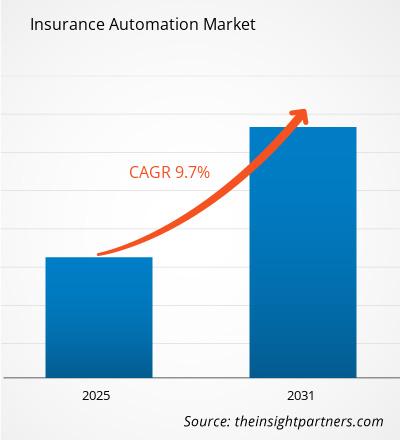
    Pune, India - Insurance automation streamlines everything from claims processing to policy underwriting, making coverage faster and more reliable for everyday people and businesses alike. These smart systems use AI and robotics to handle repetitive tasks, freeing agents to focus on personal service that builds real trust. The Insurance Automation Market is expected to register a CAGR of 9.7% from 2025 to 2031.

    Market Size, Share, Trends, Analysis, and Forecast by 2031

    Global Overview: The insurance automation market grows steadily through 2031, driven by digital shifts that prioritize speed and accuracy in customer interactions.
    Market Share Dynamics: Solutions like RPA dominate shares over services, with cloud deployments overtaking on-premise for flexibility.
    Key Trends: AI integration for fraud detection and chatbots reshapes operations, while personalized policies via data analytics become standard.
    Analysis Highlights: Claims processing leads applications, followed by compliance, as enterprises seek end-to-end efficiency.
    Forecast to 2031: Expansion continues with IoT and ML advancements, sustaining momentum across large and small insurers.
    Global and Regional Analysis

    North America leads with tech-savvy insurers in the US adopting RPA for competitive edges. Europe emphasizes regulatory compliance through automation in the UK and Germany. Asia-Pacific surges fastest, fueled by digital booms in India and China amid massive policyholder growth. Latin America and Middle East & Africa gain ground via mobile-first solutions and rising insurtech adoption.

    Key Drivers Accelerating Market Growth

    Digital transformation pushes insurers to automate for quicker claims and better satisfaction, cutting manual errors that frustrate customers. Rising fraud demands AI-powered detection, while customer expectations for instant service via apps drive chatbot and personalization tools. Cost pressures favor RPA for back-office tasks, enabling scalability as policies multiply.

    Get More Information: - https://www.theinsightpartners.com/reports/insurance-automation-market

    Key Players

    Acko General Insurance
    IBM Corporation
    Microsoft Corporation
    Shift Technology
    Zurich Insurance Group
    Lemonade
    Cape Analytics LLC
    Trov
    Quantemplate
    ZhongAn.
    Emerging Trends and Market Opportunities

    AI/ML for predictive underwriting opens doors to hyper-personalized premiums based on real-time data. IoT integration in usage-based insurance creates niches for automated risk assessment. Low-code platforms empower smaller firms, while blockchain enhances secure claims sharing. Expansion into emerging markets via mobile automation taps underserved populations.

    Recent Industry Developments

    In 2025, UiPath expanded RPA suites for insurance claims, reducing processing times dramatically. Salesforce launched Einstein for Insurance, boosting personalization. IBM partnered with carriers for AI fraud tools amid rising cyber threats. Oracle updated its Fusion platform with enhanced automation for compliance. These steps reflect a industry-wide push toward resilient, customer-centric operations.

    Conclusion

    Insurance automation reshapes how protection reaches people, blending tech with human touch for seamless experiences worldwide. As innovations mature and regions digitize, this field promises greater accessibility and trust for all. Forward-looking providers will thrive by embracing these changes head-on.

    About The Insight Partners

    The Insight Partners is a global leader in market research, delivering comprehensive analysis and actionable insights across diverse industries. The company empowers decision-makers with data-driven intelligence to navigate evolving markets and accelerate growth.

    Contact Us:

    Contact Person: Ankit Mathur
    E-mail: ankit.mathur@theinsightpartners.com
    Phone: +1-646-491-9876
    Also Available in :

    Korean | German | Japanese | French | Chinese | Italian | Spanish

    Streamlining Coverage Worldwide: Insurance Automation Market Insights to 2031 Pune, India - Insurance automation streamlines everything from claims processing to policy underwriting, making coverage faster and more reliable for everyday people and businesses alike. These smart systems use AI and robotics to handle repetitive tasks, freeing agents to focus on personal service that builds real trust. The Insurance Automation Market is expected to register a CAGR of 9.7% from 2025 to 2031. Market Size, Share, Trends, Analysis, and Forecast by 2031 Global Overview: The insurance automation market grows steadily through 2031, driven by digital shifts that prioritize speed and accuracy in customer interactions. Market Share Dynamics: Solutions like RPA dominate shares over services, with cloud deployments overtaking on-premise for flexibility. Key Trends: AI integration for fraud detection and chatbots reshapes operations, while personalized policies via data analytics become standard. Analysis Highlights: Claims processing leads applications, followed by compliance, as enterprises seek end-to-end efficiency. Forecast to 2031: Expansion continues with IoT and ML advancements, sustaining momentum across large and small insurers. Global and Regional Analysis North America leads with tech-savvy insurers in the US adopting RPA for competitive edges. Europe emphasizes regulatory compliance through automation in the UK and Germany. Asia-Pacific surges fastest, fueled by digital booms in India and China amid massive policyholder growth. Latin America and Middle East & Africa gain ground via mobile-first solutions and rising insurtech adoption. Key Drivers Accelerating Market Growth Digital transformation pushes insurers to automate for quicker claims and better satisfaction, cutting manual errors that frustrate customers. Rising fraud demands AI-powered detection, while customer expectations for instant service via apps drive chatbot and personalization tools. Cost pressures favor RPA for back-office tasks, enabling scalability as policies multiply. Get More Information: - https://www.theinsightpartners.com/reports/insurance-automation-market Key Players Acko General Insurance IBM Corporation Microsoft Corporation Shift Technology Zurich Insurance Group Lemonade Cape Analytics LLC Trov Quantemplate ZhongAn. Emerging Trends and Market Opportunities AI/ML for predictive underwriting opens doors to hyper-personalized premiums based on real-time data. IoT integration in usage-based insurance creates niches for automated risk assessment. Low-code platforms empower smaller firms, while blockchain enhances secure claims sharing. Expansion into emerging markets via mobile automation taps underserved populations. Recent Industry Developments In 2025, UiPath expanded RPA suites for insurance claims, reducing processing times dramatically. Salesforce launched Einstein for Insurance, boosting personalization. IBM partnered with carriers for AI fraud tools amid rising cyber threats. Oracle updated its Fusion platform with enhanced automation for compliance. These steps reflect a industry-wide push toward resilient, customer-centric operations. Conclusion Insurance automation reshapes how protection reaches people, blending tech with human touch for seamless experiences worldwide. As innovations mature and regions digitize, this field promises greater accessibility and trust for all. Forward-looking providers will thrive by embracing these changes head-on. About The Insight Partners The Insight Partners is a global leader in market research, delivering comprehensive analysis and actionable insights across diverse industries. The company empowers decision-makers with data-driven intelligence to navigate evolving markets and accelerate growth. Contact Us: Contact Person: Ankit Mathur E-mail: ankit.mathur@theinsightpartners.com Phone: +1-646-491-9876 Also Available in : Korean | German | Japanese | French | Chinese | Italian | Spanish

    WWW.THEINSIGHTPARTNERS.COM
    Insurance Automation Market SWOT and PEST Analysis 2021-2031
    Insurance Automation Market report includes organic growth strategies, top players, and opportunities. The market is expected to rise at 9.7% CAGR (2025-2031).
    0 Comentários 0 Compartilhamentos 1KB Visualizações 0 Anterior
  • AI Development Services for Intelligent Applications

    AI development focuses on designing intelligent systems using machine learning, data analytics, and automation. These solutions help businesses improve decision-making, optimize workflows, and deliver smarter digital experiences at scale.

    Explore more >>> https://vegavid.com/artificial-intelligence-development-company
    AI Development Services for Intelligent Applications AI development focuses on designing intelligent systems using machine learning, data analytics, and automation. These solutions help businesses improve decision-making, optimize workflows, and deliver smarter digital experiences at scale. Explore more >>> https://vegavid.com/artificial-intelligence-development-company
    VEGAVID.COM
    AI Development Company | AI Automation & AI Services
    Looking for AI development services? Vegavid builds custom AI solutions, from automation to enterprise AI software, tailored for scalable business growth.
    0 Comentários 0 Compartilhamentos 227 Visualizações 0 Anterior
  • Medical Imaging Phantoms Market Growth Driven by Patient Safety and Radiation Dose Reduction

    The global medical imaging phantoms market is witnessing steady growth, driven by rising emphasis on patient safety, radiation dose reduction, and the expanding adoption of advanced diagnostic and interventional imaging procedures. Valued at US$ 188.3 million in 2022, the market is projected to grow at a compound annual growth rate (CAGR) of 3.6% from 2023 to 2031, reaching US$ 257.7 million by the end of 2031.
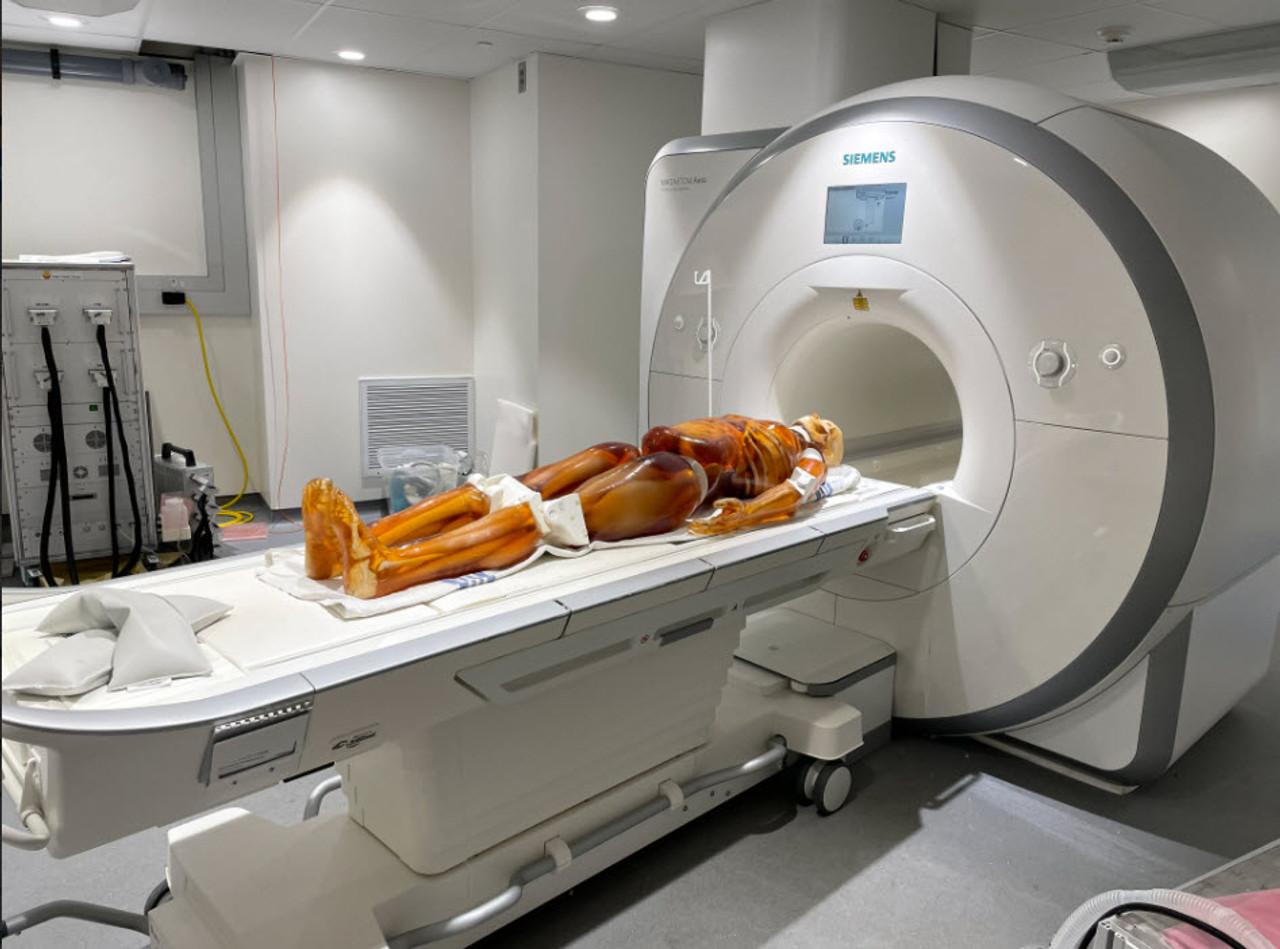
    Medical imaging phantoms are specially designed objects that simulate the physical and radiological properties of human tissues. They are widely used to test, calibrate, and validate medical imaging systems such as X-ray, fluoroscopy, ultrasound, CT, MRI, and nuclear imaging devices. By serving as reliable stand-ins for human anatomy, phantoms enable healthcare professionals and researchers to conduct repeated scans under controlled conditions without exposing patients to unnecessary radiation.
    Rising Focus on Patient Safety and Dose Optimization
    One of the key drivers of the medical imaging phantoms market is the growing focus on patient safety and radiation dose reduction. Imaging modalities such as CT and fluoroscopy involve exposure to ionizing radiation, which can increase long-term health risks. Phantoms equipped with dosimeters and radiation detectors allow clinicians to accurately measure and optimize radiation doses, ensuring compliance with safety standards while maintaining image quality.
    The demand for imaging phantoms has increased significantly with the rising adoption of interventional radiology (IR) procedures, particularly in the post-COVID-19 era. IR procedures are minimally invasive and were extensively used during the pandemic for catheter placements, angiography, embolization, and image-guided biopsies. Medical imaging phantoms play a critical role in training, quality assurance, and equipment calibration for these procedures, thereby supporting safer and more effective clinical outcomes.
    Personalized Medicine and Technological Advancements
    The growing shift toward personalized medicine is another major factor fueling market growth. Advanced imaging techniques, combined with big data analytics and machine learning, are enabling quantitative and automated image evaluation. High-precision imaging is essential for tailoring treatments to individual patients, and imaging phantoms help ensure the accuracy and reproducibility required for such applications.
    Technological innovation, particularly 3D printing, is transforming the medical imaging phantoms landscape. Additive manufacturing allows for the production of low-cost, customized, and reusable phantoms that closely replicate patient-specific anatomy. Vendors are increasingly using radiopaque 3D-printing materials to create models that mimic real tissues under X-ray and CT imaging. These advancements are helping overcome traditional challenges related to the high cost and limited customization of conventional phantoms.

    For More Details, Get Sample PDF Copy: https://www.transparencymarketresearch.com/sample/sample.php?flag=S&rep_id=45042


    Medical Imaging Phantoms Market Growth Driven by Patient Safety and Radiation Dose Reduction The global medical imaging phantoms market is witnessing steady growth, driven by rising emphasis on patient safety, radiation dose reduction, and the expanding adoption of advanced diagnostic and interventional imaging procedures. Valued at US$ 188.3 million in 2022, the market is projected to grow at a compound annual growth rate (CAGR) of 3.6% from 2023 to 2031, reaching US$ 257.7 million by the end of 2031. Medical imaging phantoms are specially designed objects that simulate the physical and radiological properties of human tissues. They are widely used to test, calibrate, and validate medical imaging systems such as X-ray, fluoroscopy, ultrasound, CT, MRI, and nuclear imaging devices. By serving as reliable stand-ins for human anatomy, phantoms enable healthcare professionals and researchers to conduct repeated scans under controlled conditions without exposing patients to unnecessary radiation. Rising Focus on Patient Safety and Dose Optimization One of the key drivers of the medical imaging phantoms market is the growing focus on patient safety and radiation dose reduction. Imaging modalities such as CT and fluoroscopy involve exposure to ionizing radiation, which can increase long-term health risks. Phantoms equipped with dosimeters and radiation detectors allow clinicians to accurately measure and optimize radiation doses, ensuring compliance with safety standards while maintaining image quality. The demand for imaging phantoms has increased significantly with the rising adoption of interventional radiology (IR) procedures, particularly in the post-COVID-19 era. IR procedures are minimally invasive and were extensively used during the pandemic for catheter placements, angiography, embolization, and image-guided biopsies. Medical imaging phantoms play a critical role in training, quality assurance, and equipment calibration for these procedures, thereby supporting safer and more effective clinical outcomes. Personalized Medicine and Technological Advancements The growing shift toward personalized medicine is another major factor fueling market growth. Advanced imaging techniques, combined with big data analytics and machine learning, are enabling quantitative and automated image evaluation. High-precision imaging is essential for tailoring treatments to individual patients, and imaging phantoms help ensure the accuracy and reproducibility required for such applications. Technological innovation, particularly 3D printing, is transforming the medical imaging phantoms landscape. Additive manufacturing allows for the production of low-cost, customized, and reusable phantoms that closely replicate patient-specific anatomy. Vendors are increasingly using radiopaque 3D-printing materials to create models that mimic real tissues under X-ray and CT imaging. These advancements are helping overcome traditional challenges related to the high cost and limited customization of conventional phantoms. For More Details, Get Sample PDF Copy: https://www.transparencymarketresearch.com/sample/sample.php?flag=S&rep_id=45042
    0 Comentários 0 Compartilhamentos 665 Visualizações 0 Anterior
  • Advancements in Technology Drive the Electronic Presses Market Forward

    New York, US, [16-12-2025] - The electronic presses market is on the cusp of substantial growth, driven by technological advancements and increasing demand across various industries. The Electronic Presses Market is expected to register a CAGR of XX% from 2025 to 2031, with a market size expanding from US$ XX million in 2024 to US$ XX Million by 2031.

    Understanding Electronic Presses
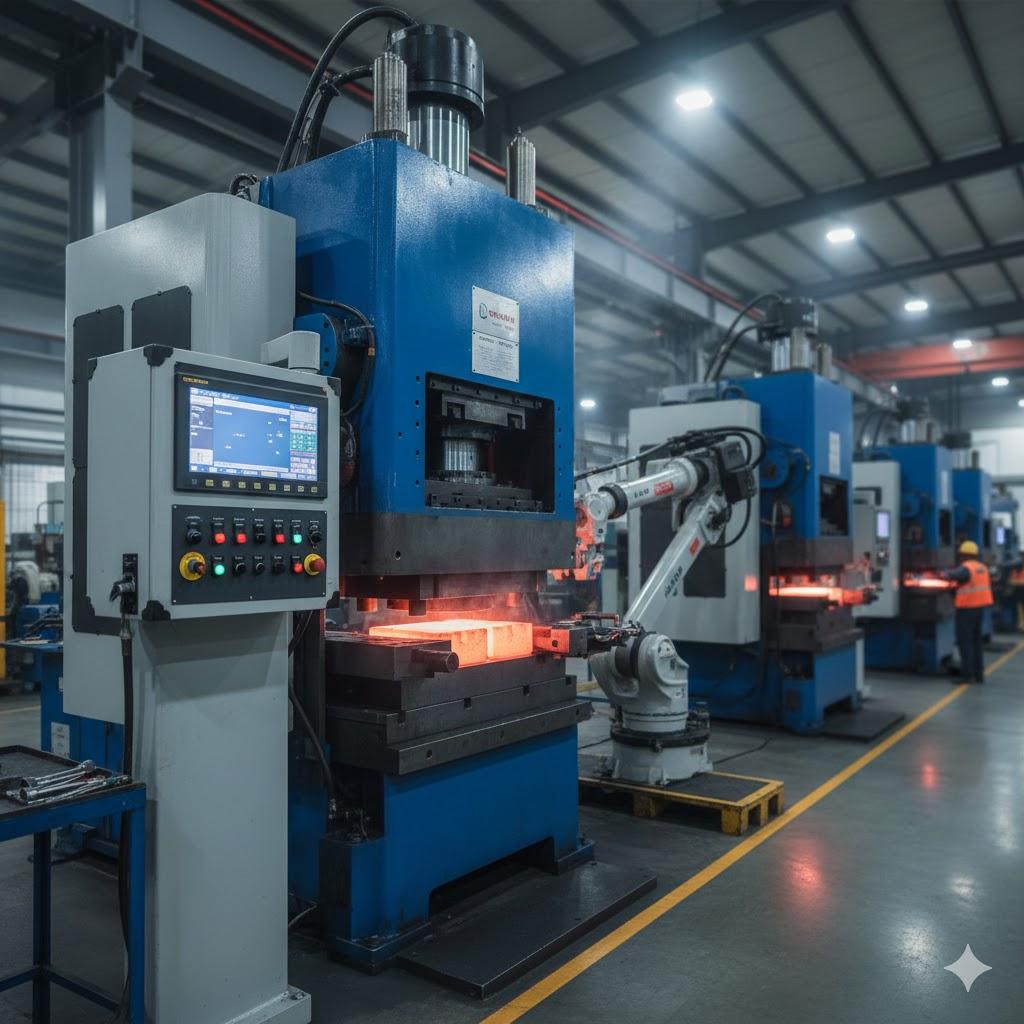
    Electronic presses, also known as electronic punching machines or electronic stamping presses, are advanced machines that utilize electronic controls to perform precise and efficient pressing tasks. These machines are widely used in manufacturing processes, including metal forming, plastic molding, and printing applications. Their ability to offer high precision, reduced cycle times, and enhanced operational efficiency makes them a preferred choice in various sectors.

    Key Drivers of Market Growth
    1. Rising Demand for Automation: The increasing push for automation in manufacturing processes is a significant driver for the electronic presses market. Industries are seeking to enhance productivity, reduce labor costs, and improve product quality, leading to a higher adoption of electronic presses.

    2. Technological Innovations: Continuous advancements in electronic press technology, such as the integration of IoT and smart manufacturing capabilities, are enhancing the functionality and efficiency of these machines. Features like remote monitoring, predictive maintenance, and real-time data analytics are becoming standard, making electronic presses more appealing to manufacturers.

    3. Growing Manufacturing Sector: The resurgence of manufacturing activities, particularly in emerging economies, is contributing to the demand for electronic presses. As industries expand, the need for efficient and reliable pressing solutions becomes paramount.

    4. Focus on Sustainability: The shift towards sustainable manufacturing practices is prompting companies to invest in energy-efficient and environmentally friendly technologies. Electronic presses, known for their lower energy consumption compared to traditional hydraulic presses, align with these sustainability goals.

    Read More: - https://www.theinsightpartners.com/reports/electronic-presses-market


    Advancements in Technology Drive the Electronic Presses Market Forward New York, US, [16-12-2025] - The electronic presses market is on the cusp of substantial growth, driven by technological advancements and increasing demand across various industries. The Electronic Presses Market is expected to register a CAGR of XX% from 2025 to 2031, with a market size expanding from US$ XX million in 2024 to US$ XX Million by 2031. Understanding Electronic Presses Electronic presses, also known as electronic punching machines or electronic stamping presses, are advanced machines that utilize electronic controls to perform precise and efficient pressing tasks. These machines are widely used in manufacturing processes, including metal forming, plastic molding, and printing applications. Their ability to offer high precision, reduced cycle times, and enhanced operational efficiency makes them a preferred choice in various sectors. Key Drivers of Market Growth 1. Rising Demand for Automation: The increasing push for automation in manufacturing processes is a significant driver for the electronic presses market. Industries are seeking to enhance productivity, reduce labor costs, and improve product quality, leading to a higher adoption of electronic presses. 2. Technological Innovations: Continuous advancements in electronic press technology, such as the integration of IoT and smart manufacturing capabilities, are enhancing the functionality and efficiency of these machines. Features like remote monitoring, predictive maintenance, and real-time data analytics are becoming standard, making electronic presses more appealing to manufacturers. 3. Growing Manufacturing Sector: The resurgence of manufacturing activities, particularly in emerging economies, is contributing to the demand for electronic presses. As industries expand, the need for efficient and reliable pressing solutions becomes paramount. 4. Focus on Sustainability: The shift towards sustainable manufacturing practices is prompting companies to invest in energy-efficient and environmentally friendly technologies. Electronic presses, known for their lower energy consumption compared to traditional hydraulic presses, align with these sustainability goals. Read More: - https://www.theinsightpartners.com/reports/electronic-presses-market
    0 Comentários 0 Compartilhamentos 410 Visualizações 0 Anterior
  • The Next IT Career Institute provides a comprehensive curriculum designed to equip students with the skills needed to thrive in the fast-evolving tech industry. Whether you're a beginner or looking to enhance your expertise, their expert instructors guide you through real-world case studies, ensuring you gain practical knowledge. visit here for more info :- https://www.nextitcareer.com/best-data-analytics-course-in-hyderabad/
    The Next IT Career Institute provides a comprehensive curriculum designed to equip students with the skills needed to thrive in the fast-evolving tech industry. Whether you're a beginner or looking to enhance your expertise, their expert instructors guide you through real-world case studies, ensuring you gain practical knowledge. visit here for more info :- https://www.nextitcareer.com/best-data-analytics-course-in-hyderabad/
    WWW.NEXTITCAREER.COM
    Data Analytics Course in Hyderabad | Online Big Data Analytics
    Join the best Data Analytics Course in Hyderabad. Get expert training, hands-on skills & certification in Big Data Analytics. Enroll now!
    0 Comentários 0 Compartilhamentos 572 Visualizações 0 Anterior
Patrocinado
Patrocinado