• How Quality Marine Essentials Affect Operations and Safety
    Quality marine essentials directly impact operational success and crew safety. Reliable felt air filters ensure clean airflow to machinery, preventing breakdowns. Precision custom paint brushes deliver protective coatings that withstand harsh saltwater exposure. High-absorption oil sorbent sheets enable rapid spill response, reducing hazards and meeting environmental regulations.
    https://facerelation.com/read-blog/44077_how-quality-marine-essentials-affects-the-marine-operations-and-safety.html
    How Quality Marine Essentials Affect Operations and Safety Quality marine essentials directly impact operational success and crew safety. Reliable felt air filters ensure clean airflow to machinery, preventing breakdowns. Precision custom paint brushes deliver protective coatings that withstand harsh saltwater exposure. High-absorption oil sorbent sheets enable rapid spill response, reducing hazards and meeting environmental regulations. https://facerelation.com/read-blog/44077_how-quality-marine-essentials-affects-the-marine-operations-and-safety.html
    FACERELATION.COM
    How Quality Marine Essentials Affects the Marine Operations and Safety
    A pneumatic diaphragm pump is not just another piece of equipment onboard; it is widely used for the safe and efficient transfer of fluids, including chemicals and wastewater. Therefore, it is important to have access to a high-end pneumatic diaphragm pump to avoid leakage and safety hazar
    0 Commentaires 0 Parts 17 Vue 0 Aperçu
  • Comprehensive Analysis of Global Naphthalene Price Trends: Drivers, Historical Movements, Forecasts, and Market Dynamics Across Key Regions and End-Use Industries

    Naphthalene Price Trend is a familiar chemical for many people, often remembered by its strong smell and use in mothballs. Beyond households, it plays an important role in industries like chemicals, dyes, resins, construction materials, and pharmaceuticals. Because it is widely used across different sectors, changes in the naphthalene price trend attract attention from manufacturers, traders, and buyers alike. Understanding how and why prices move can help businesses plan better and manage costs more effectively.

    Please Submit Your Query for Naphthalene Price Trend, demand-supply, suppliers, market analysis:https://www.price-watch.ai/book-a-demo/

    What Is Naphthalene and Why It Matters

    Naphthalene is mainly derived from coal tar and petroleum-based processes. Its demand depends heavily on industrial activity, especially in construction, textiles, and chemical manufacturing. When these industries grow, the need for naphthalene rises, and when they slow down, demand weakens. This close link between naphthalene prices and overall economic activity makes its price trend a useful indicator of broader market conditions.

    Key Factors Influencing Naphthalene Price Trend

    One of the most important factors affecting the naphthalene price trend is the cost and availability of raw materials. Since coal tar is a major source, fluctuations in coal prices or changes in steel production, where coal tar is a by-product, can directly impact naphthalene supply. If coal tar availability drops, naphthalene production becomes more expensive, pushing prices upward.
    Energy costs also play a big role. Producing and processing naphthalene requires heat and power, so rising electricity or fuel prices often translate into higher production costs. When energy prices fall, producers may have more flexibility to offer competitive pricing.
    Demand from end-use industries is another major driver. For example, strong construction activity increases the use of naphthalene-based products like plasticizers and resins. Similarly, growth in textile and dye industries supports steady demand. When these sectors perform well, prices tend to remain firm or rise. On the other hand, during economic slowdowns or periods of reduced industrial output, naphthalene prices often soften.

    Regional Market Dynamics

    The naphthalene price trend can vary from one region to another due to differences in production capacity, regulations, and consumption patterns. In regions with strong coal-based industries, local supply may be more stable, helping keep prices relatively balanced. In contrast, areas that rely on imports may see more price volatility due to shipping costs, currency fluctuations, and global supply disruptions.
    Environmental regulations also influence regional pricing. Stricter rules on emissions and waste management can increase production costs, especially in countries tightening environmental standards. While these measures are important for sustainability, they can lead to higher naphthalene prices in the short to medium term.

    Conclusion

    The naphthalene price trend is shaped by a mix of raw material availability, energy costs, industrial demand, regional factors, and global trade conditions. While short-term fluctuations are common, understanding these underlying drivers helps explain why prices move the way they do. For businesses that depend on naphthalene, keeping an eye on these trends can support smarter purchasing decisions and better long-term planning.

    Please Submit Your Query for Naphthalene Price Trend, demand-supply, suppliers, market analysis:https://www.price-watch.ai/book-a-demo/

    About Price Watch™ AI

    Price-Watch AI is an India-based, independent raw material price reporting agency that provides real-time price forecasts and data-driven insights into global raw material markets. Price-Watch AI specializes in tracking raw material prices, analyzing market trends, and delivering timely updates on plant shutdowns, supply disruptions, capacity expansions, and demand-supply dynamics. The Price-Watch AI platform empowers manufacturers, traders, and procurement professionals to make faster, smarter decisions. Leveraging AI-powered forecasting and over a decade of historical data, Price-Watch AI transforms market volatility into actionable opportunity.

    Futura Tech Park,
    C Block, 8th floor 334,
    Old Mahabalipuram Road,
    Sholinganallur, Chennai,
    Tamil Nadu, Pincode - 600119.

    LinkedIn: https://www.linkedin.com/company/price-watch-ai/
    Facebook: https://www.facebook.com/people/Price-Watch/61568490385598/
    Twitter: https://x.com/pricewatchai
    Website: https://www.price-watch.ai/

    Comprehensive Analysis of Global Naphthalene Price Trends: Drivers, Historical Movements, Forecasts, and Market Dynamics Across Key Regions and End-Use Industries Naphthalene Price Trend is a familiar chemical for many people, often remembered by its strong smell and use in mothballs. Beyond households, it plays an important role in industries like chemicals, dyes, resins, construction materials, and pharmaceuticals. Because it is widely used across different sectors, changes in the naphthalene price trend attract attention from manufacturers, traders, and buyers alike. Understanding how and why prices move can help businesses plan better and manage costs more effectively. 👉 👉 👉 Please Submit Your Query for Naphthalene Price Trend, demand-supply, suppliers, market analysis:https://www.price-watch.ai/book-a-demo/ What Is Naphthalene and Why It Matters Naphthalene is mainly derived from coal tar and petroleum-based processes. Its demand depends heavily on industrial activity, especially in construction, textiles, and chemical manufacturing. When these industries grow, the need for naphthalene rises, and when they slow down, demand weakens. This close link between naphthalene prices and overall economic activity makes its price trend a useful indicator of broader market conditions. Key Factors Influencing Naphthalene Price Trend One of the most important factors affecting the naphthalene price trend is the cost and availability of raw materials. Since coal tar is a major source, fluctuations in coal prices or changes in steel production, where coal tar is a by-product, can directly impact naphthalene supply. If coal tar availability drops, naphthalene production becomes more expensive, pushing prices upward. Energy costs also play a big role. Producing and processing naphthalene requires heat and power, so rising electricity or fuel prices often translate into higher production costs. When energy prices fall, producers may have more flexibility to offer competitive pricing. Demand from end-use industries is another major driver. For example, strong construction activity increases the use of naphthalene-based products like plasticizers and resins. Similarly, growth in textile and dye industries supports steady demand. When these sectors perform well, prices tend to remain firm or rise. On the other hand, during economic slowdowns or periods of reduced industrial output, naphthalene prices often soften. Regional Market Dynamics The naphthalene price trend can vary from one region to another due to differences in production capacity, regulations, and consumption patterns. In regions with strong coal-based industries, local supply may be more stable, helping keep prices relatively balanced. In contrast, areas that rely on imports may see more price volatility due to shipping costs, currency fluctuations, and global supply disruptions. Environmental regulations also influence regional pricing. Stricter rules on emissions and waste management can increase production costs, especially in countries tightening environmental standards. While these measures are important for sustainability, they can lead to higher naphthalene prices in the short to medium term. Conclusion The naphthalene price trend is shaped by a mix of raw material availability, energy costs, industrial demand, regional factors, and global trade conditions. While short-term fluctuations are common, understanding these underlying drivers helps explain why prices move the way they do. For businesses that depend on naphthalene, keeping an eye on these trends can support smarter purchasing decisions and better long-term planning. 👉 👉 👉 Please Submit Your Query for Naphthalene Price Trend, demand-supply, suppliers, market analysis:https://www.price-watch.ai/book-a-demo/ About Price Watch™ AI Price-Watch AI is an India-based, independent raw material price reporting agency that provides real-time price forecasts and data-driven insights into global raw material markets. Price-Watch AI specializes in tracking raw material prices, analyzing market trends, and delivering timely updates on plant shutdowns, supply disruptions, capacity expansions, and demand-supply dynamics. The Price-Watch AI platform empowers manufacturers, traders, and procurement professionals to make faster, smarter decisions. Leveraging AI-powered forecasting and over a decade of historical data, Price-Watch AI transforms market volatility into actionable opportunity. Futura Tech Park, C Block, 8th floor 334, Old Mahabalipuram Road, Sholinganallur, Chennai, Tamil Nadu, Pincode - 600119. LinkedIn: https://www.linkedin.com/company/price-watch-ai/ Facebook: https://www.facebook.com/people/Price-Watch/61568490385598/ Twitter: https://x.com/pricewatchai Website: https://www.price-watch.ai/

    0 Commentaires 0 Parts 320 Vue 0 Aperçu
  • Long-Term Price Trend and Market Insights for Monoisopropylamine: Comprehensive Review of Economic, Industry, and Trade Influencers

    The monoisopropylamine price trend has shown noticeable movement over the past few years as market conditions, supply chains, and industrial demand continue to shift. Monoisopropylamine is widely used in pharmaceuticals, agrochemicals, coatings, and specialty chemical manufacturing, making its pricing sensitive to both raw material costs and downstream industry performance. Because it sits in the middle of several important production chains, even small changes in related markets can influence its price direction.
    In general, prices of monoisopropylamine do not remain static for long. Instead, they react to broader economic conditions, energy costs, and manufacturing output levels. This makes tracking its price trend important for buyers, suppliers, and businesses planning long-term procurement strategies.

    Please Submit Your Query for Monoisopropylamine Price Trend, demand-supply, suppliers, market analysis:https://www.price-watch.ai/book-a-demo/

    Key Factors Influencing Monoisopropylamine Prices

    One of the biggest drivers of monoisopropylamine price trends is the cost of raw materials. Since the production process relies on basic petrochemical derivatives, any rise in crude oil or feedstock prices tends to push production costs higher. When manufacturers face higher input expenses, these costs are often reflected in the market price of monoisopropylamine.
    Energy prices also play a major role. Chemical manufacturing is energy-intensive, so fluctuations in electricity, natural gas, or fuel prices can directly impact overall production expenses. During periods of high energy costs, suppliers may adjust prices upward to maintain profitability.
    Another important factor is supply availability. When production plants face shutdowns due to maintenance, environmental regulations, or unexpected disruptions, supply tightens. Reduced availability often leads to temporary price increases, especially when demand remains steady.

    Demand Patterns and Market Behavior

    Demand trends strongly influence the monoisopropylamine price trend. Industries such as pharmaceuticals and agrochemicals often show seasonal or cyclical demand patterns. During peak production periods, especially in agricultural seasons, demand for monoisopropylamine can rise, placing upward pressure on prices.
    On the other hand, when downstream industries slow down due to economic uncertainty or reduced consumer spending, demand weakens. In such cases, suppliers may lower prices or offer competitive deals to maintain sales volumes. This push and pull between demand and supply creates frequent short-term price adjustments.
    Export and import activity also affects pricing behavior. Regions that depend heavily on imports may experience sharper price swings if global logistics face disruptions or if currency values change significantly.

    Regional Trends in Monoisopropylamine Pricing

    Monoisopropylamine price trends can vary from one region to another. In areas with strong domestic production capacity, prices tend to be more stable because local supply can quickly respond to demand changes. However, in regions that rely on imports, prices are more sensitive to freight costs, port congestion, and international trade conditions.

    Conclusion

    The monoisopropylamine price trend is shaped by a combination of raw material costs, energy prices, demand cycles, and global economic conditions. While short-term fluctuations are common, the long-term outlook points toward balanced growth supported by steady industrial demand. Keeping track of these trends helps businesses make informed purchasing decisions and manage cost risks effectively in an evolving chemical market.

    Please Submit Your Query for Monoisopropylamine Price Trend, demand-supply, suppliers, market analysis:https://www.price-watch.ai/book-a-demo/

    About Price Watch™ AI

    Price-Watch AI is an India-based, independent raw material price reporting agency that provides real-time price forecasts and data-driven insights into global raw material markets. Price-Watch AI specializes in tracking raw material prices, analyzing market trends, and delivering timely updates on plant shutdowns, supply disruptions, capacity expansions, and demand-supply dynamics. The Price-Watch AI platform empowers manufacturers, traders, and procurement professionals to make faster, smarter decisions. Leveraging AI-powered forecasting and over a decade of historical data, Price-Watch AI transforms market volatility into actionable opportunity.

    Futura Tech Park,
    C Block, 8th floor 334,
    Old Mahabalipuram Road,
    Sholinganallur, Chennai,
    Tamil Nadu, Pincode - 600119.

    LinkedIn: https://www.linkedin.com/company/price-watch-ai/
    Facebook: https://www.facebook.com/people/Price-Watch/61568490385598/
    Twitter: https://x.com/pricewatchai
    Website: https://www.price-watch.ai/

    Long-Term Price Trend and Market Insights for Monoisopropylamine: Comprehensive Review of Economic, Industry, and Trade Influencers The monoisopropylamine price trend has shown noticeable movement over the past few years as market conditions, supply chains, and industrial demand continue to shift. Monoisopropylamine is widely used in pharmaceuticals, agrochemicals, coatings, and specialty chemical manufacturing, making its pricing sensitive to both raw material costs and downstream industry performance. Because it sits in the middle of several important production chains, even small changes in related markets can influence its price direction. In general, prices of monoisopropylamine do not remain static for long. Instead, they react to broader economic conditions, energy costs, and manufacturing output levels. This makes tracking its price trend important for buyers, suppliers, and businesses planning long-term procurement strategies. 👉 👉 👉 Please Submit Your Query for Monoisopropylamine Price Trend, demand-supply, suppliers, market analysis:https://www.price-watch.ai/book-a-demo/ Key Factors Influencing Monoisopropylamine Prices One of the biggest drivers of monoisopropylamine price trends is the cost of raw materials. Since the production process relies on basic petrochemical derivatives, any rise in crude oil or feedstock prices tends to push production costs higher. When manufacturers face higher input expenses, these costs are often reflected in the market price of monoisopropylamine. Energy prices also play a major role. Chemical manufacturing is energy-intensive, so fluctuations in electricity, natural gas, or fuel prices can directly impact overall production expenses. During periods of high energy costs, suppliers may adjust prices upward to maintain profitability. Another important factor is supply availability. When production plants face shutdowns due to maintenance, environmental regulations, or unexpected disruptions, supply tightens. Reduced availability often leads to temporary price increases, especially when demand remains steady. Demand Patterns and Market Behavior Demand trends strongly influence the monoisopropylamine price trend. Industries such as pharmaceuticals and agrochemicals often show seasonal or cyclical demand patterns. During peak production periods, especially in agricultural seasons, demand for monoisopropylamine can rise, placing upward pressure on prices. On the other hand, when downstream industries slow down due to economic uncertainty or reduced consumer spending, demand weakens. In such cases, suppliers may lower prices or offer competitive deals to maintain sales volumes. This push and pull between demand and supply creates frequent short-term price adjustments. Export and import activity also affects pricing behavior. Regions that depend heavily on imports may experience sharper price swings if global logistics face disruptions or if currency values change significantly. Regional Trends in Monoisopropylamine Pricing Monoisopropylamine price trends can vary from one region to another. In areas with strong domestic production capacity, prices tend to be more stable because local supply can quickly respond to demand changes. However, in regions that rely on imports, prices are more sensitive to freight costs, port congestion, and international trade conditions. Conclusion The monoisopropylamine price trend is shaped by a combination of raw material costs, energy prices, demand cycles, and global economic conditions. While short-term fluctuations are common, the long-term outlook points toward balanced growth supported by steady industrial demand. Keeping track of these trends helps businesses make informed purchasing decisions and manage cost risks effectively in an evolving chemical market. 👉 👉 👉 Please Submit Your Query for Monoisopropylamine Price Trend, demand-supply, suppliers, market analysis:https://www.price-watch.ai/book-a-demo/ About Price Watch™ AI Price-Watch AI is an India-based, independent raw material price reporting agency that provides real-time price forecasts and data-driven insights into global raw material markets. Price-Watch AI specializes in tracking raw material prices, analyzing market trends, and delivering timely updates on plant shutdowns, supply disruptions, capacity expansions, and demand-supply dynamics. The Price-Watch AI platform empowers manufacturers, traders, and procurement professionals to make faster, smarter decisions. Leveraging AI-powered forecasting and over a decade of historical data, Price-Watch AI transforms market volatility into actionable opportunity. Futura Tech Park, C Block, 8th floor 334, Old Mahabalipuram Road, Sholinganallur, Chennai, Tamil Nadu, Pincode - 600119. LinkedIn: https://www.linkedin.com/company/price-watch-ai/ Facebook: https://www.facebook.com/people/Price-Watch/61568490385598/ Twitter: https://x.com/pricewatchai Website: https://www.price-watch.ai/
    0 Commentaires 0 Parts 229 Vue 0 Aperçu
  • Global Copper Plate Price Trend: Insights from Q3 2025

    The Copper Plate Price Trend in Q3 2025 has shown an interesting mix of fluctuations across the globe, reflecting the balance between supply constraints and varying demand in key industries. Overall, copper plate prices experienced slight increases in some regions, while other areas saw small declines. These movements are influenced by factors such as industrial activity, construction demand, environmental regulations, and global supply chain dynamics.

    Read More: https://www.price-watch.ai/copper-plate-prices/
    Global Copper Plate Price Trend: Insights from Q3 2025 The Copper Plate Price Trend in Q3 2025 has shown an interesting mix of fluctuations across the globe, reflecting the balance between supply constraints and varying demand in key industries. Overall, copper plate prices experienced slight increases in some regions, while other areas saw small declines. These movements are influenced by factors such as industrial activity, construction demand, environmental regulations, and global supply chain dynamics. Read More: https://www.price-watch.ai/copper-plate-prices/
    0 Commentaires 0 Parts 93 Vue 0 Aperçu
  • Monoethanolamine (MEA) Price Trend & Market Dynamics: Impact of Raw Material Costs, Industrial Demand Shifts, and Global Supply Chain Influences

    Monoethanolamine Price Trend commonly known as MEA, is a chemical used in many everyday industries, from gas treatment and detergents to pharmaceuticals and agriculture. Because it plays such a practical role, its price trend is closely watched by manufacturers, buyers, and traders. Over time, the monoethanolamine price trend has shown noticeable ups and downs, mainly influenced by raw material costs, energy prices, supply conditions, and overall market demand.
    In simple terms, monoethanolamine prices move much like other industrial chemicals. When production becomes expensive or supply tightens, prices rise. When raw materials are easily available and demand slows, prices soften. Understanding this trend does not require deep technical knowledge; it mostly reflects common market behavior.

    Please Submit Your Query for Monoethanolamine Price Trend, demand-supply, suppliers, market analysis:https://www.price-watch.ai/book-a-demo/

    Factors Influencing Monoethanolamine Price Trend

    One of the biggest drivers of the monoethanolamine price trend is the cost of raw materials. Monoethanolamine is produced using ethylene oxide and ammonia, both of which are sensitive to changes in crude oil and natural gas prices. When energy costs increase, production expenses go up, and manufacturers often pass these costs on to buyers.
    Another important factor is demand from key industries. Gas processing, especially for removing acidic gases, uses a large amount of monoethanolamine. When oil and gas activity rises, demand for MEA increases, pushing prices upward. Similarly, the personal care and cleaning product industries also impact pricing, especially during periods of high consumer demand.
    Supply chain conditions also play a role. Any disruption such as plant shutdowns, maintenance work, transportation delays, or trade restrictions can affect availability. Even short-term supply issues can cause price fluctuations, especially in regions that rely heavily on imports.

    Regional Impact on Monoethanolamine Pricing

    The monoethanolamine price trend can differ across regions due to local production capacity and demand patterns. In regions with strong chemical manufacturing bases, prices tend to be more stable as supply is readily available. On the other hand, areas dependent on imports may see sharper price changes due to shipping costs and currency fluctuations.
    Economic conditions in different regions also influence pricing. For example, industrial growth in developing economies often leads to higher consumption of monoethanolamine, which can tighten supply and raise prices. In contrast, slower industrial activity in mature markets may keep prices under pressure.
    Government policies, environmental regulations, and energy pricing policies also affect regional price trends. Stricter environmental rules can increase production costs, while subsidies or relaxed regulations may help keep prices steady.

    Conclusion

    The monoethanolamine price trend reflects simple economic principles of supply, demand, and production cost. Influenced by raw materials, energy prices, industrial demand, and regional factors, MEA prices naturally rise and fall over time. While short-term fluctuations are common, the long-term trend remains relatively stable, supported by consistent demand across multiple industries. Understanding these everyday factors makes it easier to follow and anticipate changes in the monoethanolamine market without relying on complex analysis.

    Please Submit Your Query for Monoethanolamine Price Trend, demand-supply, suppliers, market analysis:https://www.price-watch.ai/book-a-demo/

    About Price Watch™ AI

    Price-Watch AI is an India-based, independent raw material price reporting agency that provides real-time price forecasts and data-driven insights into global raw material markets. Price-Watch AI specializes in tracking raw material prices, analyzing market trends, and delivering timely updates on plant shutdowns, supply disruptions, capacity expansions, and demand-supply dynamics. The Price-Watch AI platform empowers manufacturers, traders, and procurement professionals to make faster, smarter decisions. Leveraging AI-powered forecasting and over a decade of historical data, Price-Watch AI transforms market volatility into actionable opportunity.

    Futura Tech Park,
    C Block, 8th floor 334,
    Old Mahabalipuram Road,
    Sholinganallur, Chennai,
    Tamil Nadu, Pincode - 600119.

    LinkedIn: https://www.linkedin.com/company/price-watch-ai/
    Facebook: https://www.facebook.com/people/Price-Watch/61568490385598/
    Twitter: https://x.com/pricewatchai
    Website: https://www.price-watch.ai/
    Monoethanolamine (MEA) Price Trend & Market Dynamics: Impact of Raw Material Costs, Industrial Demand Shifts, and Global Supply Chain Influences Monoethanolamine Price Trend commonly known as MEA, is a chemical used in many everyday industries, from gas treatment and detergents to pharmaceuticals and agriculture. Because it plays such a practical role, its price trend is closely watched by manufacturers, buyers, and traders. Over time, the monoethanolamine price trend has shown noticeable ups and downs, mainly influenced by raw material costs, energy prices, supply conditions, and overall market demand. In simple terms, monoethanolamine prices move much like other industrial chemicals. When production becomes expensive or supply tightens, prices rise. When raw materials are easily available and demand slows, prices soften. Understanding this trend does not require deep technical knowledge; it mostly reflects common market behavior. 👉 👉 👉 Please Submit Your Query for Monoethanolamine Price Trend, demand-supply, suppliers, market analysis:https://www.price-watch.ai/book-a-demo/ Factors Influencing Monoethanolamine Price Trend One of the biggest drivers of the monoethanolamine price trend is the cost of raw materials. Monoethanolamine is produced using ethylene oxide and ammonia, both of which are sensitive to changes in crude oil and natural gas prices. When energy costs increase, production expenses go up, and manufacturers often pass these costs on to buyers. Another important factor is demand from key industries. Gas processing, especially for removing acidic gases, uses a large amount of monoethanolamine. When oil and gas activity rises, demand for MEA increases, pushing prices upward. Similarly, the personal care and cleaning product industries also impact pricing, especially during periods of high consumer demand. Supply chain conditions also play a role. Any disruption such as plant shutdowns, maintenance work, transportation delays, or trade restrictions can affect availability. Even short-term supply issues can cause price fluctuations, especially in regions that rely heavily on imports. Regional Impact on Monoethanolamine Pricing The monoethanolamine price trend can differ across regions due to local production capacity and demand patterns. In regions with strong chemical manufacturing bases, prices tend to be more stable as supply is readily available. On the other hand, areas dependent on imports may see sharper price changes due to shipping costs and currency fluctuations. Economic conditions in different regions also influence pricing. For example, industrial growth in developing economies often leads to higher consumption of monoethanolamine, which can tighten supply and raise prices. In contrast, slower industrial activity in mature markets may keep prices under pressure. Government policies, environmental regulations, and energy pricing policies also affect regional price trends. Stricter environmental rules can increase production costs, while subsidies or relaxed regulations may help keep prices steady. Conclusion The monoethanolamine price trend reflects simple economic principles of supply, demand, and production cost. Influenced by raw materials, energy prices, industrial demand, and regional factors, MEA prices naturally rise and fall over time. While short-term fluctuations are common, the long-term trend remains relatively stable, supported by consistent demand across multiple industries. Understanding these everyday factors makes it easier to follow and anticipate changes in the monoethanolamine market without relying on complex analysis. 👉 👉 👉 Please Submit Your Query for Monoethanolamine Price Trend, demand-supply, suppliers, market analysis:https://www.price-watch.ai/book-a-demo/ About Price Watch™ AI Price-Watch AI is an India-based, independent raw material price reporting agency that provides real-time price forecasts and data-driven insights into global raw material markets. Price-Watch AI specializes in tracking raw material prices, analyzing market trends, and delivering timely updates on plant shutdowns, supply disruptions, capacity expansions, and demand-supply dynamics. The Price-Watch AI platform empowers manufacturers, traders, and procurement professionals to make faster, smarter decisions. Leveraging AI-powered forecasting and over a decade of historical data, Price-Watch AI transforms market volatility into actionable opportunity. Futura Tech Park, C Block, 8th floor 334, Old Mahabalipuram Road, Sholinganallur, Chennai, Tamil Nadu, Pincode - 600119. LinkedIn: https://www.linkedin.com/company/price-watch-ai/ Facebook: https://www.facebook.com/people/Price-Watch/61568490385598/ Twitter: https://x.com/pricewatchai Website: https://www.price-watch.ai/

    0 Commentaires 0 Parts 285 Vue 0 Aperçu
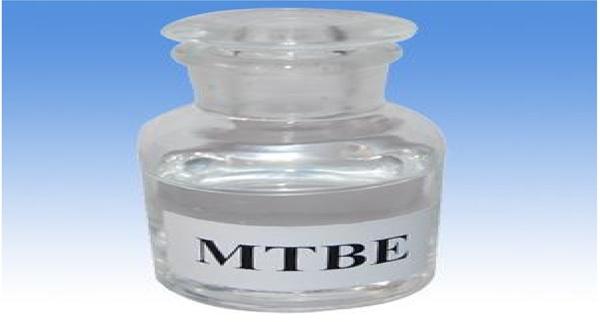
  • Methyl Tert-Butyl Ether (MTBE) Price Trend and Forecast: Impact of Crude Oil Prices, Production Costs, Trade Flows, and Regulatory Factors

    Methyl Tert Butyl Ether Price Trend commonly known as MTBE, is a chemical mainly used as a fuel additive in petrol. Its primary role is to improve fuel quality by increasing octane levels and helping engines run more smoothly. Over the years, MTBE has become closely linked to the energy and fuel sector, which means its price trend often moves in line with changes in oil markets, refinery operations, and fuel demand. Understanding the Methyl Tert Butyl Ether price trend is important for manufacturers, fuel blenders, traders, and even policymakers who track fuel economics.

    Please Submit Your Query for Methyl Tert Butyl Ether Price Trend, demand-supply, suppliers, market analysis:https://www.price-watch.ai/book-a-demo/

    Key Factors Influencing the Methyl Tert Butyl Ether Price Trend

    The price of MTBE is shaped by a mix of raw material costs, energy prices, and market demand. One of the biggest influences is crude oil, as MTBE is derived from petrochemical processes. When crude oil prices rise, production costs tend to increase, which usually pushes MTBE prices upward. On the other hand, when oil prices fall, MTBE often becomes cheaper, provided demand remains stable.
    Another important factor is refinery activity. MTBE is often produced in integrated refinery and petrochemical complexes. If refineries reduce output due to maintenance, shutdowns, or lower fuel demand, the supply of MTBE can tighten. This supply pressure can cause prices to rise even if raw material costs remain unchanged. Seasonal fuel demand, especially during peak driving months, also plays a role in shaping price movements.

    Role of Fuel Demand and Blending Requirements

    Fuel consumption patterns have a direct impact on the Methyl Tert Butyl Ether price trend. During periods of high fuel usage, such as summer travel seasons or times of economic growth, demand for fuel additives like MTBE tends to increase. Fuel blenders rely on MTBE to meet octane requirements efficiently, which boosts buying interest and supports higher prices.
    In contrast, during economic slowdowns or periods of reduced vehicle usage, fuel demand weakens. This often leads to lower MTBE consumption, creating excess supply in the market. When this happens, prices usually soften as producers and sellers try to clear inventories. These demand-driven cycles are a regular feature of the MTBE market and explain many short-term price fluctuations.

    Impact of Environmental Policies and Regulations

    Environmental regulations have played a significant role in shaping the long-term Methyl Tert Butyl Ether price trend. In some regions, concerns about groundwater contamination have led to restrictions or reduced usage of MTBE. When such regulations are announced or tightened, demand can drop suddenly, putting downward pressure on prices.
    However, in regions where MTBE is still widely accepted and used, stable regulatory frameworks help support consistent demand. Changes in fuel standards, blending mandates, or environmental rules often create uncertainty in the market, and this uncertainty itself can influence prices as buyers and sellers adjust their strategies.

    Conclusion

    The Methyl Tert Butyl Ether price trend reflects a complex mix of oil prices, fuel demand, refinery operations, regulations, and global trade factors. While short-term movements can be influenced by seasonal and operational changes, long-term trends depend on broader energy market developments. By understanding these basic drivers, businesses and industry observers can better interpret price changes and make more informed decisions in the MTBE market.

    Please Submit Your Query for Methyl Tert Butyl Ether Price Trend, demand-supply, suppliers, market analysis:https://www.price-watch.ai/book-a-demo/

    About Price Watch™ AI

    Price-Watch AI is an India-based, independent raw material price reporting agency that provides real-time price forecasts and data-driven insights into global raw material markets. Price-Watch AI specializes in tracking raw material prices, analyzing market trends, and delivering timely updates on plant shutdowns, supply disruptions, capacity expansions, and demand-supply dynamics. The Price-Watch AI platform empowers manufacturers, traders, and procurement professionals to make faster, smarter decisions. Leveraging AI-powered forecasting and over a decade of historical data, Price-Watch AI transforms market volatility into actionable opportunity.

    Futura Tech Park,
    C Block, 8th floor 334,
    Old Mahabalipuram Road,
    Sholinganallur, Chennai,
    Tamil Nadu, Pincode - 600119.

    LinkedIn: https://www.linkedin.com/company/price-watch-ai/
    Facebook: https://www.facebook.com/people/Price-Watch/61568490385598/
    Twitter: https://x.com/pricewatchai
    Website: https://www.price-watch.ai/

    Methyl Tert-Butyl Ether (MTBE) Price Trend and Forecast: Impact of Crude Oil Prices, Production Costs, Trade Flows, and Regulatory Factors Methyl Tert Butyl Ether Price Trend commonly known as MTBE, is a chemical mainly used as a fuel additive in petrol. Its primary role is to improve fuel quality by increasing octane levels and helping engines run more smoothly. Over the years, MTBE has become closely linked to the energy and fuel sector, which means its price trend often moves in line with changes in oil markets, refinery operations, and fuel demand. Understanding the Methyl Tert Butyl Ether price trend is important for manufacturers, fuel blenders, traders, and even policymakers who track fuel economics. 👉 👉 👉 Please Submit Your Query for Methyl Tert Butyl Ether Price Trend, demand-supply, suppliers, market analysis:https://www.price-watch.ai/book-a-demo/ Key Factors Influencing the Methyl Tert Butyl Ether Price Trend The price of MTBE is shaped by a mix of raw material costs, energy prices, and market demand. One of the biggest influences is crude oil, as MTBE is derived from petrochemical processes. When crude oil prices rise, production costs tend to increase, which usually pushes MTBE prices upward. On the other hand, when oil prices fall, MTBE often becomes cheaper, provided demand remains stable. Another important factor is refinery activity. MTBE is often produced in integrated refinery and petrochemical complexes. If refineries reduce output due to maintenance, shutdowns, or lower fuel demand, the supply of MTBE can tighten. This supply pressure can cause prices to rise even if raw material costs remain unchanged. Seasonal fuel demand, especially during peak driving months, also plays a role in shaping price movements. Role of Fuel Demand and Blending Requirements Fuel consumption patterns have a direct impact on the Methyl Tert Butyl Ether price trend. During periods of high fuel usage, such as summer travel seasons or times of economic growth, demand for fuel additives like MTBE tends to increase. Fuel blenders rely on MTBE to meet octane requirements efficiently, which boosts buying interest and supports higher prices. In contrast, during economic slowdowns or periods of reduced vehicle usage, fuel demand weakens. This often leads to lower MTBE consumption, creating excess supply in the market. When this happens, prices usually soften as producers and sellers try to clear inventories. These demand-driven cycles are a regular feature of the MTBE market and explain many short-term price fluctuations. Impact of Environmental Policies and Regulations Environmental regulations have played a significant role in shaping the long-term Methyl Tert Butyl Ether price trend. In some regions, concerns about groundwater contamination have led to restrictions or reduced usage of MTBE. When such regulations are announced or tightened, demand can drop suddenly, putting downward pressure on prices. However, in regions where MTBE is still widely accepted and used, stable regulatory frameworks help support consistent demand. Changes in fuel standards, blending mandates, or environmental rules often create uncertainty in the market, and this uncertainty itself can influence prices as buyers and sellers adjust their strategies. Conclusion The Methyl Tert Butyl Ether price trend reflects a complex mix of oil prices, fuel demand, refinery operations, regulations, and global trade factors. While short-term movements can be influenced by seasonal and operational changes, long-term trends depend on broader energy market developments. By understanding these basic drivers, businesses and industry observers can better interpret price changes and make more informed decisions in the MTBE market. 👉 👉 👉 Please Submit Your Query for Methyl Tert Butyl Ether Price Trend, demand-supply, suppliers, market analysis:https://www.price-watch.ai/book-a-demo/ About Price Watch™ AI Price-Watch AI is an India-based, independent raw material price reporting agency that provides real-time price forecasts and data-driven insights into global raw material markets. Price-Watch AI specializes in tracking raw material prices, analyzing market trends, and delivering timely updates on plant shutdowns, supply disruptions, capacity expansions, and demand-supply dynamics. The Price-Watch AI platform empowers manufacturers, traders, and procurement professionals to make faster, smarter decisions. Leveraging AI-powered forecasting and over a decade of historical data, Price-Watch AI transforms market volatility into actionable opportunity. Futura Tech Park, C Block, 8th floor 334, Old Mahabalipuram Road, Sholinganallur, Chennai, Tamil Nadu, Pincode - 600119. LinkedIn: https://www.linkedin.com/company/price-watch-ai/ Facebook: https://www.facebook.com/people/Price-Watch/61568490385598/ Twitter: https://x.com/pricewatchai Website: https://www.price-watch.ai/
    0 Commentaires 0 Parts 123 Vue 0 Aperçu
  • Nonyl Phenol Pricing Trends and Market Forecast: An In-Depth Study of Price Fluctuations, Regional Variations, and Influencing Factors in Global Petrochemical Markets

    Nonyl phenol is a chemical that quietly supports many everyday industries. It is commonly used in the production of surfactants, resins, plastics, paints, and cleaning products. Because it sits at the base of so many supply chains, its price trend often reflects broader movements in the chemical and manufacturing sectors. When people talk about the Nonyl Phenol price trend, they are usually trying to understand how costs are shifting and what those changes might mean for future production and purchasing decisions.
    Over time, the price of nonyl phenol has shown a pattern of gradual movement rather than sudden shocks. This is mainly because it is a mature product with established uses and well-known production methods. Still, it is not immune to market forces, and even small changes in supply or demand can influence pricing.

    Please Submit Your Query for Nonyl Phenol Price Trend, demand-supply, suppliers, market analysis:https://www.price-watch.ai/book-a-demo/

    Key Factors Shaping Nonyl Phenol Price Trend

    The most important factor affecting the Nonyl Phenol price trend is the cost of raw materials. Nonyl phenol is derived from petrochemical sources, so prices often move in line with crude oil and related feedstocks. When oil prices rise, production costs increase, and manufacturers usually pass part of that increase on to buyers. When oil prices fall, the opposite effect is often seen, though price reductions may happen more slowly.
    Energy costs also play a strong role. Producing nonyl phenol requires energy-intensive processes, so changes in electricity and fuel prices can influence overall costs. In regions where energy prices are volatile, the local nonyl phenol market may experience more noticeable price swings.

    Demand Trends Across Industries

    Demand from end-use industries strongly shapes the Nonyl Phenol price trend. The chemical is widely used in industrial cleaning agents, textile processing, and plastic manufacturing. When these industries are performing well, demand for nonyl phenol usually increases, supporting higher prices. During economic slowdowns, demand can soften, putting pressure on prices.
    Seasonal demand patterns also have an effect. For example, industrial cleaning and agricultural activities may rise during certain times of the year, leading to short-term increases in consumption. These shifts may not drastically change long-term pricing, but they can create temporary movements that buyers and sellers pay close attention to.

    Environmental Regulations and Their Impact

    Environmental awareness has become an important influence on the Nonyl Phenol price trend. In several regions, regulations limit or control the use of nonyl phenol due to concerns about environmental and health effects. When new regulations are introduced, demand may decline in certain applications, which can soften prices.
    At the same time, compliance with environmental standards can raise production costs. Manufacturers may need to invest in cleaner technologies or additional safety measures, which can increase expenses. These higher costs can support prices even if overall demand growth slows. This balance between regulation-driven demand reduction and cost increases makes pricing behavior more complex.

    Please Submit Your Query for Nonyl Phenol Price Trend, demand-supply, suppliers, market analysis:https://www.price-watch.ai/book-a-demo/

    About Price Watch™ AI

    Price-Watch AI is an India-based, independent raw material price reporting agency that provides real-time price forecasts and data-driven insights into global raw material markets. Price-Watch AI specializes in tracking raw material prices, analyzing market trends, and delivering timely updates on plant shutdowns, supply disruptions, capacity expansions, and demand-supply dynamics. The Price-Watch AI platform empowers manufacturers, traders, and procurement professionals to make faster, smarter decisions. Leveraging AI-powered forecasting and over a decade of historical data, Price-Watch AI transforms market volatility into actionable opportunity.

    Futura Tech Park,
    C Block, 8th floor 334,
    Old Mahabalipuram Road,
    Sholinganallur, Chennai,
    Tamil Nadu, Pincode - 600119.

    LinkedIn: https://www.linkedin.com/company/price-watch-ai/
    Facebook: https://www.facebook.com/people/Price-Watch/61568490385598/
    Twitter: https://x.com/pricewatchai
    Website: https://www.price-watch.ai/
    Nonyl Phenol Pricing Trends and Market Forecast: An In-Depth Study of Price Fluctuations, Regional Variations, and Influencing Factors in Global Petrochemical Markets Nonyl phenol is a chemical that quietly supports many everyday industries. It is commonly used in the production of surfactants, resins, plastics, paints, and cleaning products. Because it sits at the base of so many supply chains, its price trend often reflects broader movements in the chemical and manufacturing sectors. When people talk about the Nonyl Phenol price trend, they are usually trying to understand how costs are shifting and what those changes might mean for future production and purchasing decisions. Over time, the price of nonyl phenol has shown a pattern of gradual movement rather than sudden shocks. This is mainly because it is a mature product with established uses and well-known production methods. Still, it is not immune to market forces, and even small changes in supply or demand can influence pricing. 👉 👉 👉 Please Submit Your Query for Nonyl Phenol Price Trend, demand-supply, suppliers, market analysis:https://www.price-watch.ai/book-a-demo/ Key Factors Shaping Nonyl Phenol Price Trend The most important factor affecting the Nonyl Phenol price trend is the cost of raw materials. Nonyl phenol is derived from petrochemical sources, so prices often move in line with crude oil and related feedstocks. When oil prices rise, production costs increase, and manufacturers usually pass part of that increase on to buyers. When oil prices fall, the opposite effect is often seen, though price reductions may happen more slowly. Energy costs also play a strong role. Producing nonyl phenol requires energy-intensive processes, so changes in electricity and fuel prices can influence overall costs. In regions where energy prices are volatile, the local nonyl phenol market may experience more noticeable price swings. Demand Trends Across Industries Demand from end-use industries strongly shapes the Nonyl Phenol price trend. The chemical is widely used in industrial cleaning agents, textile processing, and plastic manufacturing. When these industries are performing well, demand for nonyl phenol usually increases, supporting higher prices. During economic slowdowns, demand can soften, putting pressure on prices. Seasonal demand patterns also have an effect. For example, industrial cleaning and agricultural activities may rise during certain times of the year, leading to short-term increases in consumption. These shifts may not drastically change long-term pricing, but they can create temporary movements that buyers and sellers pay close attention to. Environmental Regulations and Their Impact Environmental awareness has become an important influence on the Nonyl Phenol price trend. In several regions, regulations limit or control the use of nonyl phenol due to concerns about environmental and health effects. When new regulations are introduced, demand may decline in certain applications, which can soften prices. At the same time, compliance with environmental standards can raise production costs. Manufacturers may need to invest in cleaner technologies or additional safety measures, which can increase expenses. These higher costs can support prices even if overall demand growth slows. This balance between regulation-driven demand reduction and cost increases makes pricing behavior more complex. 👉 👉 👉 Please Submit Your Query for Nonyl Phenol Price Trend, demand-supply, suppliers, market analysis:https://www.price-watch.ai/book-a-demo/ About Price Watch™ AI Price-Watch AI is an India-based, independent raw material price reporting agency that provides real-time price forecasts and data-driven insights into global raw material markets. Price-Watch AI specializes in tracking raw material prices, analyzing market trends, and delivering timely updates on plant shutdowns, supply disruptions, capacity expansions, and demand-supply dynamics. The Price-Watch AI platform empowers manufacturers, traders, and procurement professionals to make faster, smarter decisions. Leveraging AI-powered forecasting and over a decade of historical data, Price-Watch AI transforms market volatility into actionable opportunity. Futura Tech Park, C Block, 8th floor 334, Old Mahabalipuram Road, Sholinganallur, Chennai, Tamil Nadu, Pincode - 600119. LinkedIn: https://www.linkedin.com/company/price-watch-ai/ Facebook: https://www.facebook.com/people/Price-Watch/61568490385598/ Twitter: https://x.com/pricewatchai Website: https://www.price-watch.ai/

    0 Commentaires 0 Parts 174 Vue 0 Aperçu
  • Phenol Price Trend Analysis: Market Dynamics, Key Growth Drivers, Regional Insights, Supply Chain Factors, Demand Outlook, and Future Price Forecast Across Global Markets

    The phenol price trend has always attracted attention because phenol is a basic chemical used in many everyday industries. From plastics and resins to pharmaceuticals and laminates, phenol plays an important role in modern manufacturing. Because it sits at the center of so many supply chains, even small changes in its price can be felt across different markets. Over time, phenol prices have shown a pattern of ups and downs that reflect broader economic conditions, raw material availability, and demand from end-use sectors.

    Please Submit Your Query for Phenol Price Trend, demand-supply, suppliers, market analysis:https://www.price-watch.ai/book-a-demo/

    Factors Influencing Phenol Prices

    One of the biggest factors affecting the phenol price trend is the cost of raw materials. Phenol is mainly produced from benzene and propylene, both of which are linked to crude oil prices. When crude oil prices rise, the cost of these raw materials usually increases as well, pushing phenol prices upward. On the other hand, when oil prices fall, phenol production becomes cheaper, often leading to softer prices in the market.
    Energy costs also play a major role. Phenol production requires significant energy, and changes in electricity or fuel prices can directly impact manufacturing costs. In regions where energy prices are volatile, phenol prices tend to react quickly.

    Demand from End-Use Industries

    Demand patterns strongly shape the phenol price trend. Industries such as construction, automotive, electronics, and consumer goods rely on phenol-based products. When construction activity is strong, the demand for phenolic resins and laminates increases, supporting higher phenol prices. Similarly, growth in the automotive sector boosts demand for lightweight and durable materials made using phenol derivatives.
    During periods of economic slowdown, demand from these sectors often weakens. Reduced factory output and lower consumer spending can lead to excess phenol supply in the market, putting downward pressure on prices. This demand-driven cycle is one of the most common reasons behind phenol price fluctuations.

    Supply Chain and Production Capacity

    Supply-side factors are equally important in shaping phenol price movements. Planned maintenance shutdowns, unexpected plant outages, or production cuts can tighten supply and cause prices to rise. When multiple producers face operational issues at the same time, the market can experience sudden price spikes.
    On the other hand, when new production capacities come online or existing plants increase output, the market may face oversupply. This usually results in more competitive pricing as suppliers try to move their volumes. Over the years, expansions in production capacity in certain regions have contributed to periods of stable or declining phenol prices.

    Regional Market Trends

    The phenol price trend often varies from one region to another. In Asia, rapid industrial growth and strong manufacturing activity usually support steady phenol demand. However, high production capacity in some Asian countries can also lead to intense competition and price pressure.
    In Europe, phenol prices are often influenced by energy costs and environmental regulations. Stricter rules can increase production expenses, which may be reflected in higher prices. In North America, phenol prices tend to follow trends in the petrochemical sector and overall industrial activity, with logistics and transportation costs also playing a role.

    Please Submit Your Query for Phenol Price Trend, demand-supply, suppliers, market analysis:https://www.price-watch.ai/book-a-demo/

    About Price Watch™ AI

    Price-Watch AI is an India-based, independent raw material price reporting agency that provides real-time price forecasts and data-driven insights into global raw material markets. Price-Watch AI specializes in tracking raw material prices, analyzing market trends, and delivering timely updates on plant shutdowns, supply disruptions, capacity expansions, and demand-supply dynamics. The Price-Watch AI platform empowers manufacturers, traders, and procurement professionals to make faster, smarter decisions. Leveraging AI-powered forecasting and over a decade of historical data, Price-Watch AI transforms market volatility into actionable opportunity.

    Futura Tech Park,
    C Block, 8th floor 334,
    Old Mahabalipuram Road,
    Sholinganallur, Chennai,
    Tamil Nadu, Pincode - 600119.

    LinkedIn: https://www.linkedin.com/company/price-watch-ai/
    Facebook: https://www.facebook.com/people/Price-Watch/61568490385598/
    Twitter: https://x.com/pricewatchai
    Website: https://www.price-watch.ai/
    Phenol Price Trend Analysis: Market Dynamics, Key Growth Drivers, Regional Insights, Supply Chain Factors, Demand Outlook, and Future Price Forecast Across Global Markets The phenol price trend has always attracted attention because phenol is a basic chemical used in many everyday industries. From plastics and resins to pharmaceuticals and laminates, phenol plays an important role in modern manufacturing. Because it sits at the center of so many supply chains, even small changes in its price can be felt across different markets. Over time, phenol prices have shown a pattern of ups and downs that reflect broader economic conditions, raw material availability, and demand from end-use sectors. 👉 👉 👉 Please Submit Your Query for Phenol Price Trend, demand-supply, suppliers, market analysis:https://www.price-watch.ai/book-a-demo/ Factors Influencing Phenol Prices One of the biggest factors affecting the phenol price trend is the cost of raw materials. Phenol is mainly produced from benzene and propylene, both of which are linked to crude oil prices. When crude oil prices rise, the cost of these raw materials usually increases as well, pushing phenol prices upward. On the other hand, when oil prices fall, phenol production becomes cheaper, often leading to softer prices in the market. Energy costs also play a major role. Phenol production requires significant energy, and changes in electricity or fuel prices can directly impact manufacturing costs. In regions where energy prices are volatile, phenol prices tend to react quickly. Demand from End-Use Industries Demand patterns strongly shape the phenol price trend. Industries such as construction, automotive, electronics, and consumer goods rely on phenol-based products. When construction activity is strong, the demand for phenolic resins and laminates increases, supporting higher phenol prices. Similarly, growth in the automotive sector boosts demand for lightweight and durable materials made using phenol derivatives. During periods of economic slowdown, demand from these sectors often weakens. Reduced factory output and lower consumer spending can lead to excess phenol supply in the market, putting downward pressure on prices. This demand-driven cycle is one of the most common reasons behind phenol price fluctuations. Supply Chain and Production Capacity Supply-side factors are equally important in shaping phenol price movements. Planned maintenance shutdowns, unexpected plant outages, or production cuts can tighten supply and cause prices to rise. When multiple producers face operational issues at the same time, the market can experience sudden price spikes. On the other hand, when new production capacities come online or existing plants increase output, the market may face oversupply. This usually results in more competitive pricing as suppliers try to move their volumes. Over the years, expansions in production capacity in certain regions have contributed to periods of stable or declining phenol prices. Regional Market Trends The phenol price trend often varies from one region to another. In Asia, rapid industrial growth and strong manufacturing activity usually support steady phenol demand. However, high production capacity in some Asian countries can also lead to intense competition and price pressure. In Europe, phenol prices are often influenced by energy costs and environmental regulations. Stricter rules can increase production expenses, which may be reflected in higher prices. In North America, phenol prices tend to follow trends in the petrochemical sector and overall industrial activity, with logistics and transportation costs also playing a role. 👉 👉 👉 Please Submit Your Query for Phenol Price Trend, demand-supply, suppliers, market analysis:https://www.price-watch.ai/book-a-demo/ About Price Watch™ AI Price-Watch AI is an India-based, independent raw material price reporting agency that provides real-time price forecasts and data-driven insights into global raw material markets. Price-Watch AI specializes in tracking raw material prices, analyzing market trends, and delivering timely updates on plant shutdowns, supply disruptions, capacity expansions, and demand-supply dynamics. The Price-Watch AI platform empowers manufacturers, traders, and procurement professionals to make faster, smarter decisions. Leveraging AI-powered forecasting and over a decade of historical data, Price-Watch AI transforms market volatility into actionable opportunity. Futura Tech Park, C Block, 8th floor 334, Old Mahabalipuram Road, Sholinganallur, Chennai, Tamil Nadu, Pincode - 600119. LinkedIn: https://www.linkedin.com/company/price-watch-ai/ Facebook: https://www.facebook.com/people/Price-Watch/61568490385598/ Twitter: https://x.com/pricewatchai Website: https://www.price-watch.ai/
    0 Commentaires 0 Parts 137 Vue 0 Aperçu
  • Global Phthalic Anhydride Price Trend Report: Long-Term Historical Data, Key Industry Drivers, Economic Impacts, and Projections for the Next Decade

    Phthalic anhydride is a widely used industrial chemical that plays an important role in everyday products, even though most people never hear its name. It is mainly used in the production of plasticizers, resins, paints, coatings, and some pharmaceuticals. Because of its close connection to construction, automotive, and consumer goods industries, the phthalic anhydride price trend often reflects broader movements in the economy. Over time, prices tend to move in response to demand patterns, raw material costs, energy prices, and overall market sentiment.
    In simple terms, when industries that depend on plastics and coatings are active, demand for phthalic anhydride rises, and prices usually follow. When economic activity slows down, prices often soften. This natural push and pull makes the price trend an interesting indicator of industrial health.

    Please Submit Your Query for Phthalic Anhydride Price Trend, demand-supply, suppliers, market analysis:https://www.price-watch.ai/book-a-demo/

    Key Factors Influencing Phthalic Anhydride Prices

    One of the most important factors affecting the phthalic anhydride price trend is the cost of raw materials. Phthalic anhydride is primarily produced from ortho-xylene or naphthalene, both of which are derived from crude oil or coal processing. When crude oil prices rise, the cost of producing these feedstocks increases, which often leads to higher phthalic anhydride prices. On the other hand, when oil prices fall or remain stable, manufacturers may experience some relief in production costs.
    Energy prices also play a significant role. The manufacturing process requires heat and electricity, so changes in fuel and power costs directly impact overall production expenses. In regions where energy prices are volatile, phthalic anhydride prices can fluctuate more frequently. This is especially noticeable during periods of global energy shortages or sudden fuel price spikes.
    Demand from end-use industries is another major driver. Construction activity, for example, strongly influences demand because phthalic anhydride is used in PVC products, flooring, and coatings. When construction projects increase, especially in developing economies, demand rises and prices often strengthen. Conversely, during periods of slower construction or reduced industrial output, prices may face downward pressure.

    Regional and Seasonal Market Behavior

    The phthalic anhydride price trend can vary from one region to another. In areas with strong manufacturing bases and steady infrastructure development, demand tends to remain consistent. This often leads to relatively stable pricing, with gradual increases over time. In contrast, regions that rely heavily on imports may see sharper price movements due to logistics costs, currency fluctuations, and supply chain disruptions.
    Seasonal patterns also influence prices. For example, construction activity usually slows during extreme weather conditions, such as harsh winters or heavy monsoon seasons. During these periods, demand for related products may dip slightly, which can affect phthalic anhydride prices. When activity resumes in more favorable seasons, demand often picks up again, supporting price recovery.
    Supply-side factors cannot be ignored either. Planned maintenance shutdowns, unexpected plant outages, or environmental regulations can temporarily reduce supply. When supply tightens while demand remains steady, prices tend to rise. On the other hand, when new production capacity comes online, the market may experience temporary oversupply, leading to softer prices.

    Please Submit Your Query for Phthalic Anhydride Price Trend, demand-supply, suppliers, market analysis:https://www.price-watch.ai/book-a-demo/

    About Price Watch™ AI

    Price-Watch AI is an India-based, independent raw material price reporting agency that provides real-time price forecasts and data-driven insights into global raw material markets. Price-Watch AI specializes in tracking raw material prices, analyzing market trends, and delivering timely updates on plant shutdowns, supply disruptions, capacity expansions, and demand-supply dynamics. The Price-Watch AI platform empowers manufacturers, traders, and procurement professionals to make faster, smarter decisions. Leveraging AI-powered forecasting and over a decade of historical data, Price-Watch AI transforms market volatility into actionable opportunity.

    Futura Tech Park,
    C Block, 8th floor 334,
    Old Mahabalipuram Road,
    Sholinganallur, Chennai,
    Tamil Nadu, Pincode - 600119.

    LinkedIn: https://www.linkedin.com/company/price-watch-ai/
    Facebook: https://www.facebook.com/people/Price-Watch/61568490385598/
    Twitter: https://x.com/pricewatchai
    Website: https://www.price-watch.ai/
    Global Phthalic Anhydride Price Trend Report: Long-Term Historical Data, Key Industry Drivers, Economic Impacts, and Projections for the Next Decade Phthalic anhydride is a widely used industrial chemical that plays an important role in everyday products, even though most people never hear its name. It is mainly used in the production of plasticizers, resins, paints, coatings, and some pharmaceuticals. Because of its close connection to construction, automotive, and consumer goods industries, the phthalic anhydride price trend often reflects broader movements in the economy. Over time, prices tend to move in response to demand patterns, raw material costs, energy prices, and overall market sentiment. In simple terms, when industries that depend on plastics and coatings are active, demand for phthalic anhydride rises, and prices usually follow. When economic activity slows down, prices often soften. This natural push and pull makes the price trend an interesting indicator of industrial health. 👉 👉 👉 Please Submit Your Query for Phthalic Anhydride Price Trend, demand-supply, suppliers, market analysis:https://www.price-watch.ai/book-a-demo/ Key Factors Influencing Phthalic Anhydride Prices One of the most important factors affecting the phthalic anhydride price trend is the cost of raw materials. Phthalic anhydride is primarily produced from ortho-xylene or naphthalene, both of which are derived from crude oil or coal processing. When crude oil prices rise, the cost of producing these feedstocks increases, which often leads to higher phthalic anhydride prices. On the other hand, when oil prices fall or remain stable, manufacturers may experience some relief in production costs. Energy prices also play a significant role. The manufacturing process requires heat and electricity, so changes in fuel and power costs directly impact overall production expenses. In regions where energy prices are volatile, phthalic anhydride prices can fluctuate more frequently. This is especially noticeable during periods of global energy shortages or sudden fuel price spikes. Demand from end-use industries is another major driver. Construction activity, for example, strongly influences demand because phthalic anhydride is used in PVC products, flooring, and coatings. When construction projects increase, especially in developing economies, demand rises and prices often strengthen. Conversely, during periods of slower construction or reduced industrial output, prices may face downward pressure. Regional and Seasonal Market Behavior The phthalic anhydride price trend can vary from one region to another. In areas with strong manufacturing bases and steady infrastructure development, demand tends to remain consistent. This often leads to relatively stable pricing, with gradual increases over time. In contrast, regions that rely heavily on imports may see sharper price movements due to logistics costs, currency fluctuations, and supply chain disruptions. Seasonal patterns also influence prices. For example, construction activity usually slows during extreme weather conditions, such as harsh winters or heavy monsoon seasons. During these periods, demand for related products may dip slightly, which can affect phthalic anhydride prices. When activity resumes in more favorable seasons, demand often picks up again, supporting price recovery. Supply-side factors cannot be ignored either. Planned maintenance shutdowns, unexpected plant outages, or environmental regulations can temporarily reduce supply. When supply tightens while demand remains steady, prices tend to rise. On the other hand, when new production capacity comes online, the market may experience temporary oversupply, leading to softer prices. 👉 👉 👉 Please Submit Your Query for Phthalic Anhydride Price Trend, demand-supply, suppliers, market analysis:https://www.price-watch.ai/book-a-demo/ About Price Watch™ AI Price-Watch AI is an India-based, independent raw material price reporting agency that provides real-time price forecasts and data-driven insights into global raw material markets. Price-Watch AI specializes in tracking raw material prices, analyzing market trends, and delivering timely updates on plant shutdowns, supply disruptions, capacity expansions, and demand-supply dynamics. The Price-Watch AI platform empowers manufacturers, traders, and procurement professionals to make faster, smarter decisions. Leveraging AI-powered forecasting and over a decade of historical data, Price-Watch AI transforms market volatility into actionable opportunity. Futura Tech Park, C Block, 8th floor 334, Old Mahabalipuram Road, Sholinganallur, Chennai, Tamil Nadu, Pincode - 600119. LinkedIn: https://www.linkedin.com/company/price-watch-ai/ Facebook: https://www.facebook.com/people/Price-Watch/61568490385598/ Twitter: https://x.com/pricewatchai Website: https://www.price-watch.ai/
    0 Commentaires 0 Parts 484 Vue 0 Aperçu
  • Global Polyacrylamide Price Trend Analysis: Historical and Forecasted Market Dynamics, Supply-Demand Drivers, Regional Variations, Impact of Raw Material Costs, and Future Outlook Through 2025–2030

    Poly Acrylamide is a chemical that quietly plays a big role in everyday industries. It is widely used in water treatment, oil and gas recovery, paper manufacturing, mining, and even agriculture. Because it is so closely linked to industrial activity, its price does not stay still for long. The Poly Acrylamide price trend reflects changes in raw materials, energy costs, demand from key industries, and overall market confidence. Understanding this trend does not require technical knowledge; it can be explained through general experience and common market behavior.

    Please Submit Your Query for Poly Acrylamide Price Trend, demand-supply, suppliers, market analysis:https://www.price-watch.ai/book-a-demo/

    Raw Material and Production Cost Influence

    One of the main reasons behind changes in the Poly Acrylamide price trend is the cost of raw materials. Poly Acrylamide is produced from acrylamide, which itself is derived from petrochemical sources. When crude oil prices rise, the cost of producing petrochemical derivatives usually increases as well. This increase eventually flows down to Poly Acrylamide prices. Along with raw materials, energy plays a major role. Manufacturing Poly Acrylamide requires electricity, steam, and controlled processing conditions. When energy prices go up, producers often adjust their pricing to protect margins, leading to an upward price trend.

    Demand from Water Treatment and Industrial Use

    Water treatment is one of the largest consumers of Poly Acrylamide. Municipal water plants, wastewater facilities, and industrial effluent treatment units rely heavily on it for clarification and filtration. When governments invest more in clean water projects or tighten environmental regulations, demand naturally rises. This higher demand can push prices upward, especially if supply does not expand at the same pace. Similarly, industries such as paper, textiles, and mining increase usage during periods of economic growth, which strengthens the Poly Acrylamide price trend.

    Oil and Gas Sector Impact on Prices

    The oil and gas industry also has a strong influence on Poly Acrylamide prices. It is commonly used in enhanced oil recovery and drilling operations. When oil prices are high, exploration and production activities usually increase. This leads to greater consumption of Poly Acrylamide, adding pressure on supply. In contrast, when oil prices fall and drilling slows down, demand softens, which can result in stable or even lower prices. This close connection makes the Poly Acrylamide price trend sensitive to energy market cycles.

    Supply Chain and Manufacturing Capacity

    Supply conditions play an equally important role in shaping the Poly Acrylamide price trend. If manufacturing plants face shutdowns due to maintenance, environmental inspections, or unexpected disruptions, supply tightens. Even short-term supply issues can affect prices, especially in regions where local production is limited.

    Conclusion

    In simple terms, the Poly Acrylamide price trend moves with the rhythm of industry, energy markets, and environmental needs. When production costs rise or demand strengthens, prices move up. When supply improves or industrial activity slows, prices stabilize or ease. By observing factors like raw materials, energy, industrial growth, and regional demand, it becomes easier to understand why Poly Acrylamide prices behave the way they do. This practical, experience-based view helps businesses and buyers make better decisions without needing complex market analysis.

    Please Submit Your Query for Poly Acrylamide Price Trend, demand-supply, suppliers, market analysis:https://www.price-watch.ai/book-a-demo/

    About Price Watch™ AI

    Price-Watch AI is an India-based, independent raw material price reporting agency that provides real-time price forecasts and data-driven insights into global raw material markets. Price-Watch AI specializes in tracking raw material prices, analyzing market trends, and delivering timely updates on plant shutdowns, supply disruptions, capacity expansions, and demand-supply dynamics. The Price-Watch AI platform empowers manufacturers, traders, and procurement professionals to make faster, smarter decisions. Leveraging AI-powered forecasting and over a decade of historical data, Price-Watch AI transforms market volatility into actionable opportunity.

    Futura Tech Park,
    C Block, 8th floor 334,
    Old Mahabalipuram Road,
    Sholinganallur, Chennai,
    Tamil Nadu, Pincode - 600119.

    LinkedIn: https://www.linkedin.com/company/price-watch-ai/
    Facebook: https://www.facebook.com/people/Price-Watch/61568490385598/
    Twitter: https://x.com/pricewatchai
    Website: https://www.price-watch.ai/
    Global Polyacrylamide Price Trend Analysis: Historical and Forecasted Market Dynamics, Supply-Demand Drivers, Regional Variations, Impact of Raw Material Costs, and Future Outlook Through 2025–2030 Poly Acrylamide is a chemical that quietly plays a big role in everyday industries. It is widely used in water treatment, oil and gas recovery, paper manufacturing, mining, and even agriculture. Because it is so closely linked to industrial activity, its price does not stay still for long. The Poly Acrylamide price trend reflects changes in raw materials, energy costs, demand from key industries, and overall market confidence. Understanding this trend does not require technical knowledge; it can be explained through general experience and common market behavior. 👉 👉 👉 Please Submit Your Query for Poly Acrylamide Price Trend, demand-supply, suppliers, market analysis:https://www.price-watch.ai/book-a-demo/ Raw Material and Production Cost Influence One of the main reasons behind changes in the Poly Acrylamide price trend is the cost of raw materials. Poly Acrylamide is produced from acrylamide, which itself is derived from petrochemical sources. When crude oil prices rise, the cost of producing petrochemical derivatives usually increases as well. This increase eventually flows down to Poly Acrylamide prices. Along with raw materials, energy plays a major role. Manufacturing Poly Acrylamide requires electricity, steam, and controlled processing conditions. When energy prices go up, producers often adjust their pricing to protect margins, leading to an upward price trend. Demand from Water Treatment and Industrial Use Water treatment is one of the largest consumers of Poly Acrylamide. Municipal water plants, wastewater facilities, and industrial effluent treatment units rely heavily on it for clarification and filtration. When governments invest more in clean water projects or tighten environmental regulations, demand naturally rises. This higher demand can push prices upward, especially if supply does not expand at the same pace. Similarly, industries such as paper, textiles, and mining increase usage during periods of economic growth, which strengthens the Poly Acrylamide price trend. Oil and Gas Sector Impact on Prices The oil and gas industry also has a strong influence on Poly Acrylamide prices. It is commonly used in enhanced oil recovery and drilling operations. When oil prices are high, exploration and production activities usually increase. This leads to greater consumption of Poly Acrylamide, adding pressure on supply. In contrast, when oil prices fall and drilling slows down, demand softens, which can result in stable or even lower prices. This close connection makes the Poly Acrylamide price trend sensitive to energy market cycles. Supply Chain and Manufacturing Capacity Supply conditions play an equally important role in shaping the Poly Acrylamide price trend. If manufacturing plants face shutdowns due to maintenance, environmental inspections, or unexpected disruptions, supply tightens. Even short-term supply issues can affect prices, especially in regions where local production is limited. Conclusion In simple terms, the Poly Acrylamide price trend moves with the rhythm of industry, energy markets, and environmental needs. When production costs rise or demand strengthens, prices move up. When supply improves or industrial activity slows, prices stabilize or ease. By observing factors like raw materials, energy, industrial growth, and regional demand, it becomes easier to understand why Poly Acrylamide prices behave the way they do. This practical, experience-based view helps businesses and buyers make better decisions without needing complex market analysis. 👉 👉 👉 Please Submit Your Query for Poly Acrylamide Price Trend, demand-supply, suppliers, market analysis:https://www.price-watch.ai/book-a-demo/ About Price Watch™ AI Price-Watch AI is an India-based, independent raw material price reporting agency that provides real-time price forecasts and data-driven insights into global raw material markets. Price-Watch AI specializes in tracking raw material prices, analyzing market trends, and delivering timely updates on plant shutdowns, supply disruptions, capacity expansions, and demand-supply dynamics. The Price-Watch AI platform empowers manufacturers, traders, and procurement professionals to make faster, smarter decisions. Leveraging AI-powered forecasting and over a decade of historical data, Price-Watch AI transforms market volatility into actionable opportunity. Futura Tech Park, C Block, 8th floor 334, Old Mahabalipuram Road, Sholinganallur, Chennai, Tamil Nadu, Pincode - 600119. LinkedIn: https://www.linkedin.com/company/price-watch-ai/ Facebook: https://www.facebook.com/people/Price-Watch/61568490385598/ Twitter: https://x.com/pricewatchai Website: https://www.price-watch.ai/
    0 Commentaires 0 Parts 446 Vue 0 Aperçu
  • Long-Term Propylene Glycol Price Trends and Market Drivers: Analysis of Global Supply Chain, Raw Material Costs, and Industry Demand

    Propylene glycol is a common chemical that most people may not notice, but it plays an important role in everyday life. It is widely used in food products, cosmetics, medicines, personal care items, antifreeze solutions, and even industrial manufacturing. Because it connects to so many industries, the propylene glycol price trend often reflects what is happening in the broader economy. When demand rises or supply becomes tight, prices respond quickly. On the other hand, when markets are calm and production is steady, prices tend to remain stable.

    Please Submit Your Query for Propylene Glycol Price Trend, demand-supply, suppliers, market analysis:https://www.price-watch.ai/book-a-demo/

    Key Factors Influencing Propylene Glycol Prices

    One of the biggest influences on propylene glycol prices is the cost of raw materials. Propylene glycol is mainly produced from propylene, which comes from crude oil and natural gas processing. When crude oil prices increase, production costs usually rise as well. This increase often flows directly into higher propylene glycol prices. When oil prices fall, manufacturers may benefit from lower costs, which can ease prices in the market.
    Energy costs also play a major role. The production process requires significant energy, so changes in electricity, fuel, and gas prices can affect overall manufacturing expenses. During times of high energy prices, producers may raise prices to protect their margins.
    Demand from end-use industries strongly shapes the propylene glycol price trend. The food and beverage industry uses it as a preservative and moisture agent, while the pharmaceutical and cosmetic industries rely on it for formulations. When these sectors grow or experience higher consumption, demand for propylene glycol rises. This can push prices upward, especially if supply does not expand at the same pace.

    Supply Conditions and Market Availability

    Supply conditions are another critical part of the price trend. If production plants operate smoothly and inventories are healthy, the market usually remains balanced. However, unexpected shutdowns, maintenance issues, or supply chain disruptions can tighten availability. Even short-term disruptions may cause price fluctuations, especially in regions that rely heavily on imports.
    Global trade also affects prices. Propylene glycol is traded across borders, and changes in export or import volumes can influence regional markets. Shipping delays, port congestion, or higher freight costs may add pressure to prices. In some cases, currency fluctuations can make imports more expensive, contributing to higher local prices even if global rates remain stable.
    Environmental regulations and sustainability efforts are also starting to influence supply. Some producers are investing in bio-based propylene glycol, which is made from renewable sources. While this supports sustainability goals, production costs may initially be higher, which can affect pricing trends during the transition period.

    Please Submit Your Query for Propylene Glycol Price Trend, demand-supply, suppliers, market analysis:https://www.price-watch.ai/book-a-demo/

    About Price Watch™ AI

    Price-Watch AI is an India-based, independent raw material price reporting agency that provides real-time price forecasts and data-driven insights into global raw material markets. Price-Watch AI specializes in tracking raw material prices, analyzing market trends, and delivering timely updates on plant shutdowns, supply disruptions, capacity expansions, and demand-supply dynamics. The Price-Watch AI platform empowers manufacturers, traders, and procurement professionals to make faster, smarter decisions. Leveraging AI-powered forecasting and over a decade of historical data, Price-Watch AI transforms market volatility into actionable opportunity.

    Futura Tech Park,
    C Block, 8th floor 334,
    Old Mahabalipuram Road,
    Sholinganallur, Chennai,
    Tamil Nadu, Pincode - 600119.

    LinkedIn: https://www.linkedin.com/company/price-watch-ai/
    Facebook: https://www.facebook.com/people/Price-Watch/61568490385598/
    Twitter: https://x.com/pricewatchai
    Website: https://www.price-watch.ai/
    Long-Term Propylene Glycol Price Trends and Market Drivers: Analysis of Global Supply Chain, Raw Material Costs, and Industry Demand Propylene glycol is a common chemical that most people may not notice, but it plays an important role in everyday life. It is widely used in food products, cosmetics, medicines, personal care items, antifreeze solutions, and even industrial manufacturing. Because it connects to so many industries, the propylene glycol price trend often reflects what is happening in the broader economy. When demand rises or supply becomes tight, prices respond quickly. On the other hand, when markets are calm and production is steady, prices tend to remain stable. 👉 👉 👉 Please Submit Your Query for Propylene Glycol Price Trend, demand-supply, suppliers, market analysis:https://www.price-watch.ai/book-a-demo/ Key Factors Influencing Propylene Glycol Prices One of the biggest influences on propylene glycol prices is the cost of raw materials. Propylene glycol is mainly produced from propylene, which comes from crude oil and natural gas processing. When crude oil prices increase, production costs usually rise as well. This increase often flows directly into higher propylene glycol prices. When oil prices fall, manufacturers may benefit from lower costs, which can ease prices in the market. Energy costs also play a major role. The production process requires significant energy, so changes in electricity, fuel, and gas prices can affect overall manufacturing expenses. During times of high energy prices, producers may raise prices to protect their margins. Demand from end-use industries strongly shapes the propylene glycol price trend. The food and beverage industry uses it as a preservative and moisture agent, while the pharmaceutical and cosmetic industries rely on it for formulations. When these sectors grow or experience higher consumption, demand for propylene glycol rises. This can push prices upward, especially if supply does not expand at the same pace. Supply Conditions and Market Availability Supply conditions are another critical part of the price trend. If production plants operate smoothly and inventories are healthy, the market usually remains balanced. However, unexpected shutdowns, maintenance issues, or supply chain disruptions can tighten availability. Even short-term disruptions may cause price fluctuations, especially in regions that rely heavily on imports. Global trade also affects prices. Propylene glycol is traded across borders, and changes in export or import volumes can influence regional markets. Shipping delays, port congestion, or higher freight costs may add pressure to prices. In some cases, currency fluctuations can make imports more expensive, contributing to higher local prices even if global rates remain stable. Environmental regulations and sustainability efforts are also starting to influence supply. Some producers are investing in bio-based propylene glycol, which is made from renewable sources. While this supports sustainability goals, production costs may initially be higher, which can affect pricing trends during the transition period. 👉 👉 👉 Please Submit Your Query for Propylene Glycol Price Trend, demand-supply, suppliers, market analysis:https://www.price-watch.ai/book-a-demo/ About Price Watch™ AI Price-Watch AI is an India-based, independent raw material price reporting agency that provides real-time price forecasts and data-driven insights into global raw material markets. Price-Watch AI specializes in tracking raw material prices, analyzing market trends, and delivering timely updates on plant shutdowns, supply disruptions, capacity expansions, and demand-supply dynamics. The Price-Watch AI platform empowers manufacturers, traders, and procurement professionals to make faster, smarter decisions. Leveraging AI-powered forecasting and over a decade of historical data, Price-Watch AI transforms market volatility into actionable opportunity. Futura Tech Park, C Block, 8th floor 334, Old Mahabalipuram Road, Sholinganallur, Chennai, Tamil Nadu, Pincode - 600119. LinkedIn: https://www.linkedin.com/company/price-watch-ai/ Facebook: https://www.facebook.com/people/Price-Watch/61568490385598/ Twitter: https://x.com/pricewatchai Website: https://www.price-watch.ai/
    0 Commentaires 0 Parts 345 Vue 0 Aperçu
  • Resorcinol Pricing Trends and Forecast Report: Historical Data, Regional Price Indices, Market Drivers, and Future Projections in the Specialty Chemicals Sector

    Resorcinol is a chemical compound that plays an important role in many everyday products. It is widely used in industries such as rubber, adhesives, resins, wood bonding, pharmaceuticals, and cosmetics. Because of its wide range of applications, changes in the resorcinol price trend attract attention from manufacturers, traders, and businesses that depend on it as a raw material. Understanding how and why resorcinol prices move helps companies plan better and manage costs more effectively.

    Please Submit Your Query for Resorcinol Price Trend, demand-supply, suppliers, market analysis:https://www.price-watch.ai/book-a-demo/

    What Drives the Resorcinol Price Trend

    The resorcinol price trend is mainly influenced by supply and demand dynamics. When demand from key industries like rubber and tire manufacturing increases, prices often move upward. On the other hand, if production slows down in these sectors, resorcinol demand softens, leading to price stability or decline. The balance between how much resorcinol is available and how much is needed in the market plays a major role in shaping its price movement.
    Another important factor affecting the resorcinol price trend is the availability of raw materials. Resorcinol is derived from benzene-based intermediates, and any fluctuation in crude oil or petrochemical prices directly impacts production costs. When feedstock prices rise, manufacturers face higher expenses, which are often passed on to buyers in the form of increased resorcinol prices.

    Impact of Manufacturing and Production Costs

    Production costs strongly influence the resorcinol price trend. Energy prices, labor costs, plant maintenance, and environmental compliance requirements all contribute to the overall cost of manufacturing. In recent years, stricter environmental regulations in several regions have increased operational expenses for chemical producers. This has led to reduced output in some cases, tightening supply and pushing resorcinol prices upward.
    Plant shutdowns or maintenance activities also affect availability. Even short-term disruptions in production can cause noticeable price fluctuations, especially in regions where resorcinol manufacturing capacity is limited. When supply becomes tight, buyers often experience price pressure, especially during peak demand seasons.

    Regional Market Influence on Resorcinol Prices

    The resorcinol price trend varies across regions depending on local production capacity, import dependence, and industrial growth. Regions with strong manufacturing bases and easy access to raw materials often experience more stable prices. In contrast, regions that rely heavily on imports may see greater price volatility due to shipping costs, currency fluctuations, and trade policies.
    Asia-Pacific plays a significant role in the global resorcinol market due to expanding industrial activity. Rising production and consumption in this region can influence global price movements. Meanwhile, price trends in Europe and North America are often shaped by environmental regulations and energy costs.

    Please Submit Your Query for Resorcinol Price Trend, demand-supply, suppliers, market analysis:https://www.price-watch.ai/book-a-demo/

    About Price Watch™ AI

    Price-Watch AI is an India-based, independent raw material price reporting agency that provides real-time price forecasts and data-driven insights into global raw material markets. Price-Watch AI specializes in tracking raw material prices, analyzing market trends, and delivering timely updates on plant shutdowns, supply disruptions, capacity expansions, and demand-supply dynamics. The Price-Watch AI platform empowers manufacturers, traders, and procurement professionals to make faster, smarter decisions. Leveraging AI-powered forecasting and over a decade of historical data, Price-Watch AI transforms market volatility into actionable opportunity.

    Futura Tech Park,
    C Block, 8th floor 334,
    Old Mahabalipuram Road,
    Sholinganallur, Chennai,
    Tamil Nadu, Pincode - 600119.

    LinkedIn: https://www.linkedin.com/company/price-watch-ai/
    Facebook: https://www.facebook.com/people/Price-Watch/61568490385598/
    Twitter: https://x.com/pricewatchai
    Website: https://www.price-watch.ai/
    Resorcinol Pricing Trends and Forecast Report: Historical Data, Regional Price Indices, Market Drivers, and Future Projections in the Specialty Chemicals Sector Resorcinol is a chemical compound that plays an important role in many everyday products. It is widely used in industries such as rubber, adhesives, resins, wood bonding, pharmaceuticals, and cosmetics. Because of its wide range of applications, changes in the resorcinol price trend attract attention from manufacturers, traders, and businesses that depend on it as a raw material. Understanding how and why resorcinol prices move helps companies plan better and manage costs more effectively. 👉 👉 👉 Please Submit Your Query for Resorcinol Price Trend, demand-supply, suppliers, market analysis:https://www.price-watch.ai/book-a-demo/ What Drives the Resorcinol Price Trend The resorcinol price trend is mainly influenced by supply and demand dynamics. When demand from key industries like rubber and tire manufacturing increases, prices often move upward. On the other hand, if production slows down in these sectors, resorcinol demand softens, leading to price stability or decline. The balance between how much resorcinol is available and how much is needed in the market plays a major role in shaping its price movement. Another important factor affecting the resorcinol price trend is the availability of raw materials. Resorcinol is derived from benzene-based intermediates, and any fluctuation in crude oil or petrochemical prices directly impacts production costs. When feedstock prices rise, manufacturers face higher expenses, which are often passed on to buyers in the form of increased resorcinol prices. Impact of Manufacturing and Production Costs Production costs strongly influence the resorcinol price trend. Energy prices, labor costs, plant maintenance, and environmental compliance requirements all contribute to the overall cost of manufacturing. In recent years, stricter environmental regulations in several regions have increased operational expenses for chemical producers. This has led to reduced output in some cases, tightening supply and pushing resorcinol prices upward. Plant shutdowns or maintenance activities also affect availability. Even short-term disruptions in production can cause noticeable price fluctuations, especially in regions where resorcinol manufacturing capacity is limited. When supply becomes tight, buyers often experience price pressure, especially during peak demand seasons. Regional Market Influence on Resorcinol Prices The resorcinol price trend varies across regions depending on local production capacity, import dependence, and industrial growth. Regions with strong manufacturing bases and easy access to raw materials often experience more stable prices. In contrast, regions that rely heavily on imports may see greater price volatility due to shipping costs, currency fluctuations, and trade policies. Asia-Pacific plays a significant role in the global resorcinol market due to expanding industrial activity. Rising production and consumption in this region can influence global price movements. Meanwhile, price trends in Europe and North America are often shaped by environmental regulations and energy costs. 👉 👉 👉 Please Submit Your Query for Resorcinol Price Trend, demand-supply, suppliers, market analysis:https://www.price-watch.ai/book-a-demo/ About Price Watch™ AI Price-Watch AI is an India-based, independent raw material price reporting agency that provides real-time price forecasts and data-driven insights into global raw material markets. Price-Watch AI specializes in tracking raw material prices, analyzing market trends, and delivering timely updates on plant shutdowns, supply disruptions, capacity expansions, and demand-supply dynamics. The Price-Watch AI platform empowers manufacturers, traders, and procurement professionals to make faster, smarter decisions. Leveraging AI-powered forecasting and over a decade of historical data, Price-Watch AI transforms market volatility into actionable opportunity. Futura Tech Park, C Block, 8th floor 334, Old Mahabalipuram Road, Sholinganallur, Chennai, Tamil Nadu, Pincode - 600119. LinkedIn: https://www.linkedin.com/company/price-watch-ai/ Facebook: https://www.facebook.com/people/Price-Watch/61568490385598/ Twitter: https://x.com/pricewatchai Website: https://www.price-watch.ai/
    0 Commentaires 0 Parts 362 Vue 0 Aperçu
Plus de résultats
Commandité
Commandité