• Sodium Silicate Price Trend Report: Historical Performance, Key Influencing Factors, Trade Analysis, and Price Forecast Through 2030

    Sodium silicate is a widely used industrial chemical that most people may not think about in daily life, yet it quietly supports many products and industries. From detergents and paper to construction materials and water treatment, sodium silicate plays an important role. Because it is used so broadly, changes in its price often reflect larger movements in energy costs, raw materials, and overall industrial activity. Understanding the sodium silicate price trend helps businesses plan better and gives insight into how manufacturing markets behave over time.

    Please Submit Your Query for Sodium Silicate Price Trend, demand-supply, suppliers, market analysis:https://www.price-watch.ai/book-a-demo/

    What Sodium Silicate Is and Why It Matters

    Sodium silicate is made by combining silica, usually sourced from sand, with sodium carbonate at high temperatures. This process sounds simple, but it relies heavily on energy and stable raw material supply. As a result, the price of sodium silicate is closely linked to the cost of sand, soda ash, fuel, and electricity. When any of these inputs become more expensive or harder to source, the final price of sodium silicate tends to move upward.
    Industries value sodium silicate for its versatility. It acts as a binder, adhesive, and sealing agent, and it also has useful chemical properties that make it effective in cleaning and protective applications. Because demand comes from many sectors, price trends often show steady movement rather than sudden spikes, unless there is a major disruption.

    Key Factors Influencing Sodium Silicate Prices

    One of the most important factors affecting the sodium silicate price trend is energy cost. Manufacturing sodium silicate requires high heat, so fluctuations in fuel and electricity prices directly impact production expenses. When energy prices rise, producers often pass some of that cost along to buyers, leading to gradual price increases.
    Raw material availability also plays a big role. While sand is generally abundant, the quality required for industrial-grade sodium silicate can vary by region. Transportation costs add another layer, especially when materials or finished products must be moved over long distances. In periods of high fuel prices or logistical challenges, sodium silicate prices tend to feel the pressure.
    Environmental regulations can also influence pricing. As governments tighten rules around emissions and waste management, producers may need to invest more in cleaner technologies. These investments can raise production costs, which may slowly reflect in the market price.

    Demand Patterns Across Industries

    Demand trends strongly shape sodium silicate pricing. Construction and infrastructure projects often boost consumption because sodium silicate is used in cement, concrete treatments, and soil stabilization. When construction activity is strong, demand increases, which can support higher prices.
    The detergent and cleaning product sector is another steady source of demand. Household and industrial cleaning needs rarely disappear, even during economic slowdowns. This consistent demand helps keep sodium silicate prices relatively stable compared to more volatile chemicals.
    Paper and pulp manufacturing also rely on sodium silicate, particularly in regions where paper production remains high. Shifts toward digital media have reduced paper use in some areas, but packaging and specialty papers continue to support demand.

    Please Submit Your Query for Sodium Silicate Price Trend, demand-supply, suppliers, market analysis:https://www.price-watch.ai/book-a-demo/

    About Price Watch™ AI

    Price-Watch AI is an India-based, independent raw material price reporting agency that provides real-time price forecasts and data-driven insights into global raw material markets. Price-Watch AI specializes in tracking raw material prices, analyzing market trends, and delivering timely updates on plant shutdowns, supply disruptions, capacity expansions, and demand-supply dynamics. The Price-Watch AI platform empowers manufacturers, traders, and procurement professionals to make faster, smarter decisions. Leveraging AI-powered forecasting and over a decade of historical data, Price-Watch AI transforms market volatility into actionable opportunity.

    Futura Tech Park,
    C Block, 8th floor 334,
    Old Mahabalipuram Road,
    Sholinganallur, Chennai,
    Tamil Nadu, Pincode - 600119.

    LinkedIn: https://www.linkedin.com/company/price-watch-ai/
    Facebook: https://www.facebook.com/people/Price-Watch/61568490385598/
    Twitter: https://x.com/pricewatchai
    Website: https://www.price-watch.ai/

    Sodium Silicate Price Trend Report: Historical Performance, Key Influencing Factors, Trade Analysis, and Price Forecast Through 2030 Sodium silicate is a widely used industrial chemical that most people may not think about in daily life, yet it quietly supports many products and industries. From detergents and paper to construction materials and water treatment, sodium silicate plays an important role. Because it is used so broadly, changes in its price often reflect larger movements in energy costs, raw materials, and overall industrial activity. Understanding the sodium silicate price trend helps businesses plan better and gives insight into how manufacturing markets behave over time. 👉 👉 👉 Please Submit Your Query for Sodium Silicate Price Trend, demand-supply, suppliers, market analysis:https://www.price-watch.ai/book-a-demo/ What Sodium Silicate Is and Why It Matters Sodium silicate is made by combining silica, usually sourced from sand, with sodium carbonate at high temperatures. This process sounds simple, but it relies heavily on energy and stable raw material supply. As a result, the price of sodium silicate is closely linked to the cost of sand, soda ash, fuel, and electricity. When any of these inputs become more expensive or harder to source, the final price of sodium silicate tends to move upward. Industries value sodium silicate for its versatility. It acts as a binder, adhesive, and sealing agent, and it also has useful chemical properties that make it effective in cleaning and protective applications. Because demand comes from many sectors, price trends often show steady movement rather than sudden spikes, unless there is a major disruption. Key Factors Influencing Sodium Silicate Prices One of the most important factors affecting the sodium silicate price trend is energy cost. Manufacturing sodium silicate requires high heat, so fluctuations in fuel and electricity prices directly impact production expenses. When energy prices rise, producers often pass some of that cost along to buyers, leading to gradual price increases. Raw material availability also plays a big role. While sand is generally abundant, the quality required for industrial-grade sodium silicate can vary by region. Transportation costs add another layer, especially when materials or finished products must be moved over long distances. In periods of high fuel prices or logistical challenges, sodium silicate prices tend to feel the pressure. Environmental regulations can also influence pricing. As governments tighten rules around emissions and waste management, producers may need to invest more in cleaner technologies. These investments can raise production costs, which may slowly reflect in the market price. Demand Patterns Across Industries Demand trends strongly shape sodium silicate pricing. Construction and infrastructure projects often boost consumption because sodium silicate is used in cement, concrete treatments, and soil stabilization. When construction activity is strong, demand increases, which can support higher prices. The detergent and cleaning product sector is another steady source of demand. Household and industrial cleaning needs rarely disappear, even during economic slowdowns. This consistent demand helps keep sodium silicate prices relatively stable compared to more volatile chemicals. Paper and pulp manufacturing also rely on sodium silicate, particularly in regions where paper production remains high. Shifts toward digital media have reduced paper use in some areas, but packaging and specialty papers continue to support demand. 👉 👉 👉 Please Submit Your Query for Sodium Silicate Price Trend, demand-supply, suppliers, market analysis:https://www.price-watch.ai/book-a-demo/ About Price Watch™ AI Price-Watch AI is an India-based, independent raw material price reporting agency that provides real-time price forecasts and data-driven insights into global raw material markets. Price-Watch AI specializes in tracking raw material prices, analyzing market trends, and delivering timely updates on plant shutdowns, supply disruptions, capacity expansions, and demand-supply dynamics. The Price-Watch AI platform empowers manufacturers, traders, and procurement professionals to make faster, smarter decisions. Leveraging AI-powered forecasting and over a decade of historical data, Price-Watch AI transforms market volatility into actionable opportunity. Futura Tech Park, C Block, 8th floor 334, Old Mahabalipuram Road, Sholinganallur, Chennai, Tamil Nadu, Pincode - 600119. LinkedIn: https://www.linkedin.com/company/price-watch-ai/ Facebook: https://www.facebook.com/people/Price-Watch/61568490385598/ Twitter: https://x.com/pricewatchai Website: https://www.price-watch.ai/

    0 Commentarii 0 Distribuiri 215 Views 0 previzualizare
  • Neoprene rubber is a widely used synthetic elastomer known for its resistance to heat, oil, weather, and chemicals. It is commonly used in automotive components, industrial hoses, gaskets, construction materials, and electrical insulation. Because neoprene rubber is a key industrial input, even small price changes can have a noticeable impact on production costs.
    For manufacturers and procurement teams, monitoring the Neoprene Rubber Price Trend is essential. Price movement is influenced by raw material availability, energy costs, and supply chain conditions. A clear understanding of these factors helps businesses plan purchases more effectively and reduce cost-related risks.
    Read More: https://www.price-watch.ai/neoprene-rubber-prices/
    Neoprene rubber is a widely used synthetic elastomer known for its resistance to heat, oil, weather, and chemicals. It is commonly used in automotive components, industrial hoses, gaskets, construction materials, and electrical insulation. Because neoprene rubber is a key industrial input, even small price changes can have a noticeable impact on production costs. For manufacturers and procurement teams, monitoring the Neoprene Rubber Price Trend is essential. Price movement is influenced by raw material availability, energy costs, and supply chain conditions. A clear understanding of these factors helps businesses plan purchases more effectively and reduce cost-related risks. Read More: https://www.price-watch.ai/neoprene-rubber-prices/
    WWW.PRICE-WATCH.AI
    Neoprene Rubber
    Neoprene rubber price trend analysis with weekly forecast, supply, market trends, production, historical data, spot prices and outlook.
    0 Commentarii 0 Distribuiri 159 Views 0 previzualizare
  • Styrene Price Trend Insights: Global Market Prices, Cost Drivers, Trade Dynamics, and Forecast for Strategic Procurement

    Styrene is a material that quietly plays a role in many products we use daily, from packaging and household items to construction materials and electronics. Because of its wide use, changes in styrene prices trend often ripple through different industries and, indirectly, affect consumers as well. Understanding the styrene price trend does not require deep technical knowledge. It can be explained through common experiences like fuel costs, supply and demand, and overall economic mood.

    Please Submit Your Query for Styrene Price Trend, demand-supply, suppliers, market analysis:https://www.price-watch.ai/book-a-demo/

    What Styrene Is and Why Its Price Matters

    Styrene is mainly used to make plastics and synthetic rubber. Items like food containers, insulation boards, disposable cups, and even parts of cars rely on styrene-based products. When the price of styrene rises or falls, manufacturers feel the impact first. Over time, these changes can influence the cost of finished goods. This is why tracking the styrene price trend matters not just for businesses, but also for understanding broader market behavior.

    Raw Materials and Their Influence on Styrene Prices

    One of the biggest factors affecting the styrene price trend is the cost of its raw materials. Styrene is produced using petroleum-based inputs, so its price often moves in line with crude oil and natural gas markets. When oil prices rise, production becomes more expensive, and styrene prices usually follow. On the other hand, when energy prices drop, manufacturers often find some relief, which can soften styrene prices. This connection is similar to how transportation costs rise when fuel becomes expensive.

    Supply, Demand, and Market Balance

    Like most products, styrene prices are heavily influenced by supply and demand. When industries such as packaging, construction, or automotive manufacturing are growing, demand for styrene increases. Higher demand with limited supply often pushes prices upward. During slower economic periods, demand may weaken, leading to price stability or even declines. This cycle feels familiar, much like seasonal demand for certain consumer goods that become cheaper when fewer people are buying them.

    The Role of Manufacturing and Plant Operations

    Styrene production depends on large industrial plants that must operate smoothly to maintain supply. Any disruption, such as maintenance shutdowns, technical issues, or unexpected accidents, can reduce output. When supply tightens suddenly, prices tend to rise. When plants run efficiently and production is strong, the market often experiences more stable pricing. This is similar to how shortages in everyday products can lead to sudden price hikes in local markets.

    Conclusion

    The styrene price trend is shaped by many familiar factors, including raw material costs, supply and demand, production efficiency, and overall economic health. Although it operates behind the scenes, styrene pricing has a real impact on industries and daily life. By viewing it through simple, experience-based examples, the movement of styrene prices becomes easier to understand and more relatable to everyday market behavior.

    Please Submit Your Query for Styrene Price Trend, demand-supply, suppliers, market analysis:https://www.price-watch.ai/book-a-demo/

    About Price Watch™ AI

    Price-Watch AI is an India-based, independent raw material price reporting agency that provides real-time price forecasts and data-driven insights into global raw material markets. Price-Watch AI specializes in tracking raw material prices, analyzing market trends, and delivering timely updates on plant shutdowns, supply disruptions, capacity expansions, and demand-supply dynamics. The Price-Watch AI platform empowers manufacturers, traders, and procurement professionals to make faster, smarter decisions. Leveraging AI-powered forecasting and over a decade of historical data, Price-Watch AI transforms market volatility into actionable opportunity.

    Futura Tech Park,
    C Block, 8th floor 334,
    Old Mahabalipuram Road,
    Sholinganallur, Chennai,
    Tamil Nadu, Pincode - 600119.

    LinkedIn: https://www.linkedin.com/company/price-watch-ai/
    Facebook: https://www.facebook.com/people/Price-Watch/61568490385598/
    Twitter: https://x.com/pricewatchai
    Website: https://www.price-watch.ai/

    Styrene Price Trend Insights: Global Market Prices, Cost Drivers, Trade Dynamics, and Forecast for Strategic Procurement Styrene is a material that quietly plays a role in many products we use daily, from packaging and household items to construction materials and electronics. Because of its wide use, changes in styrene prices trend often ripple through different industries and, indirectly, affect consumers as well. Understanding the styrene price trend does not require deep technical knowledge. It can be explained through common experiences like fuel costs, supply and demand, and overall economic mood. 👉 👉 👉 Please Submit Your Query for Styrene Price Trend, demand-supply, suppliers, market analysis:https://www.price-watch.ai/book-a-demo/ What Styrene Is and Why Its Price Matters Styrene is mainly used to make plastics and synthetic rubber. Items like food containers, insulation boards, disposable cups, and even parts of cars rely on styrene-based products. When the price of styrene rises or falls, manufacturers feel the impact first. Over time, these changes can influence the cost of finished goods. This is why tracking the styrene price trend matters not just for businesses, but also for understanding broader market behavior. Raw Materials and Their Influence on Styrene Prices One of the biggest factors affecting the styrene price trend is the cost of its raw materials. Styrene is produced using petroleum-based inputs, so its price often moves in line with crude oil and natural gas markets. When oil prices rise, production becomes more expensive, and styrene prices usually follow. On the other hand, when energy prices drop, manufacturers often find some relief, which can soften styrene prices. This connection is similar to how transportation costs rise when fuel becomes expensive. Supply, Demand, and Market Balance Like most products, styrene prices are heavily influenced by supply and demand. When industries such as packaging, construction, or automotive manufacturing are growing, demand for styrene increases. Higher demand with limited supply often pushes prices upward. During slower economic periods, demand may weaken, leading to price stability or even declines. This cycle feels familiar, much like seasonal demand for certain consumer goods that become cheaper when fewer people are buying them. The Role of Manufacturing and Plant Operations Styrene production depends on large industrial plants that must operate smoothly to maintain supply. Any disruption, such as maintenance shutdowns, technical issues, or unexpected accidents, can reduce output. When supply tightens suddenly, prices tend to rise. When plants run efficiently and production is strong, the market often experiences more stable pricing. This is similar to how shortages in everyday products can lead to sudden price hikes in local markets. Conclusion The styrene price trend is shaped by many familiar factors, including raw material costs, supply and demand, production efficiency, and overall economic health. Although it operates behind the scenes, styrene pricing has a real impact on industries and daily life. By viewing it through simple, experience-based examples, the movement of styrene prices becomes easier to understand and more relatable to everyday market behavior. 👉 👉 👉 Please Submit Your Query for Styrene Price Trend, demand-supply, suppliers, market analysis:https://www.price-watch.ai/book-a-demo/ About Price Watch™ AI Price-Watch AI is an India-based, independent raw material price reporting agency that provides real-time price forecasts and data-driven insights into global raw material markets. Price-Watch AI specializes in tracking raw material prices, analyzing market trends, and delivering timely updates on plant shutdowns, supply disruptions, capacity expansions, and demand-supply dynamics. The Price-Watch AI platform empowers manufacturers, traders, and procurement professionals to make faster, smarter decisions. Leveraging AI-powered forecasting and over a decade of historical data, Price-Watch AI transforms market volatility into actionable opportunity. Futura Tech Park, C Block, 8th floor 334, Old Mahabalipuram Road, Sholinganallur, Chennai, Tamil Nadu, Pincode - 600119. LinkedIn: https://www.linkedin.com/company/price-watch-ai/ Facebook: https://www.facebook.com/people/Price-Watch/61568490385598/ Twitter: https://x.com/pricewatchai Website: https://www.price-watch.ai/

    0 Commentarii 0 Distribuiri 191 Views 0 previzualizare
  • BIS Certification for Foreign Manufacturers

    BIS certification is equally important for foreign manufacturers intending to export products to India. Under the Foreign Manufacturers Certification Scheme (FMCS), overseas companies must comply with Indian standards before entering the Indian market.

    FMCS applies to products such as electrical appliances, industrial goods, and construction materials. Foreign manufacturers must appoint an Authorized Indian Representative (AIR) who acts as a liaison between BIS and the manufacturer. The AIR is responsible for compliance, communication, and regulatory coordination in India. The certification process under FMCS includes product testing at BIS-recognized laboratories, submission of detailed documentation, and factory inspection by BIS officials. The inspection verifies manufacturing infrastructure, quality control systems, testing facilities, and production consistency.

    One of the key challenges for foreign manufacturers is coordinating inspections and documentation across borders. Language barriers, technical requirements, and regulatory timelines can complicate the process. However, BIS certification is mandatory, and non-compliance can lead to shipment rejection or market restrictions.

    Once certified, foreign manufacturers can affix the ISI mark and sell their products legally in India. BIS certification enhances market credibility and opens opportunities for long-term business growth in one of the world’s largest consumer markets.
    Ongoing compliance is essential, including license renewals and surveillance testing. Any deviation from standards can result in suspension, affecting exports and business relationships.

    Professional regulatory consultants play a vital role in simplifying FMCS compliance. They assist with documentation, testing coordination, and inspection preparedness, ensuring a smooth certification journey. For comprehensive BIS certification support for foreign manufacturers, connect with Agile Regulatory.

    Read More : www.agileregulatory.com
    BIS Certification for Foreign Manufacturers BIS certification is equally important for foreign manufacturers intending to export products to India. Under the Foreign Manufacturers Certification Scheme (FMCS), overseas companies must comply with Indian standards before entering the Indian market. FMCS applies to products such as electrical appliances, industrial goods, and construction materials. Foreign manufacturers must appoint an Authorized Indian Representative (AIR) who acts as a liaison between BIS and the manufacturer. The AIR is responsible for compliance, communication, and regulatory coordination in India. The certification process under FMCS includes product testing at BIS-recognized laboratories, submission of detailed documentation, and factory inspection by BIS officials. The inspection verifies manufacturing infrastructure, quality control systems, testing facilities, and production consistency. One of the key challenges for foreign manufacturers is coordinating inspections and documentation across borders. Language barriers, technical requirements, and regulatory timelines can complicate the process. However, BIS certification is mandatory, and non-compliance can lead to shipment rejection or market restrictions. Once certified, foreign manufacturers can affix the ISI mark and sell their products legally in India. BIS certification enhances market credibility and opens opportunities for long-term business growth in one of the world’s largest consumer markets. Ongoing compliance is essential, including license renewals and surveillance testing. Any deviation from standards can result in suspension, affecting exports and business relationships. Professional regulatory consultants play a vital role in simplifying FMCS compliance. They assist with documentation, testing coordination, and inspection preparedness, ensuring a smooth certification journey. For comprehensive BIS certification support for foreign manufacturers, connect with Agile Regulatory. Read More : www.agileregulatory.com
    WWW.AGILEREGULATORY.COM
    What is BIS Certification - Product list, Document, Cost, Process
    Read about BIS certification. Online application process, product list, documents required, benefits, and costs involved. Call Agile Regulatory for more details.
    0 Commentarii 0 Distribuiri 254 Views 0 previzualizare
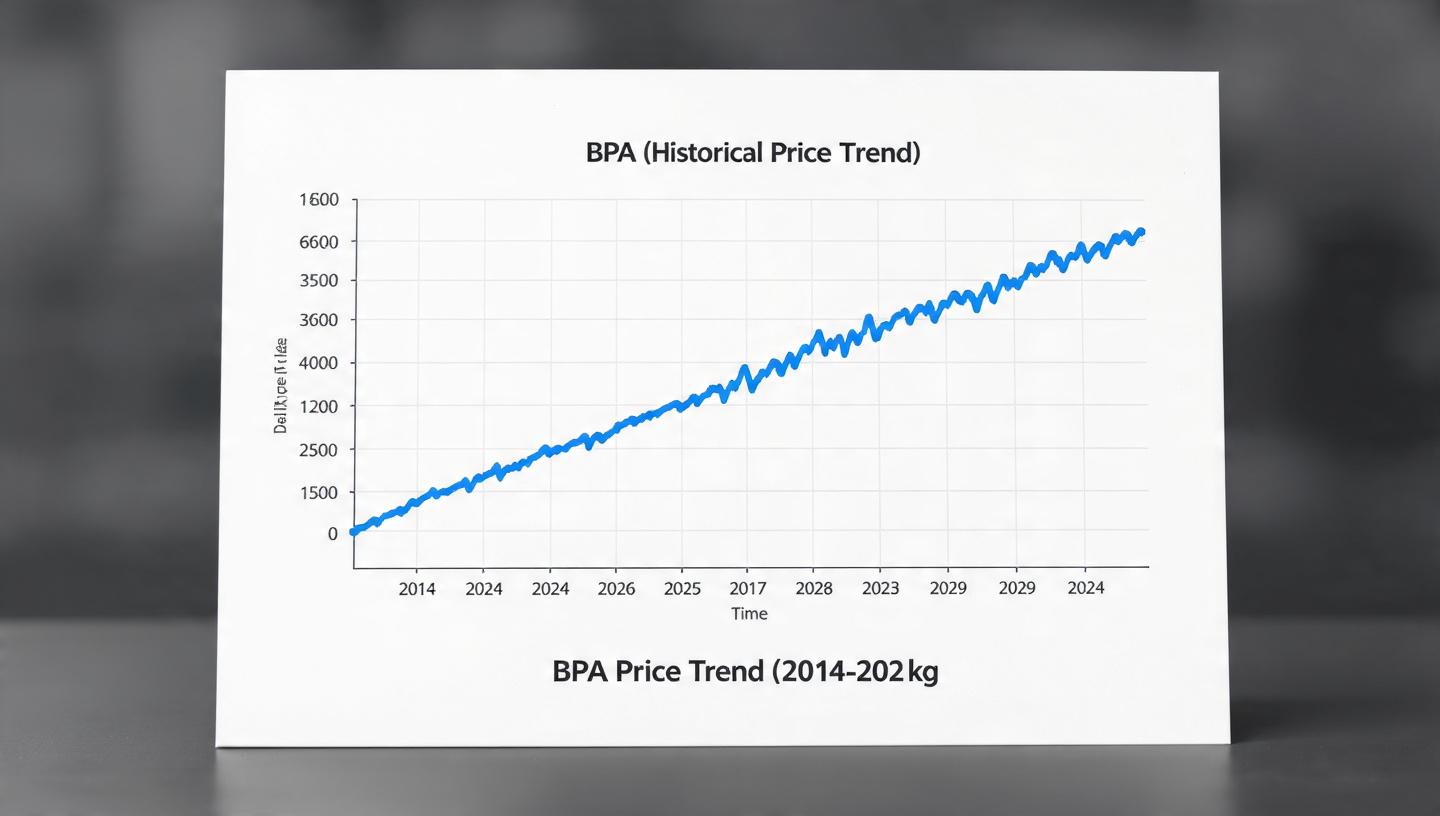
  • VAE Redispersible Powder Price Trend: Comprehensive Historical Trajectory, Current Market Assessment, and Future Outlook

    VAE redispersible powder is widely used in construction materials such as tile adhesives, wall putty, self-leveling compounds, and repair mortars. It helps improve bonding strength, flexibility, and durability, making it an essential component in modern construction practices. Over the years, the demand for this powder has grown steadily due to rising infrastructure development and renovation activities. As demand grows, the VAE redispersible powder price trend has become an important topic for manufacturers, contractors, and suppliers who rely on stable pricing for planning and budgeting.

    Please Submit Your Query for VAE Redispersible Powder Price Trend, demand-supply, suppliers, market analysis:https://www.price-watch.ai/book-a-demo/

    Understanding the Basics of VAE Redispersible Powder Pricing

    The price of VAE redispersible powder is influenced by several interconnected factors. At a basic level, raw material costs play a major role. Vinyl acetate monomer and ethylene, which are key inputs, are closely linked to petrochemical markets. When crude oil prices fluctuate, the cost of these raw materials often moves in the same direction. This direct connection makes the VAE redispersible powder price trend sensitive to energy market changes.
    Production costs also matter. Manufacturing this powder requires specialized equipment, controlled processing conditions, and energy-intensive operations. Any rise in electricity, fuel, or labor costs can reflect quickly in market prices. Transportation expenses further add to the final cost, especially since construction chemicals are often shipped in bulk across regions.

    Demand Patterns Shaping the VAE Redispersible Powder Price Trend

    Demand from the construction sector is one of the strongest drivers of price movement. During periods of strong construction activity, especially in residential and commercial projects, consumption increases rapidly. This higher demand often pushes prices upward, particularly when supply struggles to keep pace.
    Seasonal demand also affects the VAE redispersible powder price trend. Construction activity usually slows during extreme weather conditions such as heavy monsoons or harsh winters in some regions. During these periods, demand may soften, leading to stable or slightly lower prices. Conversely, peak construction seasons often bring higher demand and firmer pricing.

    Supply Chain Factors and Their Impact on Pricing

    Supply-side dynamics play an equally important role in shaping the VAE redispersible powder price trend. Production capacity, plant maintenance schedules, and unexpected shutdowns can limit availability. When supply tightens, even modest demand can push prices higher.
    Logistics and shipping conditions also influence price stability. Delays at ports, container shortages, or rising freight rates can disrupt supply chains and increase landed costs. In recent years, global supply chain disruptions have highlighted how sensitive chemical prices can be to logistical challenges, and VAE redispersible powder is no exception.

    Conclusion

    The VAE redispersible powder price trend reflects a complex mix of raw material costs, energy prices, construction demand, supply chain conditions, and regional market factors. While short-term fluctuations are common, the long-term outlook remains supported by steady growth in the construction sector. For buyers and suppliers alike, understanding these underlying factors helps in making informed decisions and managing costs more effectively in a changing market environment.

    Please Submit Your Query for VAE Redispersible Powder Price Trend, demand-supply, suppliers, market analysis:https://www.price-watch.ai/book-a-demo/

    About Price Watch™ AI

    Price-Watch AI is an India-based, independent raw material price reporting agency that provides real-time price forecasts and data-driven insights into global raw material markets. Price-Watch AI specializes in tracking raw material prices, analyzing market trends, and delivering timely updates on plant shutdowns, supply disruptions, capacity expansions, and demand-supply dynamics. The Price-Watch AI platform empowers manufacturers, traders, and procurement professionals to make faster, smarter decisions. Leveraging AI-powered forecasting and over a decade of historical data, Price-Watch AI transforms market volatility into actionable opportunity.

    Futura Tech Park,
    C Block, 8th floor 334,
    Old Mahabalipuram Road,
    Sholinganallur, Chennai,
    Tamil Nadu, Pincode - 600119.

    LinkedIn: https://www.linkedin.com/company/price-watch-ai/
    Facebook: https://www.facebook.com/people/Price-Watch/61568490385598/
    Twitter: https://x.com/pricewatchai
    Website: https://www.price-watch.ai/
    VAE Redispersible Powder Price Trend: Comprehensive Historical Trajectory, Current Market Assessment, and Future Outlook VAE redispersible powder is widely used in construction materials such as tile adhesives, wall putty, self-leveling compounds, and repair mortars. It helps improve bonding strength, flexibility, and durability, making it an essential component in modern construction practices. Over the years, the demand for this powder has grown steadily due to rising infrastructure development and renovation activities. As demand grows, the VAE redispersible powder price trend has become an important topic for manufacturers, contractors, and suppliers who rely on stable pricing for planning and budgeting. 👉 👉 👉 Please Submit Your Query for VAE Redispersible Powder Price Trend, demand-supply, suppliers, market analysis:https://www.price-watch.ai/book-a-demo/ Understanding the Basics of VAE Redispersible Powder Pricing The price of VAE redispersible powder is influenced by several interconnected factors. At a basic level, raw material costs play a major role. Vinyl acetate monomer and ethylene, which are key inputs, are closely linked to petrochemical markets. When crude oil prices fluctuate, the cost of these raw materials often moves in the same direction. This direct connection makes the VAE redispersible powder price trend sensitive to energy market changes. Production costs also matter. Manufacturing this powder requires specialized equipment, controlled processing conditions, and energy-intensive operations. Any rise in electricity, fuel, or labor costs can reflect quickly in market prices. Transportation expenses further add to the final cost, especially since construction chemicals are often shipped in bulk across regions. Demand Patterns Shaping the VAE Redispersible Powder Price Trend Demand from the construction sector is one of the strongest drivers of price movement. During periods of strong construction activity, especially in residential and commercial projects, consumption increases rapidly. This higher demand often pushes prices upward, particularly when supply struggles to keep pace. Seasonal demand also affects the VAE redispersible powder price trend. Construction activity usually slows during extreme weather conditions such as heavy monsoons or harsh winters in some regions. During these periods, demand may soften, leading to stable or slightly lower prices. Conversely, peak construction seasons often bring higher demand and firmer pricing. Supply Chain Factors and Their Impact on Pricing Supply-side dynamics play an equally important role in shaping the VAE redispersible powder price trend. Production capacity, plant maintenance schedules, and unexpected shutdowns can limit availability. When supply tightens, even modest demand can push prices higher. Logistics and shipping conditions also influence price stability. Delays at ports, container shortages, or rising freight rates can disrupt supply chains and increase landed costs. In recent years, global supply chain disruptions have highlighted how sensitive chemical prices can be to logistical challenges, and VAE redispersible powder is no exception. Conclusion The VAE redispersible powder price trend reflects a complex mix of raw material costs, energy prices, construction demand, supply chain conditions, and regional market factors. While short-term fluctuations are common, the long-term outlook remains supported by steady growth in the construction sector. For buyers and suppliers alike, understanding these underlying factors helps in making informed decisions and managing costs more effectively in a changing market environment. 👉 👉 👉 Please Submit Your Query for VAE Redispersible Powder Price Trend, demand-supply, suppliers, market analysis:https://www.price-watch.ai/book-a-demo/ About Price Watch™ AI Price-Watch AI is an India-based, independent raw material price reporting agency that provides real-time price forecasts and data-driven insights into global raw material markets. Price-Watch AI specializes in tracking raw material prices, analyzing market trends, and delivering timely updates on plant shutdowns, supply disruptions, capacity expansions, and demand-supply dynamics. The Price-Watch AI platform empowers manufacturers, traders, and procurement professionals to make faster, smarter decisions. Leveraging AI-powered forecasting and over a decade of historical data, Price-Watch AI transforms market volatility into actionable opportunity. Futura Tech Park, C Block, 8th floor 334, Old Mahabalipuram Road, Sholinganallur, Chennai, Tamil Nadu, Pincode - 600119. LinkedIn: https://www.linkedin.com/company/price-watch-ai/ Facebook: https://www.facebook.com/people/Price-Watch/61568490385598/ Twitter: https://x.com/pricewatchai Website: https://www.price-watch.ai/
    0 Commentarii 0 Distribuiri 378 Views 0 previzualizare
  • Highline Supplies: Your Reliable Source for Quality Building Materials!

    Highline Supplies is a trusted supplier of premium building and construction materials, serving contractors, builders, and homeowners with dependable products and exceptional service. Based in Garland, Texas, the company has built a strong reputation for delivering quality materials that support residential and commercial projects of all sizes.
    https://highlinesupplies.com/
    Highline Supplies: Your Reliable Source for Quality Building Materials! Highline Supplies is a trusted supplier of premium building and construction materials, serving contractors, builders, and homeowners with dependable products and exceptional service. Based in Garland, Texas, the company has built a strong reputation for delivering quality materials that support residential and commercial projects of all sizes. https://highlinesupplies.com/
    HIGHLINESUPPLIES.COM
    Highline Building Supplies
    Buy windows and doors online with ease. Choose stylish designs that enhance your home’s look while providing lasting performance.
    0 Commentarii 0 Distribuiri 213 Views 0 previzualizare
  • Affordability meets quality with Delusion Interio — a dependable construction company in Mohali. We believe quality construction doesn’t have to come with a premium price tag. With tailored budget plans, transparent cost breakdowns, and durable construction materials, we make it easier for homeowners and businesses to build without compromise. Our projects blend function, form, and affordability, making us the preferred choice for smart investors. If you're building in Mohali, trust Delusion Interio for a solid foundation at the right cost.
    For more visit: https://www.delusioninterio.com/blogs/top-construction-company-in-chandigarh-mohali
    Affordability meets quality with Delusion Interio — a dependable construction company in Mohali. We believe quality construction doesn’t have to come with a premium price tag. With tailored budget plans, transparent cost breakdowns, and durable construction materials, we make it easier for homeowners and businesses to build without compromise. Our projects blend function, form, and affordability, making us the preferred choice for smart investors. If you're building in Mohali, trust Delusion Interio for a solid foundation at the right cost. For more visit: https://www.delusioninterio.com/blogs/top-construction-company-in-chandigarh-mohali
    WWW.DELUSIONINTERIO.COM
    Building the Future with the Top Construction Company.
    Find out how the top construction company in Chandigarh Mohali, Delusion Interio, turns interior design into breathtaking works of art!
    Like
    1
    0 Commentarii 0 Distribuiri 538 Views 0 previzualizare
Sponsor
Sponsor