• Top 10 Companies Leading the Hydrophilic Polyurethane Foam Dressings Market

    According to a newly published market research report by 24LifeSciences, global hydrophilic polyurethane foam dressings market was valued at USD 351 million in 2024 and is projected to reach USD 532 million by 2031, growing at a compound annual growth rate (CAGR) of 6.2% during the forecast period 2025–2031.

    Hydrophilic polyurethane foam dressings represent a significant advancement in wound care technology, engineered with highly absorbent porous structures that rapidly draw in and retain exudate while maintaining an optimal moisture balance crucial for healing. These dressings are specifically designed not to adhere to wound beds, significantly reducing trauma and pain during dressing changes, which is a common issue with traditional gauze. Their unique hydrophilic properties ensure they remain soft and elastic even when fully saturated, allowing them to conform comfortably to irregular anatomical contours and enhance overall patient comfort. Compared to conventional foam dressings, they offer superior fluid handling capacity and leakage prevention, and can be further augmented with breathable layers or antimicrobial agents for enhanced infection control in complex wound scenarios.

    Download a Free Sample Report (PDF): https://www.24lifesciences.com/download-sample/5308/hydrophilic-polyurethane-foam-dressings-market
    Top 10 Companies Leading the Hydrophilic Polyurethane Foam Dressings Market According to a newly published market research report by 24LifeSciences, global hydrophilic polyurethane foam dressings market was valued at USD 351 million in 2024 and is projected to reach USD 532 million by 2031, growing at a compound annual growth rate (CAGR) of 6.2% during the forecast period 2025–2031. Hydrophilic polyurethane foam dressings represent a significant advancement in wound care technology, engineered with highly absorbent porous structures that rapidly draw in and retain exudate while maintaining an optimal moisture balance crucial for healing. These dressings are specifically designed not to adhere to wound beds, significantly reducing trauma and pain during dressing changes, which is a common issue with traditional gauze. Their unique hydrophilic properties ensure they remain soft and elastic even when fully saturated, allowing them to conform comfortably to irregular anatomical contours and enhance overall patient comfort. Compared to conventional foam dressings, they offer superior fluid handling capacity and leakage prevention, and can be further augmented with breathable layers or antimicrobial agents for enhanced infection control in complex wound scenarios. Download a Free Sample Report (PDF): https://www.24lifesciences.com/download-sample/5308/hydrophilic-polyurethane-foam-dressings-market
    0 Reacties 0 aandelen 258 Views 0 voorbeeld
  • https://www.databridgemarketresearch.com/reports/europe-thermoplastic-polyurethane-market
    https://www.databridgemarketresearch.com/reports/europe-thermoplastic-polyurethane-market
    Europe Thermoplastic Polyurethane (TPU) Market Size & Share | Industry Growth 2032
    Europe Thermoplastic Polyurethane (TPU) Market recorded a value of USD 852.84 Million in 2024 and is likely to attain USD 1,498.53 Million by 2032, increasing at a CAGR of 8.7% (2025–2032).
    0 Reacties 0 aandelen 45 Views 0 voorbeeld
  • https://www.databridgemarketresearch.com/reports/middle-east-africa-polyurethane-foam-market
    https://www.databridgemarketresearch.com/reports/middle-east-africa-polyurethane-foam-market
    Middle East and Africa Polyurethane Foam Market Size & Share | Industry Growth 2032
    Middle East and Africa Polyurethane Foam Market recorded a value of USD 2.20 Billion in 2024 and is likely to attain USD 3.37 Billion by 2032, increasing at a CAGR of 5.6% (2025–2032).
    0 Reacties 0 aandelen 133 Views 0 voorbeeld
  • In Q3 2025, the global PTMEG Price Trend showed a mixed pattern, with some countries seeing clear price increases while others experienced small declines. PTMEG, or Polytetramethylene Ether Glycol, is mainly used in the production of spandex fibers, elastomers, and polyurethane materials. Because of its strong link to textiles, automotive parts, and chemical manufacturing, PTMEG Prices usually move in line with industrial activity.

    Access Real-Time Prices on PTMEG: https://www.price-watch.ai/ptmeg-prices/
    In Q3 2025, the global PTMEG Price Trend showed a mixed pattern, with some countries seeing clear price increases while others experienced small declines. PTMEG, or Polytetramethylene Ether Glycol, is mainly used in the production of spandex fibers, elastomers, and polyurethane materials. Because of its strong link to textiles, automotive parts, and chemical manufacturing, PTMEG Prices usually move in line with industrial activity. Access Real-Time Prices on PTMEG: https://www.price-watch.ai/ptmeg-prices/
    WWW.PRICE-WATCH.AI
    Polytetramethylene Ether Glycol (PTMEG)
    Polytetramethylene Ether Glycol (PTMEG) price trend analysis with real time forecasts, market trends, Index, chart and historical data.
    0 Reacties 0 aandelen 154 Views 0 voorbeeld
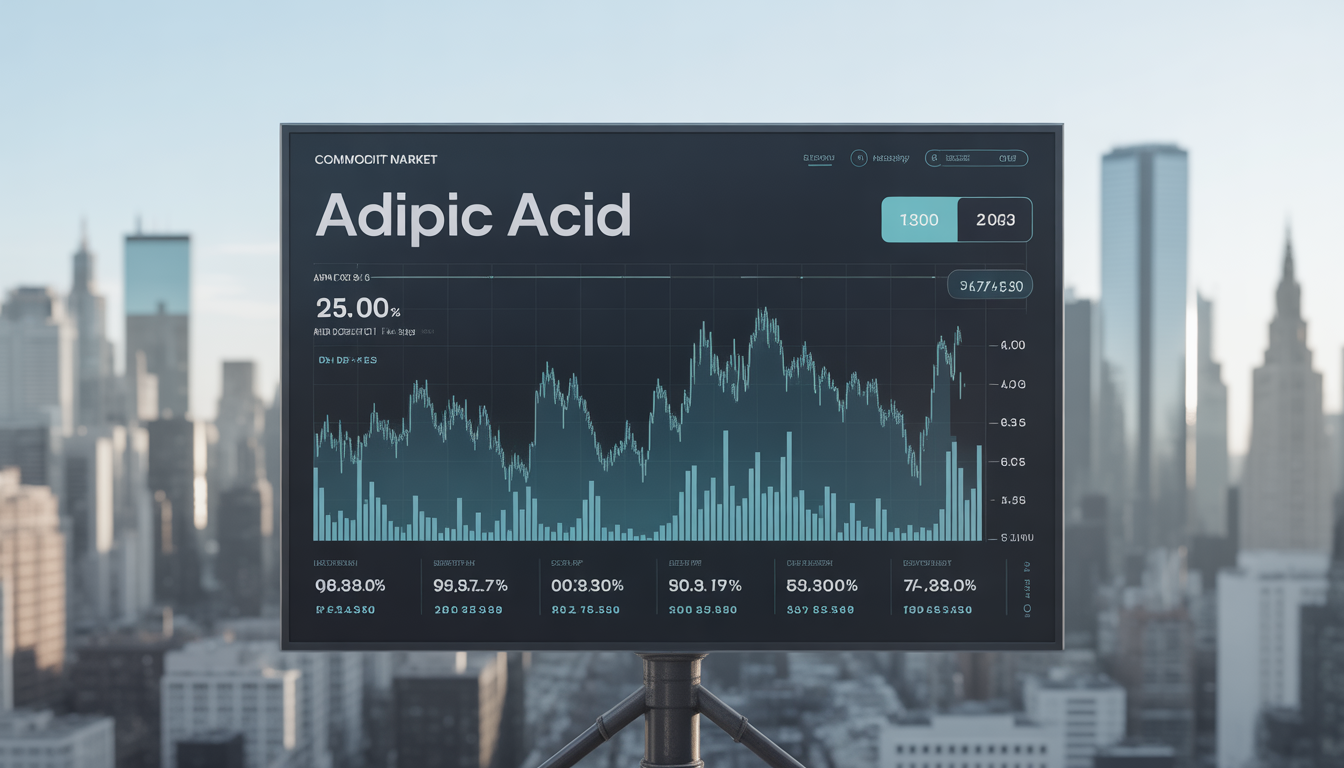
  • Market Movements and Future Forecast of Adipic Acid Prices

    The Adipic Acid Price Trend is an important subject for industries connected to plastics, automotive parts, textiles, and packaging. Adipic acid is mainly used in the production of nylon 6,6, polyurethane resins, and plasticizers. Since these materials are found in many everyday products such as carpets, tire cords, and engineering plastics, changes in Adipic Acid Prices directly influence manufacturing costs.

    Read More about it- https://www.price-watch.ai/adipic-acid-prices/
    Market Movements and Future Forecast of Adipic Acid Prices The Adipic Acid Price Trend is an important subject for industries connected to plastics, automotive parts, textiles, and packaging. Adipic acid is mainly used in the production of nylon 6,6, polyurethane resins, and plasticizers. Since these materials are found in many everyday products such as carpets, tire cords, and engineering plastics, changes in Adipic Acid Prices directly influence manufacturing costs. Read More about it- https://www.price-watch.ai/adipic-acid-prices/
    0 Reacties 0 aandelen 442 Views 0 voorbeeld
  • In the third quarter (Q3) of 2025, the global Polypropylene Glycol price trend showed a mostly downward movement. On average, prices declined by around 2–3% compared to the second quarter (Q2) of 2025. The main reasons behind this drop were weaker demand from key sectors such as polyurethane foams and coatings, oversupply in some regions, and slower industrial activity. Even though feedstock and energy prices remained mostly stable, market conditions were soft.

    Access Real-Time Prices on PPG: https://www.price-watch.ai/polypropylene-glycol-prices/
    In the third quarter (Q3) of 2025, the global Polypropylene Glycol price trend showed a mostly downward movement. On average, prices declined by around 2–3% compared to the second quarter (Q2) of 2025. The main reasons behind this drop were weaker demand from key sectors such as polyurethane foams and coatings, oversupply in some regions, and slower industrial activity. Even though feedstock and energy prices remained mostly stable, market conditions were soft. Access Real-Time Prices on PPG: https://www.price-watch.ai/polypropylene-glycol-prices/
    WWW.PRICE-WATCH.AI
    Polypropylene Glycol (PPG)
    Polypropylene Glycol (PPG) price trends with weekly forecasts, supply-demand, index, market trends, suppliers and historical data.
    0 Reacties 0 aandelen 103 Views 0 voorbeeld
  • Adipic Acid Price Trend Analysis: Supply, Demand, and Market Insights

    Adipic acid prices have become an important topic for manufacturers, traders, and even end users in recent years. While it may sound like a highly technical subject, the basic idea is quite simple. Adipic acid is a chemical compound mainly used in the production of nylon, polyurethane, and various plastic and coating materials. Because it plays such a key role in everyday products, changes in Adipic Acid Prices can affect many industries at once.


    Read More about it- https://www.price-watch.ai/adipic-acid-prices/
    Adipic Acid Price Trend Analysis: Supply, Demand, and Market Insights Adipic acid prices have become an important topic for manufacturers, traders, and even end users in recent years. While it may sound like a highly technical subject, the basic idea is quite simple. Adipic acid is a chemical compound mainly used in the production of nylon, polyurethane, and various plastic and coating materials. Because it plays such a key role in everyday products, changes in Adipic Acid Prices can affect many industries at once. Read More about it- https://www.price-watch.ai/adipic-acid-prices/
    0 Reacties 0 aandelen 94 Views 0 voorbeeld
  • Aniline Prices Overview: Understanding Market Movement and Demand

    Aniline Prices are an important indicator in the global chemical industry because aniline is widely used in the production of dyes, rubber processing chemicals, pharmaceuticals, and especially methylene diphenyl diisocyanate, which is used to make polyurethane foams. Since polyurethane is found in furniture, automotive seating, insulation materials, and appliances, the demand for aniline is closely linked to everyday industrial and consumer products. For this reason, changes in aniline prices often reflect wider industrial activity and economic conditions.

    Read More about it- https://www.price-watch.ai/aniline-prices/
    Aniline Prices Overview: Understanding Market Movement and Demand Aniline Prices are an important indicator in the global chemical industry because aniline is widely used in the production of dyes, rubber processing chemicals, pharmaceuticals, and especially methylene diphenyl diisocyanate, which is used to make polyurethane foams. Since polyurethane is found in furniture, automotive seating, insulation materials, and appliances, the demand for aniline is closely linked to everyday industrial and consumer products. For this reason, changes in aniline prices often reflect wider industrial activity and economic conditions. Read More about it- https://www.price-watch.ai/aniline-prices/
    0 Reacties 0 aandelen 363 Views 0 voorbeeld
  • Adipic Acid Prices Overview: Understanding Market Movement and Demand

    Adipic Acid Prices are an important indicator in the global chemical market because adipic acid is widely used in the production of nylon, polyurethane, and various industrial materials. From automotive components to textiles and packaging applications, this chemical plays a key role in many everyday products. Because of this wide usage, changes in adipic acid prices often reflect shifts in industrial activity and overall economic conditions. The market usually follows a structured pattern, where supply, demand, and production costs work together to influence price movement.


    Read More about it- https://www.price-watch.ai/adipic-acid-prices/
    Adipic Acid Prices Overview: Understanding Market Movement and Demand Adipic Acid Prices are an important indicator in the global chemical market because adipic acid is widely used in the production of nylon, polyurethane, and various industrial materials. From automotive components to textiles and packaging applications, this chemical plays a key role in many everyday products. Because of this wide usage, changes in adipic acid prices often reflect shifts in industrial activity and overall economic conditions. The market usually follows a structured pattern, where supply, demand, and production costs work together to influence price movement. Read More about it- https://www.price-watch.ai/adipic-acid-prices/
    0 Reacties 0 aandelen 302 Views 0 voorbeeld
  • Cyclopentane Prices: A Clear and Practical Market View

    Cyclopentane prices are an important point of discussion for industries that rely on insulation materials, refrigeration, and specialty chemical applications. Cyclopentane is mainly used as a blowing agent in the production of rigid polyurethane foams, which are commonly found in refrigerators, freezers, and building insulation. Because these products are closely linked to everyday life, changes in cyclopentane prices often reflect broader industrial and economic conditions. Understanding how these prices move helps businesses plan purchases and manage costs more effectively.


    Read More- https://www.price-watch.ai/cyclopentane-prices/
    Cyclopentane Prices: A Clear and Practical Market View Cyclopentane prices are an important point of discussion for industries that rely on insulation materials, refrigeration, and specialty chemical applications. Cyclopentane is mainly used as a blowing agent in the production of rigid polyurethane foams, which are commonly found in refrigerators, freezers, and building insulation. Because these products are closely linked to everyday life, changes in cyclopentane prices often reflect broader industrial and economic conditions. Understanding how these prices move helps businesses plan purchases and manage costs more effectively. Read More- https://www.price-watch.ai/cyclopentane-prices/
    0 Reacties 0 aandelen 177 Views 0 voorbeeld
  • Methylene Diphenyl Diisocyanate (MDI) Price Trend Guide: Historical Performance, Key Market Drivers, and Forecast Analysis

    Methylene Diphenyl Diisocyanate Price Trend commonly known as MDI, is an important chemical used mainly in the production of polyurethane products. These products are part of our daily lives, from mattresses and sofas to insulation materials, adhesives, and coatings. Because MDI is so closely connected to construction, furniture, automotive, and appliance industries, its price trend often reflects what is happening in the wider economy. Over time, the Methylene Diphenyl Diisocyanate price trend has shown noticeable ups and downs, influenced by raw materials, energy costs, and overall market demand.

    Please Submit Your Query for Methylene Diphenyl Diisocyanate Price Trend, demand-supply, suppliers, market analysis:https://www.price-watch.ai/book-a-demo/

    Factors Influencing Methylene Diphenyl Diisocyanate Prices

    One of the main factors affecting the Methylene Diphenyl Diisocyanate price trend is the cost of raw materials. MDI is produced using benzene and aniline, both of which are derived from crude oil. When crude oil prices rise, the cost of these raw materials also increases, putting pressure on MDI prices. On the other hand, when oil prices are stable or falling, manufacturers may get some cost relief, which can help keep MDI prices steady.
    Energy costs also play a big role. The production of MDI is energy-intensive, requiring significant electricity and heat. Any increase in power, gas, or fuel prices directly affects production expenses. In many regions, changes in energy policies or fuel shortages have led to higher manufacturing costs, which are often passed on to buyers through higher MDI prices.

    Impact of Supply and Demand on MDI Price Trend

    Supply and demand balance is another key driver of the Methylene Diphenyl Diisocyanate price trend. When construction and manufacturing activities are strong, demand for polyurethane products increases. This leads to higher consumption of MDI, pushing prices upward. During periods of economic slowdown, demand from major sectors such as construction and automotive may weaken, resulting in lower MDI consumption and softer prices.
    Supply disruptions can also cause sudden price changes. Maintenance shutdowns at production plants, unexpected technical issues, or logistics problems can reduce MDI availability in the market. When supply tightens while demand remains steady, prices tend to rise quickly. In contrast, when new production capacities come online or inventories build up, the market may experience oversupply, leading to price corrections.

    Regional Trends in Methylene Diphenyl Diisocyanate Market

    The Methylene Diphenyl Diisocyanate price trend can vary across regions due to local market conditions. In Asia, especially in countries with strong manufacturing and construction sectors, MDI demand is often high. Rapid urban development and infrastructure projects usually support stable or rising prices in this region. However, any slowdown in construction activity can quickly change the price direction.

    Conclusion

    The Methylene Diphenyl Diisocyanate price trend is shaped by a combination of raw material costs, energy prices, supply-demand balance, and global economic conditions. As MDI remains a crucial component in many everyday products, its price behavior closely follows industrial activity and market sentiment. Understanding these factors helps businesses and buyers make informed decisions and prepare for future market changes in a more confident way.

    Please Submit Your Query for Methylene Diphenyl Diisocyanate Price Trend, demand-supply, suppliers, market analysis:https://www.price-watch.ai/book-a-demo/

    About Price Watchβ„’ AI

    Price-Watch AI is an India-based, independent raw material price reporting agency that provides real-time price forecasts and data-driven insights into global raw material markets. Price-Watch AI specializes in tracking raw material prices, analyzing market trends, and delivering timely updates on plant shutdowns, supply disruptions, capacity expansions, and demand-supply dynamics. The Price-Watch AI platform empowers manufacturers, traders, and procurement professionals to make faster, smarter decisions. Leveraging AI-powered forecasting and over a decade of historical data, Price-Watch AI transforms market volatility into actionable opportunity.

    Futura Tech Park,
    C Block, 8th floor 334,
    Old Mahabalipuram Road,
    Sholinganallur, Chennai,
    Tamil Nadu, Pincode - 600119.

    LinkedIn: https://www.linkedin.com/company/price-watch-ai/
    Facebook: https://www.facebook.com/people/Price-Watch/61568490385598/
    Twitter: https://x.com/pricewatchai
    Website: https://www.price-watch.ai/

    Methylene Diphenyl Diisocyanate (MDI) Price Trend Guide: Historical Performance, Key Market Drivers, and Forecast Analysis Methylene Diphenyl Diisocyanate Price Trend commonly known as MDI, is an important chemical used mainly in the production of polyurethane products. These products are part of our daily lives, from mattresses and sofas to insulation materials, adhesives, and coatings. Because MDI is so closely connected to construction, furniture, automotive, and appliance industries, its price trend often reflects what is happening in the wider economy. Over time, the Methylene Diphenyl Diisocyanate price trend has shown noticeable ups and downs, influenced by raw materials, energy costs, and overall market demand. πŸ‘‰ πŸ‘‰ πŸ‘‰ Please Submit Your Query for Methylene Diphenyl Diisocyanate Price Trend, demand-supply, suppliers, market analysis:https://www.price-watch.ai/book-a-demo/ Factors Influencing Methylene Diphenyl Diisocyanate Prices One of the main factors affecting the Methylene Diphenyl Diisocyanate price trend is the cost of raw materials. MDI is produced using benzene and aniline, both of which are derived from crude oil. When crude oil prices rise, the cost of these raw materials also increases, putting pressure on MDI prices. On the other hand, when oil prices are stable or falling, manufacturers may get some cost relief, which can help keep MDI prices steady. Energy costs also play a big role. The production of MDI is energy-intensive, requiring significant electricity and heat. Any increase in power, gas, or fuel prices directly affects production expenses. In many regions, changes in energy policies or fuel shortages have led to higher manufacturing costs, which are often passed on to buyers through higher MDI prices. Impact of Supply and Demand on MDI Price Trend Supply and demand balance is another key driver of the Methylene Diphenyl Diisocyanate price trend. When construction and manufacturing activities are strong, demand for polyurethane products increases. This leads to higher consumption of MDI, pushing prices upward. During periods of economic slowdown, demand from major sectors such as construction and automotive may weaken, resulting in lower MDI consumption and softer prices. Supply disruptions can also cause sudden price changes. Maintenance shutdowns at production plants, unexpected technical issues, or logistics problems can reduce MDI availability in the market. When supply tightens while demand remains steady, prices tend to rise quickly. In contrast, when new production capacities come online or inventories build up, the market may experience oversupply, leading to price corrections. Regional Trends in Methylene Diphenyl Diisocyanate Market The Methylene Diphenyl Diisocyanate price trend can vary across regions due to local market conditions. In Asia, especially in countries with strong manufacturing and construction sectors, MDI demand is often high. Rapid urban development and infrastructure projects usually support stable or rising prices in this region. However, any slowdown in construction activity can quickly change the price direction. Conclusion The Methylene Diphenyl Diisocyanate price trend is shaped by a combination of raw material costs, energy prices, supply-demand balance, and global economic conditions. As MDI remains a crucial component in many everyday products, its price behavior closely follows industrial activity and market sentiment. Understanding these factors helps businesses and buyers make informed decisions and prepare for future market changes in a more confident way. πŸ‘‰ πŸ‘‰ πŸ‘‰ Please Submit Your Query for Methylene Diphenyl Diisocyanate Price Trend, demand-supply, suppliers, market analysis:https://www.price-watch.ai/book-a-demo/ About Price Watch™ AI Price-Watch AI is an India-based, independent raw material price reporting agency that provides real-time price forecasts and data-driven insights into global raw material markets. Price-Watch AI specializes in tracking raw material prices, analyzing market trends, and delivering timely updates on plant shutdowns, supply disruptions, capacity expansions, and demand-supply dynamics. The Price-Watch AI platform empowers manufacturers, traders, and procurement professionals to make faster, smarter decisions. Leveraging AI-powered forecasting and over a decade of historical data, Price-Watch AI transforms market volatility into actionable opportunity. Futura Tech Park, C Block, 8th floor 334, Old Mahabalipuram Road, Sholinganallur, Chennai, Tamil Nadu, Pincode - 600119. LinkedIn: https://www.linkedin.com/company/price-watch-ai/ Facebook: https://www.facebook.com/people/Price-Watch/61568490385598/ Twitter: https://x.com/pricewatchai Website: https://www.price-watch.ai/

    0 Reacties 0 aandelen 777 Views 0 voorbeeld
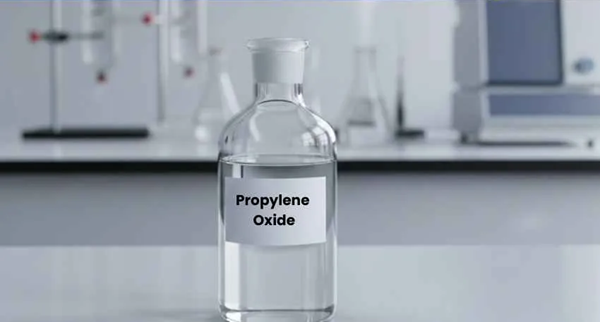
  • Propylene Oxide Price Trend Report: Historical Movements, Current Market Fluctuations, Key Influencers, and Future Outlook for the Petrochemical Industry

    The propylene oxide price trend has become an important topic for many industries because this chemical plays a key role in everyday products. From furniture and mattresses to car interiors and packaging, propylene oxide is used to make polyols, which later turn into polyurethane foams. Because it is so closely linked to daily life and industrial activity, changes in its price often reflect wider market conditions. Understanding this trend does not require deep technical knowledge; it can be explained through general experience and common market behavior.

    Please Submit Your Query for Propylene Oxide Price Trend demand-supply, suppliers, market analysis:https://www.price-watch.ai/book-a-demo/

    What Is Propylene Oxide and Why It Matters

    Propylene oxide is a basic industrial chemical mainly used as an intermediate rather than a finished product. Most people may not recognize its name, but they interact with products made from it every day. Since it is widely used, any change in its availability or cost can affect multiple sectors at once. This wide usage makes the propylene oxide price trend sensitive to supply chain movements, raw material costs, and overall economic health.

    Role of Raw Materials in Price Movement

    One of the biggest factors influencing the propylene oxide price trend is the cost of raw materials. Propylene, which is derived from crude oil or natural gas, is the primary input. When energy prices rise, the cost of producing propylene usually increases. This extra cost often passes through the value chain, eventually affecting propylene oxide prices. In times when oil prices are unstable, propylene oxide prices also tend to fluctuate, showing how closely they are connected.

    Impact of Supply and Production Conditions

    Production capacity and plant operations strongly influence the propylene oxide price trend. When production runs smoothly and supply is balanced with demand, prices generally remain stable. However, if factories face shutdowns due to maintenance, technical issues, or unexpected events, supply tightens. Even short-term disruptions can cause noticeable price increases because many industries rely on steady deliveries. On the other hand, when new production facilities start operating, prices may soften due to higher availability.

    Demand from Key End-Use Industries

    Demand patterns play a major role in shaping the propylene oxide price trend. Construction, automotive, furniture, and appliance manufacturing are some of the largest consumers. During periods of economic growth, these industries usually expand, leading to higher demand for polyurethane-based products. This increased demand often pushes propylene oxide prices upward. In contrast, during slow economic periods or reduced consumer spending, demand drops, and prices may decline or stabilize at lower levels.

    Influence of Seasonal and Regional Factors

    Seasonal trends can also affect the propylene oxide price trend. For example, construction activity often slows during extreme weather conditions, which can reduce short-term demand. Regional differences matter as well. Prices may vary depending on local production capacity, import dependence, and transportation costs. Regions with strong domestic manufacturing may experience more stable pricing, while areas relying heavily on imports can see sharper price movements due to logistics or trade issues.

    Please Submit Your Query for Propylene Oxide Price Trend demand-supply, suppliers, market analysis:https://www.price-watch.ai/book-a-demo/

    About Price Watchβ„’ AI

    Price-Watch AI is an India-based, independent raw material price reporting agency that provides real-time price forecasts and data-driven insights into global raw material markets. Price-Watch AI specializes in tracking raw material prices, analyzing market trends, and delivering timely updates on plant shutdowns, supply disruptions, capacity expansions, and demand-supply dynamics. The Price-Watch AI platform empowers manufacturers, traders, and procurement professionals to make faster, smarter decisions. Leveraging AI-powered forecasting and over a decade of historical data, Price-Watch AI transforms market volatility into actionable opportunity.

    Futura Tech Park,
    C Block, 8th floor 334,
    Old Mahabalipuram Road,
    Sholinganallur, Chennai,
    Tamil Nadu, Pincode - 600119.

    LinkedIn: https://www.linkedin.com/company/price-watch-ai/
    Facebook: https://www.facebook.com/people/Price-Watch/61568490385598/
    Twitter: https://x.com/pricewatchai
    Website: https://www.price-watch.ai/

    Propylene Oxide Price Trend Report: Historical Movements, Current Market Fluctuations, Key Influencers, and Future Outlook for the Petrochemical Industry The propylene oxide price trend has become an important topic for many industries because this chemical plays a key role in everyday products. From furniture and mattresses to car interiors and packaging, propylene oxide is used to make polyols, which later turn into polyurethane foams. Because it is so closely linked to daily life and industrial activity, changes in its price often reflect wider market conditions. Understanding this trend does not require deep technical knowledge; it can be explained through general experience and common market behavior. πŸ‘‰ πŸ‘‰ πŸ‘‰ Please Submit Your Query for Propylene Oxide Price Trend demand-supply, suppliers, market analysis:https://www.price-watch.ai/book-a-demo/ What Is Propylene Oxide and Why It Matters Propylene oxide is a basic industrial chemical mainly used as an intermediate rather than a finished product. Most people may not recognize its name, but they interact with products made from it every day. Since it is widely used, any change in its availability or cost can affect multiple sectors at once. This wide usage makes the propylene oxide price trend sensitive to supply chain movements, raw material costs, and overall economic health. Role of Raw Materials in Price Movement One of the biggest factors influencing the propylene oxide price trend is the cost of raw materials. Propylene, which is derived from crude oil or natural gas, is the primary input. When energy prices rise, the cost of producing propylene usually increases. This extra cost often passes through the value chain, eventually affecting propylene oxide prices. In times when oil prices are unstable, propylene oxide prices also tend to fluctuate, showing how closely they are connected. Impact of Supply and Production Conditions Production capacity and plant operations strongly influence the propylene oxide price trend. When production runs smoothly and supply is balanced with demand, prices generally remain stable. However, if factories face shutdowns due to maintenance, technical issues, or unexpected events, supply tightens. Even short-term disruptions can cause noticeable price increases because many industries rely on steady deliveries. On the other hand, when new production facilities start operating, prices may soften due to higher availability. Demand from Key End-Use Industries Demand patterns play a major role in shaping the propylene oxide price trend. Construction, automotive, furniture, and appliance manufacturing are some of the largest consumers. During periods of economic growth, these industries usually expand, leading to higher demand for polyurethane-based products. This increased demand often pushes propylene oxide prices upward. In contrast, during slow economic periods or reduced consumer spending, demand drops, and prices may decline or stabilize at lower levels. Influence of Seasonal and Regional Factors Seasonal trends can also affect the propylene oxide price trend. For example, construction activity often slows during extreme weather conditions, which can reduce short-term demand. Regional differences matter as well. Prices may vary depending on local production capacity, import dependence, and transportation costs. Regions with strong domestic manufacturing may experience more stable pricing, while areas relying heavily on imports can see sharper price movements due to logistics or trade issues. πŸ‘‰ πŸ‘‰ πŸ‘‰ Please Submit Your Query for Propylene Oxide Price Trend demand-supply, suppliers, market analysis:https://www.price-watch.ai/book-a-demo/ About Price Watch™ AI Price-Watch AI is an India-based, independent raw material price reporting agency that provides real-time price forecasts and data-driven insights into global raw material markets. Price-Watch AI specializes in tracking raw material prices, analyzing market trends, and delivering timely updates on plant shutdowns, supply disruptions, capacity expansions, and demand-supply dynamics. The Price-Watch AI platform empowers manufacturers, traders, and procurement professionals to make faster, smarter decisions. Leveraging AI-powered forecasting and over a decade of historical data, Price-Watch AI transforms market volatility into actionable opportunity. Futura Tech Park, C Block, 8th floor 334, Old Mahabalipuram Road, Sholinganallur, Chennai, Tamil Nadu, Pincode - 600119. LinkedIn: https://www.linkedin.com/company/price-watch-ai/ Facebook: https://www.facebook.com/people/Price-Watch/61568490385598/ Twitter: https://x.com/pricewatchai Website: https://www.price-watch.ai/
    0 Reacties 0 aandelen 676 Views 0 voorbeeld
Zoekresultaten
Sponsor
Sponsor