• https://m2squareconsultancy.com/reports/biodegradable-films-market
    https://m2squareconsultancy.com/reports/biodegradable-films-market
    M2SQUARECONSULTANCY.COM
    Biodegradable Films Market Size, Share, Forecast to 2033
    The global Biodegradable Films Market will rise from USD 1.3B in 2025 to USD 2.0B by 2033, growing at a 6.2% CAGR during the forecast period.
    0 Σχόλια 0 Μοιράστηκε 52 Views 0 Προεπισκόπηση
  • https://dbmrnewsresearch.blogspot.com/2026/03/biodegradable-algae-water-bottles.html
    https://dbmrnewsresearch.blogspot.com/2026/03/biodegradable-algae-water-bottles.html
    DBMRNEWSRESEARCH.BLOGSPOT.COM
    Biodegradable Algae Water Bottles Market Size, Share, Trends, Key Drivers, Demand and Opportunity Analysis
    " In-Depth Study on Executive Summary Biodegradable Algae Water Bottles Market Size and Share Data Bridge Market Research analyses that ...
    0 Σχόλια 0 Μοιράστηκε 125 Views 0 Προεπισκόπηση
  • United States Eco‑Friendly Straws Market Opportunities and Strategic Moves (2025‑2031)

    The United States Eco‑Friendly Straws Market is poised for considerable growth and strategic development through 2025‑2031 as sustainability continues to drive business choices and consumer demand across food service, retail, and hospitality segments. Within the broader North America Eco‑Friendly Straws Market, the United States is forecasted to expand at an estimated 10.0% CAGR during this period, contributing substantially to the regional growth trajectory.

    This expansion is underpinned by an increasing emphasis on environmentally responsible alternatives to conventional single‑use plastics, spurred by regulatory pressures, consumer preferences, and the evolution of sustainable business strategies. The ongoing transition toward biodegradable, compostable, and reusable straw solutions presents significant market opportunities and invites strategic moves by manufacturers, distributors, and food service operators seeking to lead sustainability efforts in the United States. The eco-friendly straws market size is projected to reach US$ 20.81 billion by 2031 from US$ 10.46 billion in 2024. The market is expected to register a CAGR of 10.3% during 2025–2031.

    Surge in Regulatory Support and Policy Initiatives

    A critical driver of market opportunity in the United States lies in government policies and regulatory frameworks aimed at reducing plastic waste. Federal, state, and local bans on single‑use plastic straws have created structural demand for eco‑friendly alternatives across food service and beverage industries. These regulatory measures are accelerating the shift toward biodegradable materials such as paper, polylactic acid (PLA), and plant‑based composites, encouraging suppliers and brands to innovate responsibly and align with environmental mandates.

    Request Sample Pages of this Research Study @ https://www.theinsightpartners.com/sample/TIPRE00010209

    Expanding Consumer Demand for Sustainable Products

    Shifting consumer preferences in the United States are creating fertile ground for eco‑friendly straw manufacturers and suppliers. As awareness of plastic pollution grows, many American consumers are opting for biodegradable and reusable alternatives that reflect their environmental values. This trend is especially pronounced in millennial and Gen Z cohorts, whose purchasing decisions increasingly favour brands with transparent sustainability commitments.

    Strategic Moves: Innovation and Product Diversification

    To capture long‑term growth in the U.S. market, companies are investing in product innovation and diversification. New materials and manufacturing techniques are enhancing the performance of eco‑friendly straws, making them more durable, cost‑efficient, and appealing to both commercial buyers and individual consumers. Innovative approaches include water‑resistant coatings for paper straws, compostable bioplastic blends, and reusable options made from stainless steel, bamboo, or silicone.

    Growth in Food Service and Retail Segments

    The United States market continues to benefit from strong demand in both food service and retail sectors. Quick‑service restaurants, cafes, bars, hotels, and catering services are among the key adopters of eco‑friendly straws, driven by both compliance and consumer expectations. At the same time, retail channels, including supermarkets, convenience stores, and online marketplaces, are expanding eco‑friendly straw offerings, providing direct access to consumers who prefer sustainable options at home.

    This dual‑channel demand enhances market resilience and offers diverse revenue streams for manufacturers and suppliers.

    Trending Related Reports:

    Paper Straw Market Analysis and Forecast by Size, Share, Growth, Trends 2031
    Drinking Straw Market Analysis and Forecast by Size, Share, Growth, Trends 2031
    Eco-Friendly Water Bottle Market Growth, Trends & Forecast by 2034
    About Us:

    The Insight Partners is a one stop industry research provider of actionable intelligence. We help our clients in getting solutions to their research requirements through our syndicated and consulting research services. We specialize in industries such as Semiconductor and Electronics, Aerospace and Defense, Automotive and Transportation, Biotechnology, Healthcare IT, Manufacturing and Construction, Medical Device, Technology, Media and Telecommunications, Chemicals and Materials.

    Contact US:

    If you have any queries about this report or if you would like further information, please contact us:
    Contact Person: Ankit Mathur
    E-mail: sales@theinsightpartners.com
    Phone: +1-646-491-9876

    Also Available in : Korean | German | Japanese | French | Chinese | Italian | Spanish

    United States Eco‑Friendly Straws Market Opportunities and Strategic Moves (2025‑2031) The United States Eco‑Friendly Straws Market is poised for considerable growth and strategic development through 2025‑2031 as sustainability continues to drive business choices and consumer demand across food service, retail, and hospitality segments. Within the broader North America Eco‑Friendly Straws Market, the United States is forecasted to expand at an estimated 10.0% CAGR during this period, contributing substantially to the regional growth trajectory. This expansion is underpinned by an increasing emphasis on environmentally responsible alternatives to conventional single‑use plastics, spurred by regulatory pressures, consumer preferences, and the evolution of sustainable business strategies. The ongoing transition toward biodegradable, compostable, and reusable straw solutions presents significant market opportunities and invites strategic moves by manufacturers, distributors, and food service operators seeking to lead sustainability efforts in the United States. The eco-friendly straws market size is projected to reach US$ 20.81 billion by 2031 from US$ 10.46 billion in 2024. The market is expected to register a CAGR of 10.3% during 2025–2031. Surge in Regulatory Support and Policy Initiatives A critical driver of market opportunity in the United States lies in government policies and regulatory frameworks aimed at reducing plastic waste. Federal, state, and local bans on single‑use plastic straws have created structural demand for eco‑friendly alternatives across food service and beverage industries. These regulatory measures are accelerating the shift toward biodegradable materials such as paper, polylactic acid (PLA), and plant‑based composites, encouraging suppliers and brands to innovate responsibly and align with environmental mandates. Request Sample Pages of this Research Study @ https://www.theinsightpartners.com/sample/TIPRE00010209 Expanding Consumer Demand for Sustainable Products Shifting consumer preferences in the United States are creating fertile ground for eco‑friendly straw manufacturers and suppliers. As awareness of plastic pollution grows, many American consumers are opting for biodegradable and reusable alternatives that reflect their environmental values. This trend is especially pronounced in millennial and Gen Z cohorts, whose purchasing decisions increasingly favour brands with transparent sustainability commitments. Strategic Moves: Innovation and Product Diversification To capture long‑term growth in the U.S. market, companies are investing in product innovation and diversification. New materials and manufacturing techniques are enhancing the performance of eco‑friendly straws, making them more durable, cost‑efficient, and appealing to both commercial buyers and individual consumers. Innovative approaches include water‑resistant coatings for paper straws, compostable bioplastic blends, and reusable options made from stainless steel, bamboo, or silicone. Growth in Food Service and Retail Segments The United States market continues to benefit from strong demand in both food service and retail sectors. Quick‑service restaurants, cafes, bars, hotels, and catering services are among the key adopters of eco‑friendly straws, driven by both compliance and consumer expectations. At the same time, retail channels, including supermarkets, convenience stores, and online marketplaces, are expanding eco‑friendly straw offerings, providing direct access to consumers who prefer sustainable options at home. This dual‑channel demand enhances market resilience and offers diverse revenue streams for manufacturers and suppliers. Trending Related Reports: Paper Straw Market Analysis and Forecast by Size, Share, Growth, Trends 2031 Drinking Straw Market Analysis and Forecast by Size, Share, Growth, Trends 2031 Eco-Friendly Water Bottle Market Growth, Trends & Forecast by 2034 About Us: The Insight Partners is a one stop industry research provider of actionable intelligence. We help our clients in getting solutions to their research requirements through our syndicated and consulting research services. We specialize in industries such as Semiconductor and Electronics, Aerospace and Defense, Automotive and Transportation, Biotechnology, Healthcare IT, Manufacturing and Construction, Medical Device, Technology, Media and Telecommunications, Chemicals and Materials. Contact US: If you have any queries about this report or if you would like further information, please contact us: Contact Person: Ankit Mathur E-mail: sales@theinsightpartners.com Phone: +1-646-491-9876 Also Available in : Korean | German | Japanese | French | Chinese | Italian | Spanish

    0 Σχόλια 0 Μοιράστηκε 995 Views 0 Προεπισκόπηση
  • Succinic Acid Price Trend and Market Outlook: Tracking Price Indices, Feedstock Influences, Demand Shifts in Polymers and Pharmaceuticals, and Forecasts to 2026

    Succinic acid may not be a household name, but it quietly plays an important role in everyday life. It is used in food products, pharmaceuticals, personal care items, biodegradable plastics, coatings, and even in agriculture. Because it connects so many industries, the succinic acid price trend often reflects broader changes in raw materials, energy costs, technology, and global demand. Understanding how and why its prices move does not require technical knowledge; it is mostly about observing common market behavior and real-world conditions.

    Please Submit Your Query for Succinic Acid Price Trend-supply, suppliers, market analysis:https://www.price-watch.ai/book-a-demo/

    Understanding Succinic Acid and Its Uses

    Succinic acid is an organic acid that can be produced from petrochemical sources or through bio-based fermentation methods. Over time, industries have shown growing interest in bio-based succinic acid because it aligns with sustainability goals. As demand spreads across food, pharma, and industrial sectors, price trends naturally respond to how easily it can be produced and how steady the demand remains. When more industries rely on the same material, even small supply changes can influence prices noticeably.

    Raw Material Influence on Prices

    One of the most important drivers behind the succinic acid price trend is the cost of raw materials. Traditional production depends on petroleum-based inputs, while bio-based production relies on sugars and agricultural feedstocks. When crude oil prices rise, petro-based succinic acid often becomes more expensive. Similarly, when sugar prices increase due to poor harvests or weather issues, bio-based succinic acid costs tend to rise as well. These raw material shifts are common and usually pass through the supply chain, slowly showing up in market prices.

    Energy and Production Costs

    Energy plays a key role in chemical manufacturing, and succinic acid is no exception. Electricity, natural gas, and steam are all essential for production. When energy prices rise, manufacturers face higher operating costs, which often leads to price increases. In periods of stable energy supply, prices tend to remain calm. However, sudden energy shortages, fuel price spikes, or changes in government energy policies can disturb the balance and push succinic acid prices upward.

    Supply Chain and Availability Factors

    Supply chain conditions strongly affect the succinic acid price trend. Delays in transportation, port congestion, or limited availability of containers can create short-term shortages. Even when demand stays the same, limited supply can raise prices. On the other hand, when production capacity expands or logistics improve, markets often see price stabilization or slight declines. Seasonal factors can also play a role, especially when agricultural feedstocks are involved in bio-based production.

    Conclusion

    The succinic acid price trend tells a simple market story driven by raw materials, energy costs, supply chains, and steady industrial demand. It reflects everyday economic forces rather than sudden shocks. As sustainability continues to influence production methods and industries keep expanding their use of this versatile acid, prices are expected to remain balanced with occasional fluctuations. For businesses and buyers, understanding these basic factors helps make sense of price movements without needing complex market analysis.

    Please Submit Your Query for Succinic Acid Price Trend-supply, suppliers, market analysis:https://www.price-watch.ai/book-a-demo/

    About Price Watch™ AI

    Price-Watch AI is an India-based, independent raw material price reporting agency that provides real-time price forecasts and data-driven insights into global raw material markets. Price-Watch AI specializes in tracking raw material prices, analyzing market trends, and delivering timely updates on plant shutdowns, supply disruptions, capacity expansions, and demand-supply dynamics. The Price-Watch AI platform empowers manufacturers, traders, and procurement professionals to make faster, smarter decisions. Leveraging AI-powered forecasting and over a decade of historical data, Price-Watch AI transforms market volatility into actionable opportunity.

    Futura Tech Park,
    C Block, 8th floor 334,
    Old Mahabalipuram Road,
    Sholinganallur, Chennai,
    Tamil Nadu, Pincode - 600119.

    LinkedIn: https://www.linkedin.com/company/price-watch-ai/
    Facebook: https://www.facebook.com/people/Price-Watch/61568490385598/
    Twitter: https://x.com/pricewatchai
    Website: https://www.price-watch.ai/
    Succinic Acid Price Trend and Market Outlook: Tracking Price Indices, Feedstock Influences, Demand Shifts in Polymers and Pharmaceuticals, and Forecasts to 2026 Succinic acid may not be a household name, but it quietly plays an important role in everyday life. It is used in food products, pharmaceuticals, personal care items, biodegradable plastics, coatings, and even in agriculture. Because it connects so many industries, the succinic acid price trend often reflects broader changes in raw materials, energy costs, technology, and global demand. Understanding how and why its prices move does not require technical knowledge; it is mostly about observing common market behavior and real-world conditions. 👉 👉 👉 Please Submit Your Query for Succinic Acid Price Trend-supply, suppliers, market analysis:https://www.price-watch.ai/book-a-demo/ Understanding Succinic Acid and Its Uses Succinic acid is an organic acid that can be produced from petrochemical sources or through bio-based fermentation methods. Over time, industries have shown growing interest in bio-based succinic acid because it aligns with sustainability goals. As demand spreads across food, pharma, and industrial sectors, price trends naturally respond to how easily it can be produced and how steady the demand remains. When more industries rely on the same material, even small supply changes can influence prices noticeably. Raw Material Influence on Prices One of the most important drivers behind the succinic acid price trend is the cost of raw materials. Traditional production depends on petroleum-based inputs, while bio-based production relies on sugars and agricultural feedstocks. When crude oil prices rise, petro-based succinic acid often becomes more expensive. Similarly, when sugar prices increase due to poor harvests or weather issues, bio-based succinic acid costs tend to rise as well. These raw material shifts are common and usually pass through the supply chain, slowly showing up in market prices. Energy and Production Costs Energy plays a key role in chemical manufacturing, and succinic acid is no exception. Electricity, natural gas, and steam are all essential for production. When energy prices rise, manufacturers face higher operating costs, which often leads to price increases. In periods of stable energy supply, prices tend to remain calm. However, sudden energy shortages, fuel price spikes, or changes in government energy policies can disturb the balance and push succinic acid prices upward. Supply Chain and Availability Factors Supply chain conditions strongly affect the succinic acid price trend. Delays in transportation, port congestion, or limited availability of containers can create short-term shortages. Even when demand stays the same, limited supply can raise prices. On the other hand, when production capacity expands or logistics improve, markets often see price stabilization or slight declines. Seasonal factors can also play a role, especially when agricultural feedstocks are involved in bio-based production. Conclusion The succinic acid price trend tells a simple market story driven by raw materials, energy costs, supply chains, and steady industrial demand. It reflects everyday economic forces rather than sudden shocks. As sustainability continues to influence production methods and industries keep expanding their use of this versatile acid, prices are expected to remain balanced with occasional fluctuations. For businesses and buyers, understanding these basic factors helps make sense of price movements without needing complex market analysis. 👉 👉 👉 Please Submit Your Query for Succinic Acid Price Trend-supply, suppliers, market analysis:https://www.price-watch.ai/book-a-demo/ About Price Watch™ AI Price-Watch AI is an India-based, independent raw material price reporting agency that provides real-time price forecasts and data-driven insights into global raw material markets. Price-Watch AI specializes in tracking raw material prices, analyzing market trends, and delivering timely updates on plant shutdowns, supply disruptions, capacity expansions, and demand-supply dynamics. The Price-Watch AI platform empowers manufacturers, traders, and procurement professionals to make faster, smarter decisions. Leveraging AI-powered forecasting and over a decade of historical data, Price-Watch AI transforms market volatility into actionable opportunity. Futura Tech Park, C Block, 8th floor 334, Old Mahabalipuram Road, Sholinganallur, Chennai, Tamil Nadu, Pincode - 600119. LinkedIn: https://www.linkedin.com/company/price-watch-ai/ Facebook: https://www.facebook.com/people/Price-Watch/61568490385598/ Twitter: https://x.com/pricewatchai Website: https://www.price-watch.ai/
    0 Σχόλια 0 Μοιράστηκε 678 Views 0 Προεπισκόπηση
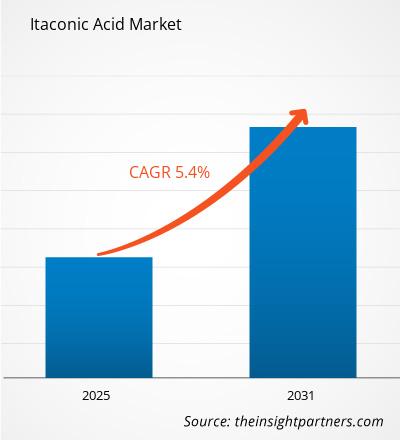
  • Itaconic Acid Market — Growth, Trends, and Future Outlook
    The itaconic acid market is emerging as a pivotal segment within the global specialty chemicals industry. Known for its versatility and biodegradable properties, itaconic acid is gaining significant traction across diverse end-use sectors — from polymers and pharmaceuticals to adhesives and agricultural products.

    Explore more - https://www.theinsightpartners.com/reports/itaconic-acid-market

    Major Applications
    1. Polymers and Resins
    Itaconic acid is widely used as a co-monomer in specialty polymers, enhancing properties like thermal stability, adhesion, and flexibility. It’s commonly found in:
    • Water-based coatings
    • Acrylic and unsaturated polyester resins
    • Superabsorbent polymers

    2. Adhesives & Sealants
    Its reactive nature allows itaconic acid to improve the performance of adhesives, primers, and sealants, especially in construction and automotive segments.

    3. Pharmaceuticals & Cosmetics
    In the pharmaceutical landscape, itaconic acid plays a role in controlled-release drug formulations. In cosmetics, it’s valued for its skin-friendly and safe profile, often included in personal care products.

    4. Agricultural Chemicals
    Itaconic acid is also used in biodegradable pesticide formulations and as a chelating agent in micronutrient delivery systems.
    Market Drivers

    1. Rising Demand for Sustainable Chemicals
    With global emphasis on green chemistry and sustainability, itaconic acid’s biobased origin positions it as a high-growth chemical.

    Environmental regulations and consumer preferences are increasingly favoring biodegradable and non-toxic materials — boosting demand.

    2. Growth in End-Use Industries
    Rapid expansion of:
    • Paints & coatings
    • Construction
    • Personal care products
    is driving higher consumption of specialty chemicals like itaconic acid.

    3. Increasing Research & Development
    Ongoing R&D is unlocking new applications — from bio-based plastics to advanced composites — expanding markets globally.
    Regional Insights

    North America
    Strong demand from coatings and adhesives sectors, coupled with increasing environmental awareness.

    Europe
    Focus on sustainable polymers and stringent environmental policies make Europe a key market.

    Asia-Pacific
    Rapid industrialization, expanding construction activities, and rising disposable income are fueling growth, especially in India, China, and Southeast Asia.

    Conclusion
    The itaconic acid market stands at a significant growth juncture. Fueled by sustainability trends, expanding industrial applications, and technological innovations, itaconic acid is poised to evolve from a niche specialty chemical to a mainstream industrial strength material. While production challenges persist, the shift toward biobased and eco-friendly solutions is set to unlock new opportunities in the years ahead.

    Related Industry Reports - Recycled Terephthalic Acid Market Growth, Analysis, and Forecast by 2031

    Itaconic Acid Market — Growth, Trends, and Future Outlook The itaconic acid market is emerging as a pivotal segment within the global specialty chemicals industry. Known for its versatility and biodegradable properties, itaconic acid is gaining significant traction across diverse end-use sectors — from polymers and pharmaceuticals to adhesives and agricultural products. Explore more - https://www.theinsightpartners.com/reports/itaconic-acid-market Major Applications 1. Polymers and Resins Itaconic acid is widely used as a co-monomer in specialty polymers, enhancing properties like thermal stability, adhesion, and flexibility. It’s commonly found in: • Water-based coatings • Acrylic and unsaturated polyester resins • Superabsorbent polymers 2. Adhesives & Sealants Its reactive nature allows itaconic acid to improve the performance of adhesives, primers, and sealants, especially in construction and automotive segments. 3. Pharmaceuticals & Cosmetics In the pharmaceutical landscape, itaconic acid plays a role in controlled-release drug formulations. In cosmetics, it’s valued for its skin-friendly and safe profile, often included in personal care products. 4. Agricultural Chemicals Itaconic acid is also used in biodegradable pesticide formulations and as a chelating agent in micronutrient delivery systems. Market Drivers 1. Rising Demand for Sustainable Chemicals With global emphasis on green chemistry and sustainability, itaconic acid’s biobased origin positions it as a high-growth chemical. Environmental regulations and consumer preferences are increasingly favoring biodegradable and non-toxic materials — boosting demand. 2. Growth in End-Use Industries Rapid expansion of: • Paints & coatings • Construction • Personal care products is driving higher consumption of specialty chemicals like itaconic acid. 3. Increasing Research & Development Ongoing R&D is unlocking new applications — from bio-based plastics to advanced composites — expanding markets globally. Regional Insights North America Strong demand from coatings and adhesives sectors, coupled with increasing environmental awareness. Europe Focus on sustainable polymers and stringent environmental policies make Europe a key market. Asia-Pacific Rapid industrialization, expanding construction activities, and rising disposable income are fueling growth, especially in India, China, and Southeast Asia. Conclusion The itaconic acid market stands at a significant growth juncture. Fueled by sustainability trends, expanding industrial applications, and technological innovations, itaconic acid is poised to evolve from a niche specialty chemical to a mainstream industrial strength material. While production challenges persist, the shift toward biobased and eco-friendly solutions is set to unlock new opportunities in the years ahead. Related Industry Reports - Recycled Terephthalic Acid Market Growth, Analysis, and Forecast by 2031
    WWW.THEINSIGHTPARTNERS.COM
    Itaconic Acid Market Size, Share, Growth & Scope | Analysis 2031
    Itaconic Acid Market expansion is likely to reach US$ XX Million by 2031, with a high CAGR for the forecast period. Trends and drivers in briefly analyzed
    0 Σχόλια 0 Μοιράστηκε 1χλμ. Views 0 Προεπισκόπηση
  • The Jute Price Trend is an important topic for farmers, traders, manufacturers, and buyers who rely on this natural fiber. Jute is widely used in making sacks, bags, carpets, ropes, and eco-friendly packaging materials. Because it is a natural and biodegradable fiber, jute has gained renewed attention in recent years, especially as governments and industries focus more on sustainability. In the third quarter of 2025, the Jute Price Trend in India showed a strong upward movement, driven by supply limitations and solid demand from key industries.

    Read full report analysis: https://www.price-watch.ai/raw-jute-prices/
    The Jute Price Trend is an important topic for farmers, traders, manufacturers, and buyers who rely on this natural fiber. Jute is widely used in making sacks, bags, carpets, ropes, and eco-friendly packaging materials. Because it is a natural and biodegradable fiber, jute has gained renewed attention in recent years, especially as governments and industries focus more on sustainability. In the third quarter of 2025, the Jute Price Trend in India showed a strong upward movement, driven by supply limitations and solid demand from key industries. Read full report analysis: https://www.price-watch.ai/raw-jute-prices/
    WWW.PRICE-WATCH.AI
    Jute Fibre
    Raw Jute fibre price trend analysis with weekly forecasts, demand supply, suppliers, market trends, production, historical data and outlook.
    0 Σχόλια 0 Μοιράστηκε 449 Views 0 Προεπισκόπηση
  • Eco-Friendly Disposable Wooden Cutlery for Modern Use

    Poly Pack Enterprises is leading the pack in terms of sustainable packaging solutions by providing high-quality Disposable Wooden Cutlery that would be offered to environmentally responsible businesses and consumers. Our Disposable Wooden Cutlery is produced using renewable wood which is well chosen, thus, it is strong, durable and smooth. Our products are the perfect replacement for plastic cutlery in restaurants, cafes, catering services, and events due to their high usability level. All Disposable Wooden Cutlery products are lightweight, easy to carry, and usable towards a single use, which contributes to the convenience and environmental friendliness. The decision to select Poly Pack Enterprises as a solution to Disposable Wooden Cutlery means that the companies will be taking steps to minimize plastic waste and contribute to the green cause. We focus on accuracy and cleanliness in our production process, whereby we offer cutlery of quality and safety standards. Besides being completely biodegradable, our Disposable Wooden Cutlery is offered in different sizes and styles, depending on the culinary requirements. Poly Pack Enterprises not only offers high-quality products but also offers good customer service and delivery on time. We are committed to environmentally-friendly innovation, and it is what has made our Disposable Wooden Cutlery an ideal fit among those business owners who want to integrate functionality, sustainability and beauty. Utilizing our Disposable Wooden Cutlery, the companies can improve their brand image and do some good for the environment. Disposable Wooden Cutlery is an example of a greener future, and it is the future that offers convenience, quality and environmental responsibility in each meal service.

    https://www.polypackenterprises.com/disposable-wooden-cutlery
    Eco-Friendly Disposable Wooden Cutlery for Modern Use Poly Pack Enterprises is leading the pack in terms of sustainable packaging solutions by providing high-quality Disposable Wooden Cutlery that would be offered to environmentally responsible businesses and consumers. Our Disposable Wooden Cutlery is produced using renewable wood which is well chosen, thus, it is strong, durable and smooth. Our products are the perfect replacement for plastic cutlery in restaurants, cafes, catering services, and events due to their high usability level. All Disposable Wooden Cutlery products are lightweight, easy to carry, and usable towards a single use, which contributes to the convenience and environmental friendliness. The decision to select Poly Pack Enterprises as a solution to Disposable Wooden Cutlery means that the companies will be taking steps to minimize plastic waste and contribute to the green cause. We focus on accuracy and cleanliness in our production process, whereby we offer cutlery of quality and safety standards. Besides being completely biodegradable, our Disposable Wooden Cutlery is offered in different sizes and styles, depending on the culinary requirements. Poly Pack Enterprises not only offers high-quality products but also offers good customer service and delivery on time. We are committed to environmentally-friendly innovation, and it is what has made our Disposable Wooden Cutlery an ideal fit among those business owners who want to integrate functionality, sustainability and beauty. Utilizing our Disposable Wooden Cutlery, the companies can improve their brand image and do some good for the environment. Disposable Wooden Cutlery is an example of a greener future, and it is the future that offers convenience, quality and environmental responsibility in each meal service. https://www.polypackenterprises.com/disposable-wooden-cutlery
    0 Σχόλια 0 Μοιράστηκε 598 Views 0 Προεπισκόπηση
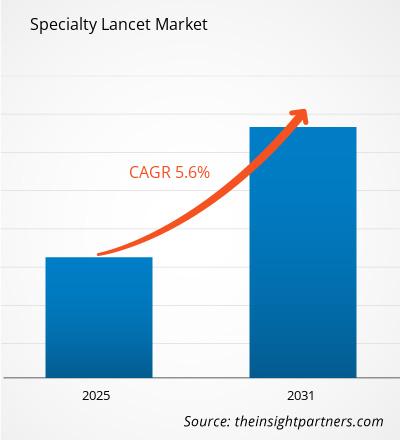
  • Specialty Lancet Market Revolutionizes Diabetes Care: Trends to 2031


    Pune, India - Specialty lancets make blood sampling quick, safe, and nearly painless, helping millions manage diabetes and other conditions from home. These innovative devices feature precise needle gauges, automatic retraction, and ergonomic designs that reduce anxiety and infection risks for users of all ages. The Specialty Lancet Market is expected to register a CAGR of 5.6% from 2025 to 2031.

    Market Size, Share, Trends, Analysis, and Forecast by 2031

    Global Overview: The specialty lancet market expands steadily through 2031, driven by rising chronic disease management and self-testing adoption worldwide.
    Market Share Dynamics: Safety-engineered lancets dominate shares over standard types, with home care settings surpassing hospitals in usage volume.
    Key Trends: Adjustable depth penetration and ultra-fine needles gain popularity, alongside biodegradable materials for eco-friendly disposal.
    Analysis Highlights: Diabetes monitoring leads applications, while neonatal and specialty diagnostics follow with customized blade geometries.
    Forecast to 2031: Momentum builds with connected devices linking to apps, projecting sustained growth across retail and institutional channels.
    Global and Regional Analysis

    North America leads with advanced home healthcare and strong reimbursement for diabetes supplies in the US and Canada. Europe emphasizes safety standards in Germany, the UK, and France, favoring regulated, user-friendly designs. Asia-Pacific grows fastest, powered by diabetes surges in China, India, and Japan amid expanding pharmacies. Latin America and Middle East & Africa advance through affordable imports and awareness campaigns.

    Key Drivers Accelerating Market Growth

    Exploding diabetes prevalence worldwide fuels demand for reliable, comfortable lancets that encourage daily testing adherence. Safety regulations push needle-stick prevention, making retractable specialty lancets essential in clinics and homes. E-commerce and subscription models broaden access, while aging populations seek gentler options for frequent monitoring. These factors position specialty lancets as everyday heroes in preventive health.

    Key Players

    Abbott
    B.Braun Melsungen AG
    ARKRAY, Inc.
    I-SENS, Inc.
    Terumo Corporation
    Nipro Medical Corporation
    Omron Corporation
    Bayer
    AgaMatrix, Inc.


    Get More Information: - https://www.theinsightpartners.com/reports/specialty-lancet-market


    Emerging Trends and Market Opportunities

    Smart lancets syncing with glucose meters and apps enable real-time data sharing with doctors, opening telehealth niches. Biodegradable and hypoallergenic materials attract sustainability-focused buyers. Pediatric and neonatal specialty lancets target sensitive skin, while multi-sample devices suit lab efficiency. Emerging markets offer volume growth via low-cost innovations and partnerships.

    Recent Industry Developments

    In 2025, BD launched next-gen safety lancets with enhanced retraction for zero-stick incidents. Roche expanded its Accu-Chek portfolio with adjustable-depth models praised for comfort. Owen Mumford debuted Auto-Lancet Universal, compatible across meters amid home-testing booms. Terumo rolled out neonatal variants for hospital NICUs. These launches reflect commitment to user-centric evolution.

    Conclusion

    Specialty lancets bridge the gap between medical precision and everyday ease, empowering people to take charge of their health confidently. As trends toward connectivity and sustainability accelerate, this market promises broader access and better outcomes globally. Innovators prioritizing comfort and safety will lead the charge.

    About The Insight Partners

    The Insight Partners is a global leader in market research, delivering comprehensive analysis and actionable insights across diverse industries. The company empowers decision-makers with data-driven intelligence to navigate evolving markets and accelerate growth.

    Contact Us:

    Contact Person: Ankit Mathur
    E-mail: ankit.mathur@theinsightpartners.com
    Phone: +1-646-491-9876


    Also Available in :

    Korean | German | Japanese | French | Chinese | Italian | Spanish

    Specialty Lancet Market Revolutionizes Diabetes Care: Trends to 2031 Pune, India - Specialty lancets make blood sampling quick, safe, and nearly painless, helping millions manage diabetes and other conditions from home. These innovative devices feature precise needle gauges, automatic retraction, and ergonomic designs that reduce anxiety and infection risks for users of all ages. The Specialty Lancet Market is expected to register a CAGR of 5.6% from 2025 to 2031. Market Size, Share, Trends, Analysis, and Forecast by 2031 Global Overview: The specialty lancet market expands steadily through 2031, driven by rising chronic disease management and self-testing adoption worldwide. Market Share Dynamics: Safety-engineered lancets dominate shares over standard types, with home care settings surpassing hospitals in usage volume. Key Trends: Adjustable depth penetration and ultra-fine needles gain popularity, alongside biodegradable materials for eco-friendly disposal. Analysis Highlights: Diabetes monitoring leads applications, while neonatal and specialty diagnostics follow with customized blade geometries. Forecast to 2031: Momentum builds with connected devices linking to apps, projecting sustained growth across retail and institutional channels. Global and Regional Analysis North America leads with advanced home healthcare and strong reimbursement for diabetes supplies in the US and Canada. Europe emphasizes safety standards in Germany, the UK, and France, favoring regulated, user-friendly designs. Asia-Pacific grows fastest, powered by diabetes surges in China, India, and Japan amid expanding pharmacies. Latin America and Middle East & Africa advance through affordable imports and awareness campaigns. Key Drivers Accelerating Market Growth Exploding diabetes prevalence worldwide fuels demand for reliable, comfortable lancets that encourage daily testing adherence. Safety regulations push needle-stick prevention, making retractable specialty lancets essential in clinics and homes. E-commerce and subscription models broaden access, while aging populations seek gentler options for frequent monitoring. These factors position specialty lancets as everyday heroes in preventive health. Key Players Abbott B.Braun Melsungen AG ARKRAY, Inc. I-SENS, Inc. Terumo Corporation Nipro Medical Corporation Omron Corporation Bayer AgaMatrix, Inc. Get More Information: - https://www.theinsightpartners.com/reports/specialty-lancet-market Emerging Trends and Market Opportunities Smart lancets syncing with glucose meters and apps enable real-time data sharing with doctors, opening telehealth niches. Biodegradable and hypoallergenic materials attract sustainability-focused buyers. Pediatric and neonatal specialty lancets target sensitive skin, while multi-sample devices suit lab efficiency. Emerging markets offer volume growth via low-cost innovations and partnerships. Recent Industry Developments In 2025, BD launched next-gen safety lancets with enhanced retraction for zero-stick incidents. Roche expanded its Accu-Chek portfolio with adjustable-depth models praised for comfort. Owen Mumford debuted Auto-Lancet Universal, compatible across meters amid home-testing booms. Terumo rolled out neonatal variants for hospital NICUs. These launches reflect commitment to user-centric evolution. Conclusion Specialty lancets bridge the gap between medical precision and everyday ease, empowering people to take charge of their health confidently. As trends toward connectivity and sustainability accelerate, this market promises broader access and better outcomes globally. Innovators prioritizing comfort and safety will lead the charge. About The Insight Partners The Insight Partners is a global leader in market research, delivering comprehensive analysis and actionable insights across diverse industries. The company empowers decision-makers with data-driven intelligence to navigate evolving markets and accelerate growth. Contact Us: Contact Person: Ankit Mathur E-mail: ankit.mathur@theinsightpartners.com Phone: +1-646-491-9876 Also Available in : Korean | German | Japanese | French | Chinese | Italian | Spanish

    WWW.THEINSIGHTPARTNERS.COM
    Specialty Lancet Market - Size and Forecast [2021-2031]
    Specialty Lancet Market to achieve a CAGR of 5.6% by 2031. Gain a 360-degree view of the market, including its key drivers, restraints, and future trends.
    0 Σχόλια 0 Μοιράστηκε 2χλμ. Views 0 Προεπισκόπηση
  • Tree Pod Burial: A Green Way to Say Goodbye

    Looking for a funeral option that’s gentle on the planet and leaves a lasting legacy? Tree Pod Burial is a modern, eco-friendly alternative to traditional burials and cremation. Instead of a coffin, the body is placed in a biodegradable pod buried under a tree sapling. Over time, the tree grows, creating a living memorial.

    How It Works

    The body is placed in a natural, biodegradable pod.

    A tree sapling is planted above the pod.

    As the body decomposes, it nourishes the tree and soil, turning the resting place into a thriving ecosystem.

    Why Choose Tree Pod Burial?

    https://insurefinalexpense.com/tree-pod-burial/

    Eco-Friendly: No embalming chemicals, metal caskets, or concrete vaults.

    Affordable: Often cheaper than traditional funerals.

    Emotional Comfort: Watching a tree grow creates a meaningful connection.

    Customizable: Pick your tree species or burial site to honor your loved one uniquely.

    Tree Pod Burial vs. Traditional Funerals

    Traditional burials = chemical use + high cost.

    Cremation = carbon emissions.

    Tree Pod Burial = sustainable, affordable, and a living legacy.

    Who Should Consider It?

    Perfect for eco-conscious families, green burial advocates, and anyone wanting a symbolic, nature-friendly farewell.

    FAQs

    Q: Is it legal everywhere?
    A: Check local and state regulations; many green cemeteries allow it.

    Q: How long for the tree to grow?
    A: Depends on species, soil, and climate—generally a few years for a thriving sapling.

    Q: Can I personalize it?
    A: Absolutely! Choose your tree, burial spot, and even natural markers.
    🌳 Tree Pod Burial: A Green Way to Say Goodbye Looking for a funeral option that’s gentle on the planet and leaves a lasting legacy? Tree Pod Burial is a modern, eco-friendly alternative to traditional burials and cremation. Instead of a coffin, the body is placed in a biodegradable pod buried under a tree sapling. Over time, the tree grows, creating a living memorial. 🌱 How It Works The body is placed in a natural, biodegradable pod. A tree sapling is planted above the pod. As the body decomposes, it nourishes the tree and soil, turning the resting place into a thriving ecosystem. Why Choose Tree Pod Burial? https://insurefinalexpense.com/tree-pod-burial/ Eco-Friendly: No embalming chemicals, metal caskets, or concrete vaults. Affordable: Often cheaper than traditional funerals. Emotional Comfort: Watching a tree grow creates a meaningful connection. Customizable: Pick your tree species or burial site to honor your loved one uniquely. Tree Pod Burial vs. Traditional Funerals Traditional burials = chemical use + high cost. Cremation = carbon emissions. Tree Pod Burial = sustainable, affordable, and a living legacy. Who Should Consider It? Perfect for eco-conscious families, green burial advocates, and anyone wanting a symbolic, nature-friendly farewell. 🌳💚 FAQs Q: Is it legal everywhere? A: Check local and state regulations; many green cemeteries allow it. Q: How long for the tree to grow? A: Depends on species, soil, and climate—generally a few years for a thriving sapling. Q: Can I personalize it? A: Absolutely! Choose your tree, burial spot, and even natural markers.
    INSUREFINALEXPENSE.COM
    Tree Pod Burial: Eco-Friendly Memorial & Living Trees
    Discover tree pod burial, an eco-friendly way to honor loved ones. Learn about tree burial pods, costs, types, and how a memorial tree grows naturally.
    0 Σχόλια 0 Μοιράστηκε 405 Views 0 Προεπισκόπηση
  • Generative AI in the Chemical Market Outlook: AI-Driven Discoveries Propel Growth Through 2031

    Pune, India - In laboratories where molecules hold the key to tomorrow's materials, generative AI emerges as a creative partner, dreaming up new chemical structures that chemists once spent years perfecting through trial and error. Researchers now collaborate with algorithms that predict properties, optimize reactions, and design sustainable compounds, turning complex challenges into breakthroughs that benefit industries from pharmaceuticals to plastics. The generative AI in the chemical market captures this transformative synergy, blending human ingenuity with machine intelligence to foster safer, greener innovations.

    Picture a team designing a new polymer for electric vehicle batteries: generative AI simulates thousands of variations overnight, highlighting candidates with superior strength and recyclability, saving months of experimentation. These tools accelerate drug discovery, refine catalysts for cleaner production, and tailor specialty chemicals for specific needs, making chemistry more accessible and efficient. This human-centered evolution eases the burden on scientists, speeds time-to-market, and aligns with global sustainability goals. As industries seek competitive edges, the generative AI in the chemical market empowers creators to push boundaries responsibly. The Generative AI in Chemical Market size is expected to reach US$ 10,635.61 million by 2031 from US$ 986.37 million in 2024. The market is anticipated to register a CAGR of 40.9% during 2025–2031.

    Market Size, Share, Trends, Analysis, and Forecast by 2031

    Global generative AI in the chemical market expands rapidly, led by molecular design and production optimization holding dominant shares for R&D acceleration and efficiency gains
    North America and Europe command strong positions from advanced tech ecosystems and regulatory support, while Asia-Pacific surges with manufacturing hubs in China and India driving fastest growth
    Trends emphasize hybrid cloud deployments, deep learning integrations, and green chemistry applications; analysis shows ROI through reduced experimentation offsetting computational costs
    Forecast highlights quantum-enhanced models and reinforcement learning gaining traction, with emerging markets fueling adoption amid sustainability mandates
    Global and Regional Analysis

    North America pioneers with robust AI research hubs fueling pharma and materials innovation, supported by venture funding and collaborations. Europe excels in sustainable applications under green regulations, thriving in specialty chemicals and biotech. Asia-Pacific dominates growth through massive production scales and government AI initiatives, with India and Southeast Asia transforming traditional processes. Middle East leverages energy sector optimizations, while Latin America and Africa advance via agrochemicals—each region adapting generative AI to local feedstocks, climates, and priorities.

    Key Drivers Accelerating Generative AI in the Chemical Market Growth

    Exploding demand for novel materials propels the generative AI in the chemical market, as industries race to develop high-performance, eco-friendly compounds faster than ever. Sustainability pressures worldwide push AI-optimized processes that minimize waste and energy use, while R&D cost reductions enable smaller firms to compete. Regulatory demands for safer chemicals favor predictive modeling, and computational advances in cloud infrastructure democratize access to powerful tools.

    Get a sample PDF of the report -https://www.theinsightpartners.com/sample/TIPRE00042066

    Key Players

    Insilico Medicine
    Cyclica
    Atomwise
    Molecular AI
    Chemify
    Recursion Pharmaceuticals
    BenevolentAI
    Exscientia
    DeepCure
    BenchSci
    Emerging Trends and Market Opportunities

    Hybrid AI-human workflows gain momentum, where generative models propose structures refined by expert chemists. Quantum computing hybrids tackle intractable simulations for novel catalysts. Sustainability-focused AI designs biodegradable polymers and low-toxicity alternatives, opening green markets. Opportunities thrive in personalized chemicals, circular economy recycling predictions, and agrochemical precision formulations for emerging economies.

    Generative AI in the Chemical Market Outlook: AI-Driven Discoveries Propel Growth Through 2031 Pune, India - In laboratories where molecules hold the key to tomorrow's materials, generative AI emerges as a creative partner, dreaming up new chemical structures that chemists once spent years perfecting through trial and error. Researchers now collaborate with algorithms that predict properties, optimize reactions, and design sustainable compounds, turning complex challenges into breakthroughs that benefit industries from pharmaceuticals to plastics. The generative AI in the chemical market captures this transformative synergy, blending human ingenuity with machine intelligence to foster safer, greener innovations. Picture a team designing a new polymer for electric vehicle batteries: generative AI simulates thousands of variations overnight, highlighting candidates with superior strength and recyclability, saving months of experimentation. These tools accelerate drug discovery, refine catalysts for cleaner production, and tailor specialty chemicals for specific needs, making chemistry more accessible and efficient. This human-centered evolution eases the burden on scientists, speeds time-to-market, and aligns with global sustainability goals. As industries seek competitive edges, the generative AI in the chemical market empowers creators to push boundaries responsibly. The Generative AI in Chemical Market size is expected to reach US$ 10,635.61 million by 2031 from US$ 986.37 million in 2024. The market is anticipated to register a CAGR of 40.9% during 2025–2031. Market Size, Share, Trends, Analysis, and Forecast by 2031 Global generative AI in the chemical market expands rapidly, led by molecular design and production optimization holding dominant shares for R&D acceleration and efficiency gains North America and Europe command strong positions from advanced tech ecosystems and regulatory support, while Asia-Pacific surges with manufacturing hubs in China and India driving fastest growth Trends emphasize hybrid cloud deployments, deep learning integrations, and green chemistry applications; analysis shows ROI through reduced experimentation offsetting computational costs Forecast highlights quantum-enhanced models and reinforcement learning gaining traction, with emerging markets fueling adoption amid sustainability mandates Global and Regional Analysis North America pioneers with robust AI research hubs fueling pharma and materials innovation, supported by venture funding and collaborations. Europe excels in sustainable applications under green regulations, thriving in specialty chemicals and biotech. Asia-Pacific dominates growth through massive production scales and government AI initiatives, with India and Southeast Asia transforming traditional processes. Middle East leverages energy sector optimizations, while Latin America and Africa advance via agrochemicals—each region adapting generative AI to local feedstocks, climates, and priorities. Key Drivers Accelerating Generative AI in the Chemical Market Growth Exploding demand for novel materials propels the generative AI in the chemical market, as industries race to develop high-performance, eco-friendly compounds faster than ever. Sustainability pressures worldwide push AI-optimized processes that minimize waste and energy use, while R&D cost reductions enable smaller firms to compete. Regulatory demands for safer chemicals favor predictive modeling, and computational advances in cloud infrastructure democratize access to powerful tools. Get a sample PDF of the report -https://www.theinsightpartners.com/sample/TIPRE00042066 Key Players Insilico Medicine Cyclica Atomwise Molecular AI Chemify Recursion Pharmaceuticals BenevolentAI Exscientia DeepCure BenchSci Emerging Trends and Market Opportunities Hybrid AI-human workflows gain momentum, where generative models propose structures refined by expert chemists. Quantum computing hybrids tackle intractable simulations for novel catalysts. Sustainability-focused AI designs biodegradable polymers and low-toxicity alternatives, opening green markets. Opportunities thrive in personalized chemicals, circular economy recycling predictions, and agrochemical precision formulations for emerging economies.
    Generative AI in the Chemical Market Growth Scope 2031 : The Insight Partners
    Generative AI in the Chemical market predicted to reach US$ 10,635.61 million by 2031. Check growth insight, top companies analyis & forecast. Request sample report.
    0 Σχόλια 0 Μοιράστηκε 2χλμ. Views 0 Προεπισκόπηση
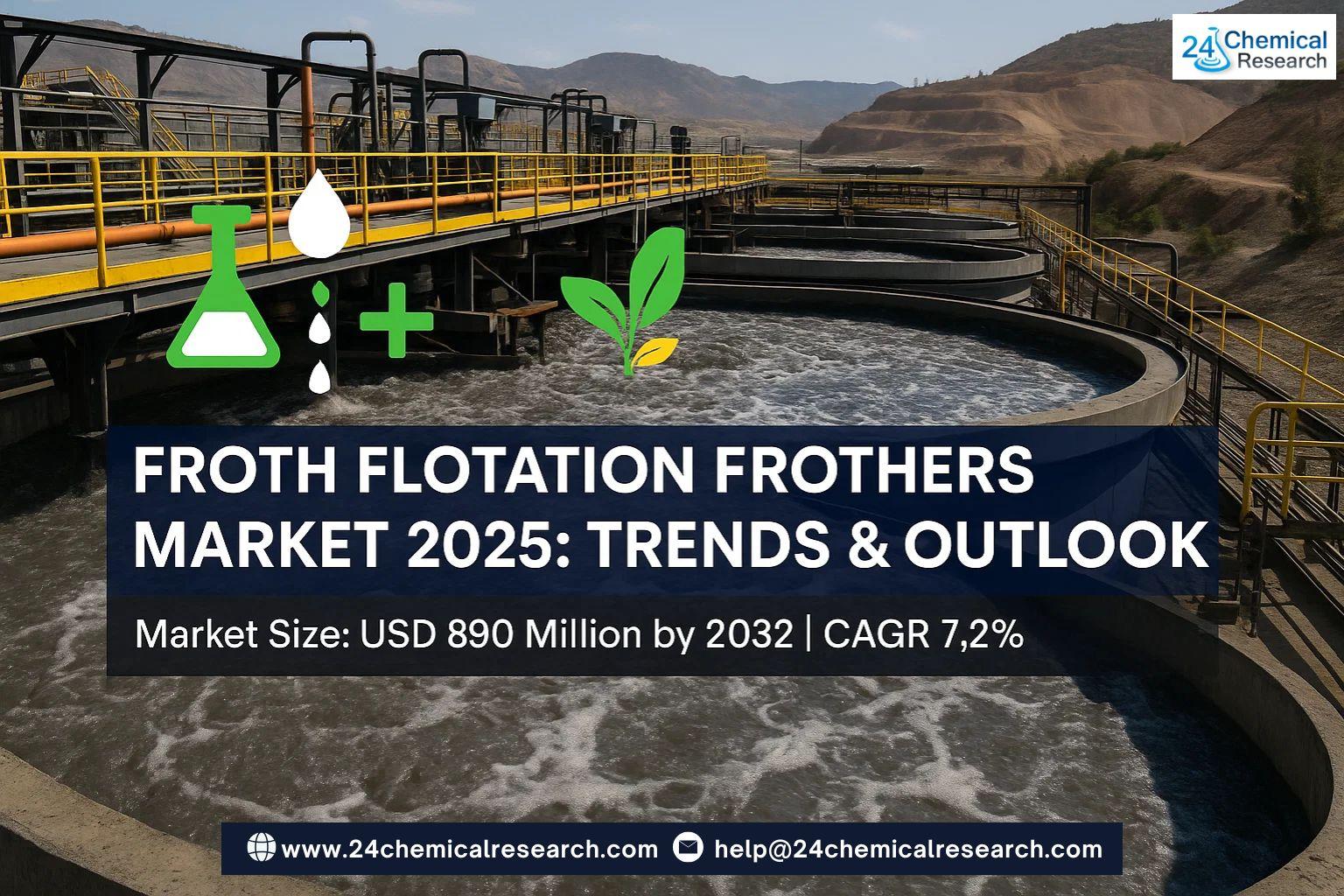
  • Global Froth Flotation Frothers market size was valued at USD 512 million in 2024. The market is projected to grow from USD 545 million in 2025 to USD 890 million by 2032, exhibiting a CAGR of 7.2% during the forecast period.

    Froth flotation frothers are the cornerstone of efficient mineral processing, enabling precise separation of valuable minerals from unwanted gangue. These dynamic chemical reagents lower surface tension to create a stable froth, allowing hydrophobic minerals to bind to air bubbles and float to the surface for collection. Crafted from surface-active agents like alcohols and glycols or nonsurfactants such as pine oils and cresylic acids, frothers are customized to optimize performance for diverse ore types and flotation environments, ensuring exceptional recovery and driving productivity in mining operations worldwide.

    The frother market is thriving, propelled by booming demand for non-ferrous and precious metals, as well as coal and non-metallic mineral processing. As sustainability takes center stage, industry giants like AkzoNobel, Clariant, Cytec Solvay Group, and Chevron Phillips Chemical are leading the charge with innovative, eco-friendly solutions
    Download FREE Sample Report: https://www.24chemicalresearch.com/download-sample/272798/global-froth-flotation-frothers-market


    Market Overview & Regional Analysis

    The global mining industry is transforming rapidly, fueled by rising demand for non-ferrous metals like copper, lithium, and nickel, critical for electric vehicles, renewable energy, and electronics.

    Technological advancements, such as automation and real-time monitoring, are enhancing froth flotation efficiency. Supportive policies for green mining are driving innovation, with increased 2024 funding for eco-friendly frother R&D. Strategic joint ventures and regulatory advancements for cleaner extraction methods are fostering profitable growth.
    In the Asia-Pacific region, regulatory frameworks differ significantly, with China enforcing stringent environmental controls on mining effluents and chemical usage to curb pollution from flotation processes. These regulations drive the adoption of eco-friendly frothers, such as biodegradable alternatives, to meet national water quality and waste management standards.

    China leads the regional frother market, driven by its expansive mining sector and integrated supply chains. Local manufacturers like Tieling Flotation Reagent and QiXia TongDa offer cost-effective solutions, while global players such as Clariant and Cytec Solvay Group trengthen their presence through strategic partnerships. These collaborations enhance product availability, particularly for large-scale copper and gold mining operations, solidifying China's dominance in frother demand across the region.


    Key Market Drivers and Opportunities

    The global mining industry is undergoing a significant transformation, due to demand for non-ferrous metals such as copper, lithium, and nickel, which are essential for electric vehicles (EVs), renewable energy infrastructure, and electronics. Technological advancements in froth flotation processes, including automation and real-time monitoring systems, are revolutionizing mineral processing operations worldwide.

    Supportive policies for green mining technologies are paving the way for innovation in the froth flotation frothers market. In 2024, governments boosted funding for R&D into low-impact flotation reagents, spurring opportunities for market players. Strategic initiatives, such as joint ventures in emerging markets and regulatory advancements for cleaner extraction, are driving profitable expansion. These trends promise significant growth for the industry in the coming years.


    Challenges & Restraints
    • High costs & volatile raw material prices slow froth flotation frothers market growth.
    • Strict environmental and safety regulations limit the use of certain frothers in mining.
    • Concerns about ecological impacts, like water contamination from frother residues, shape market trends.

    Market Segmentation by Type
    • Alcohol-based
    • Glycol-based
    • Polyglycol-based
    • Oil-based
    • Specialty blends

    Market Segmentation by Application
    • Non-ferrous Metal
    • Fossil Fuels
    • Non-metallic
    • Precious Metals
    • Others

    Market Segmentation and Key Players
    • AkzoNobe
    • Chevron Phillips Chemical
    • Orica
    • Kao Chemicals
    • Huntsman
    • Arkema
    • Ekofole Reagents

    Report Scope
    This report presents a analysis of the global markets for Froth Flotation Frothers, covering the period from 2024 to 2032, with specific focus on:
    • Company profiles
    • Product specifications
    • Production capacity and sales
    • Revenue, pricing, gross margins
    • Sales performance
    • Revenue and demand trendss


    #AlcoholBasedFrothers #GlycolBasedFrothers #PolyglycolBasedFrothers #OilBasedFrothers #SpecialtyBlends #NonFerrousMetal #FossilFuels
    Global Froth Flotation Frothers market size was valued at USD 512 million in 2024. The market is projected to grow from USD 545 million in 2025 to USD 890 million by 2032, exhibiting a CAGR of 7.2% during the forecast period. Froth flotation frothers are the cornerstone of efficient mineral processing, enabling precise separation of valuable minerals from unwanted gangue. These dynamic chemical reagents lower surface tension to create a stable froth, allowing hydrophobic minerals to bind to air bubbles and float to the surface for collection. Crafted from surface-active agents like alcohols and glycols or nonsurfactants such as pine oils and cresylic acids, frothers are customized to optimize performance for diverse ore types and flotation environments, ensuring exceptional recovery and driving productivity in mining operations worldwide. The frother market is thriving, propelled by booming demand for non-ferrous and precious metals, as well as coal and non-metallic mineral processing. As sustainability takes center stage, industry giants like AkzoNobel, Clariant, Cytec Solvay Group, and Chevron Phillips Chemical are leading the charge with innovative, eco-friendly solutions Download FREE Sample Report: https://www.24chemicalresearch.com/download-sample/272798/global-froth-flotation-frothers-market Market Overview & Regional Analysis The global mining industry is transforming rapidly, fueled by rising demand for non-ferrous metals like copper, lithium, and nickel, critical for electric vehicles, renewable energy, and electronics. Technological advancements, such as automation and real-time monitoring, are enhancing froth flotation efficiency. Supportive policies for green mining are driving innovation, with increased 2024 funding for eco-friendly frother R&D. Strategic joint ventures and regulatory advancements for cleaner extraction methods are fostering profitable growth. In the Asia-Pacific region, regulatory frameworks differ significantly, with China enforcing stringent environmental controls on mining effluents and chemical usage to curb pollution from flotation processes. These regulations drive the adoption of eco-friendly frothers, such as biodegradable alternatives, to meet national water quality and waste management standards. China leads the regional frother market, driven by its expansive mining sector and integrated supply chains. Local manufacturers like Tieling Flotation Reagent and QiXia TongDa offer cost-effective solutions, while global players such as Clariant and Cytec Solvay Group trengthen their presence through strategic partnerships. These collaborations enhance product availability, particularly for large-scale copper and gold mining operations, solidifying China's dominance in frother demand across the region. Key Market Drivers and Opportunities The global mining industry is undergoing a significant transformation, due to demand for non-ferrous metals such as copper, lithium, and nickel, which are essential for electric vehicles (EVs), renewable energy infrastructure, and electronics. Technological advancements in froth flotation processes, including automation and real-time monitoring systems, are revolutionizing mineral processing operations worldwide. Supportive policies for green mining technologies are paving the way for innovation in the froth flotation frothers market. In 2024, governments boosted funding for R&D into low-impact flotation reagents, spurring opportunities for market players. Strategic initiatives, such as joint ventures in emerging markets and regulatory advancements for cleaner extraction, are driving profitable expansion. These trends promise significant growth for the industry in the coming years. Challenges & Restraints • High costs & volatile raw material prices slow froth flotation frothers market growth. • Strict environmental and safety regulations limit the use of certain frothers in mining. • Concerns about ecological impacts, like water contamination from frother residues, shape market trends. Market Segmentation by Type • Alcohol-based • Glycol-based • Polyglycol-based • Oil-based • Specialty blends Market Segmentation by Application • Non-ferrous Metal • Fossil Fuels • Non-metallic • Precious Metals • Others Market Segmentation and Key Players • AkzoNobe • Chevron Phillips Chemical • Orica • Kao Chemicals • Huntsman • Arkema • Ekofole Reagents Report Scope This report presents a analysis of the global markets for Froth Flotation Frothers, covering the period from 2024 to 2032, with specific focus on: • Company profiles • Product specifications • Production capacity and sales • Revenue, pricing, gross margins • Sales performance • Revenue and demand trendss #AlcoholBasedFrothers #GlycolBasedFrothers #PolyglycolBasedFrothers #OilBasedFrothers #SpecialtyBlends #NonFerrousMetal #FossilFuels
    0 Σχόλια 0 Μοιράστηκε 3χλμ. Views 0 Προεπισκόπηση
  • Moisture Control in Packaging: Clay Desiccant Bag Market Value to Soar by Nearly 50% by 2030

    Clay Desiccant Bag market, valued at USD 428.7 million in 2023, is projected to grow at a CAGR of 5.8%, reaching approximately USD 632.9 million by 2030. This sustained growth is driven by increasing demand across pharmaceutical packaging, electronics, and food preservation industries where moisture control remains critical for product integrity.
    Clay desiccant bags continue to dominate the moisture absorbers segment due to their cost-effectiveness, non-toxic properties, and high adsorption capacity. With manufacturers increasingly adopting sustainable packaging solutions, innovations in biodegradable clay desiccants and reusable systems are gaining traction across developed markets.
    Download FREE Sample Report: https://www.24chemicalresearch.com/download-sample/276236/global-clay-desiccant-bag-market-2024-91
    Market Overview & Regional Analysis
    North America holds 35% of global clay desiccant bag revenue, propelled by stringent pharmaceutical packaging regulations and advanced food processing standards. The region's market maturity is reflected in product innovations, including indicator desiccants that change color upon moisture saturation.
    Asia-Pacific emerges as the fastest-growing market, with China accounting for 42% of regional demand. Rapid industrialization, expanding electronics manufacturing, and growing middle-class consumption are driving growth. While Europe maintains steady demand through its automotive and chemical sectors, Latin America shows untapped potential in agricultural exports requiring moisture-controlled packaging.
    Key Market Drivers and Opportunities
    The market benefits from three converging trends: stricter pharmaceutical packaging guidelines under USP <797> regulations, growth in temperature-sensitive biologics transportation, and expanding e-commerce logistics requiring moisture protection. Electronics manufacturers now account for 28% of desiccant demand due to sensitivity of components during shipping and storage.
    Emerging opportunities include development of antimicrobial clay desiccants for medical applications and smart desiccants with IoT-enabled moisture monitoring. The food sector's shift toward extended shelf-life products presents another growth avenue, particularly in developing economies improving their cold chain infrastructure.
    Challenges & Restraints
    Volatility in raw material prices for montmorillonite clay - the primary desiccant material - continues to pressure margins. Environmental concerns regarding disposable desiccant bags are prompting regulatory scrutiny in the EU, where Extended Producer Responsibility (EPR) laws may impact single-use systems.
    The market faces competition from silica gel alternatives in high-value applications, though clay maintains cost advantages for bulk usage. Logistics constraints in emerging markets and inconsistent quality standards in price-sensitive regions remain persistent challenges for manufacturers.
    Market Segmentation by Type
    Less than 20 Grams
    21 to 100 Grams
    101 to 200 Grams
    201 to 500 Grams
    Above 500 Grams
    Download FREE Sample Report: https://www.24chemicalresearch.com/download-sample/276236/global-clay-desiccant-bag-market-2024-91
    Market Segmentation by Application
    Electronic & Electric Equipment
    Medical Devices
    Pharmaceuticals
    Automotive Components
    Food
    Other
    Market Segmentation and Key Players
    Impak Corporation
    Desiccare
    GeeJay Chemicals
    Flow Dry Technology
    International Plastics
    Clariant AG
    Sorbead India
    Steel City Desiccants
    Desiccant Packaging
    W. R. Grace & Co.
    BASF SE
    Multisorb Technologies
    Oker-Chemie
    Sinchem Silica Gel
    Adsilco
    Report Scope
    This comprehensive market analysis covers the global clay desiccant bag industry from 2024 to 2030, providing detailed insights into:
    Market size estimations and growth projections
    Application-specific demand analysis
    Regional market dynamics and growth hotspots
    The report includes extensive competitor analysis featuring:
    Production capacity and market share data
    Product portfolio comparisons
    Strategic initiatives and expansion plans
    Pricing strategies by region and application
    Our research methodology combined primary interviews with industry leaders and quantitative analysis of import/export data, regulatory frameworks, and technological advancements impacting the sector.
    Get Full Report Here: https://www.24chemicalresearch.com/reports/276236/global-clay-desiccant-bag-market-2024-91


    #ClayDesiccantBags #MoistureControl #PackagingMarket #Pharmaceuticals #ElectronicsIndustry #SustainablePackaging #CAGR #NorthAmericaMarket #AsiaPacificGrowth #FoodPreservation #MarketDrivers #IndustrialPackaging
    Moisture Control in Packaging: Clay Desiccant Bag Market Value to Soar by Nearly 50% by 2030 Clay Desiccant Bag market, valued at USD 428.7 million in 2023, is projected to grow at a CAGR of 5.8%, reaching approximately USD 632.9 million by 2030. This sustained growth is driven by increasing demand across pharmaceutical packaging, electronics, and food preservation industries where moisture control remains critical for product integrity. Clay desiccant bags continue to dominate the moisture absorbers segment due to their cost-effectiveness, non-toxic properties, and high adsorption capacity. With manufacturers increasingly adopting sustainable packaging solutions, innovations in biodegradable clay desiccants and reusable systems are gaining traction across developed markets. Download FREE Sample Report: https://www.24chemicalresearch.com/download-sample/276236/global-clay-desiccant-bag-market-2024-91 Market Overview & Regional Analysis North America holds 35% of global clay desiccant bag revenue, propelled by stringent pharmaceutical packaging regulations and advanced food processing standards. The region's market maturity is reflected in product innovations, including indicator desiccants that change color upon moisture saturation. Asia-Pacific emerges as the fastest-growing market, with China accounting for 42% of regional demand. Rapid industrialization, expanding electronics manufacturing, and growing middle-class consumption are driving growth. While Europe maintains steady demand through its automotive and chemical sectors, Latin America shows untapped potential in agricultural exports requiring moisture-controlled packaging. Key Market Drivers and Opportunities The market benefits from three converging trends: stricter pharmaceutical packaging guidelines under USP <797> regulations, growth in temperature-sensitive biologics transportation, and expanding e-commerce logistics requiring moisture protection. Electronics manufacturers now account for 28% of desiccant demand due to sensitivity of components during shipping and storage. Emerging opportunities include development of antimicrobial clay desiccants for medical applications and smart desiccants with IoT-enabled moisture monitoring. The food sector's shift toward extended shelf-life products presents another growth avenue, particularly in developing economies improving their cold chain infrastructure. Challenges & Restraints Volatility in raw material prices for montmorillonite clay - the primary desiccant material - continues to pressure margins. Environmental concerns regarding disposable desiccant bags are prompting regulatory scrutiny in the EU, where Extended Producer Responsibility (EPR) laws may impact single-use systems. The market faces competition from silica gel alternatives in high-value applications, though clay maintains cost advantages for bulk usage. Logistics constraints in emerging markets and inconsistent quality standards in price-sensitive regions remain persistent challenges for manufacturers. Market Segmentation by Type Less than 20 Grams 21 to 100 Grams 101 to 200 Grams 201 to 500 Grams Above 500 Grams Download FREE Sample Report: https://www.24chemicalresearch.com/download-sample/276236/global-clay-desiccant-bag-market-2024-91 Market Segmentation by Application Electronic & Electric Equipment Medical Devices Pharmaceuticals Automotive Components Food Other Market Segmentation and Key Players Impak Corporation Desiccare GeeJay Chemicals Flow Dry Technology International Plastics Clariant AG Sorbead India Steel City Desiccants Desiccant Packaging W. R. Grace & Co. BASF SE Multisorb Technologies Oker-Chemie Sinchem Silica Gel Adsilco Report Scope This comprehensive market analysis covers the global clay desiccant bag industry from 2024 to 2030, providing detailed insights into: Market size estimations and growth projections Application-specific demand analysis Regional market dynamics and growth hotspots The report includes extensive competitor analysis featuring: Production capacity and market share data Product portfolio comparisons Strategic initiatives and expansion plans Pricing strategies by region and application Our research methodology combined primary interviews with industry leaders and quantitative analysis of import/export data, regulatory frameworks, and technological advancements impacting the sector. Get Full Report Here: https://www.24chemicalresearch.com/reports/276236/global-clay-desiccant-bag-market-2024-91 #ClayDesiccantBags #MoistureControl #PackagingMarket #Pharmaceuticals #ElectronicsIndustry #SustainablePackaging #CAGR #NorthAmericaMarket #AsiaPacificGrowth #FoodPreservation #MarketDrivers #IndustrialPackaging
    0 Σχόλια 0 Μοιράστηκε 4χλμ. Views 0 Προεπισκόπηση
Αναζήτηση αποτελεσμάτων
Προωθημένο
Προωθημένο