• Comprehensive Analysis of Global Naphthalene Price Trends: Drivers, Historical Movements, Forecasts, and Market Dynamics Across Key Regions and End-Use Industries

    Naphthalene Price Trend is a familiar chemical for many people, often remembered by its strong smell and use in mothballs. Beyond households, it plays an important role in industries like chemicals, dyes, resins, construction materials, and pharmaceuticals. Because it is widely used across different sectors, changes in the naphthalene price trend attract attention from manufacturers, traders, and buyers alike. Understanding how and why prices move can help businesses plan better and manage costs more effectively.

    Please Submit Your Query for Naphthalene Price Trend, demand-supply, suppliers, market analysis:https://www.price-watch.ai/book-a-demo/

    What Is Naphthalene and Why It Matters

    Naphthalene is mainly derived from coal tar and petroleum-based processes. Its demand depends heavily on industrial activity, especially in construction, textiles, and chemical manufacturing. When these industries grow, the need for naphthalene rises, and when they slow down, demand weakens. This close link between naphthalene prices and overall economic activity makes its price trend a useful indicator of broader market conditions.

    Key Factors Influencing Naphthalene Price Trend

    One of the most important factors affecting the naphthalene price trend is the cost and availability of raw materials. Since coal tar is a major source, fluctuations in coal prices or changes in steel production, where coal tar is a by-product, can directly impact naphthalene supply. If coal tar availability drops, naphthalene production becomes more expensive, pushing prices upward.
    Energy costs also play a big role. Producing and processing naphthalene requires heat and power, so rising electricity or fuel prices often translate into higher production costs. When energy prices fall, producers may have more flexibility to offer competitive pricing.
    Demand from end-use industries is another major driver. For example, strong construction activity increases the use of naphthalene-based products like plasticizers and resins. Similarly, growth in textile and dye industries supports steady demand. When these sectors perform well, prices tend to remain firm or rise. On the other hand, during economic slowdowns or periods of reduced industrial output, naphthalene prices often soften.

    Regional Market Dynamics

    The naphthalene price trend can vary from one region to another due to differences in production capacity, regulations, and consumption patterns. In regions with strong coal-based industries, local supply may be more stable, helping keep prices relatively balanced. In contrast, areas that rely on imports may see more price volatility due to shipping costs, currency fluctuations, and global supply disruptions.
    Environmental regulations also influence regional pricing. Stricter rules on emissions and waste management can increase production costs, especially in countries tightening environmental standards. While these measures are important for sustainability, they can lead to higher naphthalene prices in the short to medium term.

    Conclusion

    The naphthalene price trend is shaped by a mix of raw material availability, energy costs, industrial demand, regional factors, and global trade conditions. While short-term fluctuations are common, understanding these underlying drivers helps explain why prices move the way they do. For businesses that depend on naphthalene, keeping an eye on these trends can support smarter purchasing decisions and better long-term planning.

    Please Submit Your Query for Naphthalene Price Trend, demand-supply, suppliers, market analysis:https://www.price-watch.ai/book-a-demo/

    About Price Watch™ AI

    Price-Watch AI is an India-based, independent raw material price reporting agency that provides real-time price forecasts and data-driven insights into global raw material markets. Price-Watch AI specializes in tracking raw material prices, analyzing market trends, and delivering timely updates on plant shutdowns, supply disruptions, capacity expansions, and demand-supply dynamics. The Price-Watch AI platform empowers manufacturers, traders, and procurement professionals to make faster, smarter decisions. Leveraging AI-powered forecasting and over a decade of historical data, Price-Watch AI transforms market volatility into actionable opportunity.

    Futura Tech Park,
    C Block, 8th floor 334,
    Old Mahabalipuram Road,
    Sholinganallur, Chennai,
    Tamil Nadu, Pincode - 600119.

    LinkedIn: https://www.linkedin.com/company/price-watch-ai/
    Facebook: https://www.facebook.com/people/Price-Watch/61568490385598/
    Twitter: https://x.com/pricewatchai
    Website: https://www.price-watch.ai/

    Comprehensive Analysis of Global Naphthalene Price Trends: Drivers, Historical Movements, Forecasts, and Market Dynamics Across Key Regions and End-Use Industries Naphthalene Price Trend is a familiar chemical for many people, often remembered by its strong smell and use in mothballs. Beyond households, it plays an important role in industries like chemicals, dyes, resins, construction materials, and pharmaceuticals. Because it is widely used across different sectors, changes in the naphthalene price trend attract attention from manufacturers, traders, and buyers alike. Understanding how and why prices move can help businesses plan better and manage costs more effectively. 👉 👉 👉 Please Submit Your Query for Naphthalene Price Trend, demand-supply, suppliers, market analysis:https://www.price-watch.ai/book-a-demo/ What Is Naphthalene and Why It Matters Naphthalene is mainly derived from coal tar and petroleum-based processes. Its demand depends heavily on industrial activity, especially in construction, textiles, and chemical manufacturing. When these industries grow, the need for naphthalene rises, and when they slow down, demand weakens. This close link between naphthalene prices and overall economic activity makes its price trend a useful indicator of broader market conditions. Key Factors Influencing Naphthalene Price Trend One of the most important factors affecting the naphthalene price trend is the cost and availability of raw materials. Since coal tar is a major source, fluctuations in coal prices or changes in steel production, where coal tar is a by-product, can directly impact naphthalene supply. If coal tar availability drops, naphthalene production becomes more expensive, pushing prices upward. Energy costs also play a big role. Producing and processing naphthalene requires heat and power, so rising electricity or fuel prices often translate into higher production costs. When energy prices fall, producers may have more flexibility to offer competitive pricing. Demand from end-use industries is another major driver. For example, strong construction activity increases the use of naphthalene-based products like plasticizers and resins. Similarly, growth in textile and dye industries supports steady demand. When these sectors perform well, prices tend to remain firm or rise. On the other hand, during economic slowdowns or periods of reduced industrial output, naphthalene prices often soften. Regional Market Dynamics The naphthalene price trend can vary from one region to another due to differences in production capacity, regulations, and consumption patterns. In regions with strong coal-based industries, local supply may be more stable, helping keep prices relatively balanced. In contrast, areas that rely on imports may see more price volatility due to shipping costs, currency fluctuations, and global supply disruptions. Environmental regulations also influence regional pricing. Stricter rules on emissions and waste management can increase production costs, especially in countries tightening environmental standards. While these measures are important for sustainability, they can lead to higher naphthalene prices in the short to medium term. Conclusion The naphthalene price trend is shaped by a mix of raw material availability, energy costs, industrial demand, regional factors, and global trade conditions. While short-term fluctuations are common, understanding these underlying drivers helps explain why prices move the way they do. For businesses that depend on naphthalene, keeping an eye on these trends can support smarter purchasing decisions and better long-term planning. 👉 👉 👉 Please Submit Your Query for Naphthalene Price Trend, demand-supply, suppliers, market analysis:https://www.price-watch.ai/book-a-demo/ About Price Watch™ AI Price-Watch AI is an India-based, independent raw material price reporting agency that provides real-time price forecasts and data-driven insights into global raw material markets. Price-Watch AI specializes in tracking raw material prices, analyzing market trends, and delivering timely updates on plant shutdowns, supply disruptions, capacity expansions, and demand-supply dynamics. The Price-Watch AI platform empowers manufacturers, traders, and procurement professionals to make faster, smarter decisions. Leveraging AI-powered forecasting and over a decade of historical data, Price-Watch AI transforms market volatility into actionable opportunity. Futura Tech Park, C Block, 8th floor 334, Old Mahabalipuram Road, Sholinganallur, Chennai, Tamil Nadu, Pincode - 600119. LinkedIn: https://www.linkedin.com/company/price-watch-ai/ Facebook: https://www.facebook.com/people/Price-Watch/61568490385598/ Twitter: https://x.com/pricewatchai Website: https://www.price-watch.ai/

    0 التعليقات 0 المشاركات 243 مشاهدة 0 معاينة
  • Long-Term Price Trend and Market Insights for Monoisopropylamine: Comprehensive Review of Economic, Industry, and Trade Influencers

    The monoisopropylamine price trend has shown noticeable movement over the past few years as market conditions, supply chains, and industrial demand continue to shift. Monoisopropylamine is widely used in pharmaceuticals, agrochemicals, coatings, and specialty chemical manufacturing, making its pricing sensitive to both raw material costs and downstream industry performance. Because it sits in the middle of several important production chains, even small changes in related markets can influence its price direction.
    In general, prices of monoisopropylamine do not remain static for long. Instead, they react to broader economic conditions, energy costs, and manufacturing output levels. This makes tracking its price trend important for buyers, suppliers, and businesses planning long-term procurement strategies.

    Please Submit Your Query for Monoisopropylamine Price Trend, demand-supply, suppliers, market analysis:https://www.price-watch.ai/book-a-demo/

    Key Factors Influencing Monoisopropylamine Prices

    One of the biggest drivers of monoisopropylamine price trends is the cost of raw materials. Since the production process relies on basic petrochemical derivatives, any rise in crude oil or feedstock prices tends to push production costs higher. When manufacturers face higher input expenses, these costs are often reflected in the market price of monoisopropylamine.
    Energy prices also play a major role. Chemical manufacturing is energy-intensive, so fluctuations in electricity, natural gas, or fuel prices can directly impact overall production expenses. During periods of high energy costs, suppliers may adjust prices upward to maintain profitability.
    Another important factor is supply availability. When production plants face shutdowns due to maintenance, environmental regulations, or unexpected disruptions, supply tightens. Reduced availability often leads to temporary price increases, especially when demand remains steady.

    Demand Patterns and Market Behavior

    Demand trends strongly influence the monoisopropylamine price trend. Industries such as pharmaceuticals and agrochemicals often show seasonal or cyclical demand patterns. During peak production periods, especially in agricultural seasons, demand for monoisopropylamine can rise, placing upward pressure on prices.
    On the other hand, when downstream industries slow down due to economic uncertainty or reduced consumer spending, demand weakens. In such cases, suppliers may lower prices or offer competitive deals to maintain sales volumes. This push and pull between demand and supply creates frequent short-term price adjustments.
    Export and import activity also affects pricing behavior. Regions that depend heavily on imports may experience sharper price swings if global logistics face disruptions or if currency values change significantly.

    Regional Trends in Monoisopropylamine Pricing

    Monoisopropylamine price trends can vary from one region to another. In areas with strong domestic production capacity, prices tend to be more stable because local supply can quickly respond to demand changes. However, in regions that rely on imports, prices are more sensitive to freight costs, port congestion, and international trade conditions.

    Conclusion

    The monoisopropylamine price trend is shaped by a combination of raw material costs, energy prices, demand cycles, and global economic conditions. While short-term fluctuations are common, the long-term outlook points toward balanced growth supported by steady industrial demand. Keeping track of these trends helps businesses make informed purchasing decisions and manage cost risks effectively in an evolving chemical market.

    Please Submit Your Query for Monoisopropylamine Price Trend, demand-supply, suppliers, market analysis:https://www.price-watch.ai/book-a-demo/

    About Price Watch™ AI

    Price-Watch AI is an India-based, independent raw material price reporting agency that provides real-time price forecasts and data-driven insights into global raw material markets. Price-Watch AI specializes in tracking raw material prices, analyzing market trends, and delivering timely updates on plant shutdowns, supply disruptions, capacity expansions, and demand-supply dynamics. The Price-Watch AI platform empowers manufacturers, traders, and procurement professionals to make faster, smarter decisions. Leveraging AI-powered forecasting and over a decade of historical data, Price-Watch AI transforms market volatility into actionable opportunity.

    Futura Tech Park,
    C Block, 8th floor 334,
    Old Mahabalipuram Road,
    Sholinganallur, Chennai,
    Tamil Nadu, Pincode - 600119.

    LinkedIn: https://www.linkedin.com/company/price-watch-ai/
    Facebook: https://www.facebook.com/people/Price-Watch/61568490385598/
    Twitter: https://x.com/pricewatchai
    Website: https://www.price-watch.ai/

    Long-Term Price Trend and Market Insights for Monoisopropylamine: Comprehensive Review of Economic, Industry, and Trade Influencers The monoisopropylamine price trend has shown noticeable movement over the past few years as market conditions, supply chains, and industrial demand continue to shift. Monoisopropylamine is widely used in pharmaceuticals, agrochemicals, coatings, and specialty chemical manufacturing, making its pricing sensitive to both raw material costs and downstream industry performance. Because it sits in the middle of several important production chains, even small changes in related markets can influence its price direction. In general, prices of monoisopropylamine do not remain static for long. Instead, they react to broader economic conditions, energy costs, and manufacturing output levels. This makes tracking its price trend important for buyers, suppliers, and businesses planning long-term procurement strategies. 👉 👉 👉 Please Submit Your Query for Monoisopropylamine Price Trend, demand-supply, suppliers, market analysis:https://www.price-watch.ai/book-a-demo/ Key Factors Influencing Monoisopropylamine Prices One of the biggest drivers of monoisopropylamine price trends is the cost of raw materials. Since the production process relies on basic petrochemical derivatives, any rise in crude oil or feedstock prices tends to push production costs higher. When manufacturers face higher input expenses, these costs are often reflected in the market price of monoisopropylamine. Energy prices also play a major role. Chemical manufacturing is energy-intensive, so fluctuations in electricity, natural gas, or fuel prices can directly impact overall production expenses. During periods of high energy costs, suppliers may adjust prices upward to maintain profitability. Another important factor is supply availability. When production plants face shutdowns due to maintenance, environmental regulations, or unexpected disruptions, supply tightens. Reduced availability often leads to temporary price increases, especially when demand remains steady. Demand Patterns and Market Behavior Demand trends strongly influence the monoisopropylamine price trend. Industries such as pharmaceuticals and agrochemicals often show seasonal or cyclical demand patterns. During peak production periods, especially in agricultural seasons, demand for monoisopropylamine can rise, placing upward pressure on prices. On the other hand, when downstream industries slow down due to economic uncertainty or reduced consumer spending, demand weakens. In such cases, suppliers may lower prices or offer competitive deals to maintain sales volumes. This push and pull between demand and supply creates frequent short-term price adjustments. Export and import activity also affects pricing behavior. Regions that depend heavily on imports may experience sharper price swings if global logistics face disruptions or if currency values change significantly. Regional Trends in Monoisopropylamine Pricing Monoisopropylamine price trends can vary from one region to another. In areas with strong domestic production capacity, prices tend to be more stable because local supply can quickly respond to demand changes. However, in regions that rely on imports, prices are more sensitive to freight costs, port congestion, and international trade conditions. Conclusion The monoisopropylamine price trend is shaped by a combination of raw material costs, energy prices, demand cycles, and global economic conditions. While short-term fluctuations are common, the long-term outlook points toward balanced growth supported by steady industrial demand. Keeping track of these trends helps businesses make informed purchasing decisions and manage cost risks effectively in an evolving chemical market. 👉 👉 👉 Please Submit Your Query for Monoisopropylamine Price Trend, demand-supply, suppliers, market analysis:https://www.price-watch.ai/book-a-demo/ About Price Watch™ AI Price-Watch AI is an India-based, independent raw material price reporting agency that provides real-time price forecasts and data-driven insights into global raw material markets. Price-Watch AI specializes in tracking raw material prices, analyzing market trends, and delivering timely updates on plant shutdowns, supply disruptions, capacity expansions, and demand-supply dynamics. The Price-Watch AI platform empowers manufacturers, traders, and procurement professionals to make faster, smarter decisions. Leveraging AI-powered forecasting and over a decade of historical data, Price-Watch AI transforms market volatility into actionable opportunity. Futura Tech Park, C Block, 8th floor 334, Old Mahabalipuram Road, Sholinganallur, Chennai, Tamil Nadu, Pincode - 600119. LinkedIn: https://www.linkedin.com/company/price-watch-ai/ Facebook: https://www.facebook.com/people/Price-Watch/61568490385598/ Twitter: https://x.com/pricewatchai Website: https://www.price-watch.ai/
    0 التعليقات 0 المشاركات 143 مشاهدة 0 معاينة
  • Understanding Dimethylformamide Prices and Their Market Dynamics

    Dimethylformamide prices are an important point of interest for many industries that depend on chemical solvents for daily production. Dimethylformamide, often known as DMF, is widely used in textiles, pharmaceuticals, electronics, and chemical manufacturing. Because it supports so many everyday products, changes in its pricing naturally attract attention. Understanding prices is not only about numbers but also about the market conditions and real-world factors that influence supply and demand.

    Read More- https://www.price-watch.ai/dimethylformamide-prices/
    Understanding Dimethylformamide Prices and Their Market Dynamics Dimethylformamide prices are an important point of interest for many industries that depend on chemical solvents for daily production. Dimethylformamide, often known as DMF, is widely used in textiles, pharmaceuticals, electronics, and chemical manufacturing. Because it supports so many everyday products, changes in its pricing naturally attract attention. Understanding prices is not only about numbers but also about the market conditions and real-world factors that influence supply and demand. Read More- https://www.price-watch.ai/dimethylformamide-prices/
    0 التعليقات 0 المشاركات 106 مشاهدة 0 معاينة
  • Monoethanolamine (MEA) Price Trend & Market Dynamics: Impact of Raw Material Costs, Industrial Demand Shifts, and Global Supply Chain Influences

    Monoethanolamine Price Trend commonly known as MEA, is a chemical used in many everyday industries, from gas treatment and detergents to pharmaceuticals and agriculture. Because it plays such a practical role, its price trend is closely watched by manufacturers, buyers, and traders. Over time, the monoethanolamine price trend has shown noticeable ups and downs, mainly influenced by raw material costs, energy prices, supply conditions, and overall market demand.
    In simple terms, monoethanolamine prices move much like other industrial chemicals. When production becomes expensive or supply tightens, prices rise. When raw materials are easily available and demand slows, prices soften. Understanding this trend does not require deep technical knowledge; it mostly reflects common market behavior.

    Please Submit Your Query for Monoethanolamine Price Trend, demand-supply, suppliers, market analysis:https://www.price-watch.ai/book-a-demo/

    Factors Influencing Monoethanolamine Price Trend

    One of the biggest drivers of the monoethanolamine price trend is the cost of raw materials. Monoethanolamine is produced using ethylene oxide and ammonia, both of which are sensitive to changes in crude oil and natural gas prices. When energy costs increase, production expenses go up, and manufacturers often pass these costs on to buyers.
    Another important factor is demand from key industries. Gas processing, especially for removing acidic gases, uses a large amount of monoethanolamine. When oil and gas activity rises, demand for MEA increases, pushing prices upward. Similarly, the personal care and cleaning product industries also impact pricing, especially during periods of high consumer demand.
    Supply chain conditions also play a role. Any disruption such as plant shutdowns, maintenance work, transportation delays, or trade restrictions can affect availability. Even short-term supply issues can cause price fluctuations, especially in regions that rely heavily on imports.

    Regional Impact on Monoethanolamine Pricing

    The monoethanolamine price trend can differ across regions due to local production capacity and demand patterns. In regions with strong chemical manufacturing bases, prices tend to be more stable as supply is readily available. On the other hand, areas dependent on imports may see sharper price changes due to shipping costs and currency fluctuations.
    Economic conditions in different regions also influence pricing. For example, industrial growth in developing economies often leads to higher consumption of monoethanolamine, which can tighten supply and raise prices. In contrast, slower industrial activity in mature markets may keep prices under pressure.
    Government policies, environmental regulations, and energy pricing policies also affect regional price trends. Stricter environmental rules can increase production costs, while subsidies or relaxed regulations may help keep prices steady.

    Conclusion

    The monoethanolamine price trend reflects simple economic principles of supply, demand, and production cost. Influenced by raw materials, energy prices, industrial demand, and regional factors, MEA prices naturally rise and fall over time. While short-term fluctuations are common, the long-term trend remains relatively stable, supported by consistent demand across multiple industries. Understanding these everyday factors makes it easier to follow and anticipate changes in the monoethanolamine market without relying on complex analysis.

    Please Submit Your Query for Monoethanolamine Price Trend, demand-supply, suppliers, market analysis:https://www.price-watch.ai/book-a-demo/

    About Price Watch™ AI

    Price-Watch AI is an India-based, independent raw material price reporting agency that provides real-time price forecasts and data-driven insights into global raw material markets. Price-Watch AI specializes in tracking raw material prices, analyzing market trends, and delivering timely updates on plant shutdowns, supply disruptions, capacity expansions, and demand-supply dynamics. The Price-Watch AI platform empowers manufacturers, traders, and procurement professionals to make faster, smarter decisions. Leveraging AI-powered forecasting and over a decade of historical data, Price-Watch AI transforms market volatility into actionable opportunity.

    Futura Tech Park,
    C Block, 8th floor 334,
    Old Mahabalipuram Road,
    Sholinganallur, Chennai,
    Tamil Nadu, Pincode - 600119.

    LinkedIn: https://www.linkedin.com/company/price-watch-ai/
    Facebook: https://www.facebook.com/people/Price-Watch/61568490385598/
    Twitter: https://x.com/pricewatchai
    Website: https://www.price-watch.ai/

    Monoethanolamine (MEA) Price Trend & Market Dynamics: Impact of Raw Material Costs, Industrial Demand Shifts, and Global Supply Chain Influences Monoethanolamine Price Trend commonly known as MEA, is a chemical used in many everyday industries, from gas treatment and detergents to pharmaceuticals and agriculture. Because it plays such a practical role, its price trend is closely watched by manufacturers, buyers, and traders. Over time, the monoethanolamine price trend has shown noticeable ups and downs, mainly influenced by raw material costs, energy prices, supply conditions, and overall market demand. In simple terms, monoethanolamine prices move much like other industrial chemicals. When production becomes expensive or supply tightens, prices rise. When raw materials are easily available and demand slows, prices soften. Understanding this trend does not require deep technical knowledge; it mostly reflects common market behavior. 👉 👉 👉 Please Submit Your Query for Monoethanolamine Price Trend, demand-supply, suppliers, market analysis:https://www.price-watch.ai/book-a-demo/ Factors Influencing Monoethanolamine Price Trend One of the biggest drivers of the monoethanolamine price trend is the cost of raw materials. Monoethanolamine is produced using ethylene oxide and ammonia, both of which are sensitive to changes in crude oil and natural gas prices. When energy costs increase, production expenses go up, and manufacturers often pass these costs on to buyers. Another important factor is demand from key industries. Gas processing, especially for removing acidic gases, uses a large amount of monoethanolamine. When oil and gas activity rises, demand for MEA increases, pushing prices upward. Similarly, the personal care and cleaning product industries also impact pricing, especially during periods of high consumer demand. Supply chain conditions also play a role. Any disruption such as plant shutdowns, maintenance work, transportation delays, or trade restrictions can affect availability. Even short-term supply issues can cause price fluctuations, especially in regions that rely heavily on imports. Regional Impact on Monoethanolamine Pricing The monoethanolamine price trend can differ across regions due to local production capacity and demand patterns. In regions with strong chemical manufacturing bases, prices tend to be more stable as supply is readily available. On the other hand, areas dependent on imports may see sharper price changes due to shipping costs and currency fluctuations. Economic conditions in different regions also influence pricing. For example, industrial growth in developing economies often leads to higher consumption of monoethanolamine, which can tighten supply and raise prices. In contrast, slower industrial activity in mature markets may keep prices under pressure. Government policies, environmental regulations, and energy pricing policies also affect regional price trends. Stricter environmental rules can increase production costs, while subsidies or relaxed regulations may help keep prices steady. Conclusion The monoethanolamine price trend reflects simple economic principles of supply, demand, and production cost. Influenced by raw materials, energy prices, industrial demand, and regional factors, MEA prices naturally rise and fall over time. While short-term fluctuations are common, the long-term trend remains relatively stable, supported by consistent demand across multiple industries. Understanding these everyday factors makes it easier to follow and anticipate changes in the monoethanolamine market without relying on complex analysis. 👉 👉 👉 Please Submit Your Query for Monoethanolamine Price Trend, demand-supply, suppliers, market analysis:https://www.price-watch.ai/book-a-demo/ About Price Watch™ AI Price-Watch AI is an India-based, independent raw material price reporting agency that provides real-time price forecasts and data-driven insights into global raw material markets. Price-Watch AI specializes in tracking raw material prices, analyzing market trends, and delivering timely updates on plant shutdowns, supply disruptions, capacity expansions, and demand-supply dynamics. The Price-Watch AI platform empowers manufacturers, traders, and procurement professionals to make faster, smarter decisions. Leveraging AI-powered forecasting and over a decade of historical data, Price-Watch AI transforms market volatility into actionable opportunity. Futura Tech Park, C Block, 8th floor 334, Old Mahabalipuram Road, Sholinganallur, Chennai, Tamil Nadu, Pincode - 600119. LinkedIn: https://www.linkedin.com/company/price-watch-ai/ Facebook: https://www.facebook.com/people/Price-Watch/61568490385598/ Twitter: https://x.com/pricewatchai Website: https://www.price-watch.ai/

    0 التعليقات 0 المشاركات 238 مشاهدة 0 معاينة
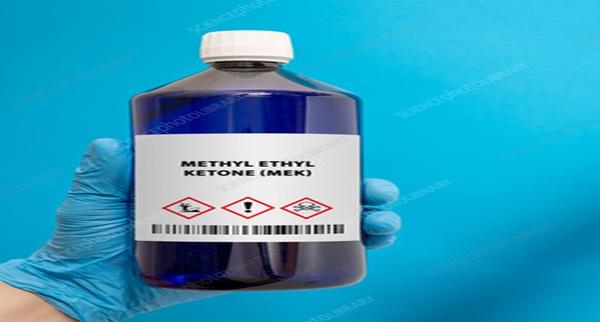
  • Methyl Ethyl Ketone, commonly known as MEK, is an important industrial solvent used in paints, coatings, adhesives, and chemical manufacturing. Its popularity in various industries makes it a key chemical in global markets. Because of its widespread use, the price of MEK tends to attract attention from manufacturers, suppliers, and buyers alike. Understanding the price trend of Methyl Ethyl Ketone can help businesses plan their procurement and manage production costs more effectively.

    Please Submit Your Query for Methyl Ethyl Ketone Price Trend, demand-supply, suppliers, market analysis:https://www.price-watch.ai/book-a-demo/

    Factors Influencing MEK Prices

    The price of Methyl Ethyl Ketone is influenced by several factors. One of the most significant factors is the cost of raw materials used in its production. MEK is derived mainly from petrochemical sources, so fluctuations in crude oil prices directly affect its production cost. When crude oil prices rise, the cost of producing MEK also increases, leading to higher market prices. Conversely, when oil prices fall, MEK prices may decrease.
    Another factor that affects the MEK price trend is demand and supply dynamics. The chemical is widely used in industries like automotive, construction, and electronics. During periods of high industrial activity, such as a construction boom or increased production in the automotive sector, the demand for MEK rises. Increased demand usually pushes prices up. On the other hand, if production slows down or industries reduce their chemical usage, prices may stabilize or fall.

    Regional Market Impact

    The price trend of MEK also varies depending on the region. In regions where chemical production is high, such as North America and Asia, MEK prices may remain more stable due to steady supply. However, in areas where the chemical is imported, prices can be affected by transportation costs, import taxes, and exchange rates. For instance, fluctuations in currency value can make imported MEK more expensive, impacting local market prices. This regional variation is an important aspect for businesses that operate in multiple countries or rely on imported chemicals.

    Conclusion

    Methyl Ethyl Ketone is a vital chemical in many industries, and its price trend reflects a combination of raw material costs, supply and demand, regional factors, and market conditions. While prices can fluctuate due to external factors such as oil prices or industrial activity, careful monitoring and planning can help businesses manage these changes effectively. Understanding the MEK price trend is not just about numbers—it is about predicting market behavior, preparing for industrial demands, and maintaining cost efficiency in a competitive environment.

    Please Submit Your Query for Methyl Ethyl Ketone Price Trend, demand-supply, suppliers, market analysis:https://www.price-watch.ai/book-a-demo/

    About Price Watch™ AI

    Price-Watch AI is an India-based, independent raw material price reporting agency that provides real-time price forecasts and data-driven insights into global raw material markets. Price-Watch AI specializes in tracking raw material prices, analyzing market trends, and delivering timely updates on plant shutdowns, supply disruptions, capacity expansions, and demand-supply dynamics. The Price-Watch AI platform empowers manufacturers, traders, and procurement professionals to make faster, smarter decisions. Leveraging AI-powered forecasting and over a decade of historical data, Price-Watch AI transforms market volatility into actionable opportunity.

    Futura Tech Park,
    C Block, 8th floor 334,
    Old Mahabalipuram Road,
    Sholinganallur, Chennai,
    Tamil Nadu, Pincode - 600119.

    LinkedIn: https://www.linkedin.com/company/price-watch-ai/
    Facebook: https://www.facebook.com/people/Price-Watch/61568490385598/
    Twitter: https://x.com/pricewatchai
    Website: https://www.price-watch.ai/

    Methyl Ethyl Ketone, commonly known as MEK, is an important industrial solvent used in paints, coatings, adhesives, and chemical manufacturing. Its popularity in various industries makes it a key chemical in global markets. Because of its widespread use, the price of MEK tends to attract attention from manufacturers, suppliers, and buyers alike. Understanding the price trend of Methyl Ethyl Ketone can help businesses plan their procurement and manage production costs more effectively. 👉 👉 👉 Please Submit Your Query for Methyl Ethyl Ketone Price Trend, demand-supply, suppliers, market analysis:https://www.price-watch.ai/book-a-demo/ Factors Influencing MEK Prices The price of Methyl Ethyl Ketone is influenced by several factors. One of the most significant factors is the cost of raw materials used in its production. MEK is derived mainly from petrochemical sources, so fluctuations in crude oil prices directly affect its production cost. When crude oil prices rise, the cost of producing MEK also increases, leading to higher market prices. Conversely, when oil prices fall, MEK prices may decrease. Another factor that affects the MEK price trend is demand and supply dynamics. The chemical is widely used in industries like automotive, construction, and electronics. During periods of high industrial activity, such as a construction boom or increased production in the automotive sector, the demand for MEK rises. Increased demand usually pushes prices up. On the other hand, if production slows down or industries reduce their chemical usage, prices may stabilize or fall. Regional Market Impact The price trend of MEK also varies depending on the region. In regions where chemical production is high, such as North America and Asia, MEK prices may remain more stable due to steady supply. However, in areas where the chemical is imported, prices can be affected by transportation costs, import taxes, and exchange rates. For instance, fluctuations in currency value can make imported MEK more expensive, impacting local market prices. This regional variation is an important aspect for businesses that operate in multiple countries or rely on imported chemicals. Conclusion Methyl Ethyl Ketone is a vital chemical in many industries, and its price trend reflects a combination of raw material costs, supply and demand, regional factors, and market conditions. While prices can fluctuate due to external factors such as oil prices or industrial activity, careful monitoring and planning can help businesses manage these changes effectively. Understanding the MEK price trend is not just about numbers—it is about predicting market behavior, preparing for industrial demands, and maintaining cost efficiency in a competitive environment. 👉 👉 👉 Please Submit Your Query for Methyl Ethyl Ketone Price Trend, demand-supply, suppliers, market analysis:https://www.price-watch.ai/book-a-demo/ About Price Watch™ AI Price-Watch AI is an India-based, independent raw material price reporting agency that provides real-time price forecasts and data-driven insights into global raw material markets. Price-Watch AI specializes in tracking raw material prices, analyzing market trends, and delivering timely updates on plant shutdowns, supply disruptions, capacity expansions, and demand-supply dynamics. The Price-Watch AI platform empowers manufacturers, traders, and procurement professionals to make faster, smarter decisions. Leveraging AI-powered forecasting and over a decade of historical data, Price-Watch AI transforms market volatility into actionable opportunity. Futura Tech Park, C Block, 8th floor 334, Old Mahabalipuram Road, Sholinganallur, Chennai, Tamil Nadu, Pincode - 600119. LinkedIn: https://www.linkedin.com/company/price-watch-ai/ Facebook: https://www.facebook.com/people/Price-Watch/61568490385598/ Twitter: https://x.com/pricewatchai Website: https://www.price-watch.ai/

    0 التعليقات 0 المشاركات 134 مشاهدة 0 معاينة
  • Comprehensive Analysis of Ortho Nitro Toluene (ONT) Price Trend: Historical Movements, Market Dynamics, Demand–Supply Balance, Raw Material Impact, Regional Price Variations, and Future Market Outlook Across Global and Indian Chemical Industries

    Ortho Nitro Toluene is an important chemical intermediate widely used in industries such as dyes, pigments, pharmaceuticals, agrochemicals, and specialty chemicals. Because it plays a supporting role in many downstream products, its price trend often reflects broader movements in the chemical and manufacturing sectors. Tracking the Ortho Nitro Toluene price trend helps businesses plan procurement, manage costs, and understand market behavior in a practical and realistic way. Rather than being driven by speculation alone, the price movement of this chemical usually responds to everyday factors such as raw material costs, energy prices, demand cycles, and supply conditions.

    Please Submit Your Query for Ortho Nitro Toluene Price Trend, demand-supply, suppliers, market analysis:https://www.price-watch.ai/book-a-demo/

    Key Factors Influencing Ortho Nitro Toluene Price Trend

    The price trend of Ortho Nitro Toluene is closely connected to the cost of its raw materials, especially toluene and nitric acid. When crude oil prices rise, toluene often becomes more expensive, which directly increases production costs. Energy costs also play a big role, as chemical manufacturing relies heavily on electricity, steam, and fuel. If energy prices increase, producers tend to adjust Ortho Nitro Toluene prices to maintain margins.
    Another important factor is plant operating rates. When manufacturing units run smoothly and at high capacity, supply remains stable and prices stay relatively balanced. However, unplanned shutdowns, maintenance schedules, or regulatory restrictions can tighten supply. In such cases, even moderate demand can push prices upward. On the demand side, seasonal buying from dye and pharmaceutical industries can create noticeable price shifts over short periods.

    Demand Patterns and Their Impact on Pricing

    Demand for Ortho Nitro Toluene usually follows the performance of its end-use industries. For example, when textile and dye manufacturing sees growth, demand for chemical intermediates rises, supporting higher prices. Similarly, growth in pharmaceutical production can lead to steady consumption, keeping prices firm even when supply is comfortable.
    On the other hand, when downstream industries slow down due to weak economic conditions or lower consumer demand, buyers tend to delay purchases. This creates excess inventory at the producer level, which can soften prices. These demand-driven changes are often gradual, making the Ortho Nitro Toluene price trend more stable compared to highly volatile commodities.

    Regional Market Behavior and Price Differences

    The Ortho Nitro Toluene price trend can vary from one region to another. In regions with strong domestic chemical manufacturing and easy access to raw materials, prices tend to be more competitive. Local production reduces dependence on imports, helping stabilize supply and pricing.
    In contrast, regions that rely on imports may experience sharper price fluctuations due to freight costs, currency exchange rates, and global supply conditions. Any disruption in international trade routes or changes in import duties can quickly reflect in local prices. As a result, buyers often monitor both global and regional trends to make informed purchasing decisions.

    Please Submit Your Query for Ortho Nitro Toluene Price Trend, demand-supply, suppliers, market analysis:https://www.price-watch.ai/book-a-demo/

    About Price Watch™ AI

    Price-Watch AI is an India-based, independent raw material price reporting agency that provides real-time price forecasts and data-driven insights into global raw material markets. Price-Watch AI specializes in tracking raw material prices, analyzing market trends, and delivering timely updates on plant shutdowns, supply disruptions, capacity expansions, and demand-supply dynamics. The Price-Watch AI platform empowers manufacturers, traders, and procurement professionals to make faster, smarter decisions. Leveraging AI-powered forecasting and over a decade of historical data, Price-Watch AI transforms market volatility into actionable opportunity.

    Futura Tech Park,
    C Block, 8th floor 334,
    Old Mahabalipuram Road,
    Sholinganallur, Chennai,
    Tamil Nadu, Pincode - 600119.

    LinkedIn: https://www.linkedin.com/company/price-watch-ai/
    Facebook: https://www.facebook.com/people/Price-Watch/61568490385598/
    Twitter: https://x.com/pricewatchai
    Website: https://www.price-watch.ai/
    Comprehensive Analysis of Ortho Nitro Toluene (ONT) Price Trend: Historical Movements, Market Dynamics, Demand–Supply Balance, Raw Material Impact, Regional Price Variations, and Future Market Outlook Across Global and Indian Chemical Industries Ortho Nitro Toluene is an important chemical intermediate widely used in industries such as dyes, pigments, pharmaceuticals, agrochemicals, and specialty chemicals. Because it plays a supporting role in many downstream products, its price trend often reflects broader movements in the chemical and manufacturing sectors. Tracking the Ortho Nitro Toluene price trend helps businesses plan procurement, manage costs, and understand market behavior in a practical and realistic way. Rather than being driven by speculation alone, the price movement of this chemical usually responds to everyday factors such as raw material costs, energy prices, demand cycles, and supply conditions. 👉 👉 👉 Please Submit Your Query for Ortho Nitro Toluene Price Trend, demand-supply, suppliers, market analysis:https://www.price-watch.ai/book-a-demo/ Key Factors Influencing Ortho Nitro Toluene Price Trend The price trend of Ortho Nitro Toluene is closely connected to the cost of its raw materials, especially toluene and nitric acid. When crude oil prices rise, toluene often becomes more expensive, which directly increases production costs. Energy costs also play a big role, as chemical manufacturing relies heavily on electricity, steam, and fuel. If energy prices increase, producers tend to adjust Ortho Nitro Toluene prices to maintain margins. Another important factor is plant operating rates. When manufacturing units run smoothly and at high capacity, supply remains stable and prices stay relatively balanced. However, unplanned shutdowns, maintenance schedules, or regulatory restrictions can tighten supply. In such cases, even moderate demand can push prices upward. On the demand side, seasonal buying from dye and pharmaceutical industries can create noticeable price shifts over short periods. Demand Patterns and Their Impact on Pricing Demand for Ortho Nitro Toluene usually follows the performance of its end-use industries. For example, when textile and dye manufacturing sees growth, demand for chemical intermediates rises, supporting higher prices. Similarly, growth in pharmaceutical production can lead to steady consumption, keeping prices firm even when supply is comfortable. On the other hand, when downstream industries slow down due to weak economic conditions or lower consumer demand, buyers tend to delay purchases. This creates excess inventory at the producer level, which can soften prices. These demand-driven changes are often gradual, making the Ortho Nitro Toluene price trend more stable compared to highly volatile commodities. Regional Market Behavior and Price Differences The Ortho Nitro Toluene price trend can vary from one region to another. In regions with strong domestic chemical manufacturing and easy access to raw materials, prices tend to be more competitive. Local production reduces dependence on imports, helping stabilize supply and pricing. In contrast, regions that rely on imports may experience sharper price fluctuations due to freight costs, currency exchange rates, and global supply conditions. Any disruption in international trade routes or changes in import duties can quickly reflect in local prices. As a result, buyers often monitor both global and regional trends to make informed purchasing decisions. 👉 👉 👉 Please Submit Your Query for Ortho Nitro Toluene Price Trend, demand-supply, suppliers, market analysis:https://www.price-watch.ai/book-a-demo/ About Price Watch™ AI Price-Watch AI is an India-based, independent raw material price reporting agency that provides real-time price forecasts and data-driven insights into global raw material markets. Price-Watch AI specializes in tracking raw material prices, analyzing market trends, and delivering timely updates on plant shutdowns, supply disruptions, capacity expansions, and demand-supply dynamics. The Price-Watch AI platform empowers manufacturers, traders, and procurement professionals to make faster, smarter decisions. Leveraging AI-powered forecasting and over a decade of historical data, Price-Watch AI transforms market volatility into actionable opportunity. Futura Tech Park, C Block, 8th floor 334, Old Mahabalipuram Road, Sholinganallur, Chennai, Tamil Nadu, Pincode - 600119. LinkedIn: https://www.linkedin.com/company/price-watch-ai/ Facebook: https://www.facebook.com/people/Price-Watch/61568490385598/ Twitter: https://x.com/pricewatchai Website: https://www.price-watch.ai/

    0 التعليقات 0 المشاركات 194 مشاهدة 0 معاينة
  • Global Para Nitro Chloro Benzene (PNCB) Price Trend Analysis with Historical Data, Market Dynamics, Demand–Supply Outlook, and Regional Insights

    Para Nitro Chloro Benzene, often abbreviated as PNCB, is an important chemical used widely in industries such as dyes, pharmaceuticals, and agrochemicals. Over the years, the price of Para Nitro Chloro Benzene has attracted attention from manufacturers, traders, and end-users because fluctuations can have a ripple effect on the cost of various downstream products. Understanding the price trend of this compound helps businesses plan better and make informed decisions.

    Please Submit Your Query for Para Nitro Chloro Benzene Price Trend, demand-supply, suppliers, market analysis:https://www.price-watch.ai/book-a-demo/

    The price trend of Para Nitro Chloro Benzene does not move in isolation. It is influenced by raw material costs, demand and supply dynamics, global economic conditions, production capacity, and regulatory factors. In simple terms, when the cost of the chemicals used to make PNCB goes up, the price of PNCB usually goes up too. Similarly, when demand from industries increases, prices tend to rise, and when demand is low or production exceeds consumption, prices soften.
    In recent years, industries have experienced mixed movements in the price of Para Nitro Chloro Benzene. A major reason behind this has been the volatile nature of raw material prices. Chemicals such as chlorobenzene and nitric acid, which are primary inputs for producing PNCB, have seen their own price ups and downs due to changes in crude oil prices, energy costs, and logistic challenges. Because these raw materials form the backbone of PNCB production, any change in their price directly influences the final price of the product.
    Another important factor affecting the price trend is demand from downstream sectors. The dye and pigment industry, which uses PNCB as a key intermediate, can sometimes spur higher demand when textile and coating activities are strong. When factories run at full capacity, the need for intermediates like PNCB increases, pushing prices upward. Conversely, when there is reduced demand in textiles due to seasonal slowdowns, this weakens demand for PNCB, resulting in softer prices.
    Global events have also played a role in shaping the price trend. For instance, international trade dynamics, such as tariff changes or export-import policy revisions, influence how easily PNCB can move across borders. When trade barriers rise, or transportation costs climb due to fuel price hikes, the overall pricing structure for chemicals including PNCB shifts accordingly. Companies that rely on imports or exports may find their cost structures changing, leading to price adjustments.
    Environmental and safety regulations are another piece of the puzzle. Chemical manufacturing, especially involving nitro and chloro compounds, is subject to strict monitoring because of potential environmental impact and health risks. When governments introduce new compliance standards or tighten emissions norms, producers often incur higher costs to upgrade technology or waste-treatment systems. Those added operational costs can be passed down the supply chain, contributing to price increases for Para Nitro Chloro Benzene.

    Please Submit Your Query for Para Nitro Chloro Benzene Price Trend, demand-supply, suppliers, market analysis:https://www.price-watch.ai/book-a-demo/

    About Price Watch™ AI

    Price-Watch AI is an India-based, independent raw material price reporting agency that provides real-time price forecasts and data-driven insights into global raw material markets. Price-Watch AI specializes in tracking raw material prices, analyzing market trends, and delivering timely updates on plant shutdowns, supply disruptions, capacity expansions, and demand-supply dynamics. The Price-Watch AI platform empowers manufacturers, traders, and procurement professionals to make faster, smarter decisions. Leveraging AI-powered forecasting and over a decade of historical data, Price-Watch AI transforms market volatility into actionable opportunity.

    Futura Tech Park,
    C Block, 8th floor 334,
    Old Mahabalipuram Road,
    Sholinganallur, Chennai,
    Tamil Nadu, Pincode - 600119.

    LinkedIn: https://www.linkedin.com/company/price-watch-ai/
    Facebook: https://www.facebook.com/people/Price-Watch/61568490385598/
    Twitter: https://x.com/pricewatchai
    Website: https://www.price-watch.ai/
    Global Para Nitro Chloro Benzene (PNCB) Price Trend Analysis with Historical Data, Market Dynamics, Demand–Supply Outlook, and Regional Insights Para Nitro Chloro Benzene, often abbreviated as PNCB, is an important chemical used widely in industries such as dyes, pharmaceuticals, and agrochemicals. Over the years, the price of Para Nitro Chloro Benzene has attracted attention from manufacturers, traders, and end-users because fluctuations can have a ripple effect on the cost of various downstream products. Understanding the price trend of this compound helps businesses plan better and make informed decisions. 👉 👉 👉 Please Submit Your Query for Para Nitro Chloro Benzene Price Trend, demand-supply, suppliers, market analysis:https://www.price-watch.ai/book-a-demo/ The price trend of Para Nitro Chloro Benzene does not move in isolation. It is influenced by raw material costs, demand and supply dynamics, global economic conditions, production capacity, and regulatory factors. In simple terms, when the cost of the chemicals used to make PNCB goes up, the price of PNCB usually goes up too. Similarly, when demand from industries increases, prices tend to rise, and when demand is low or production exceeds consumption, prices soften. In recent years, industries have experienced mixed movements in the price of Para Nitro Chloro Benzene. A major reason behind this has been the volatile nature of raw material prices. Chemicals such as chlorobenzene and nitric acid, which are primary inputs for producing PNCB, have seen their own price ups and downs due to changes in crude oil prices, energy costs, and logistic challenges. Because these raw materials form the backbone of PNCB production, any change in their price directly influences the final price of the product. Another important factor affecting the price trend is demand from downstream sectors. The dye and pigment industry, which uses PNCB as a key intermediate, can sometimes spur higher demand when textile and coating activities are strong. When factories run at full capacity, the need for intermediates like PNCB increases, pushing prices upward. Conversely, when there is reduced demand in textiles due to seasonal slowdowns, this weakens demand for PNCB, resulting in softer prices. Global events have also played a role in shaping the price trend. For instance, international trade dynamics, such as tariff changes or export-import policy revisions, influence how easily PNCB can move across borders. When trade barriers rise, or transportation costs climb due to fuel price hikes, the overall pricing structure for chemicals including PNCB shifts accordingly. Companies that rely on imports or exports may find their cost structures changing, leading to price adjustments. Environmental and safety regulations are another piece of the puzzle. Chemical manufacturing, especially involving nitro and chloro compounds, is subject to strict monitoring because of potential environmental impact and health risks. When governments introduce new compliance standards or tighten emissions norms, producers often incur higher costs to upgrade technology or waste-treatment systems. Those added operational costs can be passed down the supply chain, contributing to price increases for Para Nitro Chloro Benzene. 👉 👉 👉 Please Submit Your Query for Para Nitro Chloro Benzene Price Trend, demand-supply, suppliers, market analysis:https://www.price-watch.ai/book-a-demo/ About Price Watch™ AI Price-Watch AI is an India-based, independent raw material price reporting agency that provides real-time price forecasts and data-driven insights into global raw material markets. Price-Watch AI specializes in tracking raw material prices, analyzing market trends, and delivering timely updates on plant shutdowns, supply disruptions, capacity expansions, and demand-supply dynamics. The Price-Watch AI platform empowers manufacturers, traders, and procurement professionals to make faster, smarter decisions. Leveraging AI-powered forecasting and over a decade of historical data, Price-Watch AI transforms market volatility into actionable opportunity. Futura Tech Park, C Block, 8th floor 334, Old Mahabalipuram Road, Sholinganallur, Chennai, Tamil Nadu, Pincode - 600119. LinkedIn: https://www.linkedin.com/company/price-watch-ai/ Facebook: https://www.facebook.com/people/Price-Watch/61568490385598/ Twitter: https://x.com/pricewatchai Website: https://www.price-watch.ai/

    0 التعليقات 0 المشاركات 174 مشاهدة 0 معاينة
  • A Comprehensive Study of Para Nitro Toluene: Structure, Manufacturing Methods, Key End-Use Industries, and Market Dynamics

    Para Nitro Toluene is a chemical compound that plays an important role in several industries. It is commonly used in the production of dyes, pigments, pharmaceuticals, and agrochemical products. Because it acts as an intermediate material, its price directly affects the cost of many finished goods. For buyers, sellers, and manufacturers, tracking the Para Nitro Toluene price trend becomes necessary to plan budgets and maintain stable operations.

    Please Submit Your Query for Para Nitro Toluene Price Trend, demand-supply, suppliers, market analysis:https://www.price-watch.ai/book-a-demo/

    Key Factors Influencing Para Nitro Toluene Price Trend

    One of the main factors influencing the Para Nitro Toluene price trend is the cost of raw materials. Para Nitro Toluene is derived from toluene, which itself is linked to crude oil prices. When crude oil prices increase, the cost of toluene also rises, leading to higher production costs for Para Nitro Toluene. On the other hand, when oil prices fall, manufacturers may experience some relief in pricing.
    Energy costs also play a significant role. Chemical production requires a large amount of energy, especially electricity and fuel. Any rise in energy prices can push manufacturing expenses higher, which often reflects in the final price of Para Nitro Toluene. Additionally, changes in government regulations related to environmental compliance can increase operational costs, further influencing the price trend.
    Demand from end-use industries is another important factor. When sectors such as textiles, pharmaceuticals, or agriculture experience growth, the demand for Para Nitro Toluene increases. Higher demand usually leads to price support or upward movement, especially if supply remains limited. Conversely, when industrial activity slows down, demand weakens, putting pressure on prices.

    Regional Market Behavior and Supply Chain Impact

    The Para Nitro Toluene price trend can vary from one region to another. In regions with strong chemical manufacturing bases, prices are often more competitive due to local availability and lower transportation costs. However, regions that depend on imports may see higher price volatility because of freight costs, port delays, and currency fluctuations.
    Supply chain disruptions also impact pricing. Delays in raw material supply, shutdowns of manufacturing plants, or logistical challenges can reduce availability in the market. When supply becomes tight, prices tend to rise quickly. In contrast, when production runs smoothly and inventory levels are high, prices may stabilize or move downward.
    Seasonal factors can also influence the Para Nitro Toluene price trend. For example, demand from agrochemical industries may rise during certain farming seasons, pushing prices upward for a short period. These seasonal patterns are often predictable and closely monitored by experienced market participants.

    Please Submit Your Query for Para Nitro Toluene Price Trend, demand-supply, suppliers, market analysis:https://www.price-watch.ai/book-a-demo/

    About Price Watch™ AI

    Price-Watch AI is an India-based, independent raw material price reporting agency that provides real-time price forecasts and data-driven insights into global raw material markets. Price-Watch AI specializes in tracking raw material prices, analyzing market trends, and delivering timely updates on plant shutdowns, supply disruptions, capacity expansions, and demand-supply dynamics. The Price-Watch AI platform empowers manufacturers, traders, and procurement professionals to make faster, smarter decisions. Leveraging AI-powered forecasting and over a decade of historical data, Price-Watch AI transforms market volatility into actionable opportunity.

    Futura Tech Park,
    C Block, 8th floor 334,
    Old Mahabalipuram Road,
    Sholinganallur, Chennai,
    Tamil Nadu, Pincode - 600119.

    LinkedIn: https://www.linkedin.com/company/price-watch-ai/
    Facebook: https://www.facebook.com/people/Price-Watch/61568490385598/
    Twitter: https://x.com/pricewatchai
    Website: https://www.price-watch.ai/
    A Comprehensive Study of Para Nitro Toluene: Structure, Manufacturing Methods, Key End-Use Industries, and Market Dynamics Para Nitro Toluene is a chemical compound that plays an important role in several industries. It is commonly used in the production of dyes, pigments, pharmaceuticals, and agrochemical products. Because it acts as an intermediate material, its price directly affects the cost of many finished goods. For buyers, sellers, and manufacturers, tracking the Para Nitro Toluene price trend becomes necessary to plan budgets and maintain stable operations. 👉 👉 👉 Please Submit Your Query for Para Nitro Toluene Price Trend, demand-supply, suppliers, market analysis:https://www.price-watch.ai/book-a-demo/ Key Factors Influencing Para Nitro Toluene Price Trend One of the main factors influencing the Para Nitro Toluene price trend is the cost of raw materials. Para Nitro Toluene is derived from toluene, which itself is linked to crude oil prices. When crude oil prices increase, the cost of toluene also rises, leading to higher production costs for Para Nitro Toluene. On the other hand, when oil prices fall, manufacturers may experience some relief in pricing. Energy costs also play a significant role. Chemical production requires a large amount of energy, especially electricity and fuel. Any rise in energy prices can push manufacturing expenses higher, which often reflects in the final price of Para Nitro Toluene. Additionally, changes in government regulations related to environmental compliance can increase operational costs, further influencing the price trend. Demand from end-use industries is another important factor. When sectors such as textiles, pharmaceuticals, or agriculture experience growth, the demand for Para Nitro Toluene increases. Higher demand usually leads to price support or upward movement, especially if supply remains limited. Conversely, when industrial activity slows down, demand weakens, putting pressure on prices. Regional Market Behavior and Supply Chain Impact The Para Nitro Toluene price trend can vary from one region to another. In regions with strong chemical manufacturing bases, prices are often more competitive due to local availability and lower transportation costs. However, regions that depend on imports may see higher price volatility because of freight costs, port delays, and currency fluctuations. Supply chain disruptions also impact pricing. Delays in raw material supply, shutdowns of manufacturing plants, or logistical challenges can reduce availability in the market. When supply becomes tight, prices tend to rise quickly. In contrast, when production runs smoothly and inventory levels are high, prices may stabilize or move downward. Seasonal factors can also influence the Para Nitro Toluene price trend. For example, demand from agrochemical industries may rise during certain farming seasons, pushing prices upward for a short period. These seasonal patterns are often predictable and closely monitored by experienced market participants. 👉 👉 👉 Please Submit Your Query for Para Nitro Toluene Price Trend, demand-supply, suppliers, market analysis:https://www.price-watch.ai/book-a-demo/ About Price Watch™ AI Price-Watch AI is an India-based, independent raw material price reporting agency that provides real-time price forecasts and data-driven insights into global raw material markets. Price-Watch AI specializes in tracking raw material prices, analyzing market trends, and delivering timely updates on plant shutdowns, supply disruptions, capacity expansions, and demand-supply dynamics. The Price-Watch AI platform empowers manufacturers, traders, and procurement professionals to make faster, smarter decisions. Leveraging AI-powered forecasting and over a decade of historical data, Price-Watch AI transforms market volatility into actionable opportunity. Futura Tech Park, C Block, 8th floor 334, Old Mahabalipuram Road, Sholinganallur, Chennai, Tamil Nadu, Pincode - 600119. LinkedIn: https://www.linkedin.com/company/price-watch-ai/ Facebook: https://www.facebook.com/people/Price-Watch/61568490385598/ Twitter: https://x.com/pricewatchai Website: https://www.price-watch.ai/

    0 التعليقات 0 المشاركات 131 مشاهدة 0 معاينة
  • Propylene Carbonate Price Trend Report: Key Influences from Feedstock Costs, Regulatory Changes, and End-Use Sector Demand

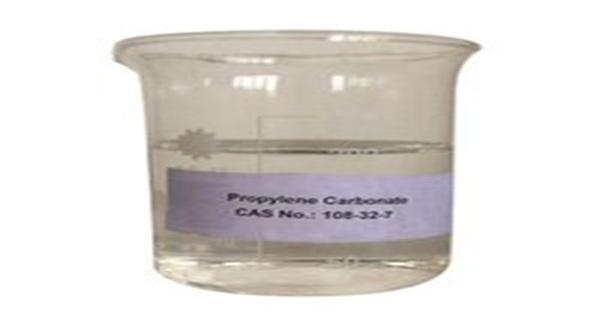
    Propylene carbonate is a chemical that quietly supports many industries, even though most people never hear its name. It is commonly used in lithium-ion batteries, paints, coatings, cosmetics, and as a solvent in various industrial processes. Because of its wide usage, changes in its price often reflect bigger movements in energy markets, manufacturing activity, and global demand. Understanding the propylene carbonate price trend helps businesses plan better and gives a clear picture of how market forces work in everyday terms.

    Please Submit Your Query for Propylene Carbonate Price Trend, demand-supply, suppliers, market analysis:https://www.price-watch.ai/book-a-demo/

    Factors That Influence Propylene Carbonate Prices

    The price of propylene carbonate is closely linked to the cost of its raw materials. Propylene carbonate is mainly produced from propylene oxide and carbon dioxide. When propylene oxide prices rise due to higher crude oil costs or supply issues, propylene carbonate prices usually follow the same direction. Energy costs also play an important role because manufacturing this chemical requires stable electricity and heat supply. When fuel or power prices increase, production becomes more expensive, pushing prices upward.
    Demand from end-use industries also shapes the propylene carbonate price trend. In recent years, the growth of electric vehicles and renewable energy storage has increased demand for lithium-ion batteries, where propylene carbonate is widely used as an electrolyte solvent. When battery production rises, manufacturers compete for supply, which can lift prices. On the other hand, when industrial activity slows down, demand weakens and prices tend to soften.

    Impact of Supply Chain and Production Capacity

    Supply chain conditions strongly affect propylene carbonate pricing. Disruptions such as plant shutdowns, maintenance issues, or transportation delays can reduce supply in the market. Even short-term disruptions often lead to noticeable price changes because buyers want to secure material quickly. When production facilities operate smoothly and inventories are sufficient, prices usually remain stable or move slowly.
    Expansion of production capacity can also influence the price trend. When new plants come online or existing manufacturers increase output, supply improves. This often balances demand and helps control price increases. However, if capacity additions lag behind growing demand, especially from fast-growing sectors like batteries, prices may stay firm or rise over time.

    Regional Differences in Propylene Carbonate Prices

    Propylene carbonate prices are not the same everywhere. Regional trends depend on local production, raw material availability, and industrial demand. In regions with strong chemical manufacturing bases and easy access to raw materials, prices are often more competitive. In contrast, areas that rely heavily on imports may see higher prices due to shipping costs, duties, and currency fluctuations.

    Conclusion

    The propylene carbonate price trend reflects a balance between raw material costs, energy prices, industrial demand, and supply chain conditions. Its growing role in batteries and sustainable applications adds long-term strength to the market. By understanding these everyday factors, businesses and buyers can better anticipate price movements and make informed decisions. While short-term fluctuations are part of any chemical market, propylene carbonate continues to show a stable and reliable trend shaped by real-world industrial needs.

    Please Submit Your Query for Propylene Carbonate Price Trend, demand-supply, suppliers, market analysis:https://www.price-watch.ai/book-a-demo/

    About Price Watch™ AI

    Price-Watch AI is an India-based, independent raw material price reporting agency that provides real-time price forecasts and data-driven insights into global raw material markets. Price-Watch AI specializes in tracking raw material prices, analyzing market trends, and delivering timely updates on plant shutdowns, supply disruptions, capacity expansions, and demand-supply dynamics. The Price-Watch AI platform empowers manufacturers, traders, and procurement professionals to make faster, smarter decisions. Leveraging AI-powered forecasting and over a decade of historical data, Price-Watch AI transforms market volatility into actionable opportunity.

    Futura Tech Park,
    C Block, 8th floor 334,
    Old Mahabalipuram Road,
    Sholinganallur, Chennai,
    Tamil Nadu, Pincode - 600119.

    LinkedIn: https://www.linkedin.com/company/price-watch-ai/
    Facebook: https://www.facebook.com/people/Price-Watch/61568490385598/
    Twitter: https://x.com/pricewatchai
    Website: https://www.price-watch.ai/
    Propylene Carbonate Price Trend Report: Key Influences from Feedstock Costs, Regulatory Changes, and End-Use Sector Demand Propylene carbonate is a chemical that quietly supports many industries, even though most people never hear its name. It is commonly used in lithium-ion batteries, paints, coatings, cosmetics, and as a solvent in various industrial processes. Because of its wide usage, changes in its price often reflect bigger movements in energy markets, manufacturing activity, and global demand. Understanding the propylene carbonate price trend helps businesses plan better and gives a clear picture of how market forces work in everyday terms. 👉 👉 👉 Please Submit Your Query for Propylene Carbonate Price Trend, demand-supply, suppliers, market analysis:https://www.price-watch.ai/book-a-demo/ Factors That Influence Propylene Carbonate Prices The price of propylene carbonate is closely linked to the cost of its raw materials. Propylene carbonate is mainly produced from propylene oxide and carbon dioxide. When propylene oxide prices rise due to higher crude oil costs or supply issues, propylene carbonate prices usually follow the same direction. Energy costs also play an important role because manufacturing this chemical requires stable electricity and heat supply. When fuel or power prices increase, production becomes more expensive, pushing prices upward. Demand from end-use industries also shapes the propylene carbonate price trend. In recent years, the growth of electric vehicles and renewable energy storage has increased demand for lithium-ion batteries, where propylene carbonate is widely used as an electrolyte solvent. When battery production rises, manufacturers compete for supply, which can lift prices. On the other hand, when industrial activity slows down, demand weakens and prices tend to soften. Impact of Supply Chain and Production Capacity Supply chain conditions strongly affect propylene carbonate pricing. Disruptions such as plant shutdowns, maintenance issues, or transportation delays can reduce supply in the market. Even short-term disruptions often lead to noticeable price changes because buyers want to secure material quickly. When production facilities operate smoothly and inventories are sufficient, prices usually remain stable or move slowly. Expansion of production capacity can also influence the price trend. When new plants come online or existing manufacturers increase output, supply improves. This often balances demand and helps control price increases. However, if capacity additions lag behind growing demand, especially from fast-growing sectors like batteries, prices may stay firm or rise over time. Regional Differences in Propylene Carbonate Prices Propylene carbonate prices are not the same everywhere. Regional trends depend on local production, raw material availability, and industrial demand. In regions with strong chemical manufacturing bases and easy access to raw materials, prices are often more competitive. In contrast, areas that rely heavily on imports may see higher prices due to shipping costs, duties, and currency fluctuations. Conclusion The propylene carbonate price trend reflects a balance between raw material costs, energy prices, industrial demand, and supply chain conditions. Its growing role in batteries and sustainable applications adds long-term strength to the market. By understanding these everyday factors, businesses and buyers can better anticipate price movements and make informed decisions. While short-term fluctuations are part of any chemical market, propylene carbonate continues to show a stable and reliable trend shaped by real-world industrial needs. 👉 👉 👉 Please Submit Your Query for Propylene Carbonate Price Trend, demand-supply, suppliers, market analysis:https://www.price-watch.ai/book-a-demo/ About Price Watch™ AI Price-Watch AI is an India-based, independent raw material price reporting agency that provides real-time price forecasts and data-driven insights into global raw material markets. Price-Watch AI specializes in tracking raw material prices, analyzing market trends, and delivering timely updates on plant shutdowns, supply disruptions, capacity expansions, and demand-supply dynamics. The Price-Watch AI platform empowers manufacturers, traders, and procurement professionals to make faster, smarter decisions. Leveraging AI-powered forecasting and over a decade of historical data, Price-Watch AI transforms market volatility into actionable opportunity. Futura Tech Park, C Block, 8th floor 334, Old Mahabalipuram Road, Sholinganallur, Chennai, Tamil Nadu, Pincode - 600119. LinkedIn: https://www.linkedin.com/company/price-watch-ai/ Facebook: https://www.facebook.com/people/Price-Watch/61568490385598/ Twitter: https://x.com/pricewatchai Website: https://www.price-watch.ai/
    0 التعليقات 0 المشاركات 378 مشاهدة 0 معاينة
  • Sodium Nitrate Price Trend Analysis: A Detailed Evaluation of Historical Data, Current Market Conditions, and Predictive Insights for Stakeholders in Agriculture, Manufacturing, and Chemical Industries

    Sodium nitrate is a widely used chemical that plays an important role in many everyday industries. It is commonly used in fertilizers, food preservation, pharmaceuticals, explosives, and even in some industrial cleaning processes. Because it connects to agriculture, manufacturing, and food supply chains, changes in its price often reflect larger economic and market movements. The sodium nitrate price trend is shaped by a mix of raw material costs, supply availability, seasonal demand, and global trade conditions.

    Please Submit Your Query for Sodium Nitrate Price Trend, demand-supply, suppliers, market analysis:https://www.price-watch.ai/book-a-demo/

    What Influences Sodium Nitrate Prices

    The price of sodium nitrate does not move randomly. One of the biggest influences is the cost of raw materials and energy. Producing sodium nitrate requires energy-intensive processes, so when fuel or electricity prices rise, production costs usually go up as well. These higher costs often pass down the supply chain and show up as increased market prices.
    Another major factor is demand from agriculture. Sodium nitrate is widely used as a nitrogen source in fertilizers, especially in regions that rely on fast-acting nutrients for crops. During planting seasons, demand tends to rise, which can push prices upward. When farming activity slows down, prices may stabilize or soften due to lower consumption.

    Role of Supply and Production Capacity

    Supply availability plays a key role in shaping the sodium nitrate price trend. Production is often concentrated in specific regions with access to natural deposits or established chemical manufacturing infrastructure. If production plants face shutdowns, maintenance issues, or environmental restrictions, supply can tighten. When supply is limited and demand remains steady, prices usually increase.
    On the other hand, when production runs smoothly and inventories are well-stocked, the market experiences price stability. In some cases, excess supply can even lead to price corrections as sellers compete to move their stock. This balance between supply and demand keeps sodium nitrate prices in constant motion.

    Impact of Global Trade and Logistics

    Global trade conditions strongly affect sodium nitrate pricing. Since many countries depend on imports to meet their demand, shipping costs and trade policies matter a lot. When freight rates rise due to fuel price increases or port congestion, the landed cost of sodium nitrate also increases. This is often reflected in higher local prices.
    Trade regulations, tariffs, and export restrictions can further influence the sodium nitrate price trend. Any disruption in international trade routes, whether due to geopolitical tensions or logistical challenges, can reduce supply in importing regions and push prices upward.

    Seasonal Patterns in Sodium Nitrate Pricing

    Seasonality is another important aspect of sodium nitrate pricing. Demand typically increases during peak agricultural seasons when farmers prepare fields and apply fertilizers. This seasonal spike in demand often results in short-term price increases. During off-seasons, when agricultural activity slows, prices may become more stable or slightly lower.
    Weather conditions also play a role. Unpredictable rainfall or extended droughts can change fertilizer usage patterns, indirectly affecting sodium nitrate demand and prices. These seasonal shifts make the sodium nitrate price trend more dynamic throughout the year.

    Please Submit Your Query for Sodium Nitrate Price Trend, demand-supply, suppliers, market analysis:https://www.price-watch.ai/book-a-demo/

    About Price Watch™ AI

    Price-Watch AI is an India-based, independent raw material price reporting agency that provides real-time price forecasts and data-driven insights into global raw material markets. Price-Watch AI specializes in tracking raw material prices, analyzing market trends, and delivering timely updates on plant shutdowns, supply disruptions, capacity expansions, and demand-supply dynamics. The Price-Watch AI platform empowers manufacturers, traders, and procurement professionals to make faster, smarter decisions. Leveraging AI-powered forecasting and over a decade of historical data, Price-Watch AI transforms market volatility into actionable opportunity.

    Futura Tech Park,
    C Block, 8th floor 334,
    Old Mahabalipuram Road,
    Sholinganallur, Chennai,
    Tamil Nadu, Pincode - 600119.

    LinkedIn: https://www.linkedin.com/company/price-watch-ai/
    Facebook: https://www.facebook.com/people/Price-Watch/61568490385598/
    Twitter: https://x.com/pricewatchai
    Website: https://www.price-watch.ai/
    Sodium Nitrate Price Trend Analysis: A Detailed Evaluation of Historical Data, Current Market Conditions, and Predictive Insights for Stakeholders in Agriculture, Manufacturing, and Chemical Industries Sodium nitrate is a widely used chemical that plays an important role in many everyday industries. It is commonly used in fertilizers, food preservation, pharmaceuticals, explosives, and even in some industrial cleaning processes. Because it connects to agriculture, manufacturing, and food supply chains, changes in its price often reflect larger economic and market movements. The sodium nitrate price trend is shaped by a mix of raw material costs, supply availability, seasonal demand, and global trade conditions. 👉 👉 👉 Please Submit Your Query for Sodium Nitrate Price Trend, demand-supply, suppliers, market analysis:https://www.price-watch.ai/book-a-demo/ What Influences Sodium Nitrate Prices The price of sodium nitrate does not move randomly. One of the biggest influences is the cost of raw materials and energy. Producing sodium nitrate requires energy-intensive processes, so when fuel or electricity prices rise, production costs usually go up as well. These higher costs often pass down the supply chain and show up as increased market prices. Another major factor is demand from agriculture. Sodium nitrate is widely used as a nitrogen source in fertilizers, especially in regions that rely on fast-acting nutrients for crops. During planting seasons, demand tends to rise, which can push prices upward. When farming activity slows down, prices may stabilize or soften due to lower consumption. Role of Supply and Production Capacity Supply availability plays a key role in shaping the sodium nitrate price trend. Production is often concentrated in specific regions with access to natural deposits or established chemical manufacturing infrastructure. If production plants face shutdowns, maintenance issues, or environmental restrictions, supply can tighten. When supply is limited and demand remains steady, prices usually increase. On the other hand, when production runs smoothly and inventories are well-stocked, the market experiences price stability. In some cases, excess supply can even lead to price corrections as sellers compete to move their stock. This balance between supply and demand keeps sodium nitrate prices in constant motion. Impact of Global Trade and Logistics Global trade conditions strongly affect sodium nitrate pricing. Since many countries depend on imports to meet their demand, shipping costs and trade policies matter a lot. When freight rates rise due to fuel price increases or port congestion, the landed cost of sodium nitrate also increases. This is often reflected in higher local prices. Trade regulations, tariffs, and export restrictions can further influence the sodium nitrate price trend. Any disruption in international trade routes, whether due to geopolitical tensions or logistical challenges, can reduce supply in importing regions and push prices upward. Seasonal Patterns in Sodium Nitrate Pricing Seasonality is another important aspect of sodium nitrate pricing. Demand typically increases during peak agricultural seasons when farmers prepare fields and apply fertilizers. This seasonal spike in demand often results in short-term price increases. During off-seasons, when agricultural activity slows, prices may become more stable or slightly lower. Weather conditions also play a role. Unpredictable rainfall or extended droughts can change fertilizer usage patterns, indirectly affecting sodium nitrate demand and prices. These seasonal shifts make the sodium nitrate price trend more dynamic throughout the year. 👉 👉 👉 Please Submit Your Query for Sodium Nitrate Price Trend, demand-supply, suppliers, market analysis:https://www.price-watch.ai/book-a-demo/ About Price Watch™ AI Price-Watch AI is an India-based, independent raw material price reporting agency that provides real-time price forecasts and data-driven insights into global raw material markets. Price-Watch AI specializes in tracking raw material prices, analyzing market trends, and delivering timely updates on plant shutdowns, supply disruptions, capacity expansions, and demand-supply dynamics. The Price-Watch AI platform empowers manufacturers, traders, and procurement professionals to make faster, smarter decisions. Leveraging AI-powered forecasting and over a decade of historical data, Price-Watch AI transforms market volatility into actionable opportunity. Futura Tech Park, C Block, 8th floor 334, Old Mahabalipuram Road, Sholinganallur, Chennai, Tamil Nadu, Pincode - 600119. LinkedIn: https://www.linkedin.com/company/price-watch-ai/ Facebook: https://www.facebook.com/people/Price-Watch/61568490385598/ Twitter: https://x.com/pricewatchai Website: https://www.price-watch.ai/
    0 التعليقات 0 المشاركات 298 مشاهدة 0 معاينة
  • Succinic Acid Price Trend and Market Outlook: Tracking Price Indices, Feedstock Influences, Demand Shifts in Polymers and Pharmaceuticals, and Forecasts to 2026

    Succinic acid may not be a household name, but it quietly plays an important role in everyday life. It is used in food products, pharmaceuticals, personal care items, biodegradable plastics, coatings, and even in agriculture. Because it connects so many industries, the succinic acid price trend often reflects broader changes in raw materials, energy costs, technology, and global demand. Understanding how and why its prices move does not require technical knowledge; it is mostly about observing common market behavior and real-world conditions.

    Please Submit Your Query for Succinic Acid Price Trend-supply, suppliers, market analysis:https://www.price-watch.ai/book-a-demo/

    Understanding Succinic Acid and Its Uses

    Succinic acid is an organic acid that can be produced from petrochemical sources or through bio-based fermentation methods. Over time, industries have shown growing interest in bio-based succinic acid because it aligns with sustainability goals. As demand spreads across food, pharma, and industrial sectors, price trends naturally respond to how easily it can be produced and how steady the demand remains. When more industries rely on the same material, even small supply changes can influence prices noticeably.

    Raw Material Influence on Prices

    One of the most important drivers behind the succinic acid price trend is the cost of raw materials. Traditional production depends on petroleum-based inputs, while bio-based production relies on sugars and agricultural feedstocks. When crude oil prices rise, petro-based succinic acid often becomes more expensive. Similarly, when sugar prices increase due to poor harvests or weather issues, bio-based succinic acid costs tend to rise as well. These raw material shifts are common and usually pass through the supply chain, slowly showing up in market prices.

    Energy and Production Costs

    Energy plays a key role in chemical manufacturing, and succinic acid is no exception. Electricity, natural gas, and steam are all essential for production. When energy prices rise, manufacturers face higher operating costs, which often leads to price increases. In periods of stable energy supply, prices tend to remain calm. However, sudden energy shortages, fuel price spikes, or changes in government energy policies can disturb the balance and push succinic acid prices upward.

    Supply Chain and Availability Factors

    Supply chain conditions strongly affect the succinic acid price trend. Delays in transportation, port congestion, or limited availability of containers can create short-term shortages. Even when demand stays the same, limited supply can raise prices. On the other hand, when production capacity expands or logistics improve, markets often see price stabilization or slight declines. Seasonal factors can also play a role, especially when agricultural feedstocks are involved in bio-based production.

    Conclusion

    The succinic acid price trend tells a simple market story driven by raw materials, energy costs, supply chains, and steady industrial demand. It reflects everyday economic forces rather than sudden shocks. As sustainability continues to influence production methods and industries keep expanding their use of this versatile acid, prices are expected to remain balanced with occasional fluctuations. For businesses and buyers, understanding these basic factors helps make sense of price movements without needing complex market analysis.

    Please Submit Your Query for Succinic Acid Price Trend-supply, suppliers, market analysis:https://www.price-watch.ai/book-a-demo/

    About Price Watch™ AI

    Price-Watch AI is an India-based, independent raw material price reporting agency that provides real-time price forecasts and data-driven insights into global raw material markets. Price-Watch AI specializes in tracking raw material prices, analyzing market trends, and delivering timely updates on plant shutdowns, supply disruptions, capacity expansions, and demand-supply dynamics. The Price-Watch AI platform empowers manufacturers, traders, and procurement professionals to make faster, smarter decisions. Leveraging AI-powered forecasting and over a decade of historical data, Price-Watch AI transforms market volatility into actionable opportunity.

    Futura Tech Park,
    C Block, 8th floor 334,
    Old Mahabalipuram Road,
    Sholinganallur, Chennai,
    Tamil Nadu, Pincode - 600119.

    LinkedIn: https://www.linkedin.com/company/price-watch-ai/
    Facebook: https://www.facebook.com/people/Price-Watch/61568490385598/
    Twitter: https://x.com/pricewatchai
    Website: https://www.price-watch.ai/
    Succinic Acid Price Trend and Market Outlook: Tracking Price Indices, Feedstock Influences, Demand Shifts in Polymers and Pharmaceuticals, and Forecasts to 2026 Succinic acid may not be a household name, but it quietly plays an important role in everyday life. It is used in food products, pharmaceuticals, personal care items, biodegradable plastics, coatings, and even in agriculture. Because it connects so many industries, the succinic acid price trend often reflects broader changes in raw materials, energy costs, technology, and global demand. Understanding how and why its prices move does not require technical knowledge; it is mostly about observing common market behavior and real-world conditions. 👉 👉 👉 Please Submit Your Query for Succinic Acid Price Trend-supply, suppliers, market analysis:https://www.price-watch.ai/book-a-demo/ Understanding Succinic Acid and Its Uses Succinic acid is an organic acid that can be produced from petrochemical sources or through bio-based fermentation methods. Over time, industries have shown growing interest in bio-based succinic acid because it aligns with sustainability goals. As demand spreads across food, pharma, and industrial sectors, price trends naturally respond to how easily it can be produced and how steady the demand remains. When more industries rely on the same material, even small supply changes can influence prices noticeably. Raw Material Influence on Prices One of the most important drivers behind the succinic acid price trend is the cost of raw materials. Traditional production depends on petroleum-based inputs, while bio-based production relies on sugars and agricultural feedstocks. When crude oil prices rise, petro-based succinic acid often becomes more expensive. Similarly, when sugar prices increase due to poor harvests or weather issues, bio-based succinic acid costs tend to rise as well. These raw material shifts are common and usually pass through the supply chain, slowly showing up in market prices. Energy and Production Costs Energy plays a key role in chemical manufacturing, and succinic acid is no exception. Electricity, natural gas, and steam are all essential for production. When energy prices rise, manufacturers face higher operating costs, which often leads to price increases. In periods of stable energy supply, prices tend to remain calm. However, sudden energy shortages, fuel price spikes, or changes in government energy policies can disturb the balance and push succinic acid prices upward. Supply Chain and Availability Factors Supply chain conditions strongly affect the succinic acid price trend. Delays in transportation, port congestion, or limited availability of containers can create short-term shortages. Even when demand stays the same, limited supply can raise prices. On the other hand, when production capacity expands or logistics improve, markets often see price stabilization or slight declines. Seasonal factors can also play a role, especially when agricultural feedstocks are involved in bio-based production. Conclusion The succinic acid price trend tells a simple market story driven by raw materials, energy costs, supply chains, and steady industrial demand. It reflects everyday economic forces rather than sudden shocks. As sustainability continues to influence production methods and industries keep expanding their use of this versatile acid, prices are expected to remain balanced with occasional fluctuations. For businesses and buyers, understanding these basic factors helps make sense of price movements without needing complex market analysis. 👉 👉 👉 Please Submit Your Query for Succinic Acid Price Trend-supply, suppliers, market analysis:https://www.price-watch.ai/book-a-demo/ About Price Watch™ AI Price-Watch AI is an India-based, independent raw material price reporting agency that provides real-time price forecasts and data-driven insights into global raw material markets. Price-Watch AI specializes in tracking raw material prices, analyzing market trends, and delivering timely updates on plant shutdowns, supply disruptions, capacity expansions, and demand-supply dynamics. The Price-Watch AI platform empowers manufacturers, traders, and procurement professionals to make faster, smarter decisions. Leveraging AI-powered forecasting and over a decade of historical data, Price-Watch AI transforms market volatility into actionable opportunity. Futura Tech Park, C Block, 8th floor 334, Old Mahabalipuram Road, Sholinganallur, Chennai, Tamil Nadu, Pincode - 600119. LinkedIn: https://www.linkedin.com/company/price-watch-ai/ Facebook: https://www.facebook.com/people/Price-Watch/61568490385598/ Twitter: https://x.com/pricewatchai Website: https://www.price-watch.ai/
    0 التعليقات 0 المشاركات 287 مشاهدة 0 معاينة
  • Global Tertiary Butyl Alcohol Price Trend Report: Historical Data, Key Sector Influences, and Predictive Modeling for Strategic Market Decision-Making

    Tertiary Butyl Alcohol, often known as TBA or tert-butanol, is a chemical that quietly plays an important role in many industries. It is widely used as a solvent, a fuel additive, and an intermediate in chemical manufacturing. Because of this wide usage, changes in its price often reflect broader movements in energy markets, raw material availability, and industrial demand. Understanding the Tertiary Butyl Alcohol price trend does not require deep technical knowledge; it can be explained through everyday market behavior and common economic factors.

    Please Submit Your Query for Tertiary Butyl Alcohol Price Trend, suppliers, market analysis:https://www.price-watch.ai/book-a-demo/

    General Overview of the Market

    The price of Tertiary Butyl Alcohol usually follows a steady pattern, with occasional ups and downs driven by supply and demand. Since it is derived from petrochemical sources, its pricing is closely connected to crude oil and natural gas markets. When energy prices rise, production costs tend to increase, which often leads to higher TBA prices. On the other hand, when energy markets soften, manufacturers may reduce prices to stay competitive.
    In many regions, Tertiary Butyl Alcohol is produced locally, while in others it is imported. This mix of domestic production and international trade makes the price sensitive to logistics, currency exchange rates, and transportation costs. Even small disruptions in shipping or port operations can influence market sentiment and pricing.

    Demand Factors Influencing Prices

    Demand plays a major role in shaping the Tertiary Butyl Alcohol price trend. One of its key uses is in fuel blending and gasoline additives, which links its demand to the automotive and energy sectors. When fuel consumption rises, such as during peak travel seasons or economic recovery phases, the demand for TBA often increases. This higher demand can push prices upward, especially if supply does not grow at the same pace.
    Industrial demand from paints, coatings, pharmaceuticals, and chemical synthesis also affects pricing. When manufacturing activity is strong, Tertiary Butyl Alcohol sees better consumption levels. Conversely, during periods of industrial slowdown or uncertainty, buyers tend to reduce orders, which can put pressure on prices.

    Supply Side and Production Costs

    On the supply side, the availability of raw materials is a key driver of price movement. Tertiary Butyl Alcohol is typically produced from isobutylene or related feedstocks, which themselves are influenced by refinery operations and petrochemical output. If refineries reduce operating rates or face maintenance shutdowns, feedstock availability can tighten, leading to higher production costs.
    Production costs also include energy, labor, and compliance with environmental regulations. Over time, stricter safety and environmental standards have added to operational expenses. While these changes are often gradual, they can create a long-term upward pressure on prices, even when short-term demand is stable.

    Please Submit Your Query for Tertiary Butyl Alcohol Price Trend, suppliers, market analysis:https://www.price-watch.ai/book-a-demo/

    About Price Watch™ AI

    Price-Watch AI is an India-based, independent raw material price reporting agency that provides real-time price forecasts and data-driven insights into global raw material markets. Price-Watch AI specializes in tracking raw material prices, analyzing market trends, and delivering timely updates on plant shutdowns, supply disruptions, capacity expansions, and demand-supply dynamics. The Price-Watch AI platform empowers manufacturers, traders, and procurement professionals to make faster, smarter decisions. Leveraging AI-powered forecasting and over a decade of historical data, Price-Watch AI transforms market volatility into actionable opportunity.

    Futura Tech Park,
    C Block, 8th floor 334,
    Old Mahabalipuram Road,
    Sholinganallur, Chennai,
    Tamil Nadu, Pincode - 600119.

    LinkedIn: https://www.linkedin.com/company/price-watch-ai/
    Facebook: https://www.facebook.com/people/Price-Watch/61568490385598/
    Twitter: https://x.com/pricewatchai
    Website: https://www.price-watch.ai/
    Global Tertiary Butyl Alcohol Price Trend Report: Historical Data, Key Sector Influences, and Predictive Modeling for Strategic Market Decision-Making Tertiary Butyl Alcohol, often known as TBA or tert-butanol, is a chemical that quietly plays an important role in many industries. It is widely used as a solvent, a fuel additive, and an intermediate in chemical manufacturing. Because of this wide usage, changes in its price often reflect broader movements in energy markets, raw material availability, and industrial demand. Understanding the Tertiary Butyl Alcohol price trend does not require deep technical knowledge; it can be explained through everyday market behavior and common economic factors. 👉 👉 👉 Please Submit Your Query for Tertiary Butyl Alcohol Price Trend, suppliers, market analysis:https://www.price-watch.ai/book-a-demo/ General Overview of the Market The price of Tertiary Butyl Alcohol usually follows a steady pattern, with occasional ups and downs driven by supply and demand. Since it is derived from petrochemical sources, its pricing is closely connected to crude oil and natural gas markets. When energy prices rise, production costs tend to increase, which often leads to higher TBA prices. On the other hand, when energy markets soften, manufacturers may reduce prices to stay competitive. In many regions, Tertiary Butyl Alcohol is produced locally, while in others it is imported. This mix of domestic production and international trade makes the price sensitive to logistics, currency exchange rates, and transportation costs. Even small disruptions in shipping or port operations can influence market sentiment and pricing. Demand Factors Influencing Prices Demand plays a major role in shaping the Tertiary Butyl Alcohol price trend. One of its key uses is in fuel blending and gasoline additives, which links its demand to the automotive and energy sectors. When fuel consumption rises, such as during peak travel seasons or economic recovery phases, the demand for TBA often increases. This higher demand can push prices upward, especially if supply does not grow at the same pace. Industrial demand from paints, coatings, pharmaceuticals, and chemical synthesis also affects pricing. When manufacturing activity is strong, Tertiary Butyl Alcohol sees better consumption levels. Conversely, during periods of industrial slowdown or uncertainty, buyers tend to reduce orders, which can put pressure on prices. Supply Side and Production Costs On the supply side, the availability of raw materials is a key driver of price movement. Tertiary Butyl Alcohol is typically produced from isobutylene or related feedstocks, which themselves are influenced by refinery operations and petrochemical output. If refineries reduce operating rates or face maintenance shutdowns, feedstock availability can tighten, leading to higher production costs. Production costs also include energy, labor, and compliance with environmental regulations. Over time, stricter safety and environmental standards have added to operational expenses. While these changes are often gradual, they can create a long-term upward pressure on prices, even when short-term demand is stable. 👉 👉 👉 Please Submit Your Query for Tertiary Butyl Alcohol Price Trend, suppliers, market analysis:https://www.price-watch.ai/book-a-demo/ About Price Watch™ AI Price-Watch AI is an India-based, independent raw material price reporting agency that provides real-time price forecasts and data-driven insights into global raw material markets. Price-Watch AI specializes in tracking raw material prices, analyzing market trends, and delivering timely updates on plant shutdowns, supply disruptions, capacity expansions, and demand-supply dynamics. The Price-Watch AI platform empowers manufacturers, traders, and procurement professionals to make faster, smarter decisions. Leveraging AI-powered forecasting and over a decade of historical data, Price-Watch AI transforms market volatility into actionable opportunity. Futura Tech Park, C Block, 8th floor 334, Old Mahabalipuram Road, Sholinganallur, Chennai, Tamil Nadu, Pincode - 600119. LinkedIn: https://www.linkedin.com/company/price-watch-ai/ Facebook: https://www.facebook.com/people/Price-Watch/61568490385598/ Twitter: https://x.com/pricewatchai Website: https://www.price-watch.ai/
    0 التعليقات 0 المشاركات 220 مشاهدة 0 معاينة
الصفحات المعززة
إعلان مُمول
إعلان مُمول