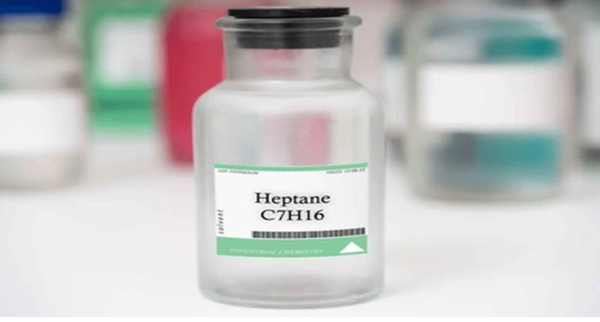
• Comprehensive Analysis of N Heptane Price Trends: Historical Patterns, Market Drivers, and Future Forecasts

    N Heptane Price Trend is an important chemical used widely in laboratories, industries, and as a reference solvent in fuel testing. It plays a key role in determining the octane rating of gasoline and is also utilized in chemical synthesis and cleaning applications. Over the years, the price of N-Heptane has seen fluctuations influenced by various market and economic factors. Understanding its price trend can help businesses, investors, and consumers make informed decisions.

    Please Submit Your Query for N-Heptane Price Trend, demand-supply, suppliers, market analysis:https://www.price-watch.ai/book-a-demo/

    Factors Influencing N-Heptane Prices

    Several factors impact the price of N-Heptane. One major factor is crude oil prices. Since N-Heptane is derived from petroleum, any significant change in crude oil prices can directly affect its production cost and market price. When crude oil prices rise, the cost of producing N-Heptane also increases, leading to higher market prices. On the other hand, a drop in crude oil prices can reduce the cost, making N-Heptane more affordable.
    Global demand and supply also play an essential role in determining the price. Industrial growth, especially in the chemical, automotive, and laboratory sectors, increases the demand for N-Heptane. If production cannot meet this growing demand, prices tend to rise. Conversely, if production exceeds demand, prices may drop. Seasonal factors can also influence supply, as maintenance shutdowns in refineries or transportation issues may temporarily limit availability.
    Another important factor is the cost of transportation and logistics. N-Heptane is a flammable and sensitive chemical, so special handling is required during shipping. Any increase in transportation costs due to fuel price hikes or regulatory restrictions can impact the overall price in the market.

    Historical Price Trend

    Looking at the past few years, N-Heptane prices have experienced both upward and downward movements. Typically, periods of higher crude oil prices are associated with rising N-Heptane prices. For example, during times when oil-producing countries faced production cuts or geopolitical tensions affected crude oil supply, N-Heptane prices also increased.

    Conclusion

    The N-Heptane price trend reflects the combined effects of crude oil prices, supply and demand balance, industrial growth, and global trade dynamics. While prices have fluctuated in the past, recent trends show a relatively stable market with moderate upward pressure due to increasing demand. For industries and businesses that rely on N-Heptane, staying informed about these trends is crucial for effective planning and cost management. As the global economy evolves, N-Heptane prices will likely continue to respond to both market conditions and technological advancements in production.

    Please Submit Your Query for N-Heptane Price Trend, demand-supply, suppliers, market analysis:https://www.price-watch.ai/book-a-demo/

    About Price Watch™ AI

    Price-Watch AI is an India-based, independent raw material price reporting agency that provides real-time price forecasts and data-driven insights into global raw material markets. Price-Watch AI specializes in tracking raw material prices, analyzing market trends, and delivering timely updates on plant shutdowns, supply disruptions, capacity expansions, and demand-supply dynamics. The Price-Watch AI platform empowers manufacturers, traders, and procurement professionals to make faster, smarter decisions. Leveraging AI-powered forecasting and over a decade of historical data, Price-Watch AI transforms market volatility into actionable opportunity.

    Futura Tech Park,
    C Block, 8th floor 334,
    Old Mahabalipuram Road,
    Sholinganallur, Chennai,
    Tamil Nadu, Pincode - 600119.

    LinkedIn: https://www.linkedin.com/company/price-watch-ai/
    Facebook: https://www.facebook.com/people/Price-Watch/61568490385598/
    Twitter: https://x.com/pricewatchai
    Website: https://www.price-watch.ai/
    Comprehensive Analysis of N Heptane Price Trends: Historical Patterns, Market Drivers, and Future Forecasts N Heptane Price Trend is an important chemical used widely in laboratories, industries, and as a reference solvent in fuel testing. It plays a key role in determining the octane rating of gasoline and is also utilized in chemical synthesis and cleaning applications. Over the years, the price of N-Heptane has seen fluctuations influenced by various market and economic factors. Understanding its price trend can help businesses, investors, and consumers make informed decisions. 👉 👉 👉 Please Submit Your Query for N-Heptane Price Trend, demand-supply, suppliers, market analysis:https://www.price-watch.ai/book-a-demo/ Factors Influencing N-Heptane Prices Several factors impact the price of N-Heptane. One major factor is crude oil prices. Since N-Heptane is derived from petroleum, any significant change in crude oil prices can directly affect its production cost and market price. When crude oil prices rise, the cost of producing N-Heptane also increases, leading to higher market prices. On the other hand, a drop in crude oil prices can reduce the cost, making N-Heptane more affordable. Global demand and supply also play an essential role in determining the price. Industrial growth, especially in the chemical, automotive, and laboratory sectors, increases the demand for N-Heptane. If production cannot meet this growing demand, prices tend to rise. Conversely, if production exceeds demand, prices may drop. Seasonal factors can also influence supply, as maintenance shutdowns in refineries or transportation issues may temporarily limit availability. Another important factor is the cost of transportation and logistics. N-Heptane is a flammable and sensitive chemical, so special handling is required during shipping. Any increase in transportation costs due to fuel price hikes or regulatory restrictions can impact the overall price in the market. Historical Price Trend Looking at the past few years, N-Heptane prices have experienced both upward and downward movements. Typically, periods of higher crude oil prices are associated with rising N-Heptane prices. For example, during times when oil-producing countries faced production cuts or geopolitical tensions affected crude oil supply, N-Heptane prices also increased. Conclusion The N-Heptane price trend reflects the combined effects of crude oil prices, supply and demand balance, industrial growth, and global trade dynamics. While prices have fluctuated in the past, recent trends show a relatively stable market with moderate upward pressure due to increasing demand. For industries and businesses that rely on N-Heptane, staying informed about these trends is crucial for effective planning and cost management. As the global economy evolves, N-Heptane prices will likely continue to respond to both market conditions and technological advancements in production. 👉 👉 👉 Please Submit Your Query for N-Heptane Price Trend, demand-supply, suppliers, market analysis:https://www.price-watch.ai/book-a-demo/ About Price Watch™ AI Price-Watch AI is an India-based, independent raw material price reporting agency that provides real-time price forecasts and data-driven insights into global raw material markets. Price-Watch AI specializes in tracking raw material prices, analyzing market trends, and delivering timely updates on plant shutdowns, supply disruptions, capacity expansions, and demand-supply dynamics. The Price-Watch AI platform empowers manufacturers, traders, and procurement professionals to make faster, smarter decisions. Leveraging AI-powered forecasting and over a decade of historical data, Price-Watch AI transforms market volatility into actionable opportunity. Futura Tech Park, C Block, 8th floor 334, Old Mahabalipuram Road, Sholinganallur, Chennai, Tamil Nadu, Pincode - 600119. LinkedIn: https://www.linkedin.com/company/price-watch-ai/ Facebook: https://www.facebook.com/people/Price-Watch/61568490385598/ Twitter: https://x.com/pricewatchai Website: https://www.price-watch.ai/
    0 Kommentare 0 Anteile 134 Ansichten 0 Vorschau
  • The Liquid Chlorine price trend has remained a key point of attention for water treatment companies, chemical processors, and industrial buyers, as chlorine continues to be one of the most essential basic chemicals worldwide. Widely used in municipal water disinfection, sanitation, PVC manufacturing, pulp and paper processing, and chemical synthesis, Liquid Chlorine pricing is closely tied to public infrastructure demand and industrial activity levels.

    Read full price analysis: https://www.price-watch.ai/liquid-chlorine-prices/
    The Liquid Chlorine price trend has remained a key point of attention for water treatment companies, chemical processors, and industrial buyers, as chlorine continues to be one of the most essential basic chemicals worldwide. Widely used in municipal water disinfection, sanitation, PVC manufacturing, pulp and paper processing, and chemical synthesis, Liquid Chlorine pricing is closely tied to public infrastructure demand and industrial activity levels. 👉 Read full price analysis: https://www.price-watch.ai/liquid-chlorine-prices/
    WWW.PRICE-WATCH.AI
    Liquid Chlorine
    Liquid Chlorine price trend analysis with weekly forecasts, demand, market trends, production, spot prices and historical data.
    0 Kommentare 0 Anteile 273 Ansichten 0 Vorschau
  • Global Tertiary Butyl Alcohol Price Trend Report: Historical Data, Key Sector Influences, and Predictive Modeling for Strategic Market Decision-Making

    Tertiary Butyl Alcohol, often known as TBA or tert-butanol, is a chemical that quietly plays an important role in many industries. It is widely used as a solvent, a fuel additive, and an intermediate in chemical manufacturing. Because of this wide usage, changes in its price often reflect broader movements in energy markets, raw material availability, and industrial demand. Understanding the Tertiary Butyl Alcohol price trend does not require deep technical knowledge; it can be explained through everyday market behavior and common economic factors.

    Please Submit Your Query for Tertiary Butyl Alcohol Price Trend, suppliers, market analysis:https://www.price-watch.ai/book-a-demo/

    General Overview of the Market

    The price of Tertiary Butyl Alcohol usually follows a steady pattern, with occasional ups and downs driven by supply and demand. Since it is derived from petrochemical sources, its pricing is closely connected to crude oil and natural gas markets. When energy prices rise, production costs tend to increase, which often leads to higher TBA prices. On the other hand, when energy markets soften, manufacturers may reduce prices to stay competitive.
    In many regions, Tertiary Butyl Alcohol is produced locally, while in others it is imported. This mix of domestic production and international trade makes the price sensitive to logistics, currency exchange rates, and transportation costs. Even small disruptions in shipping or port operations can influence market sentiment and pricing.

    Demand Factors Influencing Prices

    Demand plays a major role in shaping the Tertiary Butyl Alcohol price trend. One of its key uses is in fuel blending and gasoline additives, which links its demand to the automotive and energy sectors. When fuel consumption rises, such as during peak travel seasons or economic recovery phases, the demand for TBA often increases. This higher demand can push prices upward, especially if supply does not grow at the same pace.
    Industrial demand from paints, coatings, pharmaceuticals, and chemical synthesis also affects pricing. When manufacturing activity is strong, Tertiary Butyl Alcohol sees better consumption levels. Conversely, during periods of industrial slowdown or uncertainty, buyers tend to reduce orders, which can put pressure on prices.

    Supply Side and Production Costs

    On the supply side, the availability of raw materials is a key driver of price movement. Tertiary Butyl Alcohol is typically produced from isobutylene or related feedstocks, which themselves are influenced by refinery operations and petrochemical output. If refineries reduce operating rates or face maintenance shutdowns, feedstock availability can tighten, leading to higher production costs.
    Production costs also include energy, labor, and compliance with environmental regulations. Over time, stricter safety and environmental standards have added to operational expenses. While these changes are often gradual, they can create a long-term upward pressure on prices, even when short-term demand is stable.

    Please Submit Your Query for Tertiary Butyl Alcohol Price Trend, suppliers, market analysis:https://www.price-watch.ai/book-a-demo/

    About Price Watch™ AI

    Price-Watch AI is an India-based, independent raw material price reporting agency that provides real-time price forecasts and data-driven insights into global raw material markets. Price-Watch AI specializes in tracking raw material prices, analyzing market trends, and delivering timely updates on plant shutdowns, supply disruptions, capacity expansions, and demand-supply dynamics. The Price-Watch AI platform empowers manufacturers, traders, and procurement professionals to make faster, smarter decisions. Leveraging AI-powered forecasting and over a decade of historical data, Price-Watch AI transforms market volatility into actionable opportunity.

    Futura Tech Park,
    C Block, 8th floor 334,
    Old Mahabalipuram Road,
    Sholinganallur, Chennai,
    Tamil Nadu, Pincode - 600119.

    LinkedIn: https://www.linkedin.com/company/price-watch-ai/
    Facebook: https://www.facebook.com/people/Price-Watch/61568490385598/
    Twitter: https://x.com/pricewatchai
    Website: https://www.price-watch.ai/
    Global Tertiary Butyl Alcohol Price Trend Report: Historical Data, Key Sector Influences, and Predictive Modeling for Strategic Market Decision-Making Tertiary Butyl Alcohol, often known as TBA or tert-butanol, is a chemical that quietly plays an important role in many industries. It is widely used as a solvent, a fuel additive, and an intermediate in chemical manufacturing. Because of this wide usage, changes in its price often reflect broader movements in energy markets, raw material availability, and industrial demand. Understanding the Tertiary Butyl Alcohol price trend does not require deep technical knowledge; it can be explained through everyday market behavior and common economic factors. 👉 👉 👉 Please Submit Your Query for Tertiary Butyl Alcohol Price Trend, suppliers, market analysis:https://www.price-watch.ai/book-a-demo/ General Overview of the Market The price of Tertiary Butyl Alcohol usually follows a steady pattern, with occasional ups and downs driven by supply and demand. Since it is derived from petrochemical sources, its pricing is closely connected to crude oil and natural gas markets. When energy prices rise, production costs tend to increase, which often leads to higher TBA prices. On the other hand, when energy markets soften, manufacturers may reduce prices to stay competitive. In many regions, Tertiary Butyl Alcohol is produced locally, while in others it is imported. This mix of domestic production and international trade makes the price sensitive to logistics, currency exchange rates, and transportation costs. Even small disruptions in shipping or port operations can influence market sentiment and pricing. Demand Factors Influencing Prices Demand plays a major role in shaping the Tertiary Butyl Alcohol price trend. One of its key uses is in fuel blending and gasoline additives, which links its demand to the automotive and energy sectors. When fuel consumption rises, such as during peak travel seasons or economic recovery phases, the demand for TBA often increases. This higher demand can push prices upward, especially if supply does not grow at the same pace. Industrial demand from paints, coatings, pharmaceuticals, and chemical synthesis also affects pricing. When manufacturing activity is strong, Tertiary Butyl Alcohol sees better consumption levels. Conversely, during periods of industrial slowdown or uncertainty, buyers tend to reduce orders, which can put pressure on prices. Supply Side and Production Costs On the supply side, the availability of raw materials is a key driver of price movement. Tertiary Butyl Alcohol is typically produced from isobutylene or related feedstocks, which themselves are influenced by refinery operations and petrochemical output. If refineries reduce operating rates or face maintenance shutdowns, feedstock availability can tighten, leading to higher production costs. Production costs also include energy, labor, and compliance with environmental regulations. Over time, stricter safety and environmental standards have added to operational expenses. While these changes are often gradual, they can create a long-term upward pressure on prices, even when short-term demand is stable. 👉 👉 👉 Please Submit Your Query for Tertiary Butyl Alcohol Price Trend, suppliers, market analysis:https://www.price-watch.ai/book-a-demo/ About Price Watch™ AI Price-Watch AI is an India-based, independent raw material price reporting agency that provides real-time price forecasts and data-driven insights into global raw material markets. Price-Watch AI specializes in tracking raw material prices, analyzing market trends, and delivering timely updates on plant shutdowns, supply disruptions, capacity expansions, and demand-supply dynamics. The Price-Watch AI platform empowers manufacturers, traders, and procurement professionals to make faster, smarter decisions. Leveraging AI-powered forecasting and over a decade of historical data, Price-Watch AI transforms market volatility into actionable opportunity. Futura Tech Park, C Block, 8th floor 334, Old Mahabalipuram Road, Sholinganallur, Chennai, Tamil Nadu, Pincode - 600119. LinkedIn: https://www.linkedin.com/company/price-watch-ai/ Facebook: https://www.facebook.com/people/Price-Watch/61568490385598/ Twitter: https://x.com/pricewatchai Website: https://www.price-watch.ai/
    0 Kommentare 0 Anteile 229 Ansichten 0 Vorschau
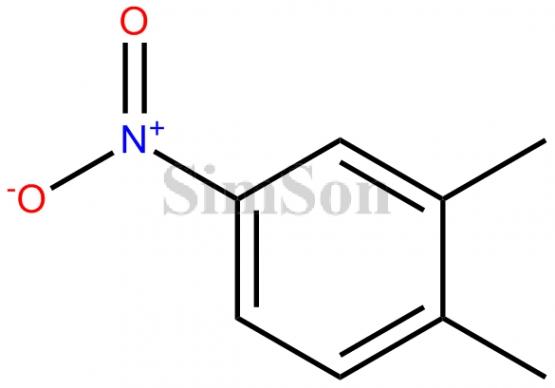
  • 4-Nitro-o-xylene Price Trend Report: Historical Patterns, Current Market Influences, and Projected Cost Trajectories Across Major End-Use Industries

    The price trend of 4-Nitro-o-xylene has become a point of interest for many people connected to the chemical and manufacturing sectors. Like many specialty chemicals, its pricing does not remain fixed and changes over time due to a mix of practical, market-driven, and experience-based factors. 4-Nitro-o-xylene price trend is mainly used as an intermediate in chemical synthesis, which means its demand is closely tied to downstream industries. When these industries grow or slow down, the impact is often reflected directly in the price movement of this compound. Understanding its price trend does not require deep technical knowledge; it can be explained through common market behavior that most people are already familiar with.

    Please Submit Your Query for 4-Nitro-o-xylene Price Trend, demand-supply, suppliers, market analysis:https://www.price-watch.ai/book-a-demo/

    Market Demand and Its Influence on Pricing

    One of the most important reasons behind changes in the 4-Nitro-o-xylene price trend is demand. When industries that rely on this compound increase production, suppliers naturally see higher orders. This often leads to price stability or even a gradual rise, especially if supply does not increase at the same pace. On the other hand, when demand weakens due to reduced industrial activity or seasonal slowdowns, prices may soften. This pattern is similar to everyday products where higher demand pushes prices up and lower demand brings them down. Over time, this balance between buyers and sellers creates a visible price trend rather than sudden, unpredictable changes.

    Role of Raw Materials and Production Costs

    Production costs play a major role in shaping the 4-Nitro-o-xylene price trend. The raw materials required to manufacture it, along with energy and labor costs, directly affect how much producers need to charge. When input costs rise due to higher energy prices or supply disruptions, manufacturers often adjust their selling prices to protect their margins. In contrast, when production becomes more efficient or raw material availability improves, prices may stabilize or decline. This is a common experience across many industries, where the cost of making a product influences its final market price.

    Supply Chain Conditions and Availability

    Supply chain conditions are another key factor that shapes price movements. Smooth transportation, steady production, and reliable logistics usually help keep prices stable. However, when supply chains face challenges such as delays, transportation issues, or limited availability of key inputs, prices can react. For 4-Nitro-o-xylene, even small disruptions can influence availability, especially because it is a specialized chemical rather than a mass-market product. Limited supply often leads to temporary price increases, while improved logistics and smoother operations can ease prices over time.

    Global Market Environment and Trade Impact

    The global market environment also has a noticeable effect on the 4-Nitro-o-xylene price trend. Changes in international trade conditions, currency fluctuations, and regional production levels all contribute to pricing behavior. When major producing regions experience higher operating costs or policy changes, global prices can adjust accordingly. Similarly, increased production in one region may help balance global supply and reduce price pressure. These international factors may feel distant, but they often influence local prices in ways that consumers and businesses can observe over time.

    Please Submit Your Query for 4-Nitro-o-xylene Price Trend, demand-supply, suppliers, market analysis:https://www.price-watch.ai/book-a-demo/

    𝐀𝐛𝐨𝐮𝐭 𝐏𝐫𝐢𝐜𝐞-𝐖𝐚𝐭𝐜𝐡 𝐀𝐈

    Price-Watch AI is an independent raw material price reporting agency that provides real-time price forecasts and data-driven insights into global raw material markets. Price-Watch AI specializes in tracking raw material prices, analyzing market trends, and delivering timely updates on plant shutdowns, supply disruptions, capacity expansions, and demand-supply dynamics. The Price-Watch AI platform empowers manufacturers, traders, and procurement professionals to make faster, smarter decisions. Leveraging AI-powered forecasting and over a decade of historical data, Price-Watch AI transforms market volatility into actionable opportunity.

    Futura Tech Park,

    C Block, 8th floor 334,

    Old Mahabalipuram Road,

    Sholinganallur, Chennai, Tamil Nadu, Pincode - 600119.


    𝐋𝐢𝐧𝐤𝐞𝐝𝐈𝐧: https://www.linkedin.com/company/price-watch-ai/

    𝐅𝐚𝐜𝐞𝐛𝐨𝐨𝐤: https://www.facebook.com/people/PriceWatch/61568490385598/

    𝐓𝐰𝐢𝐭𝐭𝐞𝐫: https://x.com/pricewatchai

    𝐖𝐞𝐛𝐬𝐢𝐭𝐞: https://www.price-watch.ai/
    4-Nitro-o-xylene Price Trend Report: Historical Patterns, Current Market Influences, and Projected Cost Trajectories Across Major End-Use Industries The price trend of 4-Nitro-o-xylene has become a point of interest for many people connected to the chemical and manufacturing sectors. Like many specialty chemicals, its pricing does not remain fixed and changes over time due to a mix of practical, market-driven, and experience-based factors. 4-Nitro-o-xylene price trend is mainly used as an intermediate in chemical synthesis, which means its demand is closely tied to downstream industries. When these industries grow or slow down, the impact is often reflected directly in the price movement of this compound. Understanding its price trend does not require deep technical knowledge; it can be explained through common market behavior that most people are already familiar with. 👉 👉 👉 Please Submit Your Query for 4-Nitro-o-xylene Price Trend, demand-supply, suppliers, market analysis:https://www.price-watch.ai/book-a-demo/ Market Demand and Its Influence on Pricing One of the most important reasons behind changes in the 4-Nitro-o-xylene price trend is demand. When industries that rely on this compound increase production, suppliers naturally see higher orders. This often leads to price stability or even a gradual rise, especially if supply does not increase at the same pace. On the other hand, when demand weakens due to reduced industrial activity or seasonal slowdowns, prices may soften. This pattern is similar to everyday products where higher demand pushes prices up and lower demand brings them down. Over time, this balance between buyers and sellers creates a visible price trend rather than sudden, unpredictable changes. Role of Raw Materials and Production Costs Production costs play a major role in shaping the 4-Nitro-o-xylene price trend. The raw materials required to manufacture it, along with energy and labor costs, directly affect how much producers need to charge. When input costs rise due to higher energy prices or supply disruptions, manufacturers often adjust their selling prices to protect their margins. In contrast, when production becomes more efficient or raw material availability improves, prices may stabilize or decline. This is a common experience across many industries, where the cost of making a product influences its final market price. Supply Chain Conditions and Availability Supply chain conditions are another key factor that shapes price movements. Smooth transportation, steady production, and reliable logistics usually help keep prices stable. However, when supply chains face challenges such as delays, transportation issues, or limited availability of key inputs, prices can react. For 4-Nitro-o-xylene, even small disruptions can influence availability, especially because it is a specialized chemical rather than a mass-market product. Limited supply often leads to temporary price increases, while improved logistics and smoother operations can ease prices over time. Global Market Environment and Trade Impact The global market environment also has a noticeable effect on the 4-Nitro-o-xylene price trend. Changes in international trade conditions, currency fluctuations, and regional production levels all contribute to pricing behavior. When major producing regions experience higher operating costs or policy changes, global prices can adjust accordingly. Similarly, increased production in one region may help balance global supply and reduce price pressure. These international factors may feel distant, but they often influence local prices in ways that consumers and businesses can observe over time. 👉 👉 👉 Please Submit Your Query for 4-Nitro-o-xylene Price Trend, demand-supply, suppliers, market analysis:https://www.price-watch.ai/book-a-demo/ 𝐀𝐛𝐨𝐮𝐭 𝐏𝐫𝐢𝐜𝐞-𝐖𝐚𝐭𝐜𝐡 𝐀𝐈 Price-Watch AI is an independent raw material price reporting agency that provides real-time price forecasts and data-driven insights into global raw material markets. Price-Watch AI specializes in tracking raw material prices, analyzing market trends, and delivering timely updates on plant shutdowns, supply disruptions, capacity expansions, and demand-supply dynamics. The Price-Watch AI platform empowers manufacturers, traders, and procurement professionals to make faster, smarter decisions. Leveraging AI-powered forecasting and over a decade of historical data, Price-Watch AI transforms market volatility into actionable opportunity. Futura Tech Park, C Block, 8th floor 334, Old Mahabalipuram Road, Sholinganallur, Chennai, Tamil Nadu, Pincode - 600119. 𝐋𝐢𝐧𝐤𝐞𝐝𝐈𝐧: https://www.linkedin.com/company/price-watch-ai/ 𝐅𝐚𝐜𝐞𝐛𝐨𝐨𝐤: https://www.facebook.com/people/PriceWatch/61568490385598/ 𝐓𝐰𝐢𝐭𝐭𝐞𝐫: https://x.com/pricewatchai 𝐖𝐞𝐛𝐬𝐢𝐭𝐞: https://www.price-watch.ai/
    0 Kommentare 0 Anteile 283 Ansichten 0 Vorschau
Gesponsert
Gesponsert