• Monoethanolamine (MEA) Price Trend & Market Dynamics: Impact of Raw Material Costs, Industrial Demand Shifts, and Global Supply Chain Influences

    Monoethanolamine Price Trend commonly known as MEA, is a chemical used in many everyday industries, from gas treatment and detergents to pharmaceuticals and agriculture. Because it plays such a practical role, its price trend is closely watched by manufacturers, buyers, and traders. Over time, the monoethanolamine price trend has shown noticeable ups and downs, mainly influenced by raw material costs, energy prices, supply conditions, and overall market demand.
    In simple terms, monoethanolamine prices move much like other industrial chemicals. When production becomes expensive or supply tightens, prices rise. When raw materials are easily available and demand slows, prices soften. Understanding this trend does not require deep technical knowledge; it mostly reflects common market behavior.

    Please Submit Your Query for Monoethanolamine Price Trend, demand-supply, suppliers, market analysis:https://www.price-watch.ai/book-a-demo/

    Factors Influencing Monoethanolamine Price Trend

    One of the biggest drivers of the monoethanolamine price trend is the cost of raw materials. Monoethanolamine is produced using ethylene oxide and ammonia, both of which are sensitive to changes in crude oil and natural gas prices. When energy costs increase, production expenses go up, and manufacturers often pass these costs on to buyers.
    Another important factor is demand from key industries. Gas processing, especially for removing acidic gases, uses a large amount of monoethanolamine. When oil and gas activity rises, demand for MEA increases, pushing prices upward. Similarly, the personal care and cleaning product industries also impact pricing, especially during periods of high consumer demand.
    Supply chain conditions also play a role. Any disruption such as plant shutdowns, maintenance work, transportation delays, or trade restrictions can affect availability. Even short-term supply issues can cause price fluctuations, especially in regions that rely heavily on imports.

    Regional Impact on Monoethanolamine Pricing

    The monoethanolamine price trend can differ across regions due to local production capacity and demand patterns. In regions with strong chemical manufacturing bases, prices tend to be more stable as supply is readily available. On the other hand, areas dependent on imports may see sharper price changes due to shipping costs and currency fluctuations.
    Economic conditions in different regions also influence pricing. For example, industrial growth in developing economies often leads to higher consumption of monoethanolamine, which can tighten supply and raise prices. In contrast, slower industrial activity in mature markets may keep prices under pressure.
    Government policies, environmental regulations, and energy pricing policies also affect regional price trends. Stricter environmental rules can increase production costs, while subsidies or relaxed regulations may help keep prices steady.

    Conclusion

    The monoethanolamine price trend reflects simple economic principles of supply, demand, and production cost. Influenced by raw materials, energy prices, industrial demand, and regional factors, MEA prices naturally rise and fall over time. While short-term fluctuations are common, the long-term trend remains relatively stable, supported by consistent demand across multiple industries. Understanding these everyday factors makes it easier to follow and anticipate changes in the monoethanolamine market without relying on complex analysis.

    Please Submit Your Query for Monoethanolamine Price Trend, demand-supply, suppliers, market analysis:https://www.price-watch.ai/book-a-demo/

    About Price Watchโ„ข AI

    Price-Watch AI is an India-based, independent raw material price reporting agency that provides real-time price forecasts and data-driven insights into global raw material markets. Price-Watch AI specializes in tracking raw material prices, analyzing market trends, and delivering timely updates on plant shutdowns, supply disruptions, capacity expansions, and demand-supply dynamics. The Price-Watch AI platform empowers manufacturers, traders, and procurement professionals to make faster, smarter decisions. Leveraging AI-powered forecasting and over a decade of historical data, Price-Watch AI transforms market volatility into actionable opportunity.

    Futura Tech Park,
    C Block, 8th floor 334,
    Old Mahabalipuram Road,
    Sholinganallur, Chennai,
    Tamil Nadu, Pincode - 600119.

    LinkedIn: https://www.linkedin.com/company/price-watch-ai/
    Facebook: https://www.facebook.com/people/Price-Watch/61568490385598/
    Twitter: https://x.com/pricewatchai
    Website: https://www.price-watch.ai/
    Monoethanolamine (MEA) Price Trend & Market Dynamics: Impact of Raw Material Costs, Industrial Demand Shifts, and Global Supply Chain Influences Monoethanolamine Price Trend commonly known as MEA, is a chemical used in many everyday industries, from gas treatment and detergents to pharmaceuticals and agriculture. Because it plays such a practical role, its price trend is closely watched by manufacturers, buyers, and traders. Over time, the monoethanolamine price trend has shown noticeable ups and downs, mainly influenced by raw material costs, energy prices, supply conditions, and overall market demand. In simple terms, monoethanolamine prices move much like other industrial chemicals. When production becomes expensive or supply tightens, prices rise. When raw materials are easily available and demand slows, prices soften. Understanding this trend does not require deep technical knowledge; it mostly reflects common market behavior. ๐Ÿ‘‰ ๐Ÿ‘‰ ๐Ÿ‘‰ Please Submit Your Query for Monoethanolamine Price Trend, demand-supply, suppliers, market analysis:https://www.price-watch.ai/book-a-demo/ Factors Influencing Monoethanolamine Price Trend One of the biggest drivers of the monoethanolamine price trend is the cost of raw materials. Monoethanolamine is produced using ethylene oxide and ammonia, both of which are sensitive to changes in crude oil and natural gas prices. When energy costs increase, production expenses go up, and manufacturers often pass these costs on to buyers. Another important factor is demand from key industries. Gas processing, especially for removing acidic gases, uses a large amount of monoethanolamine. When oil and gas activity rises, demand for MEA increases, pushing prices upward. Similarly, the personal care and cleaning product industries also impact pricing, especially during periods of high consumer demand. Supply chain conditions also play a role. Any disruption such as plant shutdowns, maintenance work, transportation delays, or trade restrictions can affect availability. Even short-term supply issues can cause price fluctuations, especially in regions that rely heavily on imports. Regional Impact on Monoethanolamine Pricing The monoethanolamine price trend can differ across regions due to local production capacity and demand patterns. In regions with strong chemical manufacturing bases, prices tend to be more stable as supply is readily available. On the other hand, areas dependent on imports may see sharper price changes due to shipping costs and currency fluctuations. Economic conditions in different regions also influence pricing. For example, industrial growth in developing economies often leads to higher consumption of monoethanolamine, which can tighten supply and raise prices. In contrast, slower industrial activity in mature markets may keep prices under pressure. Government policies, environmental regulations, and energy pricing policies also affect regional price trends. Stricter environmental rules can increase production costs, while subsidies or relaxed regulations may help keep prices steady. Conclusion The monoethanolamine price trend reflects simple economic principles of supply, demand, and production cost. Influenced by raw materials, energy prices, industrial demand, and regional factors, MEA prices naturally rise and fall over time. While short-term fluctuations are common, the long-term trend remains relatively stable, supported by consistent demand across multiple industries. Understanding these everyday factors makes it easier to follow and anticipate changes in the monoethanolamine market without relying on complex analysis. ๐Ÿ‘‰ ๐Ÿ‘‰ ๐Ÿ‘‰ Please Submit Your Query for Monoethanolamine Price Trend, demand-supply, suppliers, market analysis:https://www.price-watch.ai/book-a-demo/ About Price Watch™ AI Price-Watch AI is an India-based, independent raw material price reporting agency that provides real-time price forecasts and data-driven insights into global raw material markets. Price-Watch AI specializes in tracking raw material prices, analyzing market trends, and delivering timely updates on plant shutdowns, supply disruptions, capacity expansions, and demand-supply dynamics. The Price-Watch AI platform empowers manufacturers, traders, and procurement professionals to make faster, smarter decisions. Leveraging AI-powered forecasting and over a decade of historical data, Price-Watch AI transforms market volatility into actionable opportunity. Futura Tech Park, C Block, 8th floor 334, Old Mahabalipuram Road, Sholinganallur, Chennai, Tamil Nadu, Pincode - 600119. LinkedIn: https://www.linkedin.com/company/price-watch-ai/ Facebook: https://www.facebook.com/people/Price-Watch/61568490385598/ Twitter: https://x.com/pricewatchai Website: https://www.price-watch.ai/
    0 Commenti 0 condivisioni 379 Views 0 Anteprima
  • Comprehensive Analysis of Ortho Nitro Toluene (ONT) Price Trend: Historical Movements, Market Dynamics, Demand–Supply Balance, Raw Material Impact, Regional Price Variations, and Future Market Outlook Across Global and Indian Chemical Industries

    Ortho Nitro Toluene is an important chemical intermediate widely used in industries such as dyes, pigments, pharmaceuticals, agrochemicals, and specialty chemicals. Because it plays a supporting role in many downstream products, its price trend often reflects broader movements in the chemical and manufacturing sectors. Tracking the Ortho Nitro Toluene price trend helps businesses plan procurement, manage costs, and understand market behavior in a practical and realistic way. Rather than being driven by speculation alone, the price movement of this chemical usually responds to everyday factors such as raw material costs, energy prices, demand cycles, and supply conditions.

    Please Submit Your Query for Ortho Nitro Toluene Price Trend, demand-supply, suppliers, market analysis:https://www.price-watch.ai/book-a-demo/

    Key Factors Influencing Ortho Nitro Toluene Price Trend

    The price trend of Ortho Nitro Toluene is closely connected to the cost of its raw materials, especially toluene and nitric acid. When crude oil prices rise, toluene often becomes more expensive, which directly increases production costs. Energy costs also play a big role, as chemical manufacturing relies heavily on electricity, steam, and fuel. If energy prices increase, producers tend to adjust Ortho Nitro Toluene prices to maintain margins.
    Another important factor is plant operating rates. When manufacturing units run smoothly and at high capacity, supply remains stable and prices stay relatively balanced. However, unplanned shutdowns, maintenance schedules, or regulatory restrictions can tighten supply. In such cases, even moderate demand can push prices upward. On the demand side, seasonal buying from dye and pharmaceutical industries can create noticeable price shifts over short periods.

    Demand Patterns and Their Impact on Pricing

    Demand for Ortho Nitro Toluene usually follows the performance of its end-use industries. For example, when textile and dye manufacturing sees growth, demand for chemical intermediates rises, supporting higher prices. Similarly, growth in pharmaceutical production can lead to steady consumption, keeping prices firm even when supply is comfortable.
    On the other hand, when downstream industries slow down due to weak economic conditions or lower consumer demand, buyers tend to delay purchases. This creates excess inventory at the producer level, which can soften prices. These demand-driven changes are often gradual, making the Ortho Nitro Toluene price trend more stable compared to highly volatile commodities.

    Regional Market Behavior and Price Differences

    The Ortho Nitro Toluene price trend can vary from one region to another. In regions with strong domestic chemical manufacturing and easy access to raw materials, prices tend to be more competitive. Local production reduces dependence on imports, helping stabilize supply and pricing.
    In contrast, regions that rely on imports may experience sharper price fluctuations due to freight costs, currency exchange rates, and global supply conditions. Any disruption in international trade routes or changes in import duties can quickly reflect in local prices. As a result, buyers often monitor both global and regional trends to make informed purchasing decisions.

    Please Submit Your Query for Ortho Nitro Toluene Price Trend, demand-supply, suppliers, market analysis:https://www.price-watch.ai/book-a-demo/

    About Price Watchโ„ข AI

    Price-Watch AI is an India-based, independent raw material price reporting agency that provides real-time price forecasts and data-driven insights into global raw material markets. Price-Watch AI specializes in tracking raw material prices, analyzing market trends, and delivering timely updates on plant shutdowns, supply disruptions, capacity expansions, and demand-supply dynamics. The Price-Watch AI platform empowers manufacturers, traders, and procurement professionals to make faster, smarter decisions. Leveraging AI-powered forecasting and over a decade of historical data, Price-Watch AI transforms market volatility into actionable opportunity.

    Futura Tech Park,
    C Block, 8th floor 334,
    Old Mahabalipuram Road,
    Sholinganallur, Chennai,
    Tamil Nadu, Pincode - 600119.

    LinkedIn: https://www.linkedin.com/company/price-watch-ai/
    Facebook: https://www.facebook.com/people/Price-Watch/61568490385598/
    Twitter: https://x.com/pricewatchai
    Website: https://www.price-watch.ai/
    Comprehensive Analysis of Ortho Nitro Toluene (ONT) Price Trend: Historical Movements, Market Dynamics, Demand–Supply Balance, Raw Material Impact, Regional Price Variations, and Future Market Outlook Across Global and Indian Chemical Industries Ortho Nitro Toluene is an important chemical intermediate widely used in industries such as dyes, pigments, pharmaceuticals, agrochemicals, and specialty chemicals. Because it plays a supporting role in many downstream products, its price trend often reflects broader movements in the chemical and manufacturing sectors. Tracking the Ortho Nitro Toluene price trend helps businesses plan procurement, manage costs, and understand market behavior in a practical and realistic way. Rather than being driven by speculation alone, the price movement of this chemical usually responds to everyday factors such as raw material costs, energy prices, demand cycles, and supply conditions. ๐Ÿ‘‰ ๐Ÿ‘‰ ๐Ÿ‘‰ Please Submit Your Query for Ortho Nitro Toluene Price Trend, demand-supply, suppliers, market analysis:https://www.price-watch.ai/book-a-demo/ Key Factors Influencing Ortho Nitro Toluene Price Trend The price trend of Ortho Nitro Toluene is closely connected to the cost of its raw materials, especially toluene and nitric acid. When crude oil prices rise, toluene often becomes more expensive, which directly increases production costs. Energy costs also play a big role, as chemical manufacturing relies heavily on electricity, steam, and fuel. If energy prices increase, producers tend to adjust Ortho Nitro Toluene prices to maintain margins. Another important factor is plant operating rates. When manufacturing units run smoothly and at high capacity, supply remains stable and prices stay relatively balanced. However, unplanned shutdowns, maintenance schedules, or regulatory restrictions can tighten supply. In such cases, even moderate demand can push prices upward. On the demand side, seasonal buying from dye and pharmaceutical industries can create noticeable price shifts over short periods. Demand Patterns and Their Impact on Pricing Demand for Ortho Nitro Toluene usually follows the performance of its end-use industries. For example, when textile and dye manufacturing sees growth, demand for chemical intermediates rises, supporting higher prices. Similarly, growth in pharmaceutical production can lead to steady consumption, keeping prices firm even when supply is comfortable. On the other hand, when downstream industries slow down due to weak economic conditions or lower consumer demand, buyers tend to delay purchases. This creates excess inventory at the producer level, which can soften prices. These demand-driven changes are often gradual, making the Ortho Nitro Toluene price trend more stable compared to highly volatile commodities. Regional Market Behavior and Price Differences The Ortho Nitro Toluene price trend can vary from one region to another. In regions with strong domestic chemical manufacturing and easy access to raw materials, prices tend to be more competitive. Local production reduces dependence on imports, helping stabilize supply and pricing. In contrast, regions that rely on imports may experience sharper price fluctuations due to freight costs, currency exchange rates, and global supply conditions. Any disruption in international trade routes or changes in import duties can quickly reflect in local prices. As a result, buyers often monitor both global and regional trends to make informed purchasing decisions. ๐Ÿ‘‰ ๐Ÿ‘‰ ๐Ÿ‘‰ Please Submit Your Query for Ortho Nitro Toluene Price Trend, demand-supply, suppliers, market analysis:https://www.price-watch.ai/book-a-demo/ About Price Watch™ AI Price-Watch AI is an India-based, independent raw material price reporting agency that provides real-time price forecasts and data-driven insights into global raw material markets. Price-Watch AI specializes in tracking raw material prices, analyzing market trends, and delivering timely updates on plant shutdowns, supply disruptions, capacity expansions, and demand-supply dynamics. The Price-Watch AI platform empowers manufacturers, traders, and procurement professionals to make faster, smarter decisions. Leveraging AI-powered forecasting and over a decade of historical data, Price-Watch AI transforms market volatility into actionable opportunity. Futura Tech Park, C Block, 8th floor 334, Old Mahabalipuram Road, Sholinganallur, Chennai, Tamil Nadu, Pincode - 600119. LinkedIn: https://www.linkedin.com/company/price-watch-ai/ Facebook: https://www.facebook.com/people/Price-Watch/61568490385598/ Twitter: https://x.com/pricewatchai Website: https://www.price-watch.ai/
    0 Commenti 0 condivisioni 333 Views 0 Anteprima
  • Paraffin Wax Price Trend Study: Insights into Supply-Demand Dynamics, Regional Variations, and Industrial Impact Across Key Markets

    Paraffin wax is a widely used product that most people recognize from everyday life. It is found in candles, packaging, cosmetics, food coatings, rubber, and even some medical applications. Because it is so commonly used across many industries, changes in the paraffin wax price trend often reflect broader market movements. Over time, prices have shown gradual shifts rather than sudden surprises, mainly because paraffin wax is closely linked to petroleum refining and industrial demand. Understanding these trends helps businesses plan better and gives buyers a clearer idea of what to expect.

    Please Submit Your Query for Paraffin Wax Price Trend, demand-supply, suppliers, market analysis:https://www.price-watch.ai/book-a-demo/

    Factors Influencing Paraffin Wax Prices

    The paraffin wax price trend is strongly influenced by raw material availability. Since paraffin wax is derived from crude oil during the refining process, any change in crude oil prices directly affects wax costs. When oil prices rise, production becomes more expensive, and this increase is often passed on to buyers. On the other hand, when oil prices stabilize or fall, paraffin wax prices usually soften as well.
    Supply and demand also play a major role. During festive seasons, candle demand increases, especially in regions where candles are used for celebrations or power backup. This seasonal rise in demand can push prices slightly higher. Similarly, growth in packaging, cosmetics, and food industries increases the need for paraffin wax, influencing its overall price movement.

    Global Market Impact on Price Movement

    The paraffin wax market is global in nature, and international trade has a noticeable impact on price trends. Many countries import or export paraffin wax depending on their refining capacity. Changes in shipping costs, port congestion, or trade regulations can affect prices in different regions. When global logistics face disruptions, supply tightens, leading to upward price pressure.
    Currency exchange rates also affect the paraffin wax price trend. Since international trade is often conducted in major currencies, fluctuations can make imports more expensive for some countries. This results in price variations even when global supply remains stable.

    Industrial Demand and Its Role in Pricing

    Industrial usage has steadily increased over the years. Paraffin wax is used in rubber processing, board manufacturing, and surface coatings. As industries expand, especially in developing economies, demand grows consistently. This steady industrial requirement keeps prices supported even during periods of weaker consumer demand.
    The quality and grade of paraffin wax also influence pricing. Fully refined wax, which is cleaner and more stable, usually costs more than semi-refined grades. Buyers looking for higher purity products in cosmetics or pharmaceuticals often pay a premium, adding another layer to the overall price trend.

    Please Submit Your Query for Paraffin Wax Price Trend, demand-supply, suppliers, market analysis:https://www.price-watch.ai/book-a-demo/

    About Price Watchโ„ข AI

    Price-Watch AI is an India-based, independent raw material price reporting agency that provides real-time price forecasts and data-driven insights into global raw material markets. Price-Watch AI specializes in tracking raw material prices, analyzing market trends, and delivering timely updates on plant shutdowns, supply disruptions, capacity expansions, and demand-supply dynamics. The Price-Watch AI platform empowers manufacturers, traders, and procurement professionals to make faster, smarter decisions. Leveraging AI-powered forecasting and over a decade of historical data, Price-Watch AI transforms market volatility into actionable opportunity.

    Futura Tech Park,
    C Block, 8th floor 334,
    Old Mahabalipuram Road,
    Sholinganallur, Chennai,
    Tamil Nadu, Pincode - 600119.

    LinkedIn: https://www.linkedin.com/company/price-watch-ai/
    Facebook: https://www.facebook.com/people/Price-Watch/61568490385598/
    Twitter: https://x.com/pricewatchai
    Website: https://www.price-watch.ai/
    Paraffin Wax Price Trend Study: Insights into Supply-Demand Dynamics, Regional Variations, and Industrial Impact Across Key Markets Paraffin wax is a widely used product that most people recognize from everyday life. It is found in candles, packaging, cosmetics, food coatings, rubber, and even some medical applications. Because it is so commonly used across many industries, changes in the paraffin wax price trend often reflect broader market movements. Over time, prices have shown gradual shifts rather than sudden surprises, mainly because paraffin wax is closely linked to petroleum refining and industrial demand. Understanding these trends helps businesses plan better and gives buyers a clearer idea of what to expect. ๐Ÿ‘‰ ๐Ÿ‘‰ ๐Ÿ‘‰ Please Submit Your Query for Paraffin Wax Price Trend, demand-supply, suppliers, market analysis:https://www.price-watch.ai/book-a-demo/ Factors Influencing Paraffin Wax Prices The paraffin wax price trend is strongly influenced by raw material availability. Since paraffin wax is derived from crude oil during the refining process, any change in crude oil prices directly affects wax costs. When oil prices rise, production becomes more expensive, and this increase is often passed on to buyers. On the other hand, when oil prices stabilize or fall, paraffin wax prices usually soften as well. Supply and demand also play a major role. During festive seasons, candle demand increases, especially in regions where candles are used for celebrations or power backup. This seasonal rise in demand can push prices slightly higher. Similarly, growth in packaging, cosmetics, and food industries increases the need for paraffin wax, influencing its overall price movement. Global Market Impact on Price Movement The paraffin wax market is global in nature, and international trade has a noticeable impact on price trends. Many countries import or export paraffin wax depending on their refining capacity. Changes in shipping costs, port congestion, or trade regulations can affect prices in different regions. When global logistics face disruptions, supply tightens, leading to upward price pressure. Currency exchange rates also affect the paraffin wax price trend. Since international trade is often conducted in major currencies, fluctuations can make imports more expensive for some countries. This results in price variations even when global supply remains stable. Industrial Demand and Its Role in Pricing Industrial usage has steadily increased over the years. Paraffin wax is used in rubber processing, board manufacturing, and surface coatings. As industries expand, especially in developing economies, demand grows consistently. This steady industrial requirement keeps prices supported even during periods of weaker consumer demand. The quality and grade of paraffin wax also influence pricing. Fully refined wax, which is cleaner and more stable, usually costs more than semi-refined grades. Buyers looking for higher purity products in cosmetics or pharmaceuticals often pay a premium, adding another layer to the overall price trend. ๐Ÿ‘‰ ๐Ÿ‘‰ ๐Ÿ‘‰ Please Submit Your Query for Paraffin Wax Price Trend, demand-supply, suppliers, market analysis:https://www.price-watch.ai/book-a-demo/ About Price Watch™ AI Price-Watch AI is an India-based, independent raw material price reporting agency that provides real-time price forecasts and data-driven insights into global raw material markets. Price-Watch AI specializes in tracking raw material prices, analyzing market trends, and delivering timely updates on plant shutdowns, supply disruptions, capacity expansions, and demand-supply dynamics. The Price-Watch AI platform empowers manufacturers, traders, and procurement professionals to make faster, smarter decisions. Leveraging AI-powered forecasting and over a decade of historical data, Price-Watch AI transforms market volatility into actionable opportunity. Futura Tech Park, C Block, 8th floor 334, Old Mahabalipuram Road, Sholinganallur, Chennai, Tamil Nadu, Pincode - 600119. LinkedIn: https://www.linkedin.com/company/price-watch-ai/ Facebook: https://www.facebook.com/people/Price-Watch/61568490385598/ Twitter: https://x.com/pricewatchai Website: https://www.price-watch.ai/
    0 Commenti 0 condivisioni 213 Views 0 Anteprima
  • Benzoic Acid Price Trend: Market Movement, Demand Patterns, and Cost Influences

    The Benzoic Acid Price Trend has always been closely linked with everyday industrial activity and consumer demand. Benzoic acid is widely used in food preservation, pharmaceuticals, personal care products, and chemical manufacturing.

    Read More- https://www.price-watch.ai/benzoic-acid-prices/
    Benzoic Acid Price Trend: Market Movement, Demand Patterns, and Cost Influences The Benzoic Acid Price Trend has always been closely linked with everyday industrial activity and consumer demand. Benzoic acid is widely used in food preservation, pharmaceuticals, personal care products, and chemical manufacturing. Read More- https://www.price-watch.ai/benzoic-acid-prices/
    0 Commenti 0 condivisioni 145 Views 0 Anteprima
  • H Acid Price Trend and Market Intelligence: Raw Material Costs, Industry Demand, Trade Analysis, and Price Forecast


    H Acid is a well-known chemical intermediate that plays an important role in the dyes and pigments industry. It is mainly used in the production of reactive dyes, acid dyes, and some specialty pigments. Because these dyes are widely used in textiles, leather, paper, and inks, the demand for H Acid is closely linked to everyday industries that touch daily life. Over time, the H Acid price trend has shown noticeable ups and downs, influenced by a mix of raw material availability, production costs, regulations, and overall market demand.

    Please Submit Your Query for H Acid Price Trend, demand-supply, suppliers, market analysis:https://www.price-watch.ai/book-a-demo/

    Understanding the H Acid Price Trend

    The price trend of H Acid does not move in a straight line. Instead, it reflects changing market conditions throughout the year. In some periods, prices remain stable due to balanced supply and demand. In other periods, prices rise or fall sharply because of sudden changes in costs or consumption patterns. These movements are common in chemical markets, where even small shifts in raw materials or energy prices can have a visible impact on final product pricing.

    Raw Material and Production Cost Influence

    One of the strongest factors affecting the H Acid price trend is the cost of raw materials. H Acid is produced through chemical processes that rely on specific intermediates, acids, and energy-intensive steps. When raw material prices increase, manufacturers often face higher production costs. This usually leads to an upward pressure on H Acid prices. On the other hand, when raw materials become easily available at lower prices, producers may reduce their selling prices to stay competitive.
    Energy costs also play an important role. Chemical manufacturing depends heavily on electricity, steam, and fuel. Any rise in energy prices directly affects overall production expenses, which then reflects in the market price of H Acid.

    Demand from the Textile and Dye Industry

    Demand patterns strongly shape the H Acid price trend. The textile industry is one of the largest consumers of dyes made from H Acid. During periods of strong textile production, such as before festive seasons or export-driven growth phases, demand for dyes increases. This leads to higher consumption of H Acid and often results in price increases.
    In contrast, when textile production slows due to weak consumer demand, economic uncertainty, or reduced exports, the demand for H Acid also declines. During such times, suppliers may lower prices to clear inventories and attract buyers.

    Impact of Environmental Regulations

    Environmental regulations have become increasingly important in shaping chemical price trends, including H Acid. The production of dye intermediates involves strict waste treatment and emission control requirements. When environmental rules become tighter, manufacturers may need to invest more in pollution control equipment and cleaner technologies. These additional costs often push H Acid prices upward.
    In some cases, regulatory actions can also lead to temporary shutdowns of production units. Such disruptions reduce supply in the market, creating short-term price spikes until production normalizes again.

    Please Submit Your Query for H Acid Price Trend, demand-supply, suppliers, market analysis:https://www.price-watch.ai/book-a-demo/

    ๐€๐›๐จ๐ฎ๐ญ ๐๐ซ๐ข๐œ๐ž-๐–๐š๐ญ๐œ๐ก ๐€๐ˆ

    Price-Watch AI is an independent raw material price reporting agency that provides real-time price forecasts and data-driven insights into global raw material markets. Price-Watch AI specializes in tracking raw material prices, analyzing market trends, and delivering timely updates on plant shutdowns, supply disruptions, capacity expansions, and demand-supply dynamics. The Price-Watch AI platform empowers manufacturers, traders, and procurement professionals to make faster, smarter decisions. Leveraging AI-powered forecasting and over a decade of historical data, Price-Watch AI transforms market volatility into actionable opportunity.

    Futura Tech Park,


    C Block, 8th floor 334,


    Old Mahabalipuram Road,


    Sholinganallur, Chennai, Tamil Nadu, Pincode - 600119.

    ๐‹๐ข๐ง๐ค๐ž๐๐ˆ๐ง: https://www.linkedin.com/company/price-watch-ai/


    ๐…๐š๐œ๐ž๐›๐จ๐จ๐ค: https://www.facebook.com/people/PriceWatch/61568490385598/


    ๐“๐ฐ๐ข๐ญ๐ญ๐ž๐ซ: https://x.com/pricewatchai


    ๐–๐ž๐›๐ฌ๐ข๐ญ๐ž: https://www.price-watch.ai/
    H Acid Price Trend and Market Intelligence: Raw Material Costs, Industry Demand, Trade Analysis, and Price Forecast H Acid is a well-known chemical intermediate that plays an important role in the dyes and pigments industry. It is mainly used in the production of reactive dyes, acid dyes, and some specialty pigments. Because these dyes are widely used in textiles, leather, paper, and inks, the demand for H Acid is closely linked to everyday industries that touch daily life. Over time, the H Acid price trend has shown noticeable ups and downs, influenced by a mix of raw material availability, production costs, regulations, and overall market demand. ๐Ÿ‘‰ ๐Ÿ‘‰ ๐Ÿ‘‰ Please Submit Your Query for H Acid Price Trend, demand-supply, suppliers, market analysis:https://www.price-watch.ai/book-a-demo/ Understanding the H Acid Price Trend The price trend of H Acid does not move in a straight line. Instead, it reflects changing market conditions throughout the year. In some periods, prices remain stable due to balanced supply and demand. In other periods, prices rise or fall sharply because of sudden changes in costs or consumption patterns. These movements are common in chemical markets, where even small shifts in raw materials or energy prices can have a visible impact on final product pricing. Raw Material and Production Cost Influence One of the strongest factors affecting the H Acid price trend is the cost of raw materials. H Acid is produced through chemical processes that rely on specific intermediates, acids, and energy-intensive steps. When raw material prices increase, manufacturers often face higher production costs. This usually leads to an upward pressure on H Acid prices. On the other hand, when raw materials become easily available at lower prices, producers may reduce their selling prices to stay competitive. Energy costs also play an important role. Chemical manufacturing depends heavily on electricity, steam, and fuel. Any rise in energy prices directly affects overall production expenses, which then reflects in the market price of H Acid. Demand from the Textile and Dye Industry Demand patterns strongly shape the H Acid price trend. The textile industry is one of the largest consumers of dyes made from H Acid. During periods of strong textile production, such as before festive seasons or export-driven growth phases, demand for dyes increases. This leads to higher consumption of H Acid and often results in price increases. In contrast, when textile production slows due to weak consumer demand, economic uncertainty, or reduced exports, the demand for H Acid also declines. During such times, suppliers may lower prices to clear inventories and attract buyers. Impact of Environmental Regulations Environmental regulations have become increasingly important in shaping chemical price trends, including H Acid. The production of dye intermediates involves strict waste treatment and emission control requirements. When environmental rules become tighter, manufacturers may need to invest more in pollution control equipment and cleaner technologies. These additional costs often push H Acid prices upward. In some cases, regulatory actions can also lead to temporary shutdowns of production units. Such disruptions reduce supply in the market, creating short-term price spikes until production normalizes again. ๐Ÿ‘‰ ๐Ÿ‘‰ ๐Ÿ‘‰ Please Submit Your Query for H Acid Price Trend, demand-supply, suppliers, market analysis:https://www.price-watch.ai/book-a-demo/ ๐€๐›๐จ๐ฎ๐ญ ๐๐ซ๐ข๐œ๐ž-๐–๐š๐ญ๐œ๐ก ๐€๐ˆ Price-Watch AI is an independent raw material price reporting agency that provides real-time price forecasts and data-driven insights into global raw material markets. Price-Watch AI specializes in tracking raw material prices, analyzing market trends, and delivering timely updates on plant shutdowns, supply disruptions, capacity expansions, and demand-supply dynamics. The Price-Watch AI platform empowers manufacturers, traders, and procurement professionals to make faster, smarter decisions. Leveraging AI-powered forecasting and over a decade of historical data, Price-Watch AI transforms market volatility into actionable opportunity. Futura Tech Park, C Block, 8th floor 334, Old Mahabalipuram Road, Sholinganallur, Chennai, Tamil Nadu, Pincode - 600119. ๐‹๐ข๐ง๐ค๐ž๐๐ˆ๐ง: https://www.linkedin.com/company/price-watch-ai/ ๐…๐š๐œ๐ž๐›๐จ๐จ๐ค: https://www.facebook.com/people/PriceWatch/61568490385598/ ๐“๐ฐ๐ข๐ญ๐ญ๐ž๐ซ: https://x.com/pricewatchai ๐–๐ž๐›๐ฌ๐ข๐ญ๐ž: https://www.price-watch.ai/
    0 Commenti 0 condivisioni 301 Views 0 Anteprima
  • Carnitine Supplements Market Size, Trends, and Growth Forecast to 2033

    The Carnitine Supplements industry is rapidly expanding, driven by increasing consumer demand for performance enhancement and wellness benefits.

    Market Size and Overview

    The Global Carnitine Supplements Market size is estimated to be valued at USD 237.8 million in 2026 and is expected to reach USD 341.6 million by 2033, exhibiting a compound annual growth rate (CAGR) of 5.3% from 2026 to 2033.

    Carnitine Supplements Market: https://www.coherentmarketinsights.com/industry-reports/carnitine-supplements-market
    Carnitine Supplements Market Size, Trends, and Growth Forecast to 2033 The Carnitine Supplements industry is rapidly expanding, driven by increasing consumer demand for performance enhancement and wellness benefits. Market Size and Overview The Global Carnitine Supplements Market size is estimated to be valued at USD 237.8 million in 2026 and is expected to reach USD 341.6 million by 2033, exhibiting a compound annual growth rate (CAGR) of 5.3% from 2026 to 2033. Carnitine Supplements Market: https://www.coherentmarketinsights.com/industry-reports/carnitine-supplements-market
    0 Commenti 0 condivisioni 298 Views 0 Anteprima
  • The Fatty Alcohol Price Trend during the second quarter of 2025 reflected a period of moderate recovery after a softer start to the year. Fatty alcohols, especially C12–14 grades, are widely used in everyday products such as shampoos, soaps, detergents, and household cleaners. Because these products are part of daily life, changes in fatty alcohol prices are often linked to both industrial activity and consumer demand.

    To know more about Fatty Alcohol: https://www.price-watch.ai/fatty-alcohol-prices/
    The Fatty Alcohol Price Trend during the second quarter of 2025 reflected a period of moderate recovery after a softer start to the year. Fatty alcohols, especially C12–14 grades, are widely used in everyday products such as shampoos, soaps, detergents, and household cleaners. Because these products are part of daily life, changes in fatty alcohol prices are often linked to both industrial activity and consumer demand. To know more about Fatty Alcohol: https://www.price-watch.ai/fatty-alcohol-prices/
    0 Commenti 0 condivisioni 163 Views 0 Anteprima
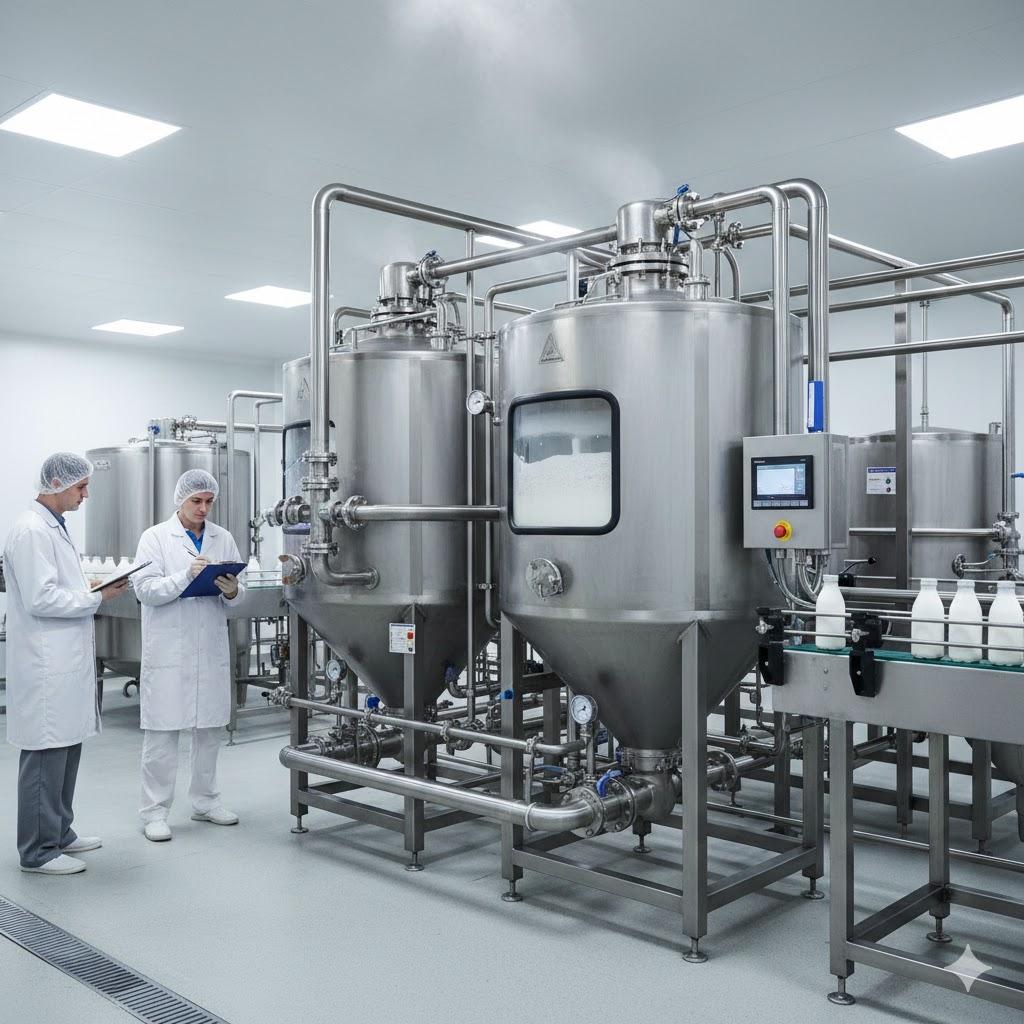
  • Global Dairy Pasteurizer Market Poised for Strong Growth as Food Safety, Automation and Sustainability Drive Demand

    New York, US, [16-12-2025] - A newly released market analysis reveals that the global dairy pasteurizer market is entering a phase of robust growth, driven by increasing consumer demand for safe, high-quality dairy products, stricter food safety regulations, and rapid adoption of automation and energy-efficient technologies across dairy processing operations.

    The report highlights several converging trends that are reshaping the pasteurizer landscape. Rising per-capita consumption of milk and value-added dairy products in emerging economies, combined with heightened food safety awareness in developed markets, is compelling dairy producers to invest in modern pasteurization equipment. At the same time, dairy processors are prioritizing equipment that reduces operational costs, minimizes downtime, and supports sustainability goals — positioning advanced pasteurizers as central investments in production modernization.

    Key market drivers identified in the analysis include:
    • Regulatory pressure and quality assurance: Strengthening food safety regulations and traceability requirements are forcing both large and small dairy processors to replace outdated equipment and adopt validated pasteurization systems. This trend is particularly strong in regions tightening standards for pasteurized milk, cheese and other dairy products.

    • Automation and digitization: The integration of PLCs, SCADA systems and IoT sensors into pasteurization lines is enabling real-time monitoring, predictive maintenance and improved yield management. Digitally capable pasteurizers reduce human error, increase throughput and deliver data that can be leveraged for continuous improvement.

    • Energy efficiency and sustainability: With energy costs rising and corporate sustainability commitments under scrutiny, manufacturers are prioritizing pasteurizers designed for lower thermal losses, heat recovery, and reduced water usage. These features help lower total cost of ownership and support net-zero and circular-economy goals.

    • Product diversification and premiumization: Demand for specialty dairy products — from UHT and extended-shelf-life milks to probiotic yogurts and artisanal cheeses — is encouraging processors to adopt flexible pasteurization solutions that can handle varied heat profiles and processing volumes.

    • Consolidation and modernization in emerging markets: As dairy value chains expand in Asia, Africa and Latin America, mid-sized processors are investing in scalable pasteurization systems to enter regional markets and meet export requirements.

    Read More:- https://www.theinsightpartners.com/reports/dairy-pasteurizer-market

    Global Dairy Pasteurizer Market Poised for Strong Growth as Food Safety, Automation and Sustainability Drive Demand New York, US, [16-12-2025] - A newly released market analysis reveals that the global dairy pasteurizer market is entering a phase of robust growth, driven by increasing consumer demand for safe, high-quality dairy products, stricter food safety regulations, and rapid adoption of automation and energy-efficient technologies across dairy processing operations. The report highlights several converging trends that are reshaping the pasteurizer landscape. Rising per-capita consumption of milk and value-added dairy products in emerging economies, combined with heightened food safety awareness in developed markets, is compelling dairy producers to invest in modern pasteurization equipment. At the same time, dairy processors are prioritizing equipment that reduces operational costs, minimizes downtime, and supports sustainability goals — positioning advanced pasteurizers as central investments in production modernization. Key market drivers identified in the analysis include: • Regulatory pressure and quality assurance: Strengthening food safety regulations and traceability requirements are forcing both large and small dairy processors to replace outdated equipment and adopt validated pasteurization systems. This trend is particularly strong in regions tightening standards for pasteurized milk, cheese and other dairy products. • Automation and digitization: The integration of PLCs, SCADA systems and IoT sensors into pasteurization lines is enabling real-time monitoring, predictive maintenance and improved yield management. Digitally capable pasteurizers reduce human error, increase throughput and deliver data that can be leveraged for continuous improvement. • Energy efficiency and sustainability: With energy costs rising and corporate sustainability commitments under scrutiny, manufacturers are prioritizing pasteurizers designed for lower thermal losses, heat recovery, and reduced water usage. These features help lower total cost of ownership and support net-zero and circular-economy goals. • Product diversification and premiumization: Demand for specialty dairy products — from UHT and extended-shelf-life milks to probiotic yogurts and artisanal cheeses — is encouraging processors to adopt flexible pasteurization solutions that can handle varied heat profiles and processing volumes. • Consolidation and modernization in emerging markets: As dairy value chains expand in Asia, Africa and Latin America, mid-sized processors are investing in scalable pasteurization systems to enter regional markets and meet export requirements. Read More:- https://www.theinsightpartners.com/reports/dairy-pasteurizer-market
    0 Commenti 0 condivisioni 550 Views 0 Anteprima
Sponsorizzato
Sponsorizzato