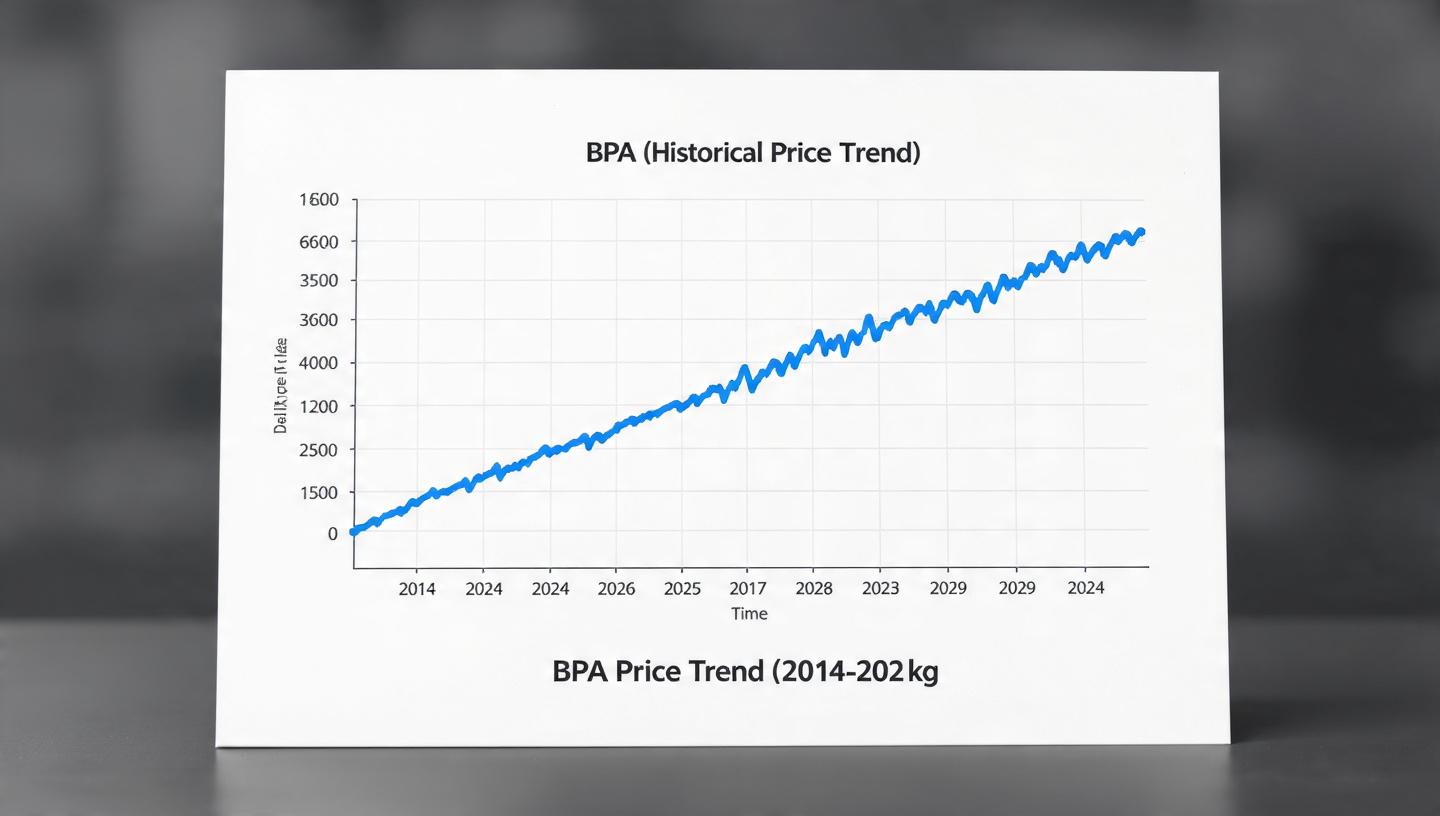
• The Polycarbonate Price Trend in Q3 2025 remained stable to slightly positive across most major global markets. Unlike highly volatile commodities, Polycarbonate (PC) showed steady price movement with only minor quarterly changes. This stability was mainly supported by consistent demand from automotive, electronics, construction, and consumer goods industries. At the same time, feedstock Bisphenol-A (BPA) prices remained steady, which helped maintain balanced production costs.

    Access Real-Time Prices on Polycarbonate: https://www.price-watch.ai/polycarbonate-prices/
    The Polycarbonate Price Trend in Q3 2025 remained stable to slightly positive across most major global markets. Unlike highly volatile commodities, Polycarbonate (PC) showed steady price movement with only minor quarterly changes. This stability was mainly supported by consistent demand from automotive, electronics, construction, and consumer goods industries. At the same time, feedstock Bisphenol-A (BPA) prices remained steady, which helped maintain balanced production costs. Access Real-Time Prices on Polycarbonate: https://www.price-watch.ai/polycarbonate-prices/
    WWW.PRICE-WATCH.AI
    Polycarbonate (PC)
    Polycarbonate (PC) price trend analysis with weekly forecasts, demand supply, market trends, production, historical data 2015-26 and supplier.
    0 Comentários 0 Compartilhamentos 105 Visualizações 0 Anterior
  • In the third quarter (Q3) of 2025, the global Polystyrene price trend moved steadily downward across most major regions. Prices declined consistently due to weaker demand from downstream industries such as packaging, consumer goods, electronics, and automotive. The overall market mood remained cautious, mainly because of economic uncertainty and slower industrial activity.

    Access Real-Time Prices on Polystyrene: https://www.price-watch.ai/polystyrene-prices/
    In the third quarter (Q3) of 2025, the global Polystyrene price trend moved steadily downward across most major regions. Prices declined consistently due to weaker demand from downstream industries such as packaging, consumer goods, electronics, and automotive. The overall market mood remained cautious, mainly because of economic uncertainty and slower industrial activity. Access Real-Time Prices on Polystyrene: https://www.price-watch.ai/polystyrene-prices/
    WWW.PRICE-WATCH.AI
    Polystyrene (PS)
    Polystyrene (GPPS & HIPS) price trend analysis with weekly forecast, supply, market trends, production, shutdown and historical data.
    0 Comentários 0 Compartilhamentos 39 Visualizações 0 Anterior
  • BPA Price Trend Overview: Understanding Market Movement and Demand

    The BPA Price Trend is closely watched in the global chemical industry because Bisphenol A plays a major role in the production of polycarbonate plastics and epoxy resins. These materials are widely used in automotive parts, electronic devices, construction materials, packaging, and consumer goods. Because BPA is connected to so many everyday applications, its pricing pattern often reflects broader industrial activity and economic performance.

    Read More about it- https://www.price-watch.ai/bisphenol-a-prices/
    BPA Price Trend Overview: Understanding Market Movement and Demand The BPA Price Trend is closely watched in the global chemical industry because Bisphenol A plays a major role in the production of polycarbonate plastics and epoxy resins. These materials are widely used in automotive parts, electronic devices, construction materials, packaging, and consumer goods. Because BPA is connected to so many everyday applications, its pricing pattern often reflects broader industrial activity and economic performance. Read More about it- https://www.price-watch.ai/bisphenol-a-prices/
    0 Comentários 0 Compartilhamentos 406 Visualizações 0 Anterior
  • In the third quarter of 2025, the LLDPE price trend has mostly moved downward across major global markets. LLDPE, widely used in packaging films, flexible packaging, agricultural films, and consumer goods, is closely connected to everyday industries. When demand slows in these sectors, LLDPE Prices usually respond quickly. That is exactly what happened during Q3 2025. Access Real-Time Prices on LLDPE: https://www.price-watch.ai/linear-low-density-polyethylene-prices/
    In the third quarter of 2025, the LLDPE price trend has mostly moved downward across major global markets. LLDPE, widely used in packaging films, flexible packaging, agricultural films, and consumer goods, is closely connected to everyday industries. When demand slows in these sectors, LLDPE Prices usually respond quickly. That is exactly what happened during Q3 2025. Access Real-Time Prices on LLDPE: https://www.price-watch.ai/linear-low-density-polyethylene-prices/
    WWW.PRICE-WATCH.AI
    Linear Low Density Polyethylene (LLDPE)
    Linear Low Density Polyethylene (LLDPE) price trend with weekly forecast, supplier, historical data, market trends and outlook.
    0 Comentários 0 Compartilhamentos 177 Visualizações 0 Anterior
  • Benzaldehyde Prices Overview: Understanding Market Movement and Demand

    Benzaldehyde Prices are an important part of the specialty chemicals market because benzaldehyde is widely used in fragrances, flavoring agents, pharmaceuticals, agrochemicals, and dyes. It is known for its almond-like aroma, but beyond that, it serves as a key intermediate in many chemical processes. Since it connects with both consumer goods and industrial production, changes in benzaldehyde prices often reflect broader supply and demand conditions.


    Read More about it- https://www.price-watch.ai/benzaldehyde-prices/
    Benzaldehyde Prices Overview: Understanding Market Movement and Demand Benzaldehyde Prices are an important part of the specialty chemicals market because benzaldehyde is widely used in fragrances, flavoring agents, pharmaceuticals, agrochemicals, and dyes. It is known for its almond-like aroma, but beyond that, it serves as a key intermediate in many chemical processes. Since it connects with both consumer goods and industrial production, changes in benzaldehyde prices often reflect broader supply and demand conditions. Read More about it- https://www.price-watch.ai/benzaldehyde-prices/
    0 Comentários 0 Compartilhamentos 394 Visualizações 0 Anterior
  • Acetone Prices: A Simple and Practical Market Overview

    Acetone prices are closely watched across many industries because acetone is one of the most commonly used solvents in the chemical market. It is widely used in pharmaceuticals, paints, coatings, plastics, cosmetics, and cleaning products. Since acetone is part of everyday manufacturing and consumer goods, even small price changes can influence production costs and purchasing decisions. Understanding how prices move helps businesses plan better and avoid sudden cost pressures.

    Read More about it- https://www.price-watch.ai/acetone-prices/
    Acetone Prices: A Simple and Practical Market Overview Acetone prices are closely watched across many industries because acetone is one of the most commonly used solvents in the chemical market. It is widely used in pharmaceuticals, paints, coatings, plastics, cosmetics, and cleaning products. Since acetone is part of everyday manufacturing and consumer goods, even small price changes can influence production costs and purchasing decisions. Understanding how prices move helps businesses plan better and avoid sudden cost pressures. Read More about it- https://www.price-watch.ai/acetone-prices/
    0 Comentários 0 Compartilhamentos 224 Visualizações 0 Anterior
  • Acetic Acid Prices: A Simple and Clear Market Overview

    Acetic Acid prices are an important point of discussion for many industries that rely on this basic but widely used chemical. Acetic acid is commonly used in the production of adhesives, textiles, plastics, pharmaceuticals, and food-related products. Because it plays a role in both industrial and consumer goods, changes in pricing can influence manufacturing costs and purchasing decisions. Understanding how prices move helps businesses stay prepared and manage expenses more effectively.

    Read More about it- https://www.price-watch.ai/acetic-acid-prices/
    Acetic Acid Prices: A Simple and Clear Market Overview Acetic Acid prices are an important point of discussion for many industries that rely on this basic but widely used chemical. Acetic acid is commonly used in the production of adhesives, textiles, plastics, pharmaceuticals, and food-related products. Because it plays a role in both industrial and consumer goods, changes in pricing can influence manufacturing costs and purchasing decisions. Understanding how prices move helps businesses stay prepared and manage expenses more effectively. Read More about it- https://www.price-watch.ai/acetic-acid-prices/
    0 Comentários 0 Compartilhamentos 123 Visualizações 0 Anterior
  • 2-Ethyl Hexanol Prices: A Simple and Clear Market Overview

    2-Ethyl Hexanol prices are closely watched by industries that depend on this chemical for daily manufacturing needs. 2-Ethyl Hexanol is mainly used in plasticizers, coatings, adhesives, and chemical intermediates, making it an important part of many industrial supply chains. Because it is linked to construction, automotive, and consumer goods, even small changes in pricing can affect overall production costs. Understanding how prices move helps businesses plan purchases and manage budgets with more confidence.

    Read More about it- https://www.price-watch.ai/2-ethyl-hexanol-prices/
    2-Ethyl Hexanol Prices: A Simple and Clear Market Overview 2-Ethyl Hexanol prices are closely watched by industries that depend on this chemical for daily manufacturing needs. 2-Ethyl Hexanol is mainly used in plasticizers, coatings, adhesives, and chemical intermediates, making it an important part of many industrial supply chains. Because it is linked to construction, automotive, and consumer goods, even small changes in pricing can affect overall production costs. Understanding how prices move helps businesses plan purchases and manage budgets with more confidence. Read More about it- https://www.price-watch.ai/2-ethyl-hexanol-prices/
    WWW.PRICE-WATCH.AI
    2-Ethyl Hexanol
    2-Ethyl Hexanol price trends with weekly forecasts, supply-demand, market trends historical data 2015-26, production and shutdowns.
    0 Comentários 0 Compartilhamentos 379 Visualizações 0 Anterior
  • During the third quarter of 2025, Thermoplastic Rubber Prices have mostly followed a downward path across several major regions. This overall decline has been driven by weaker-than-expected demand from key industries such as automotive, consumer goods, packaging, and general manufacturing. Many companies had expected a stronger recovery in production and sales, but economic uncertainty and cautious spending have kept procurement levels low.

    Access Real-Time Prices on Thermoplastic Rubber: https://www.price-watch.ai/thermoplastic-elastomer-prices/
    During the third quarter of 2025, Thermoplastic Rubber Prices have mostly followed a downward path across several major regions. This overall decline has been driven by weaker-than-expected demand from key industries such as automotive, consumer goods, packaging, and general manufacturing. Many companies had expected a stronger recovery in production and sales, but economic uncertainty and cautious spending have kept procurement levels low. Access Real-Time Prices on Thermoplastic Rubber: https://www.price-watch.ai/thermoplastic-elastomer-prices/
    WWW.PRICE-WATCH.AI
    Thermoplastic Elastomer (TPE)
    Thermoplastic elastomer (TPE) price trend analysis with forecasts, Charts, demand supply, market trends, production, spot prices and historical data.
    0 Comentários 0 Compartilhamentos 116 Visualizações 0 Anterior
  • Dioctyl Phthalate Prices: Demand, Supply, and Price Trend Insights

    Dioctyl Phthalate prices are an important concern for industries that rely on flexible plastic materials. Dioctyl Phthalate, commonly known as DOP, is widely used as a plasticizer in products such as PVC cables, flooring, synthetic leather, and consumer goods. Because it supports many everyday applications, even small changes in pricing can influence production planning and costs. Understanding prices in a simple way helps businesses and buyers stay prepared for market changes.


    Read More about it- https://www.price-watch.ai/dioctyl-phthalate-prices/
    Dioctyl Phthalate Prices: Demand, Supply, and Price Trend Insights Dioctyl Phthalate prices are an important concern for industries that rely on flexible plastic materials. Dioctyl Phthalate, commonly known as DOP, is widely used as a plasticizer in products such as PVC cables, flooring, synthetic leather, and consumer goods. Because it supports many everyday applications, even small changes in pricing can influence production planning and costs. Understanding prices in a simple way helps businesses and buyers stay prepared for market changes. Read More about it- https://www.price-watch.ai/dioctyl-phthalate-prices/
    0 Comentários 0 Compartilhamentos 316 Visualizações 0 Anterior
  • Phenol Price Trend Analysis: Market Dynamics, Key Growth Drivers, Regional Insights, Supply Chain Factors, Demand Outlook, and Future Price Forecast Across Global Markets

    The phenol price trend has always attracted attention because phenol is a basic chemical used in many everyday industries. From plastics and resins to pharmaceuticals and laminates, phenol plays an important role in modern manufacturing. Because it sits at the center of so many supply chains, even small changes in its price can be felt across different markets. Over time, phenol prices have shown a pattern of ups and downs that reflect broader economic conditions, raw material availability, and demand from end-use sectors.

    Please Submit Your Query for Phenol Price Trend, demand-supply, suppliers, market analysis:https://www.price-watch.ai/book-a-demo/

    Factors Influencing Phenol Prices

    One of the biggest factors affecting the phenol price trend is the cost of raw materials. Phenol is mainly produced from benzene and propylene, both of which are linked to crude oil prices. When crude oil prices rise, the cost of these raw materials usually increases as well, pushing phenol prices upward. On the other hand, when oil prices fall, phenol production becomes cheaper, often leading to softer prices in the market.
    Energy costs also play a major role. Phenol production requires significant energy, and changes in electricity or fuel prices can directly impact manufacturing costs. In regions where energy prices are volatile, phenol prices tend to react quickly.

    Demand from End-Use Industries

    Demand patterns strongly shape the phenol price trend. Industries such as construction, automotive, electronics, and consumer goods rely on phenol-based products. When construction activity is strong, the demand for phenolic resins and laminates increases, supporting higher phenol prices. Similarly, growth in the automotive sector boosts demand for lightweight and durable materials made using phenol derivatives.
    During periods of economic slowdown, demand from these sectors often weakens. Reduced factory output and lower consumer spending can lead to excess phenol supply in the market, putting downward pressure on prices. This demand-driven cycle is one of the most common reasons behind phenol price fluctuations.

    Supply Chain and Production Capacity

    Supply-side factors are equally important in shaping phenol price movements. Planned maintenance shutdowns, unexpected plant outages, or production cuts can tighten supply and cause prices to rise. When multiple producers face operational issues at the same time, the market can experience sudden price spikes.
    On the other hand, when new production capacities come online or existing plants increase output, the market may face oversupply. This usually results in more competitive pricing as suppliers try to move their volumes. Over the years, expansions in production capacity in certain regions have contributed to periods of stable or declining phenol prices.

    Regional Market Trends

    The phenol price trend often varies from one region to another. In Asia, rapid industrial growth and strong manufacturing activity usually support steady phenol demand. However, high production capacity in some Asian countries can also lead to intense competition and price pressure.
    In Europe, phenol prices are often influenced by energy costs and environmental regulations. Stricter rules can increase production expenses, which may be reflected in higher prices. In North America, phenol prices tend to follow trends in the petrochemical sector and overall industrial activity, with logistics and transportation costs also playing a role.

    Please Submit Your Query for Phenol Price Trend, demand-supply, suppliers, market analysis:https://www.price-watch.ai/book-a-demo/

    About Price Watch™ AI

    Price-Watch AI is an India-based, independent raw material price reporting agency that provides real-time price forecasts and data-driven insights into global raw material markets. Price-Watch AI specializes in tracking raw material prices, analyzing market trends, and delivering timely updates on plant shutdowns, supply disruptions, capacity expansions, and demand-supply dynamics. The Price-Watch AI platform empowers manufacturers, traders, and procurement professionals to make faster, smarter decisions. Leveraging AI-powered forecasting and over a decade of historical data, Price-Watch AI transforms market volatility into actionable opportunity.

    Futura Tech Park,
    C Block, 8th floor 334,
    Old Mahabalipuram Road,
    Sholinganallur, Chennai,
    Tamil Nadu, Pincode - 600119.

    LinkedIn: https://www.linkedin.com/company/price-watch-ai/
    Facebook: https://www.facebook.com/people/Price-Watch/61568490385598/
    Twitter: https://x.com/pricewatchai
    Website: https://www.price-watch.ai/
    Phenol Price Trend Analysis: Market Dynamics, Key Growth Drivers, Regional Insights, Supply Chain Factors, Demand Outlook, and Future Price Forecast Across Global Markets The phenol price trend has always attracted attention because phenol is a basic chemical used in many everyday industries. From plastics and resins to pharmaceuticals and laminates, phenol plays an important role in modern manufacturing. Because it sits at the center of so many supply chains, even small changes in its price can be felt across different markets. Over time, phenol prices have shown a pattern of ups and downs that reflect broader economic conditions, raw material availability, and demand from end-use sectors. 👉 👉 👉 Please Submit Your Query for Phenol Price Trend, demand-supply, suppliers, market analysis:https://www.price-watch.ai/book-a-demo/ Factors Influencing Phenol Prices One of the biggest factors affecting the phenol price trend is the cost of raw materials. Phenol is mainly produced from benzene and propylene, both of which are linked to crude oil prices. When crude oil prices rise, the cost of these raw materials usually increases as well, pushing phenol prices upward. On the other hand, when oil prices fall, phenol production becomes cheaper, often leading to softer prices in the market. Energy costs also play a major role. Phenol production requires significant energy, and changes in electricity or fuel prices can directly impact manufacturing costs. In regions where energy prices are volatile, phenol prices tend to react quickly. Demand from End-Use Industries Demand patterns strongly shape the phenol price trend. Industries such as construction, automotive, electronics, and consumer goods rely on phenol-based products. When construction activity is strong, the demand for phenolic resins and laminates increases, supporting higher phenol prices. Similarly, growth in the automotive sector boosts demand for lightweight and durable materials made using phenol derivatives. During periods of economic slowdown, demand from these sectors often weakens. Reduced factory output and lower consumer spending can lead to excess phenol supply in the market, putting downward pressure on prices. This demand-driven cycle is one of the most common reasons behind phenol price fluctuations. Supply Chain and Production Capacity Supply-side factors are equally important in shaping phenol price movements. Planned maintenance shutdowns, unexpected plant outages, or production cuts can tighten supply and cause prices to rise. When multiple producers face operational issues at the same time, the market can experience sudden price spikes. On the other hand, when new production capacities come online or existing plants increase output, the market may face oversupply. This usually results in more competitive pricing as suppliers try to move their volumes. Over the years, expansions in production capacity in certain regions have contributed to periods of stable or declining phenol prices. Regional Market Trends The phenol price trend often varies from one region to another. In Asia, rapid industrial growth and strong manufacturing activity usually support steady phenol demand. However, high production capacity in some Asian countries can also lead to intense competition and price pressure. In Europe, phenol prices are often influenced by energy costs and environmental regulations. Stricter rules can increase production expenses, which may be reflected in higher prices. In North America, phenol prices tend to follow trends in the petrochemical sector and overall industrial activity, with logistics and transportation costs also playing a role. 👉 👉 👉 Please Submit Your Query for Phenol Price Trend, demand-supply, suppliers, market analysis:https://www.price-watch.ai/book-a-demo/ About Price Watch™ AI Price-Watch AI is an India-based, independent raw material price reporting agency that provides real-time price forecasts and data-driven insights into global raw material markets. Price-Watch AI specializes in tracking raw material prices, analyzing market trends, and delivering timely updates on plant shutdowns, supply disruptions, capacity expansions, and demand-supply dynamics. The Price-Watch AI platform empowers manufacturers, traders, and procurement professionals to make faster, smarter decisions. Leveraging AI-powered forecasting and over a decade of historical data, Price-Watch AI transforms market volatility into actionable opportunity. Futura Tech Park, C Block, 8th floor 334, Old Mahabalipuram Road, Sholinganallur, Chennai, Tamil Nadu, Pincode - 600119. LinkedIn: https://www.linkedin.com/company/price-watch-ai/ Facebook: https://www.facebook.com/people/Price-Watch/61568490385598/ Twitter: https://x.com/pricewatchai Website: https://www.price-watch.ai/
    0 Comentários 0 Compartilhamentos 331 Visualizações 0 Anterior
  • Global Phthalic Anhydride Price Trend Report: Long-Term Historical Data, Key Industry Drivers, Economic Impacts, and Projections for the Next Decade

    Phthalic anhydride is a widely used industrial chemical that plays an important role in everyday products, even though most people never hear its name. It is mainly used in the production of plasticizers, resins, paints, coatings, and some pharmaceuticals. Because of its close connection to construction, automotive, and consumer goods industries, the phthalic anhydride price trend often reflects broader movements in the economy. Over time, prices tend to move in response to demand patterns, raw material costs, energy prices, and overall market sentiment.
    In simple terms, when industries that depend on plastics and coatings are active, demand for phthalic anhydride rises, and prices usually follow. When economic activity slows down, prices often soften. This natural push and pull makes the price trend an interesting indicator of industrial health.

    Please Submit Your Query for Phthalic Anhydride Price Trend, demand-supply, suppliers, market analysis:https://www.price-watch.ai/book-a-demo/

    Key Factors Influencing Phthalic Anhydride Prices

    One of the most important factors affecting the phthalic anhydride price trend is the cost of raw materials. Phthalic anhydride is primarily produced from ortho-xylene or naphthalene, both of which are derived from crude oil or coal processing. When crude oil prices rise, the cost of producing these feedstocks increases, which often leads to higher phthalic anhydride prices. On the other hand, when oil prices fall or remain stable, manufacturers may experience some relief in production costs.
    Energy prices also play a significant role. The manufacturing process requires heat and electricity, so changes in fuel and power costs directly impact overall production expenses. In regions where energy prices are volatile, phthalic anhydride prices can fluctuate more frequently. This is especially noticeable during periods of global energy shortages or sudden fuel price spikes.
    Demand from end-use industries is another major driver. Construction activity, for example, strongly influences demand because phthalic anhydride is used in PVC products, flooring, and coatings. When construction projects increase, especially in developing economies, demand rises and prices often strengthen. Conversely, during periods of slower construction or reduced industrial output, prices may face downward pressure.

    Regional and Seasonal Market Behavior

    The phthalic anhydride price trend can vary from one region to another. In areas with strong manufacturing bases and steady infrastructure development, demand tends to remain consistent. This often leads to relatively stable pricing, with gradual increases over time. In contrast, regions that rely heavily on imports may see sharper price movements due to logistics costs, currency fluctuations, and supply chain disruptions.
    Seasonal patterns also influence prices. For example, construction activity usually slows during extreme weather conditions, such as harsh winters or heavy monsoon seasons. During these periods, demand for related products may dip slightly, which can affect phthalic anhydride prices. When activity resumes in more favorable seasons, demand often picks up again, supporting price recovery.
    Supply-side factors cannot be ignored either. Planned maintenance shutdowns, unexpected plant outages, or environmental regulations can temporarily reduce supply. When supply tightens while demand remains steady, prices tend to rise. On the other hand, when new production capacity comes online, the market may experience temporary oversupply, leading to softer prices.

    Please Submit Your Query for Phthalic Anhydride Price Trend, demand-supply, suppliers, market analysis:https://www.price-watch.ai/book-a-demo/

    About Price Watch™ AI

    Price-Watch AI is an India-based, independent raw material price reporting agency that provides real-time price forecasts and data-driven insights into global raw material markets. Price-Watch AI specializes in tracking raw material prices, analyzing market trends, and delivering timely updates on plant shutdowns, supply disruptions, capacity expansions, and demand-supply dynamics. The Price-Watch AI platform empowers manufacturers, traders, and procurement professionals to make faster, smarter decisions. Leveraging AI-powered forecasting and over a decade of historical data, Price-Watch AI transforms market volatility into actionable opportunity.

    Futura Tech Park,
    C Block, 8th floor 334,
    Old Mahabalipuram Road,
    Sholinganallur, Chennai,
    Tamil Nadu, Pincode - 600119.

    LinkedIn: https://www.linkedin.com/company/price-watch-ai/
    Facebook: https://www.facebook.com/people/Price-Watch/61568490385598/
    Twitter: https://x.com/pricewatchai
    Website: https://www.price-watch.ai/
    Global Phthalic Anhydride Price Trend Report: Long-Term Historical Data, Key Industry Drivers, Economic Impacts, and Projections for the Next Decade Phthalic anhydride is a widely used industrial chemical that plays an important role in everyday products, even though most people never hear its name. It is mainly used in the production of plasticizers, resins, paints, coatings, and some pharmaceuticals. Because of its close connection to construction, automotive, and consumer goods industries, the phthalic anhydride price trend often reflects broader movements in the economy. Over time, prices tend to move in response to demand patterns, raw material costs, energy prices, and overall market sentiment. In simple terms, when industries that depend on plastics and coatings are active, demand for phthalic anhydride rises, and prices usually follow. When economic activity slows down, prices often soften. This natural push and pull makes the price trend an interesting indicator of industrial health. 👉 👉 👉 Please Submit Your Query for Phthalic Anhydride Price Trend, demand-supply, suppliers, market analysis:https://www.price-watch.ai/book-a-demo/ Key Factors Influencing Phthalic Anhydride Prices One of the most important factors affecting the phthalic anhydride price trend is the cost of raw materials. Phthalic anhydride is primarily produced from ortho-xylene or naphthalene, both of which are derived from crude oil or coal processing. When crude oil prices rise, the cost of producing these feedstocks increases, which often leads to higher phthalic anhydride prices. On the other hand, when oil prices fall or remain stable, manufacturers may experience some relief in production costs. Energy prices also play a significant role. The manufacturing process requires heat and electricity, so changes in fuel and power costs directly impact overall production expenses. In regions where energy prices are volatile, phthalic anhydride prices can fluctuate more frequently. This is especially noticeable during periods of global energy shortages or sudden fuel price spikes. Demand from end-use industries is another major driver. Construction activity, for example, strongly influences demand because phthalic anhydride is used in PVC products, flooring, and coatings. When construction projects increase, especially in developing economies, demand rises and prices often strengthen. Conversely, during periods of slower construction or reduced industrial output, prices may face downward pressure. Regional and Seasonal Market Behavior The phthalic anhydride price trend can vary from one region to another. In areas with strong manufacturing bases and steady infrastructure development, demand tends to remain consistent. This often leads to relatively stable pricing, with gradual increases over time. In contrast, regions that rely heavily on imports may see sharper price movements due to logistics costs, currency fluctuations, and supply chain disruptions. Seasonal patterns also influence prices. For example, construction activity usually slows during extreme weather conditions, such as harsh winters or heavy monsoon seasons. During these periods, demand for related products may dip slightly, which can affect phthalic anhydride prices. When activity resumes in more favorable seasons, demand often picks up again, supporting price recovery. Supply-side factors cannot be ignored either. Planned maintenance shutdowns, unexpected plant outages, or environmental regulations can temporarily reduce supply. When supply tightens while demand remains steady, prices tend to rise. On the other hand, when new production capacity comes online, the market may experience temporary oversupply, leading to softer prices. 👉 👉 👉 Please Submit Your Query for Phthalic Anhydride Price Trend, demand-supply, suppliers, market analysis:https://www.price-watch.ai/book-a-demo/ About Price Watch™ AI Price-Watch AI is an India-based, independent raw material price reporting agency that provides real-time price forecasts and data-driven insights into global raw material markets. Price-Watch AI specializes in tracking raw material prices, analyzing market trends, and delivering timely updates on plant shutdowns, supply disruptions, capacity expansions, and demand-supply dynamics. The Price-Watch AI platform empowers manufacturers, traders, and procurement professionals to make faster, smarter decisions. Leveraging AI-powered forecasting and over a decade of historical data, Price-Watch AI transforms market volatility into actionable opportunity. Futura Tech Park, C Block, 8th floor 334, Old Mahabalipuram Road, Sholinganallur, Chennai, Tamil Nadu, Pincode - 600119. LinkedIn: https://www.linkedin.com/company/price-watch-ai/ Facebook: https://www.facebook.com/people/Price-Watch/61568490385598/ Twitter: https://x.com/pricewatchai Website: https://www.price-watch.ai/
    0 Comentários 0 Compartilhamentos 710 Visualizações 0 Anterior
Páginas Impulsionadas
Patrocinado
Patrocinado