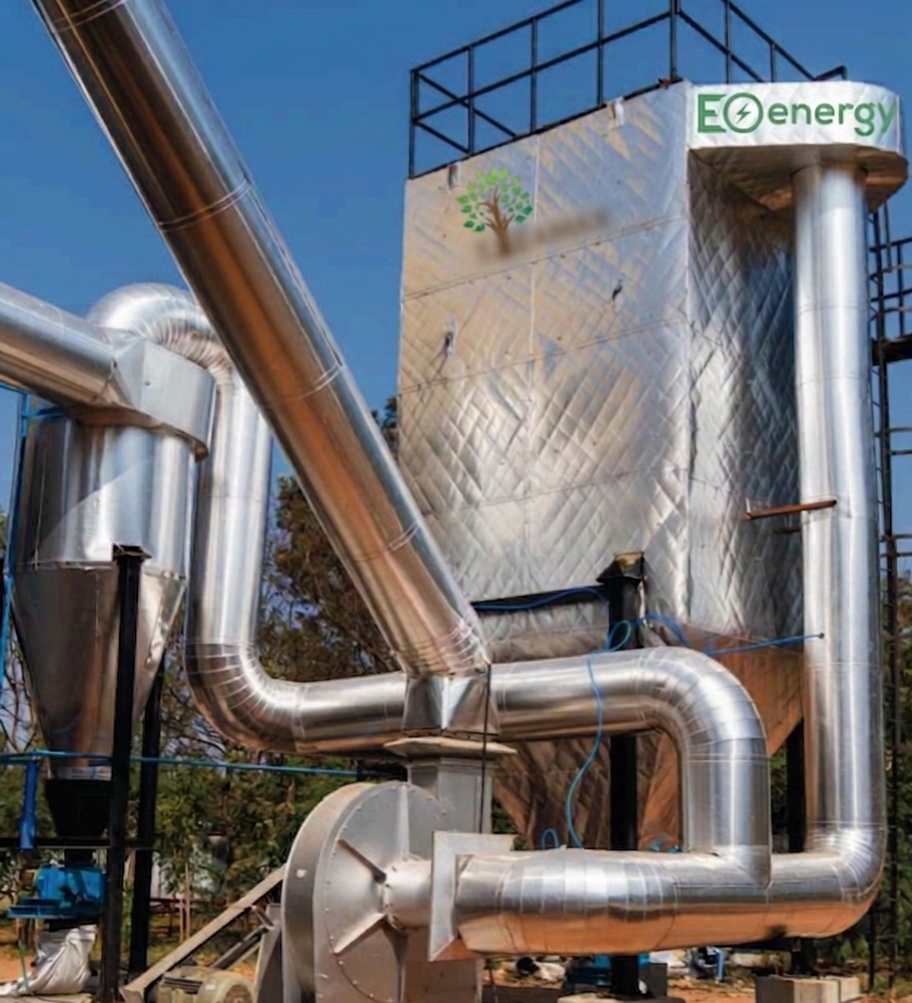
• Complete Guide to RECD Manufacturers and Diesel Generator Emission Solutions

    Reduce DG set emissions with advanced RECD – Retrofit Emission Control solutions. Learn how a trusted RECD manufacturer helps improve air quality, ensure compliance, and make diesel generators cleaner and more efficient with EO Energy.

    https://eoenergy.stck.me/post/1770073/Complete-Guide-to-RECD-Manufacturers-and-Diesel-Generator-Emission-Solutions
    Complete Guide to RECD Manufacturers and Diesel Generator Emission Solutions Reduce DG set emissions with advanced RECD – Retrofit Emission Control solutions. Learn how a trusted RECD manufacturer helps improve air quality, ensure compliance, and make diesel generators cleaner and more efficient with EO Energy. https://eoenergy.stck.me/post/1770073/Complete-Guide-to-RECD-Manufacturers-and-Diesel-Generator-Emission-Solutions
    EOENERGY.STCK.ME
    Complete Guide to RECD Manufacturers and Diesel Generator Emission Solutions
    Diesel generator (DG) sets are widely used across industries, commercial buildings, hospitals, and construction sites as a reliable backup power source. However, diesel generators also release pollutants such as particulate matter (PM), nitrogen oxides (NOx), carbon monoxide (CO), and hydrocarbons. These emissions contribute to air pollution and can affect environmental and public health.
    0 Comentários 0 Compartilhamentos 158 Visualizações 0 Anterior
  • How an Emission Control Device Helps Reduce Pollution and Improve Air Quality

    Improve air quality with advanced Emission Control Devices by EO Energy Pvt. Ltd. Learn how pollution control devices for DG sets reduce harmful emissions, ensure compliance, and support cleaner, sustainable industrial operations.

    https://eoenergy.in/how-an-emission-control-device-helps-reduce-pollution-and-improve-air-quality/
    How an Emission Control Device Helps Reduce Pollution and Improve Air Quality Improve air quality with advanced Emission Control Devices by EO Energy Pvt. Ltd. Learn how pollution control devices for DG sets reduce harmful emissions, ensure compliance, and support cleaner, sustainable industrial operations. https://eoenergy.in/how-an-emission-control-device-helps-reduce-pollution-and-improve-air-quality/
    EOENERGY.IN
    How an Emission Control Device Helps Reduce Pollution and Improve Air Quality
    Emission Control Device by EO Energy reduces DG set pollution, improves air quality, and ensures compliance with advanced retrofit emission solutions.
    0 Comentários 0 Compartilhamentos 223 Visualizações 0 Anterior
  • RECD Manufacturer: How Retrofit Emission Control Devices Help Reduce Diesel Pollution

    Reduce diesel pollution with advanced RECD – Retrofit Emission Control solutions by EO Energy. Learn how a reliable RECD manufacturer helps lower emissions, improve compliance, and upgrade existing diesel engines efficiently.

    https://eoenergy.in/recd-manufacturer-how-retrofit-emission-control-devices-help-reduce-diesel-pollution/
    RECD Manufacturer: How Retrofit Emission Control Devices Help Reduce Diesel Pollution Reduce diesel pollution with advanced RECD – Retrofit Emission Control solutions by EO Energy. Learn how a reliable RECD manufacturer helps lower emissions, improve compliance, and upgrade existing diesel engines efficiently. https://eoenergy.in/recd-manufacturer-how-retrofit-emission-control-devices-help-reduce-diesel-pollution/
    EOENERGY.IN
    RECD Manufacturer: How Retrofit Emission Control Devices Help Reduce Diesel Pollution
    Learn about RECD, Retrofit Emission Control Devices, and how an RECD manufacturer helps reduce diesel generator emissions and meet environmental standards.
    0 Comentários 0 Compartilhamentos 124 Visualizações 0 Anterior
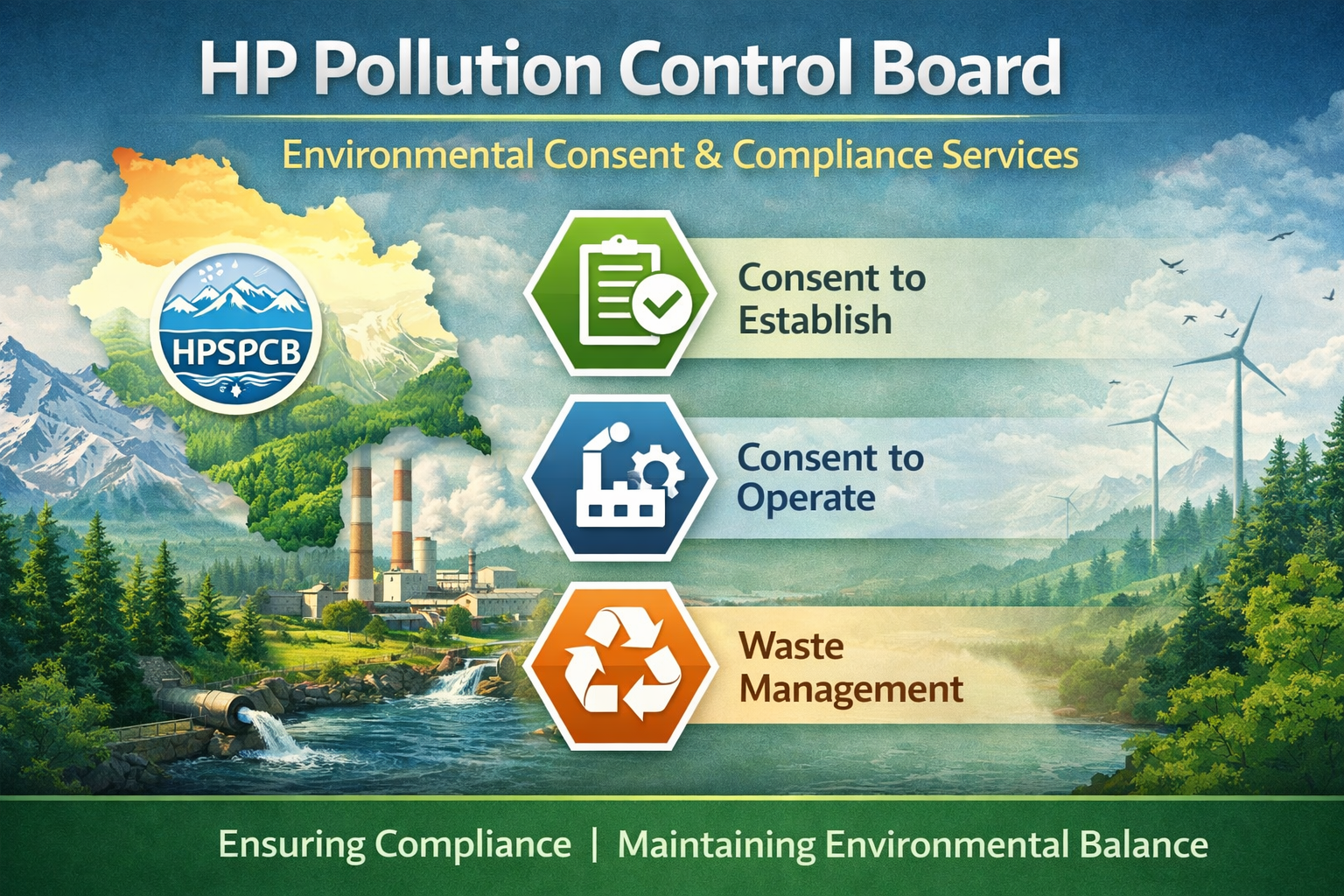
  • HP Pollution Control Board – Environmental Consent & Compliance Services
    The Himachal Pradesh State Pollution Control Board (HPSPCB) regulates pollution control and environmental compliance across Himachal Pradesh. It provides approvals like Consent to Establish and Consent to Operate, ensuring industries follow standards for emissions, waste management, and eco-friendly practices while maintaining environmental balance.
    #hpspcb
    Visit: https://www.corpseed.com/service/himachal-pradesh-state-pollution-control-board

    HP Pollution Control Board – Environmental Consent & Compliance Services The Himachal Pradesh State Pollution Control Board (HPSPCB) regulates pollution control and environmental compliance across Himachal Pradesh. It provides approvals like Consent to Establish and Consent to Operate, ensuring industries follow standards for emissions, waste management, and eco-friendly practices while maintaining environmental balance. #hpspcb Visit: https://www.corpseed.com/service/himachal-pradesh-state-pollution-control-board
    0 Comentários 0 Compartilhamentos 289 Visualizações 0 Anterior
  • The DPCC Certificate (Delhi Pollution Control Committee) is mandatory for businesses operating in Delhi that generate air emissions, wastewater, or hazardous waste. Whether you are a manufacturing unit, hospital, hotel, warehouse, startup, or commercial establishment, DPCC compliance is legally required before starting operations.
    #dpcc # DPCC Certificate
    More info: https://www.corpseed.com/service/delhi-pollution-control-committee-dpcc-cte-cto-authorization

    The DPCC Certificate (Delhi Pollution Control Committee) is mandatory for businesses operating in Delhi that generate air emissions, wastewater, or hazardous waste. Whether you are a manufacturing unit, hospital, hotel, warehouse, startup, or commercial establishment, DPCC compliance is legally required before starting operations. #dpcc # DPCC Certificate More info: https://www.corpseed.com/service/delhi-pollution-control-committee-dpcc-cte-cto-authorization
    0 Comentários 0 Compartilhamentos 479 Visualizações 0 Anterior
  • Comprehensive Analysis of Global Naphthalene Price Trends: Drivers, Historical Movements, Forecasts, and Market Dynamics Across Key Regions and End-Use Industries

    Naphthalene Price Trend is a familiar chemical for many people, often remembered by its strong smell and use in mothballs. Beyond households, it plays an important role in industries like chemicals, dyes, resins, construction materials, and pharmaceuticals. Because it is widely used across different sectors, changes in the naphthalene price trend attract attention from manufacturers, traders, and buyers alike. Understanding how and why prices move can help businesses plan better and manage costs more effectively.

    Please Submit Your Query for Naphthalene Price Trend, demand-supply, suppliers, market analysis:https://www.price-watch.ai/book-a-demo/

    What Is Naphthalene and Why It Matters

    Naphthalene is mainly derived from coal tar and petroleum-based processes. Its demand depends heavily on industrial activity, especially in construction, textiles, and chemical manufacturing. When these industries grow, the need for naphthalene rises, and when they slow down, demand weakens. This close link between naphthalene prices and overall economic activity makes its price trend a useful indicator of broader market conditions.

    Key Factors Influencing Naphthalene Price Trend

    One of the most important factors affecting the naphthalene price trend is the cost and availability of raw materials. Since coal tar is a major source, fluctuations in coal prices or changes in steel production, where coal tar is a by-product, can directly impact naphthalene supply. If coal tar availability drops, naphthalene production becomes more expensive, pushing prices upward.
    Energy costs also play a big role. Producing and processing naphthalene requires heat and power, so rising electricity or fuel prices often translate into higher production costs. When energy prices fall, producers may have more flexibility to offer competitive pricing.
    Demand from end-use industries is another major driver. For example, strong construction activity increases the use of naphthalene-based products like plasticizers and resins. Similarly, growth in textile and dye industries supports steady demand. When these sectors perform well, prices tend to remain firm or rise. On the other hand, during economic slowdowns or periods of reduced industrial output, naphthalene prices often soften.

    Regional Market Dynamics

    The naphthalene price trend can vary from one region to another due to differences in production capacity, regulations, and consumption patterns. In regions with strong coal-based industries, local supply may be more stable, helping keep prices relatively balanced. In contrast, areas that rely on imports may see more price volatility due to shipping costs, currency fluctuations, and global supply disruptions.
    Environmental regulations also influence regional pricing. Stricter rules on emissions and waste management can increase production costs, especially in countries tightening environmental standards. While these measures are important for sustainability, they can lead to higher naphthalene prices in the short to medium term.

    Conclusion

    The naphthalene price trend is shaped by a mix of raw material availability, energy costs, industrial demand, regional factors, and global trade conditions. While short-term fluctuations are common, understanding these underlying drivers helps explain why prices move the way they do. For businesses that depend on naphthalene, keeping an eye on these trends can support smarter purchasing decisions and better long-term planning.

    Please Submit Your Query for Naphthalene Price Trend, demand-supply, suppliers, market analysis:https://www.price-watch.ai/book-a-demo/

    About Price Watch™ AI

    Price-Watch AI is an India-based, independent raw material price reporting agency that provides real-time price forecasts and data-driven insights into global raw material markets. Price-Watch AI specializes in tracking raw material prices, analyzing market trends, and delivering timely updates on plant shutdowns, supply disruptions, capacity expansions, and demand-supply dynamics. The Price-Watch AI platform empowers manufacturers, traders, and procurement professionals to make faster, smarter decisions. Leveraging AI-powered forecasting and over a decade of historical data, Price-Watch AI transforms market volatility into actionable opportunity.

    Futura Tech Park,
    C Block, 8th floor 334,
    Old Mahabalipuram Road,
    Sholinganallur, Chennai,
    Tamil Nadu, Pincode - 600119.

    LinkedIn: https://www.linkedin.com/company/price-watch-ai/
    Facebook: https://www.facebook.com/people/Price-Watch/61568490385598/
    Twitter: https://x.com/pricewatchai
    Website: https://www.price-watch.ai/

    Comprehensive Analysis of Global Naphthalene Price Trends: Drivers, Historical Movements, Forecasts, and Market Dynamics Across Key Regions and End-Use Industries Naphthalene Price Trend is a familiar chemical for many people, often remembered by its strong smell and use in mothballs. Beyond households, it plays an important role in industries like chemicals, dyes, resins, construction materials, and pharmaceuticals. Because it is widely used across different sectors, changes in the naphthalene price trend attract attention from manufacturers, traders, and buyers alike. Understanding how and why prices move can help businesses plan better and manage costs more effectively. 👉 👉 👉 Please Submit Your Query for Naphthalene Price Trend, demand-supply, suppliers, market analysis:https://www.price-watch.ai/book-a-demo/ What Is Naphthalene and Why It Matters Naphthalene is mainly derived from coal tar and petroleum-based processes. Its demand depends heavily on industrial activity, especially in construction, textiles, and chemical manufacturing. When these industries grow, the need for naphthalene rises, and when they slow down, demand weakens. This close link between naphthalene prices and overall economic activity makes its price trend a useful indicator of broader market conditions. Key Factors Influencing Naphthalene Price Trend One of the most important factors affecting the naphthalene price trend is the cost and availability of raw materials. Since coal tar is a major source, fluctuations in coal prices or changes in steel production, where coal tar is a by-product, can directly impact naphthalene supply. If coal tar availability drops, naphthalene production becomes more expensive, pushing prices upward. Energy costs also play a big role. Producing and processing naphthalene requires heat and power, so rising electricity or fuel prices often translate into higher production costs. When energy prices fall, producers may have more flexibility to offer competitive pricing. Demand from end-use industries is another major driver. For example, strong construction activity increases the use of naphthalene-based products like plasticizers and resins. Similarly, growth in textile and dye industries supports steady demand. When these sectors perform well, prices tend to remain firm or rise. On the other hand, during economic slowdowns or periods of reduced industrial output, naphthalene prices often soften. Regional Market Dynamics The naphthalene price trend can vary from one region to another due to differences in production capacity, regulations, and consumption patterns. In regions with strong coal-based industries, local supply may be more stable, helping keep prices relatively balanced. In contrast, areas that rely on imports may see more price volatility due to shipping costs, currency fluctuations, and global supply disruptions. Environmental regulations also influence regional pricing. Stricter rules on emissions and waste management can increase production costs, especially in countries tightening environmental standards. While these measures are important for sustainability, they can lead to higher naphthalene prices in the short to medium term. Conclusion The naphthalene price trend is shaped by a mix of raw material availability, energy costs, industrial demand, regional factors, and global trade conditions. While short-term fluctuations are common, understanding these underlying drivers helps explain why prices move the way they do. For businesses that depend on naphthalene, keeping an eye on these trends can support smarter purchasing decisions and better long-term planning. 👉 👉 👉 Please Submit Your Query for Naphthalene Price Trend, demand-supply, suppliers, market analysis:https://www.price-watch.ai/book-a-demo/ About Price Watch™ AI Price-Watch AI is an India-based, independent raw material price reporting agency that provides real-time price forecasts and data-driven insights into global raw material markets. Price-Watch AI specializes in tracking raw material prices, analyzing market trends, and delivering timely updates on plant shutdowns, supply disruptions, capacity expansions, and demand-supply dynamics. The Price-Watch AI platform empowers manufacturers, traders, and procurement professionals to make faster, smarter decisions. Leveraging AI-powered forecasting and over a decade of historical data, Price-Watch AI transforms market volatility into actionable opportunity. Futura Tech Park, C Block, 8th floor 334, Old Mahabalipuram Road, Sholinganallur, Chennai, Tamil Nadu, Pincode - 600119. LinkedIn: https://www.linkedin.com/company/price-watch-ai/ Facebook: https://www.facebook.com/people/Price-Watch/61568490385598/ Twitter: https://x.com/pricewatchai Website: https://www.price-watch.ai/

    0 Comentários 0 Compartilhamentos 1K Visualizações 0 Anterior
  • Global Para Nitro Chloro Benzene (PNCB) Price Trend Analysis with Historical Data, Market Dynamics, Demand–Supply Outlook, and Regional Insights

    Para Nitro Chloro Benzene, often abbreviated as PNCB, is an important chemical used widely in industries such as dyes, pharmaceuticals, and agrochemicals. Over the years, the price of Para Nitro Chloro Benzene has attracted attention from manufacturers, traders, and end-users because fluctuations can have a ripple effect on the cost of various downstream products. Understanding the price trend of this compound helps businesses plan better and make informed decisions.

    Please Submit Your Query for Para Nitro Chloro Benzene Price Trend, demand-supply, suppliers, market analysis:https://www.price-watch.ai/book-a-demo/

    The price trend of Para Nitro Chloro Benzene does not move in isolation. It is influenced by raw material costs, demand and supply dynamics, global economic conditions, production capacity, and regulatory factors. In simple terms, when the cost of the chemicals used to make PNCB goes up, the price of PNCB usually goes up too. Similarly, when demand from industries increases, prices tend to rise, and when demand is low or production exceeds consumption, prices soften.
    In recent years, industries have experienced mixed movements in the price of Para Nitro Chloro Benzene. A major reason behind this has been the volatile nature of raw material prices. Chemicals such as chlorobenzene and nitric acid, which are primary inputs for producing PNCB, have seen their own price ups and downs due to changes in crude oil prices, energy costs, and logistic challenges. Because these raw materials form the backbone of PNCB production, any change in their price directly influences the final price of the product.
    Another important factor affecting the price trend is demand from downstream sectors. The dye and pigment industry, which uses PNCB as a key intermediate, can sometimes spur higher demand when textile and coating activities are strong. When factories run at full capacity, the need for intermediates like PNCB increases, pushing prices upward. Conversely, when there is reduced demand in textiles due to seasonal slowdowns, this weakens demand for PNCB, resulting in softer prices.
    Global events have also played a role in shaping the price trend. For instance, international trade dynamics, such as tariff changes or export-import policy revisions, influence how easily PNCB can move across borders. When trade barriers rise, or transportation costs climb due to fuel price hikes, the overall pricing structure for chemicals including PNCB shifts accordingly. Companies that rely on imports or exports may find their cost structures changing, leading to price adjustments.
    Environmental and safety regulations are another piece of the puzzle. Chemical manufacturing, especially involving nitro and chloro compounds, is subject to strict monitoring because of potential environmental impact and health risks. When governments introduce new compliance standards or tighten emissions norms, producers often incur higher costs to upgrade technology or waste-treatment systems. Those added operational costs can be passed down the supply chain, contributing to price increases for Para Nitro Chloro Benzene.

    Please Submit Your Query for Para Nitro Chloro Benzene Price Trend, demand-supply, suppliers, market analysis:https://www.price-watch.ai/book-a-demo/

    About Price Watch™ AI

    Price-Watch AI is an India-based, independent raw material price reporting agency that provides real-time price forecasts and data-driven insights into global raw material markets. Price-Watch AI specializes in tracking raw material prices, analyzing market trends, and delivering timely updates on plant shutdowns, supply disruptions, capacity expansions, and demand-supply dynamics. The Price-Watch AI platform empowers manufacturers, traders, and procurement professionals to make faster, smarter decisions. Leveraging AI-powered forecasting and over a decade of historical data, Price-Watch AI transforms market volatility into actionable opportunity.

    Futura Tech Park,
    C Block, 8th floor 334,
    Old Mahabalipuram Road,
    Sholinganallur, Chennai,
    Tamil Nadu, Pincode - 600119.

    LinkedIn: https://www.linkedin.com/company/price-watch-ai/
    Facebook: https://www.facebook.com/people/Price-Watch/61568490385598/
    Twitter: https://x.com/pricewatchai
    Website: https://www.price-watch.ai/

    Global Para Nitro Chloro Benzene (PNCB) Price Trend Analysis with Historical Data, Market Dynamics, Demand–Supply Outlook, and Regional Insights Para Nitro Chloro Benzene, often abbreviated as PNCB, is an important chemical used widely in industries such as dyes, pharmaceuticals, and agrochemicals. Over the years, the price of Para Nitro Chloro Benzene has attracted attention from manufacturers, traders, and end-users because fluctuations can have a ripple effect on the cost of various downstream products. Understanding the price trend of this compound helps businesses plan better and make informed decisions. 👉 👉 👉 Please Submit Your Query for Para Nitro Chloro Benzene Price Trend, demand-supply, suppliers, market analysis:https://www.price-watch.ai/book-a-demo/ The price trend of Para Nitro Chloro Benzene does not move in isolation. It is influenced by raw material costs, demand and supply dynamics, global economic conditions, production capacity, and regulatory factors. In simple terms, when the cost of the chemicals used to make PNCB goes up, the price of PNCB usually goes up too. Similarly, when demand from industries increases, prices tend to rise, and when demand is low or production exceeds consumption, prices soften. In recent years, industries have experienced mixed movements in the price of Para Nitro Chloro Benzene. A major reason behind this has been the volatile nature of raw material prices. Chemicals such as chlorobenzene and nitric acid, which are primary inputs for producing PNCB, have seen their own price ups and downs due to changes in crude oil prices, energy costs, and logistic challenges. Because these raw materials form the backbone of PNCB production, any change in their price directly influences the final price of the product. Another important factor affecting the price trend is demand from downstream sectors. The dye and pigment industry, which uses PNCB as a key intermediate, can sometimes spur higher demand when textile and coating activities are strong. When factories run at full capacity, the need for intermediates like PNCB increases, pushing prices upward. Conversely, when there is reduced demand in textiles due to seasonal slowdowns, this weakens demand for PNCB, resulting in softer prices. Global events have also played a role in shaping the price trend. For instance, international trade dynamics, such as tariff changes or export-import policy revisions, influence how easily PNCB can move across borders. When trade barriers rise, or transportation costs climb due to fuel price hikes, the overall pricing structure for chemicals including PNCB shifts accordingly. Companies that rely on imports or exports may find their cost structures changing, leading to price adjustments. Environmental and safety regulations are another piece of the puzzle. Chemical manufacturing, especially involving nitro and chloro compounds, is subject to strict monitoring because of potential environmental impact and health risks. When governments introduce new compliance standards or tighten emissions norms, producers often incur higher costs to upgrade technology or waste-treatment systems. Those added operational costs can be passed down the supply chain, contributing to price increases for Para Nitro Chloro Benzene. 👉 👉 👉 Please Submit Your Query for Para Nitro Chloro Benzene Price Trend, demand-supply, suppliers, market analysis:https://www.price-watch.ai/book-a-demo/ About Price Watch™ AI Price-Watch AI is an India-based, independent raw material price reporting agency that provides real-time price forecasts and data-driven insights into global raw material markets. Price-Watch AI specializes in tracking raw material prices, analyzing market trends, and delivering timely updates on plant shutdowns, supply disruptions, capacity expansions, and demand-supply dynamics. The Price-Watch AI platform empowers manufacturers, traders, and procurement professionals to make faster, smarter decisions. Leveraging AI-powered forecasting and over a decade of historical data, Price-Watch AI transforms market volatility into actionable opportunity. Futura Tech Park, C Block, 8th floor 334, Old Mahabalipuram Road, Sholinganallur, Chennai, Tamil Nadu, Pincode - 600119. LinkedIn: https://www.linkedin.com/company/price-watch-ai/ Facebook: https://www.facebook.com/people/Price-Watch/61568490385598/ Twitter: https://x.com/pricewatchai Website: https://www.price-watch.ai/
    0 Comentários 0 Compartilhamentos 533 Visualizações 0 Anterior
  • Sodium Silicate Price Trend Report: Historical Performance, Key Influencing Factors, Trade Analysis, and Price Forecast Through 2030

    Sodium silicate is a widely used industrial chemical that most people may not think about in daily life, yet it quietly supports many products and industries. From detergents and paper to construction materials and water treatment, sodium silicate plays an important role. Because it is used so broadly, changes in its price often reflect larger movements in energy costs, raw materials, and overall industrial activity. Understanding the sodium silicate price trend helps businesses plan better and gives insight into how manufacturing markets behave over time.

    Please Submit Your Query for Sodium Silicate Price Trend, demand-supply, suppliers, market analysis:https://www.price-watch.ai/book-a-demo/

    What Sodium Silicate Is and Why It Matters

    Sodium silicate is made by combining silica, usually sourced from sand, with sodium carbonate at high temperatures. This process sounds simple, but it relies heavily on energy and stable raw material supply. As a result, the price of sodium silicate is closely linked to the cost of sand, soda ash, fuel, and electricity. When any of these inputs become more expensive or harder to source, the final price of sodium silicate tends to move upward.
    Industries value sodium silicate for its versatility. It acts as a binder, adhesive, and sealing agent, and it also has useful chemical properties that make it effective in cleaning and protective applications. Because demand comes from many sectors, price trends often show steady movement rather than sudden spikes, unless there is a major disruption.

    Key Factors Influencing Sodium Silicate Prices

    One of the most important factors affecting the sodium silicate price trend is energy cost. Manufacturing sodium silicate requires high heat, so fluctuations in fuel and electricity prices directly impact production expenses. When energy prices rise, producers often pass some of that cost along to buyers, leading to gradual price increases.
    Raw material availability also plays a big role. While sand is generally abundant, the quality required for industrial-grade sodium silicate can vary by region. Transportation costs add another layer, especially when materials or finished products must be moved over long distances. In periods of high fuel prices or logistical challenges, sodium silicate prices tend to feel the pressure.
    Environmental regulations can also influence pricing. As governments tighten rules around emissions and waste management, producers may need to invest more in cleaner technologies. These investments can raise production costs, which may slowly reflect in the market price.

    Demand Patterns Across Industries

    Demand trends strongly shape sodium silicate pricing. Construction and infrastructure projects often boost consumption because sodium silicate is used in cement, concrete treatments, and soil stabilization. When construction activity is strong, demand increases, which can support higher prices.
    The detergent and cleaning product sector is another steady source of demand. Household and industrial cleaning needs rarely disappear, even during economic slowdowns. This consistent demand helps keep sodium silicate prices relatively stable compared to more volatile chemicals.
    Paper and pulp manufacturing also rely on sodium silicate, particularly in regions where paper production remains high. Shifts toward digital media have reduced paper use in some areas, but packaging and specialty papers continue to support demand.

    Please Submit Your Query for Sodium Silicate Price Trend, demand-supply, suppliers, market analysis:https://www.price-watch.ai/book-a-demo/

    About Price Watch™ AI

    Price-Watch AI is an India-based, independent raw material price reporting agency that provides real-time price forecasts and data-driven insights into global raw material markets. Price-Watch AI specializes in tracking raw material prices, analyzing market trends, and delivering timely updates on plant shutdowns, supply disruptions, capacity expansions, and demand-supply dynamics. The Price-Watch AI platform empowers manufacturers, traders, and procurement professionals to make faster, smarter decisions. Leveraging AI-powered forecasting and over a decade of historical data, Price-Watch AI transforms market volatility into actionable opportunity.

    Futura Tech Park,
    C Block, 8th floor 334,
    Old Mahabalipuram Road,
    Sholinganallur, Chennai,
    Tamil Nadu, Pincode - 600119.

    LinkedIn: https://www.linkedin.com/company/price-watch-ai/
    Facebook: https://www.facebook.com/people/Price-Watch/61568490385598/
    Twitter: https://x.com/pricewatchai
    Website: https://www.price-watch.ai/

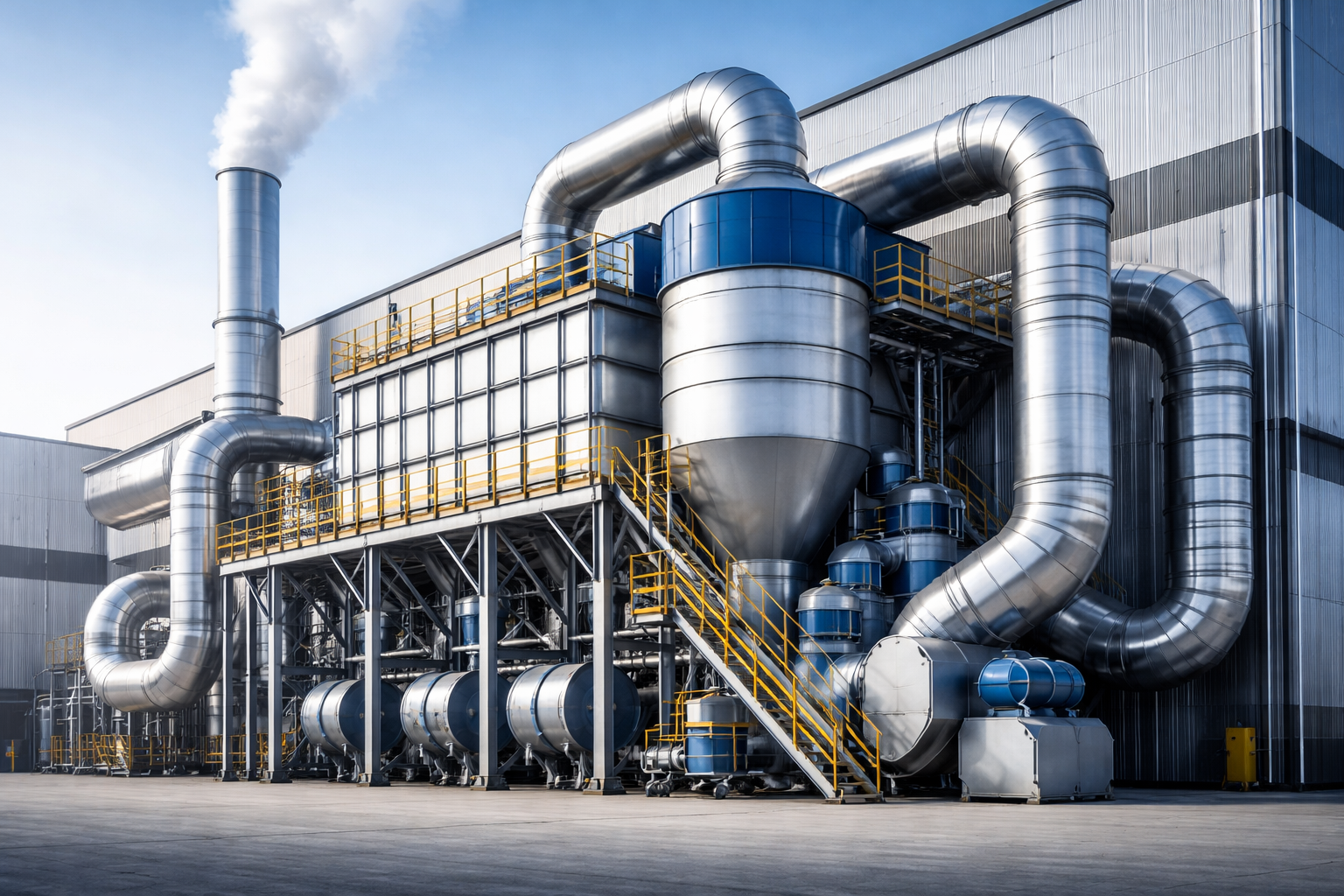
    Sodium Silicate Price Trend Report: Historical Performance, Key Influencing Factors, Trade Analysis, and Price Forecast Through 2030 Sodium silicate is a widely used industrial chemical that most people may not think about in daily life, yet it quietly supports many products and industries. From detergents and paper to construction materials and water treatment, sodium silicate plays an important role. Because it is used so broadly, changes in its price often reflect larger movements in energy costs, raw materials, and overall industrial activity. Understanding the sodium silicate price trend helps businesses plan better and gives insight into how manufacturing markets behave over time. 👉 👉 👉 Please Submit Your Query for Sodium Silicate Price Trend, demand-supply, suppliers, market analysis:https://www.price-watch.ai/book-a-demo/ What Sodium Silicate Is and Why It Matters Sodium silicate is made by combining silica, usually sourced from sand, with sodium carbonate at high temperatures. This process sounds simple, but it relies heavily on energy and stable raw material supply. As a result, the price of sodium silicate is closely linked to the cost of sand, soda ash, fuel, and electricity. When any of these inputs become more expensive or harder to source, the final price of sodium silicate tends to move upward. Industries value sodium silicate for its versatility. It acts as a binder, adhesive, and sealing agent, and it also has useful chemical properties that make it effective in cleaning and protective applications. Because demand comes from many sectors, price trends often show steady movement rather than sudden spikes, unless there is a major disruption. Key Factors Influencing Sodium Silicate Prices One of the most important factors affecting the sodium silicate price trend is energy cost. Manufacturing sodium silicate requires high heat, so fluctuations in fuel and electricity prices directly impact production expenses. When energy prices rise, producers often pass some of that cost along to buyers, leading to gradual price increases. Raw material availability also plays a big role. While sand is generally abundant, the quality required for industrial-grade sodium silicate can vary by region. Transportation costs add another layer, especially when materials or finished products must be moved over long distances. In periods of high fuel prices or logistical challenges, sodium silicate prices tend to feel the pressure. Environmental regulations can also influence pricing. As governments tighten rules around emissions and waste management, producers may need to invest more in cleaner technologies. These investments can raise production costs, which may slowly reflect in the market price. Demand Patterns Across Industries Demand trends strongly shape sodium silicate pricing. Construction and infrastructure projects often boost consumption because sodium silicate is used in cement, concrete treatments, and soil stabilization. When construction activity is strong, demand increases, which can support higher prices. The detergent and cleaning product sector is another steady source of demand. Household and industrial cleaning needs rarely disappear, even during economic slowdowns. This consistent demand helps keep sodium silicate prices relatively stable compared to more volatile chemicals. Paper and pulp manufacturing also rely on sodium silicate, particularly in regions where paper production remains high. Shifts toward digital media have reduced paper use in some areas, but packaging and specialty papers continue to support demand. 👉 👉 👉 Please Submit Your Query for Sodium Silicate Price Trend, demand-supply, suppliers, market analysis:https://www.price-watch.ai/book-a-demo/ About Price Watch™ AI Price-Watch AI is an India-based, independent raw material price reporting agency that provides real-time price forecasts and data-driven insights into global raw material markets. Price-Watch AI specializes in tracking raw material prices, analyzing market trends, and delivering timely updates on plant shutdowns, supply disruptions, capacity expansions, and demand-supply dynamics. The Price-Watch AI platform empowers manufacturers, traders, and procurement professionals to make faster, smarter decisions. Leveraging AI-powered forecasting and over a decade of historical data, Price-Watch AI transforms market volatility into actionable opportunity. Futura Tech Park, C Block, 8th floor 334, Old Mahabalipuram Road, Sholinganallur, Chennai, Tamil Nadu, Pincode - 600119. LinkedIn: https://www.linkedin.com/company/price-watch-ai/ Facebook: https://www.facebook.com/people/Price-Watch/61568490385598/ Twitter: https://x.com/pricewatchai Website: https://www.price-watch.ai/
    0 Comentários 0 Compartilhamentos 940 Visualizações 0 Anterior
  • Comprehensive Analysis of Tetrahydrofuran (THF) Price Trends: Historical Movements, Market Drivers, Supply Chain Dynamics, and Future Forecasts in the Global Chemical Industry

    Tetrahydrofuran, often known as THF, is a widely used chemical solvent that plays an important role in many industries. It is commonly used in making polymers, resins, pharmaceuticals, and synthetic fibers. Because it supports such a wide range of everyday products, the tetrahydrofuran price trend of naturally attracts attention from manufacturers, traders, and buyers. Understanding how and why THF prices change helps businesses plan costs better and reduce uncertainty in their operations.

    Please Submit Your Query for Tetrahydrofuran Price Trend, suppliers, market analysis:https://www.price-watch.ai/book-a-demo/

    What Drives the Tetrahydrofuran Market

    The price trend of tetrahydrofuran is closely linked to how strong the demand is from end-use industries. Sectors like automotive, textiles, packaging, and pharmaceuticals rely heavily on THF-based products. When these industries perform well, the demand for tetrahydrofuran rises, and prices often move upward. On the other hand, when industrial activity slows due to economic pressure or reduced consumer spending, THF demand weakens, leading to softer prices.
    Raw material availability also plays a key role. Tetrahydrofuran is mainly produced using petrochemical-based feedstocks. Any changes in crude oil prices or supply conditions directly influence production costs. When raw material prices rise, manufacturers usually pass on some of that cost to buyers, which reflects in the overall tetrahydrofuran price trend.

    Supply Factors and Production Challenges

    Supply conditions strongly influence how THF prices behave in the market. Production disruptions caused by plant maintenance, unexpected shutdowns, or energy shortages can tighten supply. When supply becomes limited while demand stays stable or increases, prices often move higher. On the other hand, when production runs smoothly and output increases, the market may experience oversupply, which can pull prices down.
    Environmental regulations also affect tetrahydrofuran production. Many regions have strict rules regarding emissions, waste handling, and worker safety. Compliance with these regulations can increase operating costs for producers. Over time, these added costs can influence the long-term price trend of tetrahydrofuran, especially in regions with strong regulatory frameworks.

    Impact of Global Economic Conditions

    The global economy has a strong impact on the tetrahydrofuran price trend. During periods of economic growth, manufacturing activities expand, boosting demand for THF. This usually supports higher prices. In contrast, during economic slowdowns or uncertainty, companies may reduce production or delay projects, which lowers THF consumption and puts pressure on prices.
    Currency movements also play a role, especially in international trade. Since tetrahydrofuran is traded globally, fluctuations in exchange rates can affect import and export costs. A weaker local currency can make imports more expensive, pushing domestic prices higher, while a stronger currency may help keep prices stable or lower.

    Conclusion

    The tetrahydrofuran price trend reflects a combination of demand patterns, raw material costs, supply conditions, and broader economic factors. While prices may rise or fall in the short term, understanding these underlying drivers helps businesses make informed decisions. By keeping an eye on market signals and industry developments, buyers and producers can better manage risks and plan for a more stable future in the tetrahydrofuran market.

    Please Submit Your Query for Tetrahydrofuran Price Trend, suppliers, market analysis:https://www.price-watch.ai/book-a-demo/

    About Price Watch™ AI

    Price-Watch AI is an India-based, independent raw material price reporting agency that provides real-time price forecasts and data-driven insights into global raw material markets. Price-Watch AI specializes in tracking raw material prices, analyzing market trends, and delivering timely updates on plant shutdowns, supply disruptions, capacity expansions, and demand-supply dynamics. The Price-Watch AI platform empowers manufacturers, traders, and procurement professionals to make faster, smarter decisions. Leveraging AI-powered forecasting and over a decade of historical data, Price-Watch AI transforms market volatility into actionable opportunity.

    Futura Tech Park,
    C Block, 8th floor 334,
    Old Mahabalipuram Road,
    Sholinganallur, Chennai,
    Tamil Nadu, Pincode - 600119.

    LinkedIn: https://www.linkedin.com/company/price-watch-ai/
    Facebook: https://www.facebook.com/people/Price-Watch/61568490385598/
    Twitter: https://x.com/pricewatchai
    Website: https://www.price-watch.ai/
    Comprehensive Analysis of Tetrahydrofuran (THF) Price Trends: Historical Movements, Market Drivers, Supply Chain Dynamics, and Future Forecasts in the Global Chemical Industry Tetrahydrofuran, often known as THF, is a widely used chemical solvent that plays an important role in many industries. It is commonly used in making polymers, resins, pharmaceuticals, and synthetic fibers. Because it supports such a wide range of everyday products, the tetrahydrofuran price trend of naturally attracts attention from manufacturers, traders, and buyers. Understanding how and why THF prices change helps businesses plan costs better and reduce uncertainty in their operations. 👉 👉 👉 Please Submit Your Query for Tetrahydrofuran Price Trend, suppliers, market analysis:https://www.price-watch.ai/book-a-demo/ What Drives the Tetrahydrofuran Market The price trend of tetrahydrofuran is closely linked to how strong the demand is from end-use industries. Sectors like automotive, textiles, packaging, and pharmaceuticals rely heavily on THF-based products. When these industries perform well, the demand for tetrahydrofuran rises, and prices often move upward. On the other hand, when industrial activity slows due to economic pressure or reduced consumer spending, THF demand weakens, leading to softer prices. Raw material availability also plays a key role. Tetrahydrofuran is mainly produced using petrochemical-based feedstocks. Any changes in crude oil prices or supply conditions directly influence production costs. When raw material prices rise, manufacturers usually pass on some of that cost to buyers, which reflects in the overall tetrahydrofuran price trend. Supply Factors and Production Challenges Supply conditions strongly influence how THF prices behave in the market. Production disruptions caused by plant maintenance, unexpected shutdowns, or energy shortages can tighten supply. When supply becomes limited while demand stays stable or increases, prices often move higher. On the other hand, when production runs smoothly and output increases, the market may experience oversupply, which can pull prices down. Environmental regulations also affect tetrahydrofuran production. Many regions have strict rules regarding emissions, waste handling, and worker safety. Compliance with these regulations can increase operating costs for producers. Over time, these added costs can influence the long-term price trend of tetrahydrofuran, especially in regions with strong regulatory frameworks. Impact of Global Economic Conditions The global economy has a strong impact on the tetrahydrofuran price trend. During periods of economic growth, manufacturing activities expand, boosting demand for THF. This usually supports higher prices. In contrast, during economic slowdowns or uncertainty, companies may reduce production or delay projects, which lowers THF consumption and puts pressure on prices. Currency movements also play a role, especially in international trade. Since tetrahydrofuran is traded globally, fluctuations in exchange rates can affect import and export costs. A weaker local currency can make imports more expensive, pushing domestic prices higher, while a stronger currency may help keep prices stable or lower. Conclusion The tetrahydrofuran price trend reflects a combination of demand patterns, raw material costs, supply conditions, and broader economic factors. While prices may rise or fall in the short term, understanding these underlying drivers helps businesses make informed decisions. By keeping an eye on market signals and industry developments, buyers and producers can better manage risks and plan for a more stable future in the tetrahydrofuran market. 👉 👉 👉 Please Submit Your Query for Tetrahydrofuran Price Trend, suppliers, market analysis:https://www.price-watch.ai/book-a-demo/ About Price Watch™ AI Price-Watch AI is an India-based, independent raw material price reporting agency that provides real-time price forecasts and data-driven insights into global raw material markets. Price-Watch AI specializes in tracking raw material prices, analyzing market trends, and delivering timely updates on plant shutdowns, supply disruptions, capacity expansions, and demand-supply dynamics. The Price-Watch AI platform empowers manufacturers, traders, and procurement professionals to make faster, smarter decisions. Leveraging AI-powered forecasting and over a decade of historical data, Price-Watch AI transforms market volatility into actionable opportunity. Futura Tech Park, C Block, 8th floor 334, Old Mahabalipuram Road, Sholinganallur, Chennai, Tamil Nadu, Pincode - 600119. LinkedIn: https://www.linkedin.com/company/price-watch-ai/ Facebook: https://www.facebook.com/people/Price-Watch/61568490385598/ Twitter: https://x.com/pricewatchai Website: https://www.price-watch.ai/
    0 Comentários 0 Compartilhamentos 519 Visualizações 0 Anterior
  • Tree Pod Burial: A Green Way to Say Goodbye

    Looking for a funeral option that’s gentle on the planet and leaves a lasting legacy? Tree Pod Burial is a modern, eco-friendly alternative to traditional burials and cremation. Instead of a coffin, the body is placed in a biodegradable pod buried under a tree sapling. Over time, the tree grows, creating a living memorial.

    How It Works

    The body is placed in a natural, biodegradable pod.

    A tree sapling is planted above the pod.

    As the body decomposes, it nourishes the tree and soil, turning the resting place into a thriving ecosystem.

    Why Choose Tree Pod Burial?

    https://insurefinalexpense.com/tree-pod-burial/

    Eco-Friendly: No embalming chemicals, metal caskets, or concrete vaults.

    Affordable: Often cheaper than traditional funerals.

    Emotional Comfort: Watching a tree grow creates a meaningful connection.

    Customizable: Pick your tree species or burial site to honor your loved one uniquely.

    Tree Pod Burial vs. Traditional Funerals

    Traditional burials = chemical use + high cost.

    Cremation = carbon emissions.

    Tree Pod Burial = sustainable, affordable, and a living legacy.

    Who Should Consider It?

    Perfect for eco-conscious families, green burial advocates, and anyone wanting a symbolic, nature-friendly farewell.

    FAQs

    Q: Is it legal everywhere?
    A: Check local and state regulations; many green cemeteries allow it.

    Q: How long for the tree to grow?
    A: Depends on species, soil, and climate—generally a few years for a thriving sapling.

    Q: Can I personalize it?
    A: Absolutely! Choose your tree, burial spot, and even natural markers.
    🌳 Tree Pod Burial: A Green Way to Say Goodbye Looking for a funeral option that’s gentle on the planet and leaves a lasting legacy? Tree Pod Burial is a modern, eco-friendly alternative to traditional burials and cremation. Instead of a coffin, the body is placed in a biodegradable pod buried under a tree sapling. Over time, the tree grows, creating a living memorial. 🌱 How It Works The body is placed in a natural, biodegradable pod. A tree sapling is planted above the pod. As the body decomposes, it nourishes the tree and soil, turning the resting place into a thriving ecosystem. Why Choose Tree Pod Burial? https://insurefinalexpense.com/tree-pod-burial/ Eco-Friendly: No embalming chemicals, metal caskets, or concrete vaults. Affordable: Often cheaper than traditional funerals. Emotional Comfort: Watching a tree grow creates a meaningful connection. Customizable: Pick your tree species or burial site to honor your loved one uniquely. Tree Pod Burial vs. Traditional Funerals Traditional burials = chemical use + high cost. Cremation = carbon emissions. Tree Pod Burial = sustainable, affordable, and a living legacy. Who Should Consider It? Perfect for eco-conscious families, green burial advocates, and anyone wanting a symbolic, nature-friendly farewell. 🌳💚 FAQs Q: Is it legal everywhere? A: Check local and state regulations; many green cemeteries allow it. Q: How long for the tree to grow? A: Depends on species, soil, and climate—generally a few years for a thriving sapling. Q: Can I personalize it? A: Absolutely! Choose your tree, burial spot, and even natural markers.
    INSUREFINALEXPENSE.COM
    Tree Pod Burial: Eco-Friendly Memorial & Living Trees
    Discover tree pod burial, an eco-friendly way to honor loved ones. Learn about tree burial pods, costs, types, and how a memorial tree grows naturally.
    0 Comentários 0 Compartilhamentos 353 Visualizações 0 Anterior
Patrocinado
Patrocinado