• Global Methyl N-Amyl Ketone Price Trend Report: Analysis of Pricing Fluctuations, Key Market Drivers, Raw Material Cost Inputs, and Strategic Insights for Producers and Buyers

    Methyl N-Amyl Ketone Price Trend is a chemical solvent that quietly plays an important role in many everyday industries. It is commonly used in coatings, adhesives, inks, and cleaning applications, especially where slow evaporation and strong solvency are needed. Because it sits within the broader chemical and solvent market, its price trend usually reflects a mix of raw material costs, industrial demand, supply chain conditions, and overall economic movement. Understanding the Methyl N-Amyl Ketone price trend does not require technical expertise; it can be viewed through simple market behavior and common business experience.

    Please Submit Your Query for Methyl N-Amyl Ketone Price Trend, demand-supply, suppliers, market analysis:https://www.price-watch.ai/book-a-demo/

    Market Basics Behind Methyl N-Amyl Ketone Prices

    At its core, the price of Methyl N-Amyl Ketone is shaped by how much it costs to produce and how much buyers are willing to pay. Production depends heavily on petrochemical-based raw materials, which means crude oil prices often have an indirect but noticeable influence. When oil prices rise, chemical manufacturers usually face higher input costs, and this pressure often moves downstream into solvent pricing. On the other hand, when energy and feedstock prices are stable or declining, Methyl N-Amyl Ketone prices tend to soften or move sideways.
    Manufacturing scale also matters. This chemical is not produced in the same volumes as some widely used solvents, so smaller production runs can make prices more sensitive to changes in demand or supply disruptions. Even a modest change in factory output or maintenance shutdowns can influence market availability and pricing.

    Demand Patterns and Industrial Usage Impact

    Demand is another strong driver in the Methyl N-Amyl Ketone price trend. Industries such as paints and coatings are among the biggest consumers, and their performance often reflects construction activity, automotive production, and infrastructure development. When these sectors are growing, demand for solvents increases, pushing prices upward. During slower economic periods, manufacturers may reduce production, leading to softer demand and more stable or lower prices.
    Seasonal demand can also be seen in some regions. For example, construction and industrial painting activities may slow during extreme weather conditions, temporarily easing demand. These short-term demand shifts often cause minor price fluctuations rather than dramatic changes, but they still contribute to the overall trend.

    Role of Supply Chains and Logistics

    Supply chain conditions have become increasingly important in recent years. Transportation costs, port congestion, and availability of shipping containers can all affect the final market price of Methyl N-Amyl Ketone. Even when production costs remain stable, higher logistics expenses can push prices upward for buyers.
    Regional availability plays a role as well. Some markets rely on imports, making them more exposed to global trade disruptions and currency fluctuations. When local currency weakens against major trading currencies, import costs rise, and prices often follow. In contrast, regions with domestic production tend to see more stable pricing unless raw material costs change sharply.

    Please Submit Your Query for Methyl N-Amyl Ketone Price Trend, demand-supply, suppliers, market analysis:https://www.price-watch.ai/book-a-demo/

    About Price Watch™ AI

    Price-Watch AI is an India-based, independent raw material price reporting agency that provides real-time price forecasts and data-driven insights into global raw material markets. Price-Watch AI specializes in tracking raw material prices, analyzing market trends, and delivering timely updates on plant shutdowns, supply disruptions, capacity expansions, and demand-supply dynamics. The Price-Watch AI platform empowers manufacturers, traders, and procurement professionals to make faster, smarter decisions. Leveraging AI-powered forecasting and over a decade of historical data, Price-Watch AI transforms market volatility into actionable opportunity.

    Futura Tech Park,
    C Block, 8th floor 334,
    Old Mahabalipuram Road,
    Sholinganallur, Chennai,
    Tamil Nadu, Pincode - 600119.

    LinkedIn: https://www.linkedin.com/company/price-watch-ai/
    Facebook: https://www.facebook.com/people/Price-Watch/61568490385598/
    Twitter: https://x.com/pricewatchai
    Website: https://www.price-watch.ai/

    Global Methyl N-Amyl Ketone Price Trend Report: Analysis of Pricing Fluctuations, Key Market Drivers, Raw Material Cost Inputs, and Strategic Insights for Producers and Buyers Methyl N-Amyl Ketone Price Trend is a chemical solvent that quietly plays an important role in many everyday industries. It is commonly used in coatings, adhesives, inks, and cleaning applications, especially where slow evaporation and strong solvency are needed. Because it sits within the broader chemical and solvent market, its price trend usually reflects a mix of raw material costs, industrial demand, supply chain conditions, and overall economic movement. Understanding the Methyl N-Amyl Ketone price trend does not require technical expertise; it can be viewed through simple market behavior and common business experience. 👉 👉 👉 Please Submit Your Query for Methyl N-Amyl Ketone Price Trend, demand-supply, suppliers, market analysis:https://www.price-watch.ai/book-a-demo/ Market Basics Behind Methyl N-Amyl Ketone Prices At its core, the price of Methyl N-Amyl Ketone is shaped by how much it costs to produce and how much buyers are willing to pay. Production depends heavily on petrochemical-based raw materials, which means crude oil prices often have an indirect but noticeable influence. When oil prices rise, chemical manufacturers usually face higher input costs, and this pressure often moves downstream into solvent pricing. On the other hand, when energy and feedstock prices are stable or declining, Methyl N-Amyl Ketone prices tend to soften or move sideways. Manufacturing scale also matters. This chemical is not produced in the same volumes as some widely used solvents, so smaller production runs can make prices more sensitive to changes in demand or supply disruptions. Even a modest change in factory output or maintenance shutdowns can influence market availability and pricing. Demand Patterns and Industrial Usage Impact Demand is another strong driver in the Methyl N-Amyl Ketone price trend. Industries such as paints and coatings are among the biggest consumers, and their performance often reflects construction activity, automotive production, and infrastructure development. When these sectors are growing, demand for solvents increases, pushing prices upward. During slower economic periods, manufacturers may reduce production, leading to softer demand and more stable or lower prices. Seasonal demand can also be seen in some regions. For example, construction and industrial painting activities may slow during extreme weather conditions, temporarily easing demand. These short-term demand shifts often cause minor price fluctuations rather than dramatic changes, but they still contribute to the overall trend. Role of Supply Chains and Logistics Supply chain conditions have become increasingly important in recent years. Transportation costs, port congestion, and availability of shipping containers can all affect the final market price of Methyl N-Amyl Ketone. Even when production costs remain stable, higher logistics expenses can push prices upward for buyers. Regional availability plays a role as well. Some markets rely on imports, making them more exposed to global trade disruptions and currency fluctuations. When local currency weakens against major trading currencies, import costs rise, and prices often follow. In contrast, regions with domestic production tend to see more stable pricing unless raw material costs change sharply. 👉 👉 👉 Please Submit Your Query for Methyl N-Amyl Ketone Price Trend, demand-supply, suppliers, market analysis:https://www.price-watch.ai/book-a-demo/ About Price Watch™ AI Price-Watch AI is an India-based, independent raw material price reporting agency that provides real-time price forecasts and data-driven insights into global raw material markets. Price-Watch AI specializes in tracking raw material prices, analyzing market trends, and delivering timely updates on plant shutdowns, supply disruptions, capacity expansions, and demand-supply dynamics. The Price-Watch AI platform empowers manufacturers, traders, and procurement professionals to make faster, smarter decisions. Leveraging AI-powered forecasting and over a decade of historical data, Price-Watch AI transforms market volatility into actionable opportunity. Futura Tech Park, C Block, 8th floor 334, Old Mahabalipuram Road, Sholinganallur, Chennai, Tamil Nadu, Pincode - 600119. LinkedIn: https://www.linkedin.com/company/price-watch-ai/ Facebook: https://www.facebook.com/people/Price-Watch/61568490385598/ Twitter: https://x.com/pricewatchai Website: https://www.price-watch.ai/

    0 Commentarios 0 Acciones 289 Views 0 Vista previa
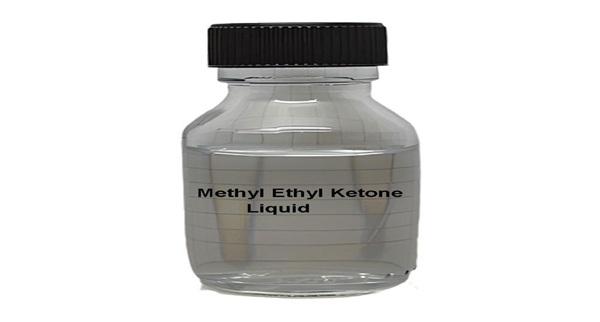
  • Petroleum Resin Price Trend Analysis: Market Insights, Key Influencing Factors, Regional Price Movements, Demand–Supply Dynamics, and Future Outlook Across Global Industries

    The petroleum resin price trend has become an important topic for many industries that rely on this versatile material. Petroleum resins are widely used in adhesives, rubber compounding, paints, coatings, inks, and road marking applications. Because these resins are derived from petroleum-based feedstocks, their prices often move in line with changes in the energy market and overall industrial demand. Over time, buyers and suppliers have noticed that petroleum resin prices rarely remain stable for long periods. Instead, they reflect a mix of raw material costs, market demand, and broader economic conditions.

    Please Submit Your Query for Petroleum Resin Price Trend, demand-supply, suppliers, market analysis:https://www.price-watch.ai/book-a-demo/

    Factors Influencing Petroleum Resin Prices

    One of the biggest factors affecting petroleum resin price trends is the cost of raw materials. Petroleum resins are produced from hydrocarbon fractions obtained during crude oil refining or steam cracking processes. When crude oil prices rise, production costs usually increase, leading to higher petroleum resin prices. On the other hand, when oil prices soften, resin manufacturers may have room to offer more competitive pricing, provided other costs remain under control.
    Energy and transportation costs also play a key role. Petroleum resin production requires consistent energy input, and fluctuations in fuel or electricity prices can directly affect manufacturing expenses. In addition, since resins are shipped in bulk to different regions, logistics costs such as freight rates and fuel surcharges influence the final market price. Any disruption in transportation, such as port congestion or fuel shortages, can add pressure to petroleum resin prices.

    Demand Patterns Across End-Use Industries

    Demand from key end-use industries strongly shapes the petroleum resin price trend. Adhesives and sealants are among the largest consumers of petroleum resins. When construction activity, packaging demand, or automotive production increases, the need for adhesives rises, supporting higher resin demand and firmer prices. Similarly, growth in road construction and infrastructure projects boosts demand for resins used in road marking paints and coatings.
    Seasonal demand also has an impact. For example, construction and road marking activities often slow down during extreme weather conditions and pick up during more favorable seasons. This creates periods of higher and lower demand throughout the year, which can cause short-term price movements. Buyers often notice price firmness during peak seasons and relatively softer prices when demand eases.

    Regional Market Dynamics

    Petroleum resin price trends can vary from region to region. In areas with strong refining capacity and easy access to raw materials, prices may be more stable. Regions that rely heavily on imports can experience more volatility due to currency fluctuations, trade policies, and shipping costs. Exchange rates are especially important in international trade, as a weaker local currency can make imported petroleum resins more expensive even if global prices remain unchanged.
    Local regulations and environmental policies also influence regional pricing. Stricter environmental norms can increase compliance and production costs for manufacturers, which may be passed on to buyers. In contrast, regions with supportive industrial policies and stable supply chains may see relatively balanced price movements over time.

    Please Submit Your Query for Petroleum Resin Price Trend, demand-supply, suppliers, market analysis:https://www.price-watch.ai/book-a-demo/

    About Price Watch™ AI

    Price-Watch AI is an India-based, independent raw material price reporting agency that provides real-time price forecasts and data-driven insights into global raw material markets. Price-Watch AI specializes in tracking raw material prices, analyzing market trends, and delivering timely updates on plant shutdowns, supply disruptions, capacity expansions, and demand-supply dynamics. The Price-Watch AI platform empowers manufacturers, traders, and procurement professionals to make faster, smarter decisions. Leveraging AI-powered forecasting and over a decade of historical data, Price-Watch AI transforms market volatility into actionable opportunity.

    Futura Tech Park,
    C Block, 8th floor 334,
    Old Mahabalipuram Road,
    Sholinganallur, Chennai,
    Tamil Nadu, Pincode - 600119.

    LinkedIn: https://www.linkedin.com/company/price-watch-ai/
    Facebook: https://www.facebook.com/people/Price-Watch/61568490385598/
    Twitter: https://x.com/pricewatchai
    Website: https://www.price-watch.ai/

    Petroleum Resin Price Trend Analysis: Market Insights, Key Influencing Factors, Regional Price Movements, Demand–Supply Dynamics, and Future Outlook Across Global Industries The petroleum resin price trend has become an important topic for many industries that rely on this versatile material. Petroleum resins are widely used in adhesives, rubber compounding, paints, coatings, inks, and road marking applications. Because these resins are derived from petroleum-based feedstocks, their prices often move in line with changes in the energy market and overall industrial demand. Over time, buyers and suppliers have noticed that petroleum resin prices rarely remain stable for long periods. Instead, they reflect a mix of raw material costs, market demand, and broader economic conditions. 👉 👉 👉 Please Submit Your Query for Petroleum Resin Price Trend, demand-supply, suppliers, market analysis:https://www.price-watch.ai/book-a-demo/ Factors Influencing Petroleum Resin Prices One of the biggest factors affecting petroleum resin price trends is the cost of raw materials. Petroleum resins are produced from hydrocarbon fractions obtained during crude oil refining or steam cracking processes. When crude oil prices rise, production costs usually increase, leading to higher petroleum resin prices. On the other hand, when oil prices soften, resin manufacturers may have room to offer more competitive pricing, provided other costs remain under control. Energy and transportation costs also play a key role. Petroleum resin production requires consistent energy input, and fluctuations in fuel or electricity prices can directly affect manufacturing expenses. In addition, since resins are shipped in bulk to different regions, logistics costs such as freight rates and fuel surcharges influence the final market price. Any disruption in transportation, such as port congestion or fuel shortages, can add pressure to petroleum resin prices. Demand Patterns Across End-Use Industries Demand from key end-use industries strongly shapes the petroleum resin price trend. Adhesives and sealants are among the largest consumers of petroleum resins. When construction activity, packaging demand, or automotive production increases, the need for adhesives rises, supporting higher resin demand and firmer prices. Similarly, growth in road construction and infrastructure projects boosts demand for resins used in road marking paints and coatings. Seasonal demand also has an impact. For example, construction and road marking activities often slow down during extreme weather conditions and pick up during more favorable seasons. This creates periods of higher and lower demand throughout the year, which can cause short-term price movements. Buyers often notice price firmness during peak seasons and relatively softer prices when demand eases. Regional Market Dynamics Petroleum resin price trends can vary from region to region. In areas with strong refining capacity and easy access to raw materials, prices may be more stable. Regions that rely heavily on imports can experience more volatility due to currency fluctuations, trade policies, and shipping costs. Exchange rates are especially important in international trade, as a weaker local currency can make imported petroleum resins more expensive even if global prices remain unchanged. Local regulations and environmental policies also influence regional pricing. Stricter environmental norms can increase compliance and production costs for manufacturers, which may be passed on to buyers. In contrast, regions with supportive industrial policies and stable supply chains may see relatively balanced price movements over time. 👉 👉 👉 Please Submit Your Query for Petroleum Resin Price Trend, demand-supply, suppliers, market analysis:https://www.price-watch.ai/book-a-demo/ About Price Watch™ AI Price-Watch AI is an India-based, independent raw material price reporting agency that provides real-time price forecasts and data-driven insights into global raw material markets. Price-Watch AI specializes in tracking raw material prices, analyzing market trends, and delivering timely updates on plant shutdowns, supply disruptions, capacity expansions, and demand-supply dynamics. The Price-Watch AI platform empowers manufacturers, traders, and procurement professionals to make faster, smarter decisions. Leveraging AI-powered forecasting and over a decade of historical data, Price-Watch AI transforms market volatility into actionable opportunity. Futura Tech Park, C Block, 8th floor 334, Old Mahabalipuram Road, Sholinganallur, Chennai, Tamil Nadu, Pincode - 600119. LinkedIn: https://www.linkedin.com/company/price-watch-ai/ Facebook: https://www.facebook.com/people/Price-Watch/61568490385598/ Twitter: https://x.com/pricewatchai Website: https://www.price-watch.ai/
    0 Commentarios 0 Acciones 133 Views 0 Vista previa
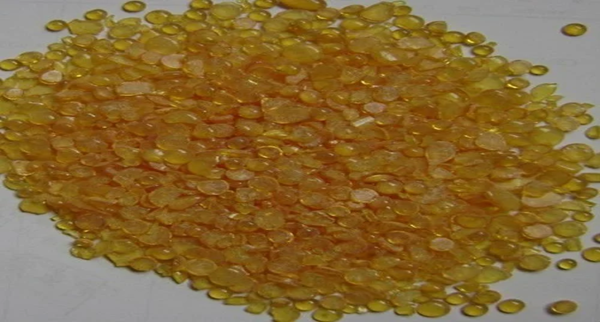
  • Global Phthalic Anhydride Price Trend Report: Long-Term Historical Data, Key Industry Drivers, Economic Impacts, and Projections for the Next Decade

    Phthalic anhydride is a widely used industrial chemical that plays an important role in everyday products, even though most people never hear its name. It is mainly used in the production of plasticizers, resins, paints, coatings, and some pharmaceuticals. Because of its close connection to construction, automotive, and consumer goods industries, the phthalic anhydride price trend often reflects broader movements in the economy. Over time, prices tend to move in response to demand patterns, raw material costs, energy prices, and overall market sentiment.
    In simple terms, when industries that depend on plastics and coatings are active, demand for phthalic anhydride rises, and prices usually follow. When economic activity slows down, prices often soften. This natural push and pull makes the price trend an interesting indicator of industrial health.

    Please Submit Your Query for Phthalic Anhydride Price Trend, demand-supply, suppliers, market analysis:https://www.price-watch.ai/book-a-demo/

    Key Factors Influencing Phthalic Anhydride Prices

    One of the most important factors affecting the phthalic anhydride price trend is the cost of raw materials. Phthalic anhydride is primarily produced from ortho-xylene or naphthalene, both of which are derived from crude oil or coal processing. When crude oil prices rise, the cost of producing these feedstocks increases, which often leads to higher phthalic anhydride prices. On the other hand, when oil prices fall or remain stable, manufacturers may experience some relief in production costs.
    Energy prices also play a significant role. The manufacturing process requires heat and electricity, so changes in fuel and power costs directly impact overall production expenses. In regions where energy prices are volatile, phthalic anhydride prices can fluctuate more frequently. This is especially noticeable during periods of global energy shortages or sudden fuel price spikes.
    Demand from end-use industries is another major driver. Construction activity, for example, strongly influences demand because phthalic anhydride is used in PVC products, flooring, and coatings. When construction projects increase, especially in developing economies, demand rises and prices often strengthen. Conversely, during periods of slower construction or reduced industrial output, prices may face downward pressure.

    Regional and Seasonal Market Behavior

    The phthalic anhydride price trend can vary from one region to another. In areas with strong manufacturing bases and steady infrastructure development, demand tends to remain consistent. This often leads to relatively stable pricing, with gradual increases over time. In contrast, regions that rely heavily on imports may see sharper price movements due to logistics costs, currency fluctuations, and supply chain disruptions.
    Seasonal patterns also influence prices. For example, construction activity usually slows during extreme weather conditions, such as harsh winters or heavy monsoon seasons. During these periods, demand for related products may dip slightly, which can affect phthalic anhydride prices. When activity resumes in more favorable seasons, demand often picks up again, supporting price recovery.
    Supply-side factors cannot be ignored either. Planned maintenance shutdowns, unexpected plant outages, or environmental regulations can temporarily reduce supply. When supply tightens while demand remains steady, prices tend to rise. On the other hand, when new production capacity comes online, the market may experience temporary oversupply, leading to softer prices.

    Please Submit Your Query for Phthalic Anhydride Price Trend, demand-supply, suppliers, market analysis:https://www.price-watch.ai/book-a-demo/

    About Price Watch™ AI

    Price-Watch AI is an India-based, independent raw material price reporting agency that provides real-time price forecasts and data-driven insights into global raw material markets. Price-Watch AI specializes in tracking raw material prices, analyzing market trends, and delivering timely updates on plant shutdowns, supply disruptions, capacity expansions, and demand-supply dynamics. The Price-Watch AI platform empowers manufacturers, traders, and procurement professionals to make faster, smarter decisions. Leveraging AI-powered forecasting and over a decade of historical data, Price-Watch AI transforms market volatility into actionable opportunity.

    Futura Tech Park,
    C Block, 8th floor 334,
    Old Mahabalipuram Road,
    Sholinganallur, Chennai,
    Tamil Nadu, Pincode - 600119.

    LinkedIn: https://www.linkedin.com/company/price-watch-ai/
    Facebook: https://www.facebook.com/people/Price-Watch/61568490385598/
    Twitter: https://x.com/pricewatchai
    Website: https://www.price-watch.ai/
    Global Phthalic Anhydride Price Trend Report: Long-Term Historical Data, Key Industry Drivers, Economic Impacts, and Projections for the Next Decade Phthalic anhydride is a widely used industrial chemical that plays an important role in everyday products, even though most people never hear its name. It is mainly used in the production of plasticizers, resins, paints, coatings, and some pharmaceuticals. Because of its close connection to construction, automotive, and consumer goods industries, the phthalic anhydride price trend often reflects broader movements in the economy. Over time, prices tend to move in response to demand patterns, raw material costs, energy prices, and overall market sentiment. In simple terms, when industries that depend on plastics and coatings are active, demand for phthalic anhydride rises, and prices usually follow. When economic activity slows down, prices often soften. This natural push and pull makes the price trend an interesting indicator of industrial health. 👉 👉 👉 Please Submit Your Query for Phthalic Anhydride Price Trend, demand-supply, suppliers, market analysis:https://www.price-watch.ai/book-a-demo/ Key Factors Influencing Phthalic Anhydride Prices One of the most important factors affecting the phthalic anhydride price trend is the cost of raw materials. Phthalic anhydride is primarily produced from ortho-xylene or naphthalene, both of which are derived from crude oil or coal processing. When crude oil prices rise, the cost of producing these feedstocks increases, which often leads to higher phthalic anhydride prices. On the other hand, when oil prices fall or remain stable, manufacturers may experience some relief in production costs. Energy prices also play a significant role. The manufacturing process requires heat and electricity, so changes in fuel and power costs directly impact overall production expenses. In regions where energy prices are volatile, phthalic anhydride prices can fluctuate more frequently. This is especially noticeable during periods of global energy shortages or sudden fuel price spikes. Demand from end-use industries is another major driver. Construction activity, for example, strongly influences demand because phthalic anhydride is used in PVC products, flooring, and coatings. When construction projects increase, especially in developing economies, demand rises and prices often strengthen. Conversely, during periods of slower construction or reduced industrial output, prices may face downward pressure. Regional and Seasonal Market Behavior The phthalic anhydride price trend can vary from one region to another. In areas with strong manufacturing bases and steady infrastructure development, demand tends to remain consistent. This often leads to relatively stable pricing, with gradual increases over time. In contrast, regions that rely heavily on imports may see sharper price movements due to logistics costs, currency fluctuations, and supply chain disruptions. Seasonal patterns also influence prices. For example, construction activity usually slows during extreme weather conditions, such as harsh winters or heavy monsoon seasons. During these periods, demand for related products may dip slightly, which can affect phthalic anhydride prices. When activity resumes in more favorable seasons, demand often picks up again, supporting price recovery. Supply-side factors cannot be ignored either. Planned maintenance shutdowns, unexpected plant outages, or environmental regulations can temporarily reduce supply. When supply tightens while demand remains steady, prices tend to rise. On the other hand, when new production capacity comes online, the market may experience temporary oversupply, leading to softer prices. 👉 👉 👉 Please Submit Your Query for Phthalic Anhydride Price Trend, demand-supply, suppliers, market analysis:https://www.price-watch.ai/book-a-demo/ About Price Watch™ AI Price-Watch AI is an India-based, independent raw material price reporting agency that provides real-time price forecasts and data-driven insights into global raw material markets. Price-Watch AI specializes in tracking raw material prices, analyzing market trends, and delivering timely updates on plant shutdowns, supply disruptions, capacity expansions, and demand-supply dynamics. The Price-Watch AI platform empowers manufacturers, traders, and procurement professionals to make faster, smarter decisions. Leveraging AI-powered forecasting and over a decade of historical data, Price-Watch AI transforms market volatility into actionable opportunity. Futura Tech Park, C Block, 8th floor 334, Old Mahabalipuram Road, Sholinganallur, Chennai, Tamil Nadu, Pincode - 600119. LinkedIn: https://www.linkedin.com/company/price-watch-ai/ Facebook: https://www.facebook.com/people/Price-Watch/61568490385598/ Twitter: https://x.com/pricewatchai Website: https://www.price-watch.ai/
    0 Commentarios 0 Acciones 485 Views 0 Vista previa
  • U Drain Manufacturers
    Sri Ganapathy Pavers Is a Leading U Drain Manufacturers. We specialize in crafting efficient drainage solutions for various applications. These adept artisans meticulously design and produce U-shaped channels, renowned for their versatility and effectiveness in managing water flow. Their products range from residential gutter systems to heavy-duty industrial drains, tailored to withstand diverse environmental challenges. These manufacturers use cutting-edge technology and durable materials to ensure their drains are resilient against corrosion, erosion, and extreme weather conditions. With a keen focus on functionality and aesthetics, they offer an array of designs and finishes seamlessly integrating with any architectural style. Committed to quality and innovation, Concrete U-drain manufacturers play a crucial role in safeguarding infrastructure and enhancing the sustainability of urban landscapes worldwide.

    https://www.sriganapathypavers.com/u-drain.php
    U Drain Manufacturers Sri Ganapathy Pavers Is a Leading U Drain Manufacturers. We specialize in crafting efficient drainage solutions for various applications. These adept artisans meticulously design and produce U-shaped channels, renowned for their versatility and effectiveness in managing water flow. Their products range from residential gutter systems to heavy-duty industrial drains, tailored to withstand diverse environmental challenges. These manufacturers use cutting-edge technology and durable materials to ensure their drains are resilient against corrosion, erosion, and extreme weather conditions. With a keen focus on functionality and aesthetics, they offer an array of designs and finishes seamlessly integrating with any architectural style. Committed to quality and innovation, Concrete U-drain manufacturers play a crucial role in safeguarding infrastructure and enhancing the sustainability of urban landscapes worldwide. https://www.sriganapathypavers.com/u-drain.php
    WWW.SRIGANAPATHYPAVERS.COM
    Precast U Drain Manufacturers in Tamil Nadu
    Manufacturers and Suppliers of U Drain. We Offer a Concrete U Shape Drain with a Compact Layout That Can Be Used in Commercial & Residential Areas.
    0 Commentarios 0 Acciones 394 Views 0 Vista previa
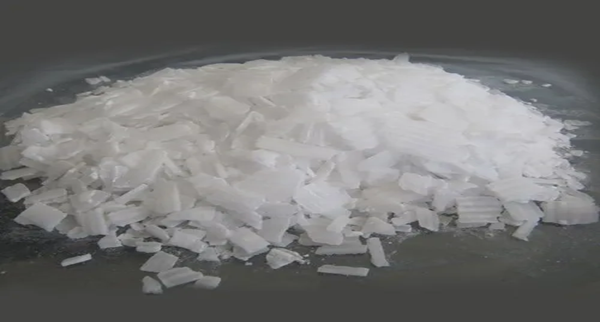
  • Propylene Oxide Price Trend Report: Historical Movements, Current Market Fluctuations, Key Influencers, and Future Outlook for the Petrochemical Industry

    The propylene oxide price trend has become an important topic for many industries because this chemical plays a key role in everyday products. From furniture and mattresses to car interiors and packaging, propylene oxide is used to make polyols, which later turn into polyurethane foams. Because it is so closely linked to daily life and industrial activity, changes in its price often reflect wider market conditions. Understanding this trend does not require deep technical knowledge; it can be explained through general experience and common market behavior.

    Please Submit Your Query for Propylene Oxide Price Trend demand-supply, suppliers, market analysis:https://www.price-watch.ai/book-a-demo/

    What Is Propylene Oxide and Why It Matters

    Propylene oxide is a basic industrial chemical mainly used as an intermediate rather than a finished product. Most people may not recognize its name, but they interact with products made from it every day. Since it is widely used, any change in its availability or cost can affect multiple sectors at once. This wide usage makes the propylene oxide price trend sensitive to supply chain movements, raw material costs, and overall economic health.

    Role of Raw Materials in Price Movement

    One of the biggest factors influencing the propylene oxide price trend is the cost of raw materials. Propylene, which is derived from crude oil or natural gas, is the primary input. When energy prices rise, the cost of producing propylene usually increases. This extra cost often passes through the value chain, eventually affecting propylene oxide prices. In times when oil prices are unstable, propylene oxide prices also tend to fluctuate, showing how closely they are connected.

    Impact of Supply and Production Conditions

    Production capacity and plant operations strongly influence the propylene oxide price trend. When production runs smoothly and supply is balanced with demand, prices generally remain stable. However, if factories face shutdowns due to maintenance, technical issues, or unexpected events, supply tightens. Even short-term disruptions can cause noticeable price increases because many industries rely on steady deliveries. On the other hand, when new production facilities start operating, prices may soften due to higher availability.

    Demand from Key End-Use Industries

    Demand patterns play a major role in shaping the propylene oxide price trend. Construction, automotive, furniture, and appliance manufacturing are some of the largest consumers. During periods of economic growth, these industries usually expand, leading to higher demand for polyurethane-based products. This increased demand often pushes propylene oxide prices upward. In contrast, during slow economic periods or reduced consumer spending, demand drops, and prices may decline or stabilize at lower levels.

    Influence of Seasonal and Regional Factors

    Seasonal trends can also affect the propylene oxide price trend. For example, construction activity often slows during extreme weather conditions, which can reduce short-term demand. Regional differences matter as well. Prices may vary depending on local production capacity, import dependence, and transportation costs. Regions with strong domestic manufacturing may experience more stable pricing, while areas relying heavily on imports can see sharper price movements due to logistics or trade issues.

    Please Submit Your Query for Propylene Oxide Price Trend demand-supply, suppliers, market analysis:https://www.price-watch.ai/book-a-demo/

    About Price Watch™ AI

    Price-Watch AI is an India-based, independent raw material price reporting agency that provides real-time price forecasts and data-driven insights into global raw material markets. Price-Watch AI specializes in tracking raw material prices, analyzing market trends, and delivering timely updates on plant shutdowns, supply disruptions, capacity expansions, and demand-supply dynamics. The Price-Watch AI platform empowers manufacturers, traders, and procurement professionals to make faster, smarter decisions. Leveraging AI-powered forecasting and over a decade of historical data, Price-Watch AI transforms market volatility into actionable opportunity.

    Futura Tech Park,
    C Block, 8th floor 334,
    Old Mahabalipuram Road,
    Sholinganallur, Chennai,
    Tamil Nadu, Pincode - 600119.

    LinkedIn: https://www.linkedin.com/company/price-watch-ai/
    Facebook: https://www.facebook.com/people/Price-Watch/61568490385598/
    Twitter: https://x.com/pricewatchai
    Website: https://www.price-watch.ai/

    Propylene Oxide Price Trend Report: Historical Movements, Current Market Fluctuations, Key Influencers, and Future Outlook for the Petrochemical Industry The propylene oxide price trend has become an important topic for many industries because this chemical plays a key role in everyday products. From furniture and mattresses to car interiors and packaging, propylene oxide is used to make polyols, which later turn into polyurethane foams. Because it is so closely linked to daily life and industrial activity, changes in its price often reflect wider market conditions. Understanding this trend does not require deep technical knowledge; it can be explained through general experience and common market behavior. 👉 👉 👉 Please Submit Your Query for Propylene Oxide Price Trend demand-supply, suppliers, market analysis:https://www.price-watch.ai/book-a-demo/ What Is Propylene Oxide and Why It Matters Propylene oxide is a basic industrial chemical mainly used as an intermediate rather than a finished product. Most people may not recognize its name, but they interact with products made from it every day. Since it is widely used, any change in its availability or cost can affect multiple sectors at once. This wide usage makes the propylene oxide price trend sensitive to supply chain movements, raw material costs, and overall economic health. Role of Raw Materials in Price Movement One of the biggest factors influencing the propylene oxide price trend is the cost of raw materials. Propylene, which is derived from crude oil or natural gas, is the primary input. When energy prices rise, the cost of producing propylene usually increases. This extra cost often passes through the value chain, eventually affecting propylene oxide prices. In times when oil prices are unstable, propylene oxide prices also tend to fluctuate, showing how closely they are connected. Impact of Supply and Production Conditions Production capacity and plant operations strongly influence the propylene oxide price trend. When production runs smoothly and supply is balanced with demand, prices generally remain stable. However, if factories face shutdowns due to maintenance, technical issues, or unexpected events, supply tightens. Even short-term disruptions can cause noticeable price increases because many industries rely on steady deliveries. On the other hand, when new production facilities start operating, prices may soften due to higher availability. Demand from Key End-Use Industries Demand patterns play a major role in shaping the propylene oxide price trend. Construction, automotive, furniture, and appliance manufacturing are some of the largest consumers. During periods of economic growth, these industries usually expand, leading to higher demand for polyurethane-based products. This increased demand often pushes propylene oxide prices upward. In contrast, during slow economic periods or reduced consumer spending, demand drops, and prices may decline or stabilize at lower levels. Influence of Seasonal and Regional Factors Seasonal trends can also affect the propylene oxide price trend. For example, construction activity often slows during extreme weather conditions, which can reduce short-term demand. Regional differences matter as well. Prices may vary depending on local production capacity, import dependence, and transportation costs. Regions with strong domestic manufacturing may experience more stable pricing, while areas relying heavily on imports can see sharper price movements due to logistics or trade issues. 👉 👉 👉 Please Submit Your Query for Propylene Oxide Price Trend demand-supply, suppliers, market analysis:https://www.price-watch.ai/book-a-demo/ About Price Watch™ AI Price-Watch AI is an India-based, independent raw material price reporting agency that provides real-time price forecasts and data-driven insights into global raw material markets. Price-Watch AI specializes in tracking raw material prices, analyzing market trends, and delivering timely updates on plant shutdowns, supply disruptions, capacity expansions, and demand-supply dynamics. The Price-Watch AI platform empowers manufacturers, traders, and procurement professionals to make faster, smarter decisions. Leveraging AI-powered forecasting and over a decade of historical data, Price-Watch AI transforms market volatility into actionable opportunity. Futura Tech Park, C Block, 8th floor 334, Old Mahabalipuram Road, Sholinganallur, Chennai, Tamil Nadu, Pincode - 600119. LinkedIn: https://www.linkedin.com/company/price-watch-ai/ Facebook: https://www.facebook.com/people/Price-Watch/61568490385598/ Twitter: https://x.com/pricewatchai Website: https://www.price-watch.ai/

    0 Commentarios 0 Acciones 494 Views 0 Vista previa
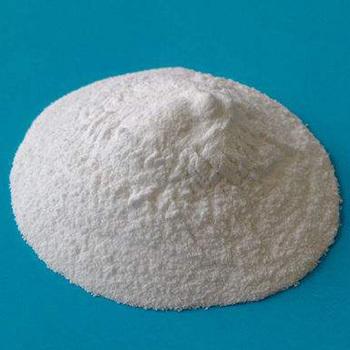
  • VAE Redispersible Powder Price Trend: Comprehensive Historical Trajectory, Current Market Assessment, and Future Outlook

    VAE redispersible powder is widely used in construction materials such as tile adhesives, wall putty, self-leveling compounds, and repair mortars. It helps improve bonding strength, flexibility, and durability, making it an essential component in modern construction practices. Over the years, the demand for this powder has grown steadily due to rising infrastructure development and renovation activities. As demand grows, the VAE redispersible powder price trend has become an important topic for manufacturers, contractors, and suppliers who rely on stable pricing for planning and budgeting.

    Please Submit Your Query for VAE Redispersible Powder Price Trend, demand-supply, suppliers, market analysis:https://www.price-watch.ai/book-a-demo/

    Understanding the Basics of VAE Redispersible Powder Pricing

    The price of VAE redispersible powder is influenced by several interconnected factors. At a basic level, raw material costs play a major role. Vinyl acetate monomer and ethylene, which are key inputs, are closely linked to petrochemical markets. When crude oil prices fluctuate, the cost of these raw materials often moves in the same direction. This direct connection makes the VAE redispersible powder price trend sensitive to energy market changes.
    Production costs also matter. Manufacturing this powder requires specialized equipment, controlled processing conditions, and energy-intensive operations. Any rise in electricity, fuel, or labor costs can reflect quickly in market prices. Transportation expenses further add to the final cost, especially since construction chemicals are often shipped in bulk across regions.

    Demand Patterns Shaping the VAE Redispersible Powder Price Trend

    Demand from the construction sector is one of the strongest drivers of price movement. During periods of strong construction activity, especially in residential and commercial projects, consumption increases rapidly. This higher demand often pushes prices upward, particularly when supply struggles to keep pace.
    Seasonal demand also affects the VAE redispersible powder price trend. Construction activity usually slows during extreme weather conditions such as heavy monsoons or harsh winters in some regions. During these periods, demand may soften, leading to stable or slightly lower prices. Conversely, peak construction seasons often bring higher demand and firmer pricing.

    Supply Chain Factors and Their Impact on Pricing

    Supply-side dynamics play an equally important role in shaping the VAE redispersible powder price trend. Production capacity, plant maintenance schedules, and unexpected shutdowns can limit availability. When supply tightens, even modest demand can push prices higher.
    Logistics and shipping conditions also influence price stability. Delays at ports, container shortages, or rising freight rates can disrupt supply chains and increase landed costs. In recent years, global supply chain disruptions have highlighted how sensitive chemical prices can be to logistical challenges, and VAE redispersible powder is no exception.

    Conclusion

    The VAE redispersible powder price trend reflects a complex mix of raw material costs, energy prices, construction demand, supply chain conditions, and regional market factors. While short-term fluctuations are common, the long-term outlook remains supported by steady growth in the construction sector. For buyers and suppliers alike, understanding these underlying factors helps in making informed decisions and managing costs more effectively in a changing market environment.

    Please Submit Your Query for VAE Redispersible Powder Price Trend, demand-supply, suppliers, market analysis:https://www.price-watch.ai/book-a-demo/

    About Price Watch™ AI

    Price-Watch AI is an India-based, independent raw material price reporting agency that provides real-time price forecasts and data-driven insights into global raw material markets. Price-Watch AI specializes in tracking raw material prices, analyzing market trends, and delivering timely updates on plant shutdowns, supply disruptions, capacity expansions, and demand-supply dynamics. The Price-Watch AI platform empowers manufacturers, traders, and procurement professionals to make faster, smarter decisions. Leveraging AI-powered forecasting and over a decade of historical data, Price-Watch AI transforms market volatility into actionable opportunity.

    Futura Tech Park,
    C Block, 8th floor 334,
    Old Mahabalipuram Road,
    Sholinganallur, Chennai,
    Tamil Nadu, Pincode - 600119.

    LinkedIn: https://www.linkedin.com/company/price-watch-ai/
    Facebook: https://www.facebook.com/people/Price-Watch/61568490385598/
    Twitter: https://x.com/pricewatchai
    Website: https://www.price-watch.ai/
    VAE Redispersible Powder Price Trend: Comprehensive Historical Trajectory, Current Market Assessment, and Future Outlook VAE redispersible powder is widely used in construction materials such as tile adhesives, wall putty, self-leveling compounds, and repair mortars. It helps improve bonding strength, flexibility, and durability, making it an essential component in modern construction practices. Over the years, the demand for this powder has grown steadily due to rising infrastructure development and renovation activities. As demand grows, the VAE redispersible powder price trend has become an important topic for manufacturers, contractors, and suppliers who rely on stable pricing for planning and budgeting. 👉 👉 👉 Please Submit Your Query for VAE Redispersible Powder Price Trend, demand-supply, suppliers, market analysis:https://www.price-watch.ai/book-a-demo/ Understanding the Basics of VAE Redispersible Powder Pricing The price of VAE redispersible powder is influenced by several interconnected factors. At a basic level, raw material costs play a major role. Vinyl acetate monomer and ethylene, which are key inputs, are closely linked to petrochemical markets. When crude oil prices fluctuate, the cost of these raw materials often moves in the same direction. This direct connection makes the VAE redispersible powder price trend sensitive to energy market changes. Production costs also matter. Manufacturing this powder requires specialized equipment, controlled processing conditions, and energy-intensive operations. Any rise in electricity, fuel, or labor costs can reflect quickly in market prices. Transportation expenses further add to the final cost, especially since construction chemicals are often shipped in bulk across regions. Demand Patterns Shaping the VAE Redispersible Powder Price Trend Demand from the construction sector is one of the strongest drivers of price movement. During periods of strong construction activity, especially in residential and commercial projects, consumption increases rapidly. This higher demand often pushes prices upward, particularly when supply struggles to keep pace. Seasonal demand also affects the VAE redispersible powder price trend. Construction activity usually slows during extreme weather conditions such as heavy monsoons or harsh winters in some regions. During these periods, demand may soften, leading to stable or slightly lower prices. Conversely, peak construction seasons often bring higher demand and firmer pricing. Supply Chain Factors and Their Impact on Pricing Supply-side dynamics play an equally important role in shaping the VAE redispersible powder price trend. Production capacity, plant maintenance schedules, and unexpected shutdowns can limit availability. When supply tightens, even modest demand can push prices higher. Logistics and shipping conditions also influence price stability. Delays at ports, container shortages, or rising freight rates can disrupt supply chains and increase landed costs. In recent years, global supply chain disruptions have highlighted how sensitive chemical prices can be to logistical challenges, and VAE redispersible powder is no exception. Conclusion The VAE redispersible powder price trend reflects a complex mix of raw material costs, energy prices, construction demand, supply chain conditions, and regional market factors. While short-term fluctuations are common, the long-term outlook remains supported by steady growth in the construction sector. For buyers and suppliers alike, understanding these underlying factors helps in making informed decisions and managing costs more effectively in a changing market environment. 👉 👉 👉 Please Submit Your Query for VAE Redispersible Powder Price Trend, demand-supply, suppliers, market analysis:https://www.price-watch.ai/book-a-demo/ About Price Watch™ AI Price-Watch AI is an India-based, independent raw material price reporting agency that provides real-time price forecasts and data-driven insights into global raw material markets. Price-Watch AI specializes in tracking raw material prices, analyzing market trends, and delivering timely updates on plant shutdowns, supply disruptions, capacity expansions, and demand-supply dynamics. The Price-Watch AI platform empowers manufacturers, traders, and procurement professionals to make faster, smarter decisions. Leveraging AI-powered forecasting and over a decade of historical data, Price-Watch AI transforms market volatility into actionable opportunity. Futura Tech Park, C Block, 8th floor 334, Old Mahabalipuram Road, Sholinganallur, Chennai, Tamil Nadu, Pincode - 600119. LinkedIn: https://www.linkedin.com/company/price-watch-ai/ Facebook: https://www.facebook.com/people/Price-Watch/61568490385598/ Twitter: https://x.com/pricewatchai Website: https://www.price-watch.ai/
    0 Commentarios 0 Acciones 707 Views 0 Vista previa
Patrocinados
Patrocinados