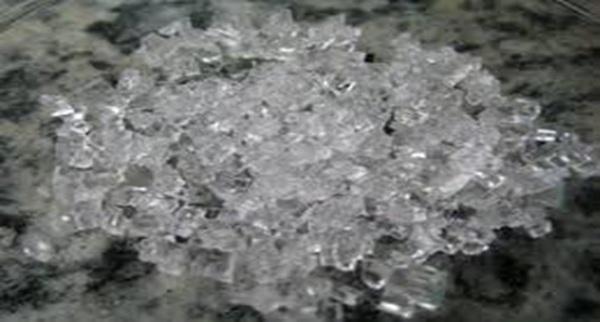
• Sodium Nitrate Price Trend Analysis: A Detailed Evaluation of Historical Data, Current Market Conditions, and Predictive Insights for Stakeholders in Agriculture, Manufacturing, and Chemical Industries

    Sodium nitrate is a widely used chemical that plays an important role in many everyday industries. It is commonly used in fertilizers, food preservation, pharmaceuticals, explosives, and even in some industrial cleaning processes. Because it connects to agriculture, manufacturing, and food supply chains, changes in its price often reflect larger economic and market movements. The sodium nitrate price trend is shaped by a mix of raw material costs, supply availability, seasonal demand, and global trade conditions.

    Please Submit Your Query for Sodium Nitrate Price Trend, demand-supply, suppliers, market analysis:https://www.price-watch.ai/book-a-demo/

    What Influences Sodium Nitrate Prices

    The price of sodium nitrate does not move randomly. One of the biggest influences is the cost of raw materials and energy. Producing sodium nitrate requires energy-intensive processes, so when fuel or electricity prices rise, production costs usually go up as well. These higher costs often pass down the supply chain and show up as increased market prices.
    Another major factor is demand from agriculture. Sodium nitrate is widely used as a nitrogen source in fertilizers, especially in regions that rely on fast-acting nutrients for crops. During planting seasons, demand tends to rise, which can push prices upward. When farming activity slows down, prices may stabilize or soften due to lower consumption.

    Role of Supply and Production Capacity

    Supply availability plays a key role in shaping the sodium nitrate price trend. Production is often concentrated in specific regions with access to natural deposits or established chemical manufacturing infrastructure. If production plants face shutdowns, maintenance issues, or environmental restrictions, supply can tighten. When supply is limited and demand remains steady, prices usually increase.
    On the other hand, when production runs smoothly and inventories are well-stocked, the market experiences price stability. In some cases, excess supply can even lead to price corrections as sellers compete to move their stock. This balance between supply and demand keeps sodium nitrate prices in constant motion.

    Impact of Global Trade and Logistics

    Global trade conditions strongly affect sodium nitrate pricing. Since many countries depend on imports to meet their demand, shipping costs and trade policies matter a lot. When freight rates rise due to fuel price increases or port congestion, the landed cost of sodium nitrate also increases. This is often reflected in higher local prices.
    Trade regulations, tariffs, and export restrictions can further influence the sodium nitrate price trend. Any disruption in international trade routes, whether due to geopolitical tensions or logistical challenges, can reduce supply in importing regions and push prices upward.

    Seasonal Patterns in Sodium Nitrate Pricing

    Seasonality is another important aspect of sodium nitrate pricing. Demand typically increases during peak agricultural seasons when farmers prepare fields and apply fertilizers. This seasonal spike in demand often results in short-term price increases. During off-seasons, when agricultural activity slows, prices may become more stable or slightly lower.
    Weather conditions also play a role. Unpredictable rainfall or extended droughts can change fertilizer usage patterns, indirectly affecting sodium nitrate demand and prices. These seasonal shifts make the sodium nitrate price trend more dynamic throughout the year.

    Please Submit Your Query for Sodium Nitrate Price Trend, demand-supply, suppliers, market analysis:https://www.price-watch.ai/book-a-demo/

    About Price Watch™ AI

    Price-Watch AI is an India-based, independent raw material price reporting agency that provides real-time price forecasts and data-driven insights into global raw material markets. Price-Watch AI specializes in tracking raw material prices, analyzing market trends, and delivering timely updates on plant shutdowns, supply disruptions, capacity expansions, and demand-supply dynamics. The Price-Watch AI platform empowers manufacturers, traders, and procurement professionals to make faster, smarter decisions. Leveraging AI-powered forecasting and over a decade of historical data, Price-Watch AI transforms market volatility into actionable opportunity.

    Futura Tech Park,
    C Block, 8th floor 334,
    Old Mahabalipuram Road,
    Sholinganallur, Chennai,
    Tamil Nadu, Pincode - 600119.

    LinkedIn: https://www.linkedin.com/company/price-watch-ai/
    Facebook: https://www.facebook.com/people/Price-Watch/61568490385598/
    Twitter: https://x.com/pricewatchai
    Website: https://www.price-watch.ai/

    Sodium Nitrate Price Trend Analysis: A Detailed Evaluation of Historical Data, Current Market Conditions, and Predictive Insights for Stakeholders in Agriculture, Manufacturing, and Chemical Industries Sodium nitrate is a widely used chemical that plays an important role in many everyday industries. It is commonly used in fertilizers, food preservation, pharmaceuticals, explosives, and even in some industrial cleaning processes. Because it connects to agriculture, manufacturing, and food supply chains, changes in its price often reflect larger economic and market movements. The sodium nitrate price trend is shaped by a mix of raw material costs, supply availability, seasonal demand, and global trade conditions. 👉 👉 👉 Please Submit Your Query for Sodium Nitrate Price Trend, demand-supply, suppliers, market analysis:https://www.price-watch.ai/book-a-demo/ What Influences Sodium Nitrate Prices The price of sodium nitrate does not move randomly. One of the biggest influences is the cost of raw materials and energy. Producing sodium nitrate requires energy-intensive processes, so when fuel or electricity prices rise, production costs usually go up as well. These higher costs often pass down the supply chain and show up as increased market prices. Another major factor is demand from agriculture. Sodium nitrate is widely used as a nitrogen source in fertilizers, especially in regions that rely on fast-acting nutrients for crops. During planting seasons, demand tends to rise, which can push prices upward. When farming activity slows down, prices may stabilize or soften due to lower consumption. Role of Supply and Production Capacity Supply availability plays a key role in shaping the sodium nitrate price trend. Production is often concentrated in specific regions with access to natural deposits or established chemical manufacturing infrastructure. If production plants face shutdowns, maintenance issues, or environmental restrictions, supply can tighten. When supply is limited and demand remains steady, prices usually increase. On the other hand, when production runs smoothly and inventories are well-stocked, the market experiences price stability. In some cases, excess supply can even lead to price corrections as sellers compete to move their stock. This balance between supply and demand keeps sodium nitrate prices in constant motion. Impact of Global Trade and Logistics Global trade conditions strongly affect sodium nitrate pricing. Since many countries depend on imports to meet their demand, shipping costs and trade policies matter a lot. When freight rates rise due to fuel price increases or port congestion, the landed cost of sodium nitrate also increases. This is often reflected in higher local prices. Trade regulations, tariffs, and export restrictions can further influence the sodium nitrate price trend. Any disruption in international trade routes, whether due to geopolitical tensions or logistical challenges, can reduce supply in importing regions and push prices upward. Seasonal Patterns in Sodium Nitrate Pricing Seasonality is another important aspect of sodium nitrate pricing. Demand typically increases during peak agricultural seasons when farmers prepare fields and apply fertilizers. This seasonal spike in demand often results in short-term price increases. During off-seasons, when agricultural activity slows, prices may become more stable or slightly lower. Weather conditions also play a role. Unpredictable rainfall or extended droughts can change fertilizer usage patterns, indirectly affecting sodium nitrate demand and prices. These seasonal shifts make the sodium nitrate price trend more dynamic throughout the year. 👉 👉 👉 Please Submit Your Query for Sodium Nitrate Price Trend, demand-supply, suppliers, market analysis:https://www.price-watch.ai/book-a-demo/ About Price Watch™ AI Price-Watch AI is an India-based, independent raw material price reporting agency that provides real-time price forecasts and data-driven insights into global raw material markets. Price-Watch AI specializes in tracking raw material prices, analyzing market trends, and delivering timely updates on plant shutdowns, supply disruptions, capacity expansions, and demand-supply dynamics. The Price-Watch AI platform empowers manufacturers, traders, and procurement professionals to make faster, smarter decisions. Leveraging AI-powered forecasting and over a decade of historical data, Price-Watch AI transforms market volatility into actionable opportunity. Futura Tech Park, C Block, 8th floor 334, Old Mahabalipuram Road, Sholinganallur, Chennai, Tamil Nadu, Pincode - 600119. LinkedIn: https://www.linkedin.com/company/price-watch-ai/ Facebook: https://www.facebook.com/people/Price-Watch/61568490385598/ Twitter: https://x.com/pricewatchai Website: https://www.price-watch.ai/

    0 Commenti 0 condivisioni 499 Views 0 Anteprima
  • Benzoic Acid Price Trend: Market Movement, Demand Patterns, and Cost Influences

    The Benzoic Acid Price Trend has always been closely linked with everyday industrial activity and consumer demand. Benzoic acid is widely used in food preservation, pharmaceuticals, personal care products, and chemical manufacturing.

    Read More- https://www.price-watch.ai/benzoic-acid-prices/
    Benzoic Acid Price Trend: Market Movement, Demand Patterns, and Cost Influences The Benzoic Acid Price Trend has always been closely linked with everyday industrial activity and consumer demand. Benzoic acid is widely used in food preservation, pharmaceuticals, personal care products, and chemical manufacturing. Read More- https://www.price-watch.ai/benzoic-acid-prices/
    0 Commenti 0 condivisioni 260 Views 0 Anteprima
  • Moisture Control in Packaging: Clay Desiccant Bag Market Value to Soar by Nearly 50% by 2030

    Clay Desiccant Bag market, valued at USD 428.7 million in 2023, is projected to grow at a CAGR of 5.8%, reaching approximately USD 632.9 million by 2030. This sustained growth is driven by increasing demand across pharmaceutical packaging, electronics, and food preservation industries where moisture control remains critical for product integrity.
    Clay desiccant bags continue to dominate the moisture absorbers segment due to their cost-effectiveness, non-toxic properties, and high adsorption capacity. With manufacturers increasingly adopting sustainable packaging solutions, innovations in biodegradable clay desiccants and reusable systems are gaining traction across developed markets.
    Download FREE Sample Report: https://www.24chemicalresearch.com/download-sample/276236/global-clay-desiccant-bag-market-2024-91
    Market Overview & Regional Analysis
    North America holds 35% of global clay desiccant bag revenue, propelled by stringent pharmaceutical packaging regulations and advanced food processing standards. The region's market maturity is reflected in product innovations, including indicator desiccants that change color upon moisture saturation.
    Asia-Pacific emerges as the fastest-growing market, with China accounting for 42% of regional demand. Rapid industrialization, expanding electronics manufacturing, and growing middle-class consumption are driving growth. While Europe maintains steady demand through its automotive and chemical sectors, Latin America shows untapped potential in agricultural exports requiring moisture-controlled packaging.
    Key Market Drivers and Opportunities
    The market benefits from three converging trends: stricter pharmaceutical packaging guidelines under USP <797> regulations, growth in temperature-sensitive biologics transportation, and expanding e-commerce logistics requiring moisture protection. Electronics manufacturers now account for 28% of desiccant demand due to sensitivity of components during shipping and storage.
    Emerging opportunities include development of antimicrobial clay desiccants for medical applications and smart desiccants with IoT-enabled moisture monitoring. The food sector's shift toward extended shelf-life products presents another growth avenue, particularly in developing economies improving their cold chain infrastructure.
    Challenges & Restraints
    Volatility in raw material prices for montmorillonite clay - the primary desiccant material - continues to pressure margins. Environmental concerns regarding disposable desiccant bags are prompting regulatory scrutiny in the EU, where Extended Producer Responsibility (EPR) laws may impact single-use systems.
    The market faces competition from silica gel alternatives in high-value applications, though clay maintains cost advantages for bulk usage. Logistics constraints in emerging markets and inconsistent quality standards in price-sensitive regions remain persistent challenges for manufacturers.
    Market Segmentation by Type
    Less than 20 Grams
    21 to 100 Grams
    101 to 200 Grams
    201 to 500 Grams
    Above 500 Grams
    Download FREE Sample Report: https://www.24chemicalresearch.com/download-sample/276236/global-clay-desiccant-bag-market-2024-91
    Market Segmentation by Application
    Electronic & Electric Equipment
    Medical Devices
    Pharmaceuticals
    Automotive Components
    Food
    Other
    Market Segmentation and Key Players
    Impak Corporation
    Desiccare
    GeeJay Chemicals
    Flow Dry Technology
    International Plastics
    Clariant AG
    Sorbead India
    Steel City Desiccants
    Desiccant Packaging
    W. R. Grace & Co.
    BASF SE
    Multisorb Technologies
    Oker-Chemie
    Sinchem Silica Gel
    Adsilco
    Report Scope
    This comprehensive market analysis covers the global clay desiccant bag industry from 2024 to 2030, providing detailed insights into:
    Market size estimations and growth projections
    Application-specific demand analysis
    Regional market dynamics and growth hotspots
    The report includes extensive competitor analysis featuring:
    Production capacity and market share data
    Product portfolio comparisons
    Strategic initiatives and expansion plans
    Pricing strategies by region and application
    Our research methodology combined primary interviews with industry leaders and quantitative analysis of import/export data, regulatory frameworks, and technological advancements impacting the sector.
    Get Full Report Here: https://www.24chemicalresearch.com/reports/276236/global-clay-desiccant-bag-market-2024-91


    #ClayDesiccantBags #MoistureControl #PackagingMarket #Pharmaceuticals #ElectronicsIndustry #SustainablePackaging #CAGR #NorthAmericaMarket #AsiaPacificGrowth #FoodPreservation #MarketDrivers #IndustrialPackaging
    Moisture Control in Packaging: Clay Desiccant Bag Market Value to Soar by Nearly 50% by 2030 Clay Desiccant Bag market, valued at USD 428.7 million in 2023, is projected to grow at a CAGR of 5.8%, reaching approximately USD 632.9 million by 2030. This sustained growth is driven by increasing demand across pharmaceutical packaging, electronics, and food preservation industries where moisture control remains critical for product integrity. Clay desiccant bags continue to dominate the moisture absorbers segment due to their cost-effectiveness, non-toxic properties, and high adsorption capacity. With manufacturers increasingly adopting sustainable packaging solutions, innovations in biodegradable clay desiccants and reusable systems are gaining traction across developed markets. Download FREE Sample Report: https://www.24chemicalresearch.com/download-sample/276236/global-clay-desiccant-bag-market-2024-91 Market Overview & Regional Analysis North America holds 35% of global clay desiccant bag revenue, propelled by stringent pharmaceutical packaging regulations and advanced food processing standards. The region's market maturity is reflected in product innovations, including indicator desiccants that change color upon moisture saturation. Asia-Pacific emerges as the fastest-growing market, with China accounting for 42% of regional demand. Rapid industrialization, expanding electronics manufacturing, and growing middle-class consumption are driving growth. While Europe maintains steady demand through its automotive and chemical sectors, Latin America shows untapped potential in agricultural exports requiring moisture-controlled packaging. Key Market Drivers and Opportunities The market benefits from three converging trends: stricter pharmaceutical packaging guidelines under USP <797> regulations, growth in temperature-sensitive biologics transportation, and expanding e-commerce logistics requiring moisture protection. Electronics manufacturers now account for 28% of desiccant demand due to sensitivity of components during shipping and storage. Emerging opportunities include development of antimicrobial clay desiccants for medical applications and smart desiccants with IoT-enabled moisture monitoring. The food sector's shift toward extended shelf-life products presents another growth avenue, particularly in developing economies improving their cold chain infrastructure. Challenges & Restraints Volatility in raw material prices for montmorillonite clay - the primary desiccant material - continues to pressure margins. Environmental concerns regarding disposable desiccant bags are prompting regulatory scrutiny in the EU, where Extended Producer Responsibility (EPR) laws may impact single-use systems. The market faces competition from silica gel alternatives in high-value applications, though clay maintains cost advantages for bulk usage. Logistics constraints in emerging markets and inconsistent quality standards in price-sensitive regions remain persistent challenges for manufacturers. Market Segmentation by Type Less than 20 Grams 21 to 100 Grams 101 to 200 Grams 201 to 500 Grams Above 500 Grams Download FREE Sample Report: https://www.24chemicalresearch.com/download-sample/276236/global-clay-desiccant-bag-market-2024-91 Market Segmentation by Application Electronic & Electric Equipment Medical Devices Pharmaceuticals Automotive Components Food Other Market Segmentation and Key Players Impak Corporation Desiccare GeeJay Chemicals Flow Dry Technology International Plastics Clariant AG Sorbead India Steel City Desiccants Desiccant Packaging W. R. Grace & Co. BASF SE Multisorb Technologies Oker-Chemie Sinchem Silica Gel Adsilco Report Scope This comprehensive market analysis covers the global clay desiccant bag industry from 2024 to 2030, providing detailed insights into: Market size estimations and growth projections Application-specific demand analysis Regional market dynamics and growth hotspots The report includes extensive competitor analysis featuring: Production capacity and market share data Product portfolio comparisons Strategic initiatives and expansion plans Pricing strategies by region and application Our research methodology combined primary interviews with industry leaders and quantitative analysis of import/export data, regulatory frameworks, and technological advancements impacting the sector. Get Full Report Here: https://www.24chemicalresearch.com/reports/276236/global-clay-desiccant-bag-market-2024-91 #ClayDesiccantBags #MoistureControl #PackagingMarket #Pharmaceuticals #ElectronicsIndustry #SustainablePackaging #CAGR #NorthAmericaMarket #AsiaPacificGrowth #FoodPreservation #MarketDrivers #IndustrialPackaging
    0 Commenti 0 condivisioni 3K Views 0 Anteprima
Sponsorizzato
Sponsorizzato