• Global Copper Plate Price Trend: Insights from Q3 2025

    The Copper Plate Price Trend in Q3 2025 has shown an interesting mix of fluctuations across the globe, reflecting the balance between supply constraints and varying demand in key industries. Overall, copper plate prices experienced slight increases in some regions, while other areas saw small declines. These movements are influenced by factors such as industrial activity, construction demand, environmental regulations, and global supply chain dynamics.

    Read More: https://www.price-watch.ai/copper-plate-prices/
    Global Copper Plate Price Trend: Insights from Q3 2025 The Copper Plate Price Trend in Q3 2025 has shown an interesting mix of fluctuations across the globe, reflecting the balance between supply constraints and varying demand in key industries. Overall, copper plate prices experienced slight increases in some regions, while other areas saw small declines. These movements are influenced by factors such as industrial activity, construction demand, environmental regulations, and global supply chain dynamics. Read More: https://www.price-watch.ai/copper-plate-prices/
    0 Commentarios 0 Acciones 89 Views 0 Vista previa
  • Monoethanolamine (MEA) Price Trend & Market Dynamics: Impact of Raw Material Costs, Industrial Demand Shifts, and Global Supply Chain Influences

    Monoethanolamine Price Trend commonly known as MEA, is a chemical used in many everyday industries, from gas treatment and detergents to pharmaceuticals and agriculture. Because it plays such a practical role, its price trend is closely watched by manufacturers, buyers, and traders. Over time, the monoethanolamine price trend has shown noticeable ups and downs, mainly influenced by raw material costs, energy prices, supply conditions, and overall market demand.
    In simple terms, monoethanolamine prices move much like other industrial chemicals. When production becomes expensive or supply tightens, prices rise. When raw materials are easily available and demand slows, prices soften. Understanding this trend does not require deep technical knowledge; it mostly reflects common market behavior.

    Please Submit Your Query for Monoethanolamine Price Trend, demand-supply, suppliers, market analysis:https://www.price-watch.ai/book-a-demo/

    Factors Influencing Monoethanolamine Price Trend

    One of the biggest drivers of the monoethanolamine price trend is the cost of raw materials. Monoethanolamine is produced using ethylene oxide and ammonia, both of which are sensitive to changes in crude oil and natural gas prices. When energy costs increase, production expenses go up, and manufacturers often pass these costs on to buyers.
    Another important factor is demand from key industries. Gas processing, especially for removing acidic gases, uses a large amount of monoethanolamine. When oil and gas activity rises, demand for MEA increases, pushing prices upward. Similarly, the personal care and cleaning product industries also impact pricing, especially during periods of high consumer demand.
    Supply chain conditions also play a role. Any disruption such as plant shutdowns, maintenance work, transportation delays, or trade restrictions can affect availability. Even short-term supply issues can cause price fluctuations, especially in regions that rely heavily on imports.

    Regional Impact on Monoethanolamine Pricing

    The monoethanolamine price trend can differ across regions due to local production capacity and demand patterns. In regions with strong chemical manufacturing bases, prices tend to be more stable as supply is readily available. On the other hand, areas dependent on imports may see sharper price changes due to shipping costs and currency fluctuations.
    Economic conditions in different regions also influence pricing. For example, industrial growth in developing economies often leads to higher consumption of monoethanolamine, which can tighten supply and raise prices. In contrast, slower industrial activity in mature markets may keep prices under pressure.
    Government policies, environmental regulations, and energy pricing policies also affect regional price trends. Stricter environmental rules can increase production costs, while subsidies or relaxed regulations may help keep prices steady.

    Conclusion

    The monoethanolamine price trend reflects simple economic principles of supply, demand, and production cost. Influenced by raw materials, energy prices, industrial demand, and regional factors, MEA prices naturally rise and fall over time. While short-term fluctuations are common, the long-term trend remains relatively stable, supported by consistent demand across multiple industries. Understanding these everyday factors makes it easier to follow and anticipate changes in the monoethanolamine market without relying on complex analysis.

    Please Submit Your Query for Monoethanolamine Price Trend, demand-supply, suppliers, market analysis:https://www.price-watch.ai/book-a-demo/

    About Price Watch™ AI

    Price-Watch AI is an India-based, independent raw material price reporting agency that provides real-time price forecasts and data-driven insights into global raw material markets. Price-Watch AI specializes in tracking raw material prices, analyzing market trends, and delivering timely updates on plant shutdowns, supply disruptions, capacity expansions, and demand-supply dynamics. The Price-Watch AI platform empowers manufacturers, traders, and procurement professionals to make faster, smarter decisions. Leveraging AI-powered forecasting and over a decade of historical data, Price-Watch AI transforms market volatility into actionable opportunity.

    Futura Tech Park,
    C Block, 8th floor 334,
    Old Mahabalipuram Road,
    Sholinganallur, Chennai,
    Tamil Nadu, Pincode - 600119.

    LinkedIn: https://www.linkedin.com/company/price-watch-ai/
    Facebook: https://www.facebook.com/people/Price-Watch/61568490385598/
    Twitter: https://x.com/pricewatchai
    Website: https://www.price-watch.ai/

    Monoethanolamine (MEA) Price Trend & Market Dynamics: Impact of Raw Material Costs, Industrial Demand Shifts, and Global Supply Chain Influences Monoethanolamine Price Trend commonly known as MEA, is a chemical used in many everyday industries, from gas treatment and detergents to pharmaceuticals and agriculture. Because it plays such a practical role, its price trend is closely watched by manufacturers, buyers, and traders. Over time, the monoethanolamine price trend has shown noticeable ups and downs, mainly influenced by raw material costs, energy prices, supply conditions, and overall market demand. In simple terms, monoethanolamine prices move much like other industrial chemicals. When production becomes expensive or supply tightens, prices rise. When raw materials are easily available and demand slows, prices soften. Understanding this trend does not require deep technical knowledge; it mostly reflects common market behavior. 👉 👉 👉 Please Submit Your Query for Monoethanolamine Price Trend, demand-supply, suppliers, market analysis:https://www.price-watch.ai/book-a-demo/ Factors Influencing Monoethanolamine Price Trend One of the biggest drivers of the monoethanolamine price trend is the cost of raw materials. Monoethanolamine is produced using ethylene oxide and ammonia, both of which are sensitive to changes in crude oil and natural gas prices. When energy costs increase, production expenses go up, and manufacturers often pass these costs on to buyers. Another important factor is demand from key industries. Gas processing, especially for removing acidic gases, uses a large amount of monoethanolamine. When oil and gas activity rises, demand for MEA increases, pushing prices upward. Similarly, the personal care and cleaning product industries also impact pricing, especially during periods of high consumer demand. Supply chain conditions also play a role. Any disruption such as plant shutdowns, maintenance work, transportation delays, or trade restrictions can affect availability. Even short-term supply issues can cause price fluctuations, especially in regions that rely heavily on imports. Regional Impact on Monoethanolamine Pricing The monoethanolamine price trend can differ across regions due to local production capacity and demand patterns. In regions with strong chemical manufacturing bases, prices tend to be more stable as supply is readily available. On the other hand, areas dependent on imports may see sharper price changes due to shipping costs and currency fluctuations. Economic conditions in different regions also influence pricing. For example, industrial growth in developing economies often leads to higher consumption of monoethanolamine, which can tighten supply and raise prices. In contrast, slower industrial activity in mature markets may keep prices under pressure. Government policies, environmental regulations, and energy pricing policies also affect regional price trends. Stricter environmental rules can increase production costs, while subsidies or relaxed regulations may help keep prices steady. Conclusion The monoethanolamine price trend reflects simple economic principles of supply, demand, and production cost. Influenced by raw materials, energy prices, industrial demand, and regional factors, MEA prices naturally rise and fall over time. While short-term fluctuations are common, the long-term trend remains relatively stable, supported by consistent demand across multiple industries. Understanding these everyday factors makes it easier to follow and anticipate changes in the monoethanolamine market without relying on complex analysis. 👉 👉 👉 Please Submit Your Query for Monoethanolamine Price Trend, demand-supply, suppliers, market analysis:https://www.price-watch.ai/book-a-demo/ About Price Watch™ AI Price-Watch AI is an India-based, independent raw material price reporting agency that provides real-time price forecasts and data-driven insights into global raw material markets. Price-Watch AI specializes in tracking raw material prices, analyzing market trends, and delivering timely updates on plant shutdowns, supply disruptions, capacity expansions, and demand-supply dynamics. The Price-Watch AI platform empowers manufacturers, traders, and procurement professionals to make faster, smarter decisions. Leveraging AI-powered forecasting and over a decade of historical data, Price-Watch AI transforms market volatility into actionable opportunity. Futura Tech Park, C Block, 8th floor 334, Old Mahabalipuram Road, Sholinganallur, Chennai, Tamil Nadu, Pincode - 600119. LinkedIn: https://www.linkedin.com/company/price-watch-ai/ Facebook: https://www.facebook.com/people/Price-Watch/61568490385598/ Twitter: https://x.com/pricewatchai Website: https://www.price-watch.ai/

    0 Commentarios 0 Acciones 273 Views 0 Vista previa
  • Long-Term Propylene Glycol Price Trends and Market Drivers: Analysis of Global Supply Chain, Raw Material Costs, and Industry Demand

    Propylene glycol is a common chemical that most people may not notice, but it plays an important role in everyday life. It is widely used in food products, cosmetics, medicines, personal care items, antifreeze solutions, and even industrial manufacturing. Because it connects to so many industries, the propylene glycol price trend often reflects what is happening in the broader economy. When demand rises or supply becomes tight, prices respond quickly. On the other hand, when markets are calm and production is steady, prices tend to remain stable.

    Please Submit Your Query for Propylene Glycol Price Trend, demand-supply, suppliers, market analysis:https://www.price-watch.ai/book-a-demo/

    Key Factors Influencing Propylene Glycol Prices

    One of the biggest influences on propylene glycol prices is the cost of raw materials. Propylene glycol is mainly produced from propylene, which comes from crude oil and natural gas processing. When crude oil prices increase, production costs usually rise as well. This increase often flows directly into higher propylene glycol prices. When oil prices fall, manufacturers may benefit from lower costs, which can ease prices in the market.
    Energy costs also play a major role. The production process requires significant energy, so changes in electricity, fuel, and gas prices can affect overall manufacturing expenses. During times of high energy prices, producers may raise prices to protect their margins.
    Demand from end-use industries strongly shapes the propylene glycol price trend. The food and beverage industry uses it as a preservative and moisture agent, while the pharmaceutical and cosmetic industries rely on it for formulations. When these sectors grow or experience higher consumption, demand for propylene glycol rises. This can push prices upward, especially if supply does not expand at the same pace.

    Supply Conditions and Market Availability

    Supply conditions are another critical part of the price trend. If production plants operate smoothly and inventories are healthy, the market usually remains balanced. However, unexpected shutdowns, maintenance issues, or supply chain disruptions can tighten availability. Even short-term disruptions may cause price fluctuations, especially in regions that rely heavily on imports.
    Global trade also affects prices. Propylene glycol is traded across borders, and changes in export or import volumes can influence regional markets. Shipping delays, port congestion, or higher freight costs may add pressure to prices. In some cases, currency fluctuations can make imports more expensive, contributing to higher local prices even if global rates remain stable.
    Environmental regulations and sustainability efforts are also starting to influence supply. Some producers are investing in bio-based propylene glycol, which is made from renewable sources. While this supports sustainability goals, production costs may initially be higher, which can affect pricing trends during the transition period.

    Please Submit Your Query for Propylene Glycol Price Trend, demand-supply, suppliers, market analysis:https://www.price-watch.ai/book-a-demo/

    About Price Watch™ AI

    Price-Watch AI is an India-based, independent raw material price reporting agency that provides real-time price forecasts and data-driven insights into global raw material markets. Price-Watch AI specializes in tracking raw material prices, analyzing market trends, and delivering timely updates on plant shutdowns, supply disruptions, capacity expansions, and demand-supply dynamics. The Price-Watch AI platform empowers manufacturers, traders, and procurement professionals to make faster, smarter decisions. Leveraging AI-powered forecasting and over a decade of historical data, Price-Watch AI transforms market volatility into actionable opportunity.

    Futura Tech Park,
    C Block, 8th floor 334,
    Old Mahabalipuram Road,
    Sholinganallur, Chennai,
    Tamil Nadu, Pincode - 600119.

    LinkedIn: https://www.linkedin.com/company/price-watch-ai/
    Facebook: https://www.facebook.com/people/Price-Watch/61568490385598/
    Twitter: https://x.com/pricewatchai
    Website: https://www.price-watch.ai/

    Long-Term Propylene Glycol Price Trends and Market Drivers: Analysis of Global Supply Chain, Raw Material Costs, and Industry Demand Propylene glycol is a common chemical that most people may not notice, but it plays an important role in everyday life. It is widely used in food products, cosmetics, medicines, personal care items, antifreeze solutions, and even industrial manufacturing. Because it connects to so many industries, the propylene glycol price trend often reflects what is happening in the broader economy. When demand rises or supply becomes tight, prices respond quickly. On the other hand, when markets are calm and production is steady, prices tend to remain stable. 👉 👉 👉 Please Submit Your Query for Propylene Glycol Price Trend, demand-supply, suppliers, market analysis:https://www.price-watch.ai/book-a-demo/ Key Factors Influencing Propylene Glycol Prices One of the biggest influences on propylene glycol prices is the cost of raw materials. Propylene glycol is mainly produced from propylene, which comes from crude oil and natural gas processing. When crude oil prices increase, production costs usually rise as well. This increase often flows directly into higher propylene glycol prices. When oil prices fall, manufacturers may benefit from lower costs, which can ease prices in the market. Energy costs also play a major role. The production process requires significant energy, so changes in electricity, fuel, and gas prices can affect overall manufacturing expenses. During times of high energy prices, producers may raise prices to protect their margins. Demand from end-use industries strongly shapes the propylene glycol price trend. The food and beverage industry uses it as a preservative and moisture agent, while the pharmaceutical and cosmetic industries rely on it for formulations. When these sectors grow or experience higher consumption, demand for propylene glycol rises. This can push prices upward, especially if supply does not expand at the same pace. Supply Conditions and Market Availability Supply conditions are another critical part of the price trend. If production plants operate smoothly and inventories are healthy, the market usually remains balanced. However, unexpected shutdowns, maintenance issues, or supply chain disruptions can tighten availability. Even short-term disruptions may cause price fluctuations, especially in regions that rely heavily on imports. Global trade also affects prices. Propylene glycol is traded across borders, and changes in export or import volumes can influence regional markets. Shipping delays, port congestion, or higher freight costs may add pressure to prices. In some cases, currency fluctuations can make imports more expensive, contributing to higher local prices even if global rates remain stable. Environmental regulations and sustainability efforts are also starting to influence supply. Some producers are investing in bio-based propylene glycol, which is made from renewable sources. While this supports sustainability goals, production costs may initially be higher, which can affect pricing trends during the transition period. 👉 👉 👉 Please Submit Your Query for Propylene Glycol Price Trend, demand-supply, suppliers, market analysis:https://www.price-watch.ai/book-a-demo/ About Price Watch™ AI Price-Watch AI is an India-based, independent raw material price reporting agency that provides real-time price forecasts and data-driven insights into global raw material markets. Price-Watch AI specializes in tracking raw material prices, analyzing market trends, and delivering timely updates on plant shutdowns, supply disruptions, capacity expansions, and demand-supply dynamics. The Price-Watch AI platform empowers manufacturers, traders, and procurement professionals to make faster, smarter decisions. Leveraging AI-powered forecasting and over a decade of historical data, Price-Watch AI transforms market volatility into actionable opportunity. Futura Tech Park, C Block, 8th floor 334, Old Mahabalipuram Road, Sholinganallur, Chennai, Tamil Nadu, Pincode - 600119. LinkedIn: https://www.linkedin.com/company/price-watch-ai/ Facebook: https://www.facebook.com/people/Price-Watch/61568490385598/ Twitter: https://x.com/pricewatchai Website: https://www.price-watch.ai/
    0 Commentarios 0 Acciones 340 Views 0 Vista previa
  • VAE Redispersible Powder Price Trend: Comprehensive Historical Trajectory, Current Market Assessment, and Future Outlook

    VAE redispersible powder is widely used in construction materials such as tile adhesives, wall putty, self-leveling compounds, and repair mortars. It helps improve bonding strength, flexibility, and durability, making it an essential component in modern construction practices. Over the years, the demand for this powder has grown steadily due to rising infrastructure development and renovation activities. As demand grows, the VAE redispersible powder price trend has become an important topic for manufacturers, contractors, and suppliers who rely on stable pricing for planning and budgeting.

    Please Submit Your Query for VAE Redispersible Powder Price Trend, demand-supply, suppliers, market analysis:https://www.price-watch.ai/book-a-demo/

    Understanding the Basics of VAE Redispersible Powder Pricing

    The price of VAE redispersible powder is influenced by several interconnected factors. At a basic level, raw material costs play a major role. Vinyl acetate monomer and ethylene, which are key inputs, are closely linked to petrochemical markets. When crude oil prices fluctuate, the cost of these raw materials often moves in the same direction. This direct connection makes the VAE redispersible powder price trend sensitive to energy market changes.
    Production costs also matter. Manufacturing this powder requires specialized equipment, controlled processing conditions, and energy-intensive operations. Any rise in electricity, fuel, or labor costs can reflect quickly in market prices. Transportation expenses further add to the final cost, especially since construction chemicals are often shipped in bulk across regions.

    Demand Patterns Shaping the VAE Redispersible Powder Price Trend

    Demand from the construction sector is one of the strongest drivers of price movement. During periods of strong construction activity, especially in residential and commercial projects, consumption increases rapidly. This higher demand often pushes prices upward, particularly when supply struggles to keep pace.
    Seasonal demand also affects the VAE redispersible powder price trend. Construction activity usually slows during extreme weather conditions such as heavy monsoons or harsh winters in some regions. During these periods, demand may soften, leading to stable or slightly lower prices. Conversely, peak construction seasons often bring higher demand and firmer pricing.

    Supply Chain Factors and Their Impact on Pricing

    Supply-side dynamics play an equally important role in shaping the VAE redispersible powder price trend. Production capacity, plant maintenance schedules, and unexpected shutdowns can limit availability. When supply tightens, even modest demand can push prices higher.
    Logistics and shipping conditions also influence price stability. Delays at ports, container shortages, or rising freight rates can disrupt supply chains and increase landed costs. In recent years, global supply chain disruptions have highlighted how sensitive chemical prices can be to logistical challenges, and VAE redispersible powder is no exception.

    Conclusion

    The VAE redispersible powder price trend reflects a complex mix of raw material costs, energy prices, construction demand, supply chain conditions, and regional market factors. While short-term fluctuations are common, the long-term outlook remains supported by steady growth in the construction sector. For buyers and suppliers alike, understanding these underlying factors helps in making informed decisions and managing costs more effectively in a changing market environment.

    Please Submit Your Query for VAE Redispersible Powder Price Trend, demand-supply, suppliers, market analysis:https://www.price-watch.ai/book-a-demo/

    About Price Watch™ AI

    Price-Watch AI is an India-based, independent raw material price reporting agency that provides real-time price forecasts and data-driven insights into global raw material markets. Price-Watch AI specializes in tracking raw material prices, analyzing market trends, and delivering timely updates on plant shutdowns, supply disruptions, capacity expansions, and demand-supply dynamics. The Price-Watch AI platform empowers manufacturers, traders, and procurement professionals to make faster, smarter decisions. Leveraging AI-powered forecasting and over a decade of historical data, Price-Watch AI transforms market volatility into actionable opportunity.

    Futura Tech Park,
    C Block, 8th floor 334,
    Old Mahabalipuram Road,
    Sholinganallur, Chennai,
    Tamil Nadu, Pincode - 600119.

    LinkedIn: https://www.linkedin.com/company/price-watch-ai/
    Facebook: https://www.facebook.com/people/Price-Watch/61568490385598/
    Twitter: https://x.com/pricewatchai
    Website: https://www.price-watch.ai/

    VAE Redispersible Powder Price Trend: Comprehensive Historical Trajectory, Current Market Assessment, and Future Outlook VAE redispersible powder is widely used in construction materials such as tile adhesives, wall putty, self-leveling compounds, and repair mortars. It helps improve bonding strength, flexibility, and durability, making it an essential component in modern construction practices. Over the years, the demand for this powder has grown steadily due to rising infrastructure development and renovation activities. As demand grows, the VAE redispersible powder price trend has become an important topic for manufacturers, contractors, and suppliers who rely on stable pricing for planning and budgeting. 👉 👉 👉 Please Submit Your Query for VAE Redispersible Powder Price Trend, demand-supply, suppliers, market analysis:https://www.price-watch.ai/book-a-demo/ Understanding the Basics of VAE Redispersible Powder Pricing The price of VAE redispersible powder is influenced by several interconnected factors. At a basic level, raw material costs play a major role. Vinyl acetate monomer and ethylene, which are key inputs, are closely linked to petrochemical markets. When crude oil prices fluctuate, the cost of these raw materials often moves in the same direction. This direct connection makes the VAE redispersible powder price trend sensitive to energy market changes. Production costs also matter. Manufacturing this powder requires specialized equipment, controlled processing conditions, and energy-intensive operations. Any rise in electricity, fuel, or labor costs can reflect quickly in market prices. Transportation expenses further add to the final cost, especially since construction chemicals are often shipped in bulk across regions. Demand Patterns Shaping the VAE Redispersible Powder Price Trend Demand from the construction sector is one of the strongest drivers of price movement. During periods of strong construction activity, especially in residential and commercial projects, consumption increases rapidly. This higher demand often pushes prices upward, particularly when supply struggles to keep pace. Seasonal demand also affects the VAE redispersible powder price trend. Construction activity usually slows during extreme weather conditions such as heavy monsoons or harsh winters in some regions. During these periods, demand may soften, leading to stable or slightly lower prices. Conversely, peak construction seasons often bring higher demand and firmer pricing. Supply Chain Factors and Their Impact on Pricing Supply-side dynamics play an equally important role in shaping the VAE redispersible powder price trend. Production capacity, plant maintenance schedules, and unexpected shutdowns can limit availability. When supply tightens, even modest demand can push prices higher. Logistics and shipping conditions also influence price stability. Delays at ports, container shortages, or rising freight rates can disrupt supply chains and increase landed costs. In recent years, global supply chain disruptions have highlighted how sensitive chemical prices can be to logistical challenges, and VAE redispersible powder is no exception. Conclusion The VAE redispersible powder price trend reflects a complex mix of raw material costs, energy prices, construction demand, supply chain conditions, and regional market factors. While short-term fluctuations are common, the long-term outlook remains supported by steady growth in the construction sector. For buyers and suppliers alike, understanding these underlying factors helps in making informed decisions and managing costs more effectively in a changing market environment. 👉 👉 👉 Please Submit Your Query for VAE Redispersible Powder Price Trend, demand-supply, suppliers, market analysis:https://www.price-watch.ai/book-a-demo/ About Price Watch™ AI Price-Watch AI is an India-based, independent raw material price reporting agency that provides real-time price forecasts and data-driven insights into global raw material markets. Price-Watch AI specializes in tracking raw material prices, analyzing market trends, and delivering timely updates on plant shutdowns, supply disruptions, capacity expansions, and demand-supply dynamics. The Price-Watch AI platform empowers manufacturers, traders, and procurement professionals to make faster, smarter decisions. Leveraging AI-powered forecasting and over a decade of historical data, Price-Watch AI transforms market volatility into actionable opportunity. Futura Tech Park, C Block, 8th floor 334, Old Mahabalipuram Road, Sholinganallur, Chennai, Tamil Nadu, Pincode - 600119. LinkedIn: https://www.linkedin.com/company/price-watch-ai/ Facebook: https://www.facebook.com/people/Price-Watch/61568490385598/ Twitter: https://x.com/pricewatchai Website: https://www.price-watch.ai/

    0 Commentarios 0 Acciones 700 Views 0 Vista previa
  • Growing Preference for Natural Ingredients Drives the Global Boysenberry Market Forward

    The Boysenberry Market is capturing growing attention from food innovators, health-focused consumers, and global supply chains as demand for nutrient-rich superfruits continues to rise. Known for its rich antioxidant profile and versatile culinary applications, boysenberry is emerging beyond traditional fruit categories—making significant inroads into functional foods, beverages, specialty ingredients, and premium product portfolios.

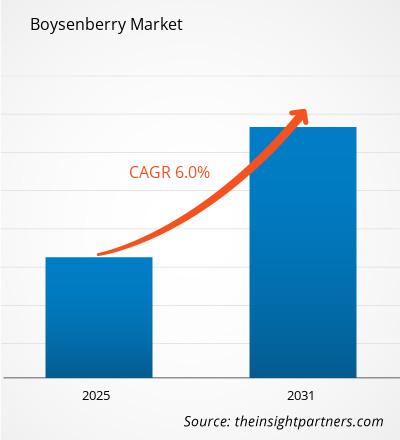
    Driven by evolving consumer lifestyles, expanding retail channels, and an increasing preference for natural and organic ingredients, the Boysenberry Market continues to forge an optimistic growth trajectory. This release outlines the key market drivers, emerging trends, regional dynamics, and forecasts that will shape the landscape up to 2031.

    Setting the Stage: What’s Fueling the Boysenberry Market?

    The Boysenberry Market is being influenced by several interconnected forces shaping consumer purchases and industry strategies:
    • Health-awareness and functional nutrition
    More consumers than ever are seeking foods with added health benefits, including antioxidants and plant-based nutrients synonymous with boysenberries.
    • Innovation in product forms
    The fruit’s adaptability—from fresh produce to juices, purees, jams, and ingredient infusions—is expanding its relevance across host industries.
    • E-commerce and direct-to-consumer channels
    A surge in online grocery and specialty fruit sales has opened new consumer segments previously limited by traditional retail access.
    • Sustainability and organic preferences
    A growing proportion of buyers seek sustainable, non-GMO, and organic boysenberry products, influencing supply chain practices and positioning the fruit as a premium choice.


    https://www.theinsightpartners.com/reports/boysenberry-market
    Growing Preference for Natural Ingredients Drives the Global Boysenberry Market Forward The Boysenberry Market is capturing growing attention from food innovators, health-focused consumers, and global supply chains as demand for nutrient-rich superfruits continues to rise. Known for its rich antioxidant profile and versatile culinary applications, boysenberry is emerging beyond traditional fruit categories—making significant inroads into functional foods, beverages, specialty ingredients, and premium product portfolios. Driven by evolving consumer lifestyles, expanding retail channels, and an increasing preference for natural and organic ingredients, the Boysenberry Market continues to forge an optimistic growth trajectory. This release outlines the key market drivers, emerging trends, regional dynamics, and forecasts that will shape the landscape up to 2031. Setting the Stage: What’s Fueling the Boysenberry Market? The Boysenberry Market is being influenced by several interconnected forces shaping consumer purchases and industry strategies: • Health-awareness and functional nutrition More consumers than ever are seeking foods with added health benefits, including antioxidants and plant-based nutrients synonymous with boysenberries. • Innovation in product forms The fruit’s adaptability—from fresh produce to juices, purees, jams, and ingredient infusions—is expanding its relevance across host industries. • E-commerce and direct-to-consumer channels A surge in online grocery and specialty fruit sales has opened new consumer segments previously limited by traditional retail access. • Sustainability and organic preferences A growing proportion of buyers seek sustainable, non-GMO, and organic boysenberry products, influencing supply chain practices and positioning the fruit as a premium choice. https://www.theinsightpartners.com/reports/boysenberry-market
    WWW.THEINSIGHTPARTNERS.COM
    Boysenberry Market: Research Report by Size Share Analysis 2031
    Research - Boysenberry Market is Growing at high CAGR with detailed analysis of drivers, challenges, and future growth projections by 2031: Download Sample PDF
    0 Commentarios 0 Acciones 446 Views 0 Vista previa
  • Importer of Record Responsibilities: A Complete Guide

    At One Union Solutions, we often see companies underestimate the importance of this role. Yet, understanding the Importer of Record responsibilities can make or break a global supply chain.

    https://www.geto.space/read-blog/26250_importer-of-record-responsibilities-a-complete-guide.html
    Importer of Record Responsibilities: A Complete Guide At One Union Solutions, we often see companies underestimate the importance of this role. Yet, understanding the Importer of Record responsibilities can make or break a global supply chain. https://www.geto.space/read-blog/26250_importer-of-record-responsibilities-a-complete-guide.html
    WWW.GETO.SPACE
    Importer of Record Responsibilities: A Complete Guide
    The Importer of Record responsibilities are far more than administrative tasks—they’re about ensuring smooth, compliant, and cost-effective international trade.
    0 Commentarios 0 Acciones 539 Views 0 Vista previa
Patrocinados
Patrocinados