


Itaconic Acid Market — Growth, Trends, and Future Outlook
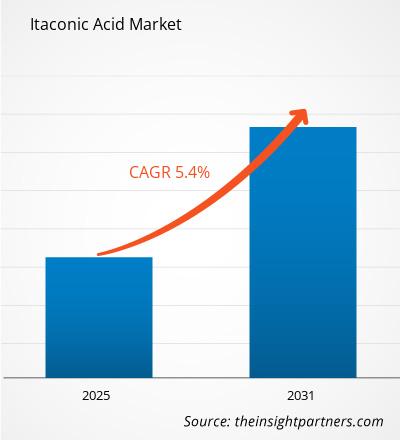
The itaconic acid market is emerging as a pivotal segment within the global specialty chemicals industry. Known for its versatility and biodegradable properties, itaconic acid is gaining significant traction across diverse end-use sectors — from polymers and pharmaceuticals to adhesives and agricultural products.
Explore more - https://www.theinsightpartners.com/reports/itaconic-acid-market
Major Applications
1. Polymers and Resins
Itaconic acid is widely used as a co-monomer in specialty polymers, enhancing properties like thermal stability, adhesion, and flexibility. It’s commonly found in:
• Water-based coatings
• Acrylic and unsaturated polyester resins
• Superabsorbent polymers
2. Adhesives & Sealants
Its reactive nature allows itaconic acid to improve the performance of adhesives, primers, and sealants, especially in construction and automotive segments.
3. Pharmaceuticals & Cosmetics
In the pharmaceutical landscape, itaconic acid plays a role in controlled-release drug formulations. In cosmetics, it’s valued for its skin-friendly and safe profile, often included in personal care products.
4. Agricultural Chemicals
Itaconic acid is also used in biodegradable pesticide formulations and as a chelating agent in micronutrient delivery systems.
Market Drivers
1. Rising Demand for Sustainable Chemicals
With global emphasis on green chemistry and sustainability, itaconic acid’s biobased origin positions it as a high-growth chemical.
Environmental regulations and consumer preferences are increasingly favoring biodegradable and non-toxic materials — boosting demand.
2. Growth in End-Use Industries
Rapid expansion of:
• Paints & coatings
• Construction
• Personal care products
is driving higher consumption of specialty chemicals like itaconic acid.
3. Increasing Research & Development
Ongoing R&D is unlocking new applications — from bio-based plastics to advanced composites — expanding markets globally.
Regional Insights
North America
Strong demand from coatings and adhesives sectors, coupled with increasing environmental awareness.
Europe
Focus on sustainable polymers and stringent environmental policies make Europe a key market.
Asia-Pacific
Rapid industrialization, expanding construction activities, and rising disposable income are fueling growth, especially in India, China, and Southeast Asia.
Conclusion
The itaconic acid market stands at a significant growth juncture. Fueled by sustainability trends, expanding industrial applications, and technological innovations, itaconic acid is poised to evolve from a niche specialty chemical to a mainstream industrial strength material. While production challenges persist, the shift toward biobased and eco-friendly solutions is set to unlock new opportunities in the years ahead.
Related Industry Reports - Recycled Terephthalic Acid Market Growth, Analysis, and Forecast by 2031
The itaconic acid market is emerging as a pivotal segment within the global specialty chemicals industry. Known for its versatility and biodegradable properties, itaconic acid is gaining significant traction across diverse end-use sectors — from polymers and pharmaceuticals to adhesives and agricultural products.
Explore more - https://www.theinsightpartners.com/reports/itaconic-acid-market
Major Applications
1. Polymers and Resins
Itaconic acid is widely used as a co-monomer in specialty polymers, enhancing properties like thermal stability, adhesion, and flexibility. It’s commonly found in:
• Water-based coatings
• Acrylic and unsaturated polyester resins
• Superabsorbent polymers
2. Adhesives & Sealants
Its reactive nature allows itaconic acid to improve the performance of adhesives, primers, and sealants, especially in construction and automotive segments.
3. Pharmaceuticals & Cosmetics
In the pharmaceutical landscape, itaconic acid plays a role in controlled-release drug formulations. In cosmetics, it’s valued for its skin-friendly and safe profile, often included in personal care products.
4. Agricultural Chemicals
Itaconic acid is also used in biodegradable pesticide formulations and as a chelating agent in micronutrient delivery systems.
Market Drivers
1. Rising Demand for Sustainable Chemicals
With global emphasis on green chemistry and sustainability, itaconic acid’s biobased origin positions it as a high-growth chemical.
Environmental regulations and consumer preferences are increasingly favoring biodegradable and non-toxic materials — boosting demand.
2. Growth in End-Use Industries
Rapid expansion of:
• Paints & coatings
• Construction
• Personal care products
is driving higher consumption of specialty chemicals like itaconic acid.
3. Increasing Research & Development
Ongoing R&D is unlocking new applications — from bio-based plastics to advanced composites — expanding markets globally.
Regional Insights
North America
Strong demand from coatings and adhesives sectors, coupled with increasing environmental awareness.
Europe
Focus on sustainable polymers and stringent environmental policies make Europe a key market.
Asia-Pacific
Rapid industrialization, expanding construction activities, and rising disposable income are fueling growth, especially in India, China, and Southeast Asia.
Conclusion
The itaconic acid market stands at a significant growth juncture. Fueled by sustainability trends, expanding industrial applications, and technological innovations, itaconic acid is poised to evolve from a niche specialty chemical to a mainstream industrial strength material. While production challenges persist, the shift toward biobased and eco-friendly solutions is set to unlock new opportunities in the years ahead.
Related Industry Reports - Recycled Terephthalic Acid Market Growth, Analysis, and Forecast by 2031
Itaconic Acid Market — Growth, Trends, and Future Outlook
The itaconic acid market is emerging as a pivotal segment within the global specialty chemicals industry. Known for its versatility and biodegradable properties, itaconic acid is gaining significant traction across diverse end-use sectors — from polymers and pharmaceuticals to adhesives and agricultural products.
Explore more - https://www.theinsightpartners.com/reports/itaconic-acid-market
Major Applications
1. Polymers and Resins
Itaconic acid is widely used as a co-monomer in specialty polymers, enhancing properties like thermal stability, adhesion, and flexibility. It’s commonly found in:
• Water-based coatings
• Acrylic and unsaturated polyester resins
• Superabsorbent polymers
2. Adhesives & Sealants
Its reactive nature allows itaconic acid to improve the performance of adhesives, primers, and sealants, especially in construction and automotive segments.
3. Pharmaceuticals & Cosmetics
In the pharmaceutical landscape, itaconic acid plays a role in controlled-release drug formulations. In cosmetics, it’s valued for its skin-friendly and safe profile, often included in personal care products.
4. Agricultural Chemicals
Itaconic acid is also used in biodegradable pesticide formulations and as a chelating agent in micronutrient delivery systems.
Market Drivers
1. Rising Demand for Sustainable Chemicals
With global emphasis on green chemistry and sustainability, itaconic acid’s biobased origin positions it as a high-growth chemical.
Environmental regulations and consumer preferences are increasingly favoring biodegradable and non-toxic materials — boosting demand.
2. Growth in End-Use Industries
Rapid expansion of:
• Paints & coatings
• Construction
• Personal care products
is driving higher consumption of specialty chemicals like itaconic acid.
3. Increasing Research & Development
Ongoing R&D is unlocking new applications — from bio-based plastics to advanced composites — expanding markets globally.
Regional Insights
North America
Strong demand from coatings and adhesives sectors, coupled with increasing environmental awareness.
Europe
Focus on sustainable polymers and stringent environmental policies make Europe a key market.
Asia-Pacific
Rapid industrialization, expanding construction activities, and rising disposable income are fueling growth, especially in India, China, and Southeast Asia.
Conclusion
The itaconic acid market stands at a significant growth juncture. Fueled by sustainability trends, expanding industrial applications, and technological innovations, itaconic acid is poised to evolve from a niche specialty chemical to a mainstream industrial strength material. While production challenges persist, the shift toward biobased and eco-friendly solutions is set to unlock new opportunities in the years ahead.
Related Industry Reports - Recycled Terephthalic Acid Market Growth, Analysis, and Forecast by 2031
0 Commenti
0 condivisioni
2K Views
0 Anteprima

 English
 Arabic
 French
 Spanish
 Portuguese
 Deutsch
 Turkish
 Dutch
Dutch
 Russian
 Romaian
 Portuguese (Brazil)
 Greek
Greek