• BDO Price Trend: A Simple Overview of Market Movements

    The BDO Price Trend has become an important topic for manufacturers, suppliers, and buyers who depend on stable raw material costs. BDO, also known as 1,4-butanediol, is widely used in the production of plastics, solvents, elastic fibers, and various industrial chemicals. Because it plays a key role in many downstream industries, any shift in its pricing can directly affect production costs and profit margins. Understanding the 1,4 Butanediol Price Trend helps businesses plan better and reduce unexpected risks.

    Read More about it- https://www.price-watch.ai/14-butanediol-prices/
    BDO Price Trend: A Simple Overview of Market Movements The BDO Price Trend has become an important topic for manufacturers, suppliers, and buyers who depend on stable raw material costs. BDO, also known as 1,4-butanediol, is widely used in the production of plastics, solvents, elastic fibers, and various industrial chemicals. Because it plays a key role in many downstream industries, any shift in its pricing can directly affect production costs and profit margins. Understanding the 1,4 Butanediol Price Trend helps businesses plan better and reduce unexpected risks. Read More about it- https://www.price-watch.ai/14-butanediol-prices/
    0 Σχόλια 0 Μοιράστηκε 80 Views 0 Προεπισκόπηση
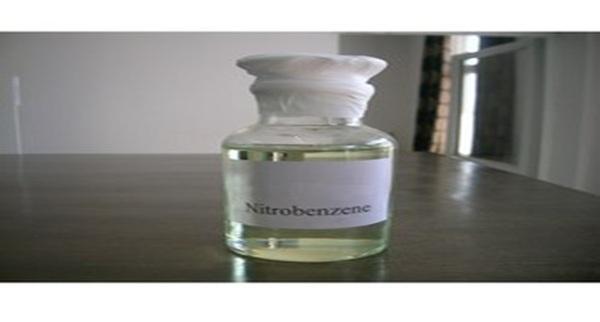
  • Nitrobenzene Price Trend Report: Detailed Historical Movements, Regional Pricing Patterns, Feedstock Cost Impacts, and Future Outlook

    Nitrobenzene Price Trend is a chemical that quietly plays a big role in everyday life. It is mainly used to make aniline, which then goes into products like dyes, rubber chemicals, pharmaceuticals, and agricultural inputs. Because of this wide usage, the nitrobenzene price trend is closely watched by manufacturers, traders, and buyers across industries. While the market may seem complex at first, the price movement of nitrobenzene can be understood through basic demand, supply, and cost factors that affect most industrial chemicals.

    Please Submit Your Query for Nitrobenzene Price Trend, demand-supply, suppliers, market analysis:https://www.price-watch.ai/book-a-demo/

    Understanding Nitrobenzene and Its Market Importance

    Nitrobenzene is produced by reacting benzene with nitric acid, a process that depends heavily on raw material availability and energy costs. Benzene itself is derived from crude oil, so nitrobenzene prices often move in line with broader petrochemical trends. When oil prices rise, production costs tend to increase, and this usually reflects in the nitrobenzene price trend as well. On the other hand, when oil markets are stable or declining, nitrobenzene prices often soften.
    Its importance in downstream industries also keeps demand relatively steady. Since sectors like agriculture, textiles, and automotive rely on products made from nitrobenzene, even small changes in industrial activity can influence pricing patterns.

    Key Factors Influencing the Nitrobenzene Price Trend

    One of the biggest factors affecting the nitrobenzene price trend is raw material cost. Benzene prices fluctuate due to changes in crude oil supply, refinery output, and global energy demand. When benzene becomes expensive, nitrobenzene producers have little choice but to raise prices to maintain margins.
    Energy costs also play a major role. The manufacturing process requires controlled temperatures and specialized equipment, which consume significant energy. Rising electricity or fuel costs can push production expenses higher, influencing overall market prices.
    Another important factor is demand from the aniline market. When aniline demand is strong, especially from rubber and dye manufacturers, nitrobenzene consumption increases. This higher demand can tighten supply and support higher prices. In contrast, when downstream industries slow down, nitrobenzene demand weakens, often leading to price corrections.

    Supply Conditions and Production Capacity

    Supply-side conditions have a direct impact on the nitrobenzene price trend. Production disruptions caused by maintenance shutdowns, plant outages, or regulatory inspections can reduce availability in the market. Even short-term supply constraints may lead to price spikes, especially in regions where production capacity is limited.
    On the other hand, when new production units come online or existing plants operate at high utilization rates, supply increases. This often creates competitive pressure among producers, leading to stable or even lower prices. Overcapacity in certain regions can also result in prolonged periods of softer pricing.

    Please Submit Your Query for Nitrobenzene Price Trend, demand-supply, suppliers, market analysis:https://www.price-watch.ai/book-a-demo/

    About Price Watch™ AI

    Price-Watch AI is an India-based, independent raw material price reporting agency that provides real-time price forecasts and data-driven insights into global raw material markets. Price-Watch AI specializes in tracking raw material prices, analyzing market trends, and delivering timely updates on plant shutdowns, supply disruptions, capacity expansions, and demand-supply dynamics. The Price-Watch AI platform empowers manufacturers, traders, and procurement professionals to make faster, smarter decisions. Leveraging AI-powered forecasting and over a decade of historical data, Price-Watch AI transforms market volatility into actionable opportunity.

    Futura Tech Park,
    C Block, 8th floor 334,
    Old Mahabalipuram Road,
    Sholinganallur, Chennai,
    Tamil Nadu, Pincode - 600119.

    LinkedIn: https://www.linkedin.com/company/price-watch-ai/
    Facebook: https://www.facebook.com/people/Price-Watch/61568490385598/
    Twitter: https://x.com/pricewatchai
    Website: https://www.price-watch.ai/

    Nitrobenzene Price Trend Report: Detailed Historical Movements, Regional Pricing Patterns, Feedstock Cost Impacts, and Future Outlook Nitrobenzene Price Trend is a chemical that quietly plays a big role in everyday life. It is mainly used to make aniline, which then goes into products like dyes, rubber chemicals, pharmaceuticals, and agricultural inputs. Because of this wide usage, the nitrobenzene price trend is closely watched by manufacturers, traders, and buyers across industries. While the market may seem complex at first, the price movement of nitrobenzene can be understood through basic demand, supply, and cost factors that affect most industrial chemicals. 👉 👉 👉 Please Submit Your Query for Nitrobenzene Price Trend, demand-supply, suppliers, market analysis:https://www.price-watch.ai/book-a-demo/ Understanding Nitrobenzene and Its Market Importance Nitrobenzene is produced by reacting benzene with nitric acid, a process that depends heavily on raw material availability and energy costs. Benzene itself is derived from crude oil, so nitrobenzene prices often move in line with broader petrochemical trends. When oil prices rise, production costs tend to increase, and this usually reflects in the nitrobenzene price trend as well. On the other hand, when oil markets are stable or declining, nitrobenzene prices often soften. Its importance in downstream industries also keeps demand relatively steady. Since sectors like agriculture, textiles, and automotive rely on products made from nitrobenzene, even small changes in industrial activity can influence pricing patterns. Key Factors Influencing the Nitrobenzene Price Trend One of the biggest factors affecting the nitrobenzene price trend is raw material cost. Benzene prices fluctuate due to changes in crude oil supply, refinery output, and global energy demand. When benzene becomes expensive, nitrobenzene producers have little choice but to raise prices to maintain margins. Energy costs also play a major role. The manufacturing process requires controlled temperatures and specialized equipment, which consume significant energy. Rising electricity or fuel costs can push production expenses higher, influencing overall market prices. Another important factor is demand from the aniline market. When aniline demand is strong, especially from rubber and dye manufacturers, nitrobenzene consumption increases. This higher demand can tighten supply and support higher prices. In contrast, when downstream industries slow down, nitrobenzene demand weakens, often leading to price corrections. Supply Conditions and Production Capacity Supply-side conditions have a direct impact on the nitrobenzene price trend. Production disruptions caused by maintenance shutdowns, plant outages, or regulatory inspections can reduce availability in the market. Even short-term supply constraints may lead to price spikes, especially in regions where production capacity is limited. On the other hand, when new production units come online or existing plants operate at high utilization rates, supply increases. This often creates competitive pressure among producers, leading to stable or even lower prices. Overcapacity in certain regions can also result in prolonged periods of softer pricing. 👉 👉 👉 Please Submit Your Query for Nitrobenzene Price Trend, demand-supply, suppliers, market analysis:https://www.price-watch.ai/book-a-demo/ About Price Watch™ AI Price-Watch AI is an India-based, independent raw material price reporting agency that provides real-time price forecasts and data-driven insights into global raw material markets. Price-Watch AI specializes in tracking raw material prices, analyzing market trends, and delivering timely updates on plant shutdowns, supply disruptions, capacity expansions, and demand-supply dynamics. The Price-Watch AI platform empowers manufacturers, traders, and procurement professionals to make faster, smarter decisions. Leveraging AI-powered forecasting and over a decade of historical data, Price-Watch AI transforms market volatility into actionable opportunity. Futura Tech Park, C Block, 8th floor 334, Old Mahabalipuram Road, Sholinganallur, Chennai, Tamil Nadu, Pincode - 600119. LinkedIn: https://www.linkedin.com/company/price-watch-ai/ Facebook: https://www.facebook.com/people/Price-Watch/61568490385598/ Twitter: https://x.com/pricewatchai Website: https://www.price-watch.ai/

    0 Σχόλια 0 Μοιράστηκε 267 Views 0 Προεπισκόπηση
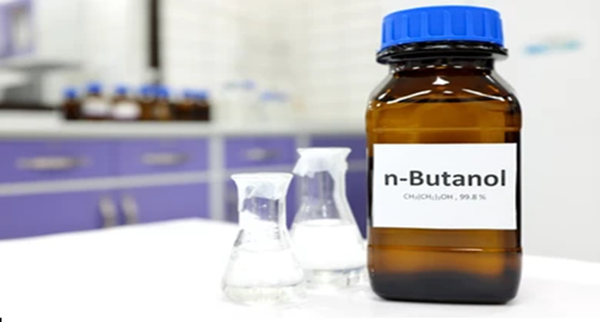
  • Comprehensive Analysis of N Butanol Price Trends: Historical Patterns, Market Dynamics, and Future Projections

    N Butanol Price Trend is a widely used chemical in industries like paints, coatings, adhesives, and plastics. Over the past few years, its demand has grown steadily due to its versatile applications. However, like most industrial chemicals, the price of N-Butanol does not remain constant. Understanding the price trend can help manufacturers, traders, and end-users plan their purchases and manage costs effectively.

    Please Submit Your Query for N-Butanol Price Trend, demand-supply, suppliers, market analysis:https://www.price-watch.ai/book-a-demo/

    Factors Influencing N-Butanol Prices

    The price of N-Butanol is influenced by several factors, both on the supply and demand side. On the supply side, raw materials such as propylene and crude oil play a major role. Any fluctuation in the price of these raw materials directly impacts N-Butanol costs. For instance, when crude oil prices rise, the production cost of N-Butanol usually increases, leading to higher market prices.
    On the demand side, industrial growth affects the pricing. During periods of high construction activity, increased production of paints, coatings, and adhesives can push demand for N-Butanol, which in turn raises prices. Conversely, if industries slow down or there is an economic slowdown, the demand decreases, causing prices to drop.

    Seasonal Variations in Price

    N-Butanol prices also tend to show seasonal trends. For example, during the winter months in some regions, construction activity slows down, reducing the demand for N-Butanol. This often results in temporary price declines. On the other hand, in summer or pre-monsoon periods when construction and manufacturing activities increase, prices may rise. Seasonal trends are not as extreme as in agricultural commodities, but they still play a role in short-term price fluctuations.

    Conclusion

    N-Butanol is an important industrial chemical, and its price trend reflects the balance of supply, demand, raw material costs, and global market influences. Seasonal variations and international developments add another layer of complexity, but understanding these factors helps businesses plan better. By keeping track of N-Butanol price trends, manufacturers and traders can make informed decisions and minimize risks associated with sudden price changes.
    In essence, while prices may rise or fall in the short term, steady industrial growth and consistent demand suggest that N-Butanol will continue to be a valuable chemical in the global market, with prices reflecting both market conditions and broader economic trends.

    Please Submit Your Query for N-Butanol Price Trend, demand-supply, suppliers, market analysis:https://www.price-watch.ai/book-a-demo/

    About Price Watch™ AI

    Price-Watch AI is an India-based, independent raw material price reporting agency that provides real-time price forecasts and data-driven insights into global raw material markets. Price-Watch AI specializes in tracking raw material prices, analyzing market trends, and delivering timely updates on plant shutdowns, supply disruptions, capacity expansions, and demand-supply dynamics. The Price-Watch AI platform empowers manufacturers, traders, and procurement professionals to make faster, smarter decisions. Leveraging AI-powered forecasting and over a decade of historical data, Price-Watch AI transforms market volatility into actionable opportunity.

    Futura Tech Park,
    C Block, 8th floor 334,
    Old Mahabalipuram Road,
    Sholinganallur, Chennai,
    Tamil Nadu, Pincode - 600119.

    LinkedIn: https://www.linkedin.com/company/price-watch-ai/
    Facebook: https://www.facebook.com/people/Price-Watch/61568490385598/
    Twitter: https://x.com/pricewatchai
    Website: https://www.price-watch.ai/

    Comprehensive Analysis of N Butanol Price Trends: Historical Patterns, Market Dynamics, and Future Projections N Butanol Price Trend is a widely used chemical in industries like paints, coatings, adhesives, and plastics. Over the past few years, its demand has grown steadily due to its versatile applications. However, like most industrial chemicals, the price of N-Butanol does not remain constant. Understanding the price trend can help manufacturers, traders, and end-users plan their purchases and manage costs effectively. 👉 👉 👉 Please Submit Your Query for N-Butanol Price Trend, demand-supply, suppliers, market analysis:https://www.price-watch.ai/book-a-demo/ Factors Influencing N-Butanol Prices The price of N-Butanol is influenced by several factors, both on the supply and demand side. On the supply side, raw materials such as propylene and crude oil play a major role. Any fluctuation in the price of these raw materials directly impacts N-Butanol costs. For instance, when crude oil prices rise, the production cost of N-Butanol usually increases, leading to higher market prices. On the demand side, industrial growth affects the pricing. During periods of high construction activity, increased production of paints, coatings, and adhesives can push demand for N-Butanol, which in turn raises prices. Conversely, if industries slow down or there is an economic slowdown, the demand decreases, causing prices to drop. Seasonal Variations in Price N-Butanol prices also tend to show seasonal trends. For example, during the winter months in some regions, construction activity slows down, reducing the demand for N-Butanol. This often results in temporary price declines. On the other hand, in summer or pre-monsoon periods when construction and manufacturing activities increase, prices may rise. Seasonal trends are not as extreme as in agricultural commodities, but they still play a role in short-term price fluctuations. Conclusion N-Butanol is an important industrial chemical, and its price trend reflects the balance of supply, demand, raw material costs, and global market influences. Seasonal variations and international developments add another layer of complexity, but understanding these factors helps businesses plan better. By keeping track of N-Butanol price trends, manufacturers and traders can make informed decisions and minimize risks associated with sudden price changes. In essence, while prices may rise or fall in the short term, steady industrial growth and consistent demand suggest that N-Butanol will continue to be a valuable chemical in the global market, with prices reflecting both market conditions and broader economic trends. 👉 👉 👉 Please Submit Your Query for N-Butanol Price Trend, demand-supply, suppliers, market analysis:https://www.price-watch.ai/book-a-demo/ About Price Watch™ AI Price-Watch AI is an India-based, independent raw material price reporting agency that provides real-time price forecasts and data-driven insights into global raw material markets. Price-Watch AI specializes in tracking raw material prices, analyzing market trends, and delivering timely updates on plant shutdowns, supply disruptions, capacity expansions, and demand-supply dynamics. The Price-Watch AI platform empowers manufacturers, traders, and procurement professionals to make faster, smarter decisions. Leveraging AI-powered forecasting and over a decade of historical data, Price-Watch AI transforms market volatility into actionable opportunity. Futura Tech Park, C Block, 8th floor 334, Old Mahabalipuram Road, Sholinganallur, Chennai, Tamil Nadu, Pincode - 600119. LinkedIn: https://www.linkedin.com/company/price-watch-ai/ Facebook: https://www.facebook.com/people/Price-Watch/61568490385598/ Twitter: https://x.com/pricewatchai Website: https://www.price-watch.ai/

    0 Σχόλια 0 Μοιράστηκε 154 Views 0 Προεπισκόπηση
  • Monoethanolamine (MEA) Price Trend & Market Dynamics: Impact of Raw Material Costs, Industrial Demand Shifts, and Global Supply Chain Influences

    Monoethanolamine Price Trend commonly known as MEA, is a chemical used in many everyday industries, from gas treatment and detergents to pharmaceuticals and agriculture. Because it plays such a practical role, its price trend is closely watched by manufacturers, buyers, and traders. Over time, the monoethanolamine price trend has shown noticeable ups and downs, mainly influenced by raw material costs, energy prices, supply conditions, and overall market demand.
    In simple terms, monoethanolamine prices move much like other industrial chemicals. When production becomes expensive or supply tightens, prices rise. When raw materials are easily available and demand slows, prices soften. Understanding this trend does not require deep technical knowledge; it mostly reflects common market behavior.

    Please Submit Your Query for Monoethanolamine Price Trend, demand-supply, suppliers, market analysis:https://www.price-watch.ai/book-a-demo/

    Factors Influencing Monoethanolamine Price Trend

    One of the biggest drivers of the monoethanolamine price trend is the cost of raw materials. Monoethanolamine is produced using ethylene oxide and ammonia, both of which are sensitive to changes in crude oil and natural gas prices. When energy costs increase, production expenses go up, and manufacturers often pass these costs on to buyers.
    Another important factor is demand from key industries. Gas processing, especially for removing acidic gases, uses a large amount of monoethanolamine. When oil and gas activity rises, demand for MEA increases, pushing prices upward. Similarly, the personal care and cleaning product industries also impact pricing, especially during periods of high consumer demand.
    Supply chain conditions also play a role. Any disruption such as plant shutdowns, maintenance work, transportation delays, or trade restrictions can affect availability. Even short-term supply issues can cause price fluctuations, especially in regions that rely heavily on imports.

    Regional Impact on Monoethanolamine Pricing

    The monoethanolamine price trend can differ across regions due to local production capacity and demand patterns. In regions with strong chemical manufacturing bases, prices tend to be more stable as supply is readily available. On the other hand, areas dependent on imports may see sharper price changes due to shipping costs and currency fluctuations.
    Economic conditions in different regions also influence pricing. For example, industrial growth in developing economies often leads to higher consumption of monoethanolamine, which can tighten supply and raise prices. In contrast, slower industrial activity in mature markets may keep prices under pressure.
    Government policies, environmental regulations, and energy pricing policies also affect regional price trends. Stricter environmental rules can increase production costs, while subsidies or relaxed regulations may help keep prices steady.

    Conclusion

    The monoethanolamine price trend reflects simple economic principles of supply, demand, and production cost. Influenced by raw materials, energy prices, industrial demand, and regional factors, MEA prices naturally rise and fall over time. While short-term fluctuations are common, the long-term trend remains relatively stable, supported by consistent demand across multiple industries. Understanding these everyday factors makes it easier to follow and anticipate changes in the monoethanolamine market without relying on complex analysis.

    Please Submit Your Query for Monoethanolamine Price Trend, demand-supply, suppliers, market analysis:https://www.price-watch.ai/book-a-demo/

    About Price Watch™ AI

    Price-Watch AI is an India-based, independent raw material price reporting agency that provides real-time price forecasts and data-driven insights into global raw material markets. Price-Watch AI specializes in tracking raw material prices, analyzing market trends, and delivering timely updates on plant shutdowns, supply disruptions, capacity expansions, and demand-supply dynamics. The Price-Watch AI platform empowers manufacturers, traders, and procurement professionals to make faster, smarter decisions. Leveraging AI-powered forecasting and over a decade of historical data, Price-Watch AI transforms market volatility into actionable opportunity.

    Futura Tech Park,
    C Block, 8th floor 334,
    Old Mahabalipuram Road,
    Sholinganallur, Chennai,
    Tamil Nadu, Pincode - 600119.

    LinkedIn: https://www.linkedin.com/company/price-watch-ai/
    Facebook: https://www.facebook.com/people/Price-Watch/61568490385598/
    Twitter: https://x.com/pricewatchai
    Website: https://www.price-watch.ai/
    Monoethanolamine (MEA) Price Trend & Market Dynamics: Impact of Raw Material Costs, Industrial Demand Shifts, and Global Supply Chain Influences Monoethanolamine Price Trend commonly known as MEA, is a chemical used in many everyday industries, from gas treatment and detergents to pharmaceuticals and agriculture. Because it plays such a practical role, its price trend is closely watched by manufacturers, buyers, and traders. Over time, the monoethanolamine price trend has shown noticeable ups and downs, mainly influenced by raw material costs, energy prices, supply conditions, and overall market demand. In simple terms, monoethanolamine prices move much like other industrial chemicals. When production becomes expensive or supply tightens, prices rise. When raw materials are easily available and demand slows, prices soften. Understanding this trend does not require deep technical knowledge; it mostly reflects common market behavior. 👉 👉 👉 Please Submit Your Query for Monoethanolamine Price Trend, demand-supply, suppliers, market analysis:https://www.price-watch.ai/book-a-demo/ Factors Influencing Monoethanolamine Price Trend One of the biggest drivers of the monoethanolamine price trend is the cost of raw materials. Monoethanolamine is produced using ethylene oxide and ammonia, both of which are sensitive to changes in crude oil and natural gas prices. When energy costs increase, production expenses go up, and manufacturers often pass these costs on to buyers. Another important factor is demand from key industries. Gas processing, especially for removing acidic gases, uses a large amount of monoethanolamine. When oil and gas activity rises, demand for MEA increases, pushing prices upward. Similarly, the personal care and cleaning product industries also impact pricing, especially during periods of high consumer demand. Supply chain conditions also play a role. Any disruption such as plant shutdowns, maintenance work, transportation delays, or trade restrictions can affect availability. Even short-term supply issues can cause price fluctuations, especially in regions that rely heavily on imports. Regional Impact on Monoethanolamine Pricing The monoethanolamine price trend can differ across regions due to local production capacity and demand patterns. In regions with strong chemical manufacturing bases, prices tend to be more stable as supply is readily available. On the other hand, areas dependent on imports may see sharper price changes due to shipping costs and currency fluctuations. Economic conditions in different regions also influence pricing. For example, industrial growth in developing economies often leads to higher consumption of monoethanolamine, which can tighten supply and raise prices. In contrast, slower industrial activity in mature markets may keep prices under pressure. Government policies, environmental regulations, and energy pricing policies also affect regional price trends. Stricter environmental rules can increase production costs, while subsidies or relaxed regulations may help keep prices steady. Conclusion The monoethanolamine price trend reflects simple economic principles of supply, demand, and production cost. Influenced by raw materials, energy prices, industrial demand, and regional factors, MEA prices naturally rise and fall over time. While short-term fluctuations are common, the long-term trend remains relatively stable, supported by consistent demand across multiple industries. Understanding these everyday factors makes it easier to follow and anticipate changes in the monoethanolamine market without relying on complex analysis. 👉 👉 👉 Please Submit Your Query for Monoethanolamine Price Trend, demand-supply, suppliers, market analysis:https://www.price-watch.ai/book-a-demo/ About Price Watch™ AI Price-Watch AI is an India-based, independent raw material price reporting agency that provides real-time price forecasts and data-driven insights into global raw material markets. Price-Watch AI specializes in tracking raw material prices, analyzing market trends, and delivering timely updates on plant shutdowns, supply disruptions, capacity expansions, and demand-supply dynamics. The Price-Watch AI platform empowers manufacturers, traders, and procurement professionals to make faster, smarter decisions. Leveraging AI-powered forecasting and over a decade of historical data, Price-Watch AI transforms market volatility into actionable opportunity. Futura Tech Park, C Block, 8th floor 334, Old Mahabalipuram Road, Sholinganallur, Chennai, Tamil Nadu, Pincode - 600119. LinkedIn: https://www.linkedin.com/company/price-watch-ai/ Facebook: https://www.facebook.com/people/Price-Watch/61568490385598/ Twitter: https://x.com/pricewatchai Website: https://www.price-watch.ai/
    0 Σχόλια 0 Μοιράστηκε 269 Views 0 Προεπισκόπηση
  • Detailed Study on Ortho Nitro Chloro Benzene Price Trends Across Global and Regional Markets

    Ortho Nitro Chloro Benzene (often called ONCB) is a chemical compound used as an intermediate in various industries, especially in producing dyes, agrochemicals, and certain pharmaceuticals. In simple terms, it is one of those important industrial chemicals that might not be visible to everyday consumers, but it quietly plays a role in many products we use. The price of ONCB does not stay the same all the time. Like many industrial chemicals, it moves up and down depending on how much people want it, how easy it is to make, and how smooth the supply chains are.

    Please Submit Your Query for Ortho Nitro Chloro Benzene Price Trend, demand-supply, suppliers, market analysis:https://www.price-watch.ai/book-a-demo/

    In recent years, the global price trend for ONCB has shown notable fluctuations. These movements are influenced by several experienced realities of the chemical market – demand from downstream industries, raw material cost changes, and supply conditions. Looking at the overall direction of prices from late 2024 through 2025 reveals that ONCB prices have generally seen an upward tendency, with some short periods of stability or mild decline.
    During the second quarter of 2025, ONCB prices strengthened significantly compared to earlier periods. In many markets, including India and China, prices climbed as downstream sectors such as dyes, pesticides, and pharma intermediates increased their procurement. This change reflected a general recovery in industrial activity after earlier supply chain disruptions seen over the previous couple of years. The improved buying sentiment meant producers could offer higher price levels and maintain them as demand firmed up.
    In India, for example, the Ortho Nitro Chloro Benzene price under FOB (Free On Board) terms was reported higher compared to previous quarters, supporting a steady price rise through mid-2025. A moderately rising price month-on-month was also noticed in the September 2025 data, indicating that buyers were willing to pay slightly more as industries stocked up for continued production. Similarly, in China under CIF (Cost, Insurance, Freight) terms, ONCB experienced upward pressure due to both rising import costs and stronger demand from chemical sectors. Overall, these movements point to a generally bullish trend through the middle of 2025.
    However, the picture is not always strictly upward. Commodity chemical prices are influenced by many forces, and short-term softening can happen. In some markets, especially later in 2025, reports suggested mild declines in nitro-chloro benzene prices due to softer raw material costs like benzene and other feedstocks. When the cost of primary inputs falls, producers may reduce their selling prices to maintain competitiveness, especially if downstream industries are cautious about buying ahead of slow periods like year-end holidays or maintenance shutdowns. For instance, in the Chinese domestic market in early December 2025, nitro-chloro benzene prices edged lower as benzene and nitric acid costs eased and inventory levels were sufficient.
    These short-term pullbacks do not usually signify long-term declines but instead reflect the natural ebb and flow of industrial markets. Factors such as expected maintenance closures, seasonal slowdowns in downstream industries, and inventory destocking ahead of new production campaigns can temporarily reduce buying activity, leading to price softness for a period.

    Please Submit Your Query for Ortho Nitro Chloro Benzene Price Trend, demand-supply, suppliers, market analysis:https://www.price-watch.ai/book-a-demo/

    About Price Watch™ AI

    Price-Watch AI is an India-based, independent raw material price reporting agency that provides real-time price forecasts and data-driven insights into global raw material markets. Price-Watch AI specializes in tracking raw material prices, analyzing market trends, and delivering timely updates on plant shutdowns, supply disruptions, capacity expansions, and demand-supply dynamics. The Price-Watch AI platform empowers manufacturers, traders, and procurement professionals to make faster, smarter decisions. Leveraging AI-powered forecasting and over a decade of historical data, Price-Watch AI transforms market volatility into actionable opportunity.

    Futura Tech Park,
    C Block, 8th floor 334,
    Old Mahabalipuram Road,
    Sholinganallur, Chennai,
    Tamil Nadu, Pincode - 600119.

    LinkedIn: https://www.linkedin.com/company/price-watch-ai/
    Facebook: https://www.facebook.com/people/Price-Watch/61568490385598/
    Twitter: https://x.com/pricewatchai
    Website: https://www.price-watch.ai/

    Detailed Study on Ortho Nitro Chloro Benzene Price Trends Across Global and Regional Markets Ortho Nitro Chloro Benzene (often called ONCB) is a chemical compound used as an intermediate in various industries, especially in producing dyes, agrochemicals, and certain pharmaceuticals. In simple terms, it is one of those important industrial chemicals that might not be visible to everyday consumers, but it quietly plays a role in many products we use. The price of ONCB does not stay the same all the time. Like many industrial chemicals, it moves up and down depending on how much people want it, how easy it is to make, and how smooth the supply chains are. 👉 👉 👉 Please Submit Your Query for Ortho Nitro Chloro Benzene Price Trend, demand-supply, suppliers, market analysis:https://www.price-watch.ai/book-a-demo/ In recent years, the global price trend for ONCB has shown notable fluctuations. These movements are influenced by several experienced realities of the chemical market – demand from downstream industries, raw material cost changes, and supply conditions. Looking at the overall direction of prices from late 2024 through 2025 reveals that ONCB prices have generally seen an upward tendency, with some short periods of stability or mild decline. During the second quarter of 2025, ONCB prices strengthened significantly compared to earlier periods. In many markets, including India and China, prices climbed as downstream sectors such as dyes, pesticides, and pharma intermediates increased their procurement. This change reflected a general recovery in industrial activity after earlier supply chain disruptions seen over the previous couple of years. The improved buying sentiment meant producers could offer higher price levels and maintain them as demand firmed up. In India, for example, the Ortho Nitro Chloro Benzene price under FOB (Free On Board) terms was reported higher compared to previous quarters, supporting a steady price rise through mid-2025. A moderately rising price month-on-month was also noticed in the September 2025 data, indicating that buyers were willing to pay slightly more as industries stocked up for continued production. Similarly, in China under CIF (Cost, Insurance, Freight) terms, ONCB experienced upward pressure due to both rising import costs and stronger demand from chemical sectors. Overall, these movements point to a generally bullish trend through the middle of 2025. However, the picture is not always strictly upward. Commodity chemical prices are influenced by many forces, and short-term softening can happen. In some markets, especially later in 2025, reports suggested mild declines in nitro-chloro benzene prices due to softer raw material costs like benzene and other feedstocks. When the cost of primary inputs falls, producers may reduce their selling prices to maintain competitiveness, especially if downstream industries are cautious about buying ahead of slow periods like year-end holidays or maintenance shutdowns. For instance, in the Chinese domestic market in early December 2025, nitro-chloro benzene prices edged lower as benzene and nitric acid costs eased and inventory levels were sufficient. These short-term pullbacks do not usually signify long-term declines but instead reflect the natural ebb and flow of industrial markets. Factors such as expected maintenance closures, seasonal slowdowns in downstream industries, and inventory destocking ahead of new production campaigns can temporarily reduce buying activity, leading to price softness for a period. 👉 👉 👉 Please Submit Your Query for Ortho Nitro Chloro Benzene Price Trend, demand-supply, suppliers, market analysis:https://www.price-watch.ai/book-a-demo/ About Price Watch™ AI Price-Watch AI is an India-based, independent raw material price reporting agency that provides real-time price forecasts and data-driven insights into global raw material markets. Price-Watch AI specializes in tracking raw material prices, analyzing market trends, and delivering timely updates on plant shutdowns, supply disruptions, capacity expansions, and demand-supply dynamics. The Price-Watch AI platform empowers manufacturers, traders, and procurement professionals to make faster, smarter decisions. Leveraging AI-powered forecasting and over a decade of historical data, Price-Watch AI transforms market volatility into actionable opportunity. Futura Tech Park, C Block, 8th floor 334, Old Mahabalipuram Road, Sholinganallur, Chennai, Tamil Nadu, Pincode - 600119. LinkedIn: https://www.linkedin.com/company/price-watch-ai/ Facebook: https://www.facebook.com/people/Price-Watch/61568490385598/ Twitter: https://x.com/pricewatchai Website: https://www.price-watch.ai/
    0 Σχόλια 0 Μοιράστηκε 217 Views 0 Προεπισκόπηση
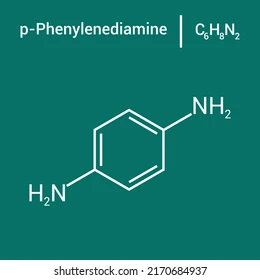
  • P-Phenylenediamine Price Trend and Market Intelligence 2015–2026: Drivers, Challenges, and Strategic Implications for Industry Stakeholders

    P-Phenylenediamine, often known as PPD, is a chemical that plays an important role in several industries. It is widely used in hair dyes, rubber products, textiles, and photographic chemicals. Because of its wide usage, the P-Phenylenediamine price trend attracts attention from manufacturers, traders, and buyers who rely on a steady and affordable supply. Like many industrial chemicals, its price does not remain constant and changes based on multiple market factors.

    Please Submit Your Query for P-Phenylenediamine Price Trend, demand-supply, suppliers, market analysis:https://www.price-watch.ai/book-a-demo/

    Raw Material Influence on P-Phenylenediamine Price Trend

    One of the biggest factors affecting the P-Phenylenediamine price trend is the cost of raw materials. PPD is derived from petrochemical-based intermediates, and any fluctuation in crude oil prices directly impacts production costs. When oil prices rise, manufacturers face higher expenses, which often leads to an increase in P-Phenylenediamine prices. On the other hand, when raw material availability improves or oil prices fall, the market may experience more stable or slightly lower prices.

    Impact of Manufacturing and Production Costs

    Manufacturing P-Phenylenediamine requires specialized equipment, skilled labor, and strict quality control. Energy consumption is another major cost element, especially in regions where electricity or fuel prices are high. If energy costs rise, producers often pass this burden down the supply chain. Maintenance shutdowns, plant upgrades, or unexpected technical issues can also temporarily reduce supply, causing short-term price increases in the market.

    Demand Trends Across End-Use Industries

    Demand plays a major role in shaping the P-Phenylenediamine price trend. The personal care industry, especially hair dye manufacturing, is one of the largest consumers of PPD. When demand for cosmetic and grooming products increases, especially during festive seasons or periods of high consumer spending, the demand for PPD also rises. This increased demand often puts upward pressure on prices. In contrast, slower demand from textile or rubber industries can lead to price corrections or stability.

    Regional Market Dynamics and Trade Factors

    Different regions experience different price trends for P-Phenylenediamine. Asia, particularly countries with strong chemical manufacturing bases, often sees more competitive pricing due to higher production capacity. However, export restrictions, changes in import duties, and transportation costs can affect regional prices. Shipping delays or higher freight rates can increase landed costs for buyers, influencing the overall market price trend.

    Future Outlook for P-Phenylenediamine Price Trend

    Looking ahead, the P-Phenylenediamine price trend is expected to remain sensitive to raw material costs, environmental policies, and demand from end-use industries. As sustainability becomes more important, manufacturers may invest in cleaner and more efficient production methods, which could influence long-term pricing. While short-term fluctuations are likely, steady demand from personal care and industrial sectors suggests that PPD will continue to hold its position as a valuable chemical in the global market.

    Please Submit Your Query for P-Phenylenediamine Price Trend, demand-supply, suppliers, market analysis:https://www.price-watch.ai/book-a-demo/

    𝐀𝐛𝐨𝐮𝐭 𝐏𝐫𝐢𝐜𝐞-𝐖𝐚𝐭𝐜𝐡 𝐀𝐈

    Price-Watch AI is an independent raw material price reporting agency that provides real-time price forecasts and data-driven insights into global raw material markets. Price-Watch AI specializes in tracking raw material prices, analyzing market trends, and delivering timely updates on plant shutdowns, supply disruptions, capacity expansions, and demand-supply dynamics. The Price-Watch AI platform empowers manufacturers, traders, and procurement professionals to make faster, smarter decisions. Leveraging AI-powered forecasting and over a decade of historical data, Price-Watch AI transforms market volatility into actionable opportunity.

    Futura Tech Park,

    C Block, 8th floor 334,

    Old Mahabalipuram Road,

    Sholinganallur, Chennai, Tamil Nadu, Pincode - 600119.

    𝐋𝐢𝐧𝐤𝐞𝐝𝐈𝐧: https://www.linkedin.com/company/price-watch-ai/

    𝐅𝐚𝐜𝐞𝐛𝐨𝐨𝐤: https://www.facebook.com/people/PriceWatch/61568490385598/

    𝐓𝐰𝐢𝐭𝐭𝐞𝐫: https://x.com/pricewatchai

    𝐖𝐞𝐛𝐬𝐢𝐭𝐞: https://www.price-watch.ai/
    P-Phenylenediamine Price Trend and Market Intelligence 2015–2026: Drivers, Challenges, and Strategic Implications for Industry Stakeholders P-Phenylenediamine, often known as PPD, is a chemical that plays an important role in several industries. It is widely used in hair dyes, rubber products, textiles, and photographic chemicals. Because of its wide usage, the P-Phenylenediamine price trend attracts attention from manufacturers, traders, and buyers who rely on a steady and affordable supply. Like many industrial chemicals, its price does not remain constant and changes based on multiple market factors. 👉 👉 👉 Please Submit Your Query for P-Phenylenediamine Price Trend, demand-supply, suppliers, market analysis:https://www.price-watch.ai/book-a-demo/ Raw Material Influence on P-Phenylenediamine Price Trend One of the biggest factors affecting the P-Phenylenediamine price trend is the cost of raw materials. PPD is derived from petrochemical-based intermediates, and any fluctuation in crude oil prices directly impacts production costs. When oil prices rise, manufacturers face higher expenses, which often leads to an increase in P-Phenylenediamine prices. On the other hand, when raw material availability improves or oil prices fall, the market may experience more stable or slightly lower prices. Impact of Manufacturing and Production Costs Manufacturing P-Phenylenediamine requires specialized equipment, skilled labor, and strict quality control. Energy consumption is another major cost element, especially in regions where electricity or fuel prices are high. If energy costs rise, producers often pass this burden down the supply chain. Maintenance shutdowns, plant upgrades, or unexpected technical issues can also temporarily reduce supply, causing short-term price increases in the market. Demand Trends Across End-Use Industries Demand plays a major role in shaping the P-Phenylenediamine price trend. The personal care industry, especially hair dye manufacturing, is one of the largest consumers of PPD. When demand for cosmetic and grooming products increases, especially during festive seasons or periods of high consumer spending, the demand for PPD also rises. This increased demand often puts upward pressure on prices. In contrast, slower demand from textile or rubber industries can lead to price corrections or stability. Regional Market Dynamics and Trade Factors Different regions experience different price trends for P-Phenylenediamine. Asia, particularly countries with strong chemical manufacturing bases, often sees more competitive pricing due to higher production capacity. However, export restrictions, changes in import duties, and transportation costs can affect regional prices. Shipping delays or higher freight rates can increase landed costs for buyers, influencing the overall market price trend. Future Outlook for P-Phenylenediamine Price Trend Looking ahead, the P-Phenylenediamine price trend is expected to remain sensitive to raw material costs, environmental policies, and demand from end-use industries. As sustainability becomes more important, manufacturers may invest in cleaner and more efficient production methods, which could influence long-term pricing. While short-term fluctuations are likely, steady demand from personal care and industrial sectors suggests that PPD will continue to hold its position as a valuable chemical in the global market. 👉 👉 👉 Please Submit Your Query for P-Phenylenediamine Price Trend, demand-supply, suppliers, market analysis:https://www.price-watch.ai/book-a-demo/ 𝐀𝐛𝐨𝐮𝐭 𝐏𝐫𝐢𝐜𝐞-𝐖𝐚𝐭𝐜𝐡 𝐀𝐈 Price-Watch AI is an independent raw material price reporting agency that provides real-time price forecasts and data-driven insights into global raw material markets. Price-Watch AI specializes in tracking raw material prices, analyzing market trends, and delivering timely updates on plant shutdowns, supply disruptions, capacity expansions, and demand-supply dynamics. The Price-Watch AI platform empowers manufacturers, traders, and procurement professionals to make faster, smarter decisions. Leveraging AI-powered forecasting and over a decade of historical data, Price-Watch AI transforms market volatility into actionable opportunity. Futura Tech Park, C Block, 8th floor 334, Old Mahabalipuram Road, Sholinganallur, Chennai, Tamil Nadu, Pincode - 600119. 𝐋𝐢𝐧𝐤𝐞𝐝𝐈𝐧: https://www.linkedin.com/company/price-watch-ai/ 𝐅𝐚𝐜𝐞𝐛𝐨𝐨𝐤: https://www.facebook.com/people/PriceWatch/61568490385598/ 𝐓𝐰𝐢𝐭𝐭𝐞𝐫: https://x.com/pricewatchai 𝐖𝐞𝐛𝐬𝐢𝐭𝐞: https://www.price-watch.ai/
    0 Σχόλια 0 Μοιράστηκε 733 Views 0 Προεπισκόπηση
  • Acetic Acid Price Trend: Understanding the Market Movement

    Acetic acid is one of the most commonly used industrial chemicals in the world. It plays a big role in everyday products — from the vinegar in our kitchens to the synthetic fibers and paints used in industries. Because it is so widely used, changes in the Acetic Acid Price Trend often attract attention from businesses, traders, and consumers alike.

    Read full Report- https://www.price-watch.ai/acetic-acid-prices/
    Acetic Acid Price Trend: Understanding the Market Movement Acetic acid is one of the most commonly used industrial chemicals in the world. It plays a big role in everyday products — from the vinegar in our kitchens to the synthetic fibers and paints used in industries. Because it is so widely used, changes in the Acetic Acid Price Trend often attract attention from businesses, traders, and consumers alike. Read full Report- https://www.price-watch.ai/acetic-acid-prices/
    WWW.PRICE-WATCH.AI
    Acetic Acid
    Acetic acid price trends with weekly updated forecasts, demand-supply, market trends, shutdowns, historical data, spot prices and outlook.
    0 Σχόλια 0 Μοιράστηκε 185 Views 0 Προεπισκόπηση
Προωθημένο
Προωθημένο