• 2 Ethyl Hexanol Prices and Market Movement: A Detailed Trend Analysis

    The 2 Ethyl Hexanol Price Trend has gained strong attention in the global chemical market over the past few years. Industries that depend on plasticizers, coatings, adhesives, and lubricants closely watch price movements because even a small change can impact production costs. Understanding this trend is not only important for manufacturers but also for traders, suppliers, and end users who want to plan their purchases wisely.

    Read More about it- https://www.price-watch.ai/2-ethyl-hexanol-prices/
    2 Ethyl Hexanol Prices and Market Movement: A Detailed Trend Analysis The 2 Ethyl Hexanol Price Trend has gained strong attention in the global chemical market over the past few years. Industries that depend on plasticizers, coatings, adhesives, and lubricants closely watch price movements because even a small change can impact production costs. Understanding this trend is not only important for manufacturers but also for traders, suppliers, and end users who want to plan their purchases wisely. Read More about it- https://www.price-watch.ai/2-ethyl-hexanol-prices/
    0 التعليقات 0 المشاركات 329 مشاهدة 0 معاينة
  • Market Analysis and Future Outlook of 2-Ethyl Hexanoic Acid Price Trend

    2-Ethyl Hexanoic Acid Prices have become an important topic for manufacturers, suppliers, and buyers across different industries. This chemical may not be widely known outside industrial sectors, but it plays a major role in the production of coatings, paints, lubricants, plastic stabilizers, and metal-based compounds. Because it is connected to many downstream industries, its pricing often reflects the overall health of the industrial market.

    Read More about it- https://www.price-watch.ai/2-ethyl-hexanoic-acid-prices/
    Market Analysis and Future Outlook of 2-Ethyl Hexanoic Acid Price Trend 2-Ethyl Hexanoic Acid Prices have become an important topic for manufacturers, suppliers, and buyers across different industries. This chemical may not be widely known outside industrial sectors, but it plays a major role in the production of coatings, paints, lubricants, plastic stabilizers, and metal-based compounds. Because it is connected to many downstream industries, its pricing often reflects the overall health of the industrial market. Read More about it- https://www.price-watch.ai/2-ethyl-hexanoic-acid-prices/
    0 التعليقات 0 المشاركات 295 مشاهدة 0 معاينة
  • Global 2-Ethyl Hexanoic Acid Prices and 2-Ethyl Hexanoic Acid Price Trend Analysis

    2-Ethyl Hexanoic Acid prices are an important topic for industries that rely on specialty chemicals. Even though the name sounds technical, this chemical plays a practical role in many everyday products. It is commonly used in the production of coatings, paints, lubricants, plasticizers, and metal salts. Because of its wide industrial use, any change in 2-Ethyl Hexanoic Acid prices can influence manufacturing costs across several sectors.


    Read More about it - https://www.price-watch.ai/2-ethyl-hexanoic-acid-prices/
    Global 2-Ethyl Hexanoic Acid Prices and 2-Ethyl Hexanoic Acid Price Trend Analysis 2-Ethyl Hexanoic Acid prices are an important topic for industries that rely on specialty chemicals. Even though the name sounds technical, this chemical plays a practical role in many everyday products. It is commonly used in the production of coatings, paints, lubricants, plasticizers, and metal salts. Because of its wide industrial use, any change in 2-Ethyl Hexanoic Acid prices can influence manufacturing costs across several sectors. Read More about it - https://www.price-watch.ai/2-ethyl-hexanoic-acid-prices/
    0 التعليقات 0 المشاركات 340 مشاهدة 0 معاينة
  • EHA Price Trend Overview: Understanding Market Movement and Demand

    The EHA Price Trend is an important indicator for industries that rely on 2-ethyl hexanoic acid in coatings, lubricants, plasticizers, and metal salts. EHA is widely used in paint driers, synthetic lubricants, and stabilizers, which means its demand is closely connected to construction, automotive, and industrial manufacturing activities. Because of this wide application base, the direction of the EHA price trend often reflects broader industrial and economic performance.

    Read More about it- https://www.price-watch.ai/2-ethyl-hexanoic-acid-prices/
    EHA Price Trend Overview: Understanding Market Movement and Demand The EHA Price Trend is an important indicator for industries that rely on 2-ethyl hexanoic acid in coatings, lubricants, plasticizers, and metal salts. EHA is widely used in paint driers, synthetic lubricants, and stabilizers, which means its demand is closely connected to construction, automotive, and industrial manufacturing activities. Because of this wide application base, the direction of the EHA price trend often reflects broader industrial and economic performance. Read More about it- https://www.price-watch.ai/2-ethyl-hexanoic-acid-prices/
    0 التعليقات 0 المشاركات 459 مشاهدة 0 معاينة
  • 2-Ethyl Hexanoic Acid Prices: A Simple Market Overview

    2-Ethyl Hexanoic Acid prices are closely followed by industries that depend on this chemical for coatings, plasticizers, lubricants, and specialty chemicals. This acid is valued for its performance in industrial formulations, which makes steady supply and predictable pricing important for manufacturers. When prices change, it can directly affect production planning and cost control, especially for businesses that rely on long-term supply contracts.

    Read More about it- https://www.price-watch.ai/2-ethyl-hexanoic-acid-prices/
    2-Ethyl Hexanoic Acid Prices: A Simple Market Overview 2-Ethyl Hexanoic Acid prices are closely followed by industries that depend on this chemical for coatings, plasticizers, lubricants, and specialty chemicals. This acid is valued for its performance in industrial formulations, which makes steady supply and predictable pricing important for manufacturers. When prices change, it can directly affect production planning and cost control, especially for businesses that rely on long-term supply contracts. Read More about it- https://www.price-watch.ai/2-ethyl-hexanoic-acid-prices/
    0 التعليقات 0 المشاركات 298 مشاهدة 0 معاينة
  • Nitrobenzene Price Trend Report: Comprehensive Charting of Price Movements, Macro-Economic Influences, and Strategic Insights for Procurement and Supply Chain Optimization

    Neopentyl Glycol Price Trend, commonly known as NPG, is an important chemical used in many everyday products. It plays a key role in making paints, coatings, resins, plastics, lubricants, and construction materials. Because of its wide usage, the Neopentyl Glycol price trend is closely watched by manufacturers, traders, and industries around the world. Over time, its pricing has shown noticeable movement influenced by raw materials, energy costs, supply chains, and market demand.
    Understanding how and why NPG prices change helps businesses plan better and manage costs more effectively. The price trend is not random; it usually reflects broader economic and industrial conditions.

    Please Submit Your Query for Neopentyl Glycol Price Trend, demand-supply, suppliers, market analysis:https://www.price-watch.ai/book-a-demo/

    Factors Influencing Neopentyl Glycol Price Trend

    The Neopentyl Glycol price trend is strongly connected to the cost of its raw materials. NPG is produced using petrochemical derivatives, and fluctuations in crude oil prices directly affect production expenses. When oil prices rise, manufacturers often face higher input costs, which can push NPG prices upward.
    Energy costs also play an important role. Chemical production is energy-intensive, and changes in electricity or fuel prices can impact overall manufacturing expenses. In times of high energy costs, producers may raise prices to maintain profit margins.
    Supply chain conditions are another major factor. Delays in transportation, port congestion, or limited availability of raw materials can reduce supply in the market. When supply tightens while demand remains stable or increases, prices usually move higher.

    Demand Trends and Their Impact on Prices

    Demand from end-use industries has a direct effect on the Neopentyl Glycol price trend. The construction and automotive sectors are among the largest consumers of NPG-based products such as coatings and resins. When these industries perform well, demand for NPG rises, supporting higher prices.
    Seasonal demand also influences pricing patterns. In many regions, construction and industrial activity increases during specific periods of the year, leading to higher consumption of paints and coatings. During such times, NPG prices often show an upward trend.
    On the other hand, during economic slowdowns or reduced industrial output, demand weakens. This can create excess supply in the market, putting downward pressure on prices.

    Conclusion

    The Neopentyl Glycol price trend reflects a balance between production costs, demand from key industries, and global economic conditions. Changes in raw material prices, energy costs, and supply chain efficiency play a major role in shaping market movement. By keeping an eye on these factors, businesses can better understand price behavior and make informed purchasing decisions.
    Overall, Neopentyl Glycol remains an essential industrial chemical, and its price trend will continue to evolve alongside global market dynamics and industrial growth.

    Please Submit Your Query for Neopentyl Glycol Price Trend, demand-supply, suppliers, market analysis:https://www.price-watch.ai/book-a-demo/

    About Price Watch™ AI

    Price-Watch AI is an India-based, independent raw material price reporting agency that provides real-time price forecasts and data-driven insights into global raw material markets. Price-Watch AI specializes in tracking raw material prices, analyzing market trends, and delivering timely updates on plant shutdowns, supply disruptions, capacity expansions, and demand-supply dynamics. The Price-Watch AI platform empowers manufacturers, traders, and procurement professionals to make faster, smarter decisions. Leveraging AI-powered forecasting and over a decade of historical data, Price-Watch AI transforms market volatility into actionable opportunity.

    Futura Tech Park,
    C Block, 8th floor 334,
    Old Mahabalipuram Road,
    Sholinganallur, Chennai,
    Tamil Nadu, Pincode - 600119.

    LinkedIn: https://www.linkedin.com/company/price-watch-ai/
    Facebook: https://www.facebook.com/people/Price-Watch/61568490385598/
    Twitter: https://x.com/pricewatchai
    Website: https://www.price-watch.ai/
    Nitrobenzene Price Trend Report: Comprehensive Charting of Price Movements, Macro-Economic Influences, and Strategic Insights for Procurement and Supply Chain Optimization Neopentyl Glycol Price Trend, commonly known as NPG, is an important chemical used in many everyday products. It plays a key role in making paints, coatings, resins, plastics, lubricants, and construction materials. Because of its wide usage, the Neopentyl Glycol price trend is closely watched by manufacturers, traders, and industries around the world. Over time, its pricing has shown noticeable movement influenced by raw materials, energy costs, supply chains, and market demand. Understanding how and why NPG prices change helps businesses plan better and manage costs more effectively. The price trend is not random; it usually reflects broader economic and industrial conditions. 👉 👉 👉 Please Submit Your Query for Neopentyl Glycol Price Trend, demand-supply, suppliers, market analysis:https://www.price-watch.ai/book-a-demo/ Factors Influencing Neopentyl Glycol Price Trend The Neopentyl Glycol price trend is strongly connected to the cost of its raw materials. NPG is produced using petrochemical derivatives, and fluctuations in crude oil prices directly affect production expenses. When oil prices rise, manufacturers often face higher input costs, which can push NPG prices upward. Energy costs also play an important role. Chemical production is energy-intensive, and changes in electricity or fuel prices can impact overall manufacturing expenses. In times of high energy costs, producers may raise prices to maintain profit margins. Supply chain conditions are another major factor. Delays in transportation, port congestion, or limited availability of raw materials can reduce supply in the market. When supply tightens while demand remains stable or increases, prices usually move higher. Demand Trends and Their Impact on Prices Demand from end-use industries has a direct effect on the Neopentyl Glycol price trend. The construction and automotive sectors are among the largest consumers of NPG-based products such as coatings and resins. When these industries perform well, demand for NPG rises, supporting higher prices. Seasonal demand also influences pricing patterns. In many regions, construction and industrial activity increases during specific periods of the year, leading to higher consumption of paints and coatings. During such times, NPG prices often show an upward trend. On the other hand, during economic slowdowns or reduced industrial output, demand weakens. This can create excess supply in the market, putting downward pressure on prices. Conclusion The Neopentyl Glycol price trend reflects a balance between production costs, demand from key industries, and global economic conditions. Changes in raw material prices, energy costs, and supply chain efficiency play a major role in shaping market movement. By keeping an eye on these factors, businesses can better understand price behavior and make informed purchasing decisions. Overall, Neopentyl Glycol remains an essential industrial chemical, and its price trend will continue to evolve alongside global market dynamics and industrial growth. 👉 👉 👉 Please Submit Your Query for Neopentyl Glycol Price Trend, demand-supply, suppliers, market analysis:https://www.price-watch.ai/book-a-demo/ About Price Watch™ AI Price-Watch AI is an India-based, independent raw material price reporting agency that provides real-time price forecasts and data-driven insights into global raw material markets. Price-Watch AI specializes in tracking raw material prices, analyzing market trends, and delivering timely updates on plant shutdowns, supply disruptions, capacity expansions, and demand-supply dynamics. The Price-Watch AI platform empowers manufacturers, traders, and procurement professionals to make faster, smarter decisions. Leveraging AI-powered forecasting and over a decade of historical data, Price-Watch AI transforms market volatility into actionable opportunity. Futura Tech Park, C Block, 8th floor 334, Old Mahabalipuram Road, Sholinganallur, Chennai, Tamil Nadu, Pincode - 600119. LinkedIn: https://www.linkedin.com/company/price-watch-ai/ Facebook: https://www.facebook.com/people/Price-Watch/61568490385598/ Twitter: https://x.com/pricewatchai Website: https://www.price-watch.ai/
    0 التعليقات 0 المشاركات 781 مشاهدة 0 معاينة
  • Polyalphaolefin (PAO) Price Trend Analysis: Historical Pricing Patterns, Current Market Dynamics, Key Cost Drivers, Regional Variations, and Future Outlook

    Polyalphaolefin, often called PAO, is a widely used synthetic base oil that plays an important role in many industries. It is commonly found in high-performance lubricants, automotive engine oils, industrial greases, and specialized machinery fluids. Because it is known for its stability, long life, and ability to perform well in extreme temperatures, PAO is often preferred over conventional mineral oils. Over time, the polyalphaolefin price trend has become an important topic for manufacturers, buyers, and end users who want to manage costs and plan better.

    Please Submit Your Query for Polyalphaolefin Price Trend, demand-supply, suppliers, market analysis:https://www.price-watch.ai/book-a-demo/

    Understanding What Drives Polyalphaolefin Prices

    The price of polyalphaolefin does not move randomly. It is influenced by a mix of raw material costs, production conditions, energy prices, and overall market demand. PAO is derived from petrochemical feedstocks, mainly alpha olefins, which come from crude oil and natural gas processing. When crude oil prices rise or fall, the cost of producing PAO usually follows the same direction, although not always at the same speed.
    Energy costs also play a role. Producing PAO requires advanced processing and controlled conditions, which means electricity and fuel prices matter. When energy becomes more expensive, production costs increase, and this often reflects in higher market prices.

    Demand Patterns and Their Impact on Price Trend

    Demand is another major factor shaping the polyalphaolefin price trend. The automotive industry is one of the largest consumers of PAO-based lubricants. When vehicle production is strong and car owners focus more on high-quality engine oils, demand for PAO tends to increase. This usually supports firmer prices in the market.
    Industrial demand also affects pricing. Manufacturing plants, heavy machinery operators, and energy sectors rely on PAO-based lubricants for reliable performance. During periods of industrial growth, PAO demand rises, which can tighten supply and push prices upward. On the other hand, when economic activity slows down, demand may weaken, leading to more stable or even softer prices.

    Supply Conditions and Market Availability

    Supply conditions have a strong influence on price movements. PAO production is more specialized compared to standard base oils, and only a limited number of producers operate in this space. Any disruption, such as plant maintenance, technical issues, or delays in raw material supply, can reduce availability in the market.
    When supply is tight and demand remains steady, prices usually move higher. If producers increase capacity or if inventories build up due to weaker demand, prices may stabilize or decline. The balance between supply and demand is one of the most practical ways to understand short- to medium-term price trends.

    Please Submit Your Query for Polyalphaolefin Price Trend, demand-supply, suppliers, market analysis:https://www.price-watch.ai/book-a-demo/

    About Price Watch™ AI

    Price-Watch AI is an India-based, independent raw material price reporting agency that provides real-time price forecasts and data-driven insights into global raw material markets. Price-Watch AI specializes in tracking raw material prices, analyzing market trends, and delivering timely updates on plant shutdowns, supply disruptions, capacity expansions, and demand-supply dynamics. The Price-Watch AI platform empowers manufacturers, traders, and procurement professionals to make faster, smarter decisions. Leveraging AI-powered forecasting and over a decade of historical data, Price-Watch AI transforms market volatility into actionable opportunity.

    Futura Tech Park,
    C Block, 8th floor 334,
    Old Mahabalipuram Road,
    Sholinganallur, Chennai,
    Tamil Nadu, Pincode - 600119.

    LinkedIn: https://www.linkedin.com/company/price-watch-ai/
    Facebook: https://www.facebook.com/people/Price-Watch/61568490385598/
    Twitter: https://x.com/pricewatchai
    Website: https://www.price-watch.ai/
    Polyalphaolefin (PAO) Price Trend Analysis: Historical Pricing Patterns, Current Market Dynamics, Key Cost Drivers, Regional Variations, and Future Outlook Polyalphaolefin, often called PAO, is a widely used synthetic base oil that plays an important role in many industries. It is commonly found in high-performance lubricants, automotive engine oils, industrial greases, and specialized machinery fluids. Because it is known for its stability, long life, and ability to perform well in extreme temperatures, PAO is often preferred over conventional mineral oils. Over time, the polyalphaolefin price trend has become an important topic for manufacturers, buyers, and end users who want to manage costs and plan better. 👉 👉 👉 Please Submit Your Query for Polyalphaolefin Price Trend, demand-supply, suppliers, market analysis:https://www.price-watch.ai/book-a-demo/ Understanding What Drives Polyalphaolefin Prices The price of polyalphaolefin does not move randomly. It is influenced by a mix of raw material costs, production conditions, energy prices, and overall market demand. PAO is derived from petrochemical feedstocks, mainly alpha olefins, which come from crude oil and natural gas processing. When crude oil prices rise or fall, the cost of producing PAO usually follows the same direction, although not always at the same speed. Energy costs also play a role. Producing PAO requires advanced processing and controlled conditions, which means electricity and fuel prices matter. When energy becomes more expensive, production costs increase, and this often reflects in higher market prices. Demand Patterns and Their Impact on Price Trend Demand is another major factor shaping the polyalphaolefin price trend. The automotive industry is one of the largest consumers of PAO-based lubricants. When vehicle production is strong and car owners focus more on high-quality engine oils, demand for PAO tends to increase. This usually supports firmer prices in the market. Industrial demand also affects pricing. Manufacturing plants, heavy machinery operators, and energy sectors rely on PAO-based lubricants for reliable performance. During periods of industrial growth, PAO demand rises, which can tighten supply and push prices upward. On the other hand, when economic activity slows down, demand may weaken, leading to more stable or even softer prices. Supply Conditions and Market Availability Supply conditions have a strong influence on price movements. PAO production is more specialized compared to standard base oils, and only a limited number of producers operate in this space. Any disruption, such as plant maintenance, technical issues, or delays in raw material supply, can reduce availability in the market. When supply is tight and demand remains steady, prices usually move higher. If producers increase capacity or if inventories build up due to weaker demand, prices may stabilize or decline. The balance between supply and demand is one of the most practical ways to understand short- to medium-term price trends. 👉 👉 👉 Please Submit Your Query for Polyalphaolefin Price Trend, demand-supply, suppliers, market analysis:https://www.price-watch.ai/book-a-demo/ About Price Watch™ AI Price-Watch AI is an India-based, independent raw material price reporting agency that provides real-time price forecasts and data-driven insights into global raw material markets. Price-Watch AI specializes in tracking raw material prices, analyzing market trends, and delivering timely updates on plant shutdowns, supply disruptions, capacity expansions, and demand-supply dynamics. The Price-Watch AI platform empowers manufacturers, traders, and procurement professionals to make faster, smarter decisions. Leveraging AI-powered forecasting and over a decade of historical data, Price-Watch AI transforms market volatility into actionable opportunity. Futura Tech Park, C Block, 8th floor 334, Old Mahabalipuram Road, Sholinganallur, Chennai, Tamil Nadu, Pincode - 600119. LinkedIn: https://www.linkedin.com/company/price-watch-ai/ Facebook: https://www.facebook.com/people/Price-Watch/61568490385598/ Twitter: https://x.com/pricewatchai Website: https://www.price-watch.ai/
    0 التعليقات 0 المشاركات 566 مشاهدة 0 معاينة
  • Trimethylol Propane (TMP) Price Trend: An In-Depth Review of Market Fluctuations, Economic Drivers, Industry Applications, and Forecast Projections

    Trimethylol Propane, often called TMP, is a chemical that plays a quiet but important role in many everyday products. It is widely used in making coatings, lubricants, resins, adhesives, and even synthetic oils. Because of this wide usage, any change in the Trimethylol Propane price trend directly or indirectly affects several industries. Companies that depend on smooth production and stable costs keep a close eye on how TMP prices move over time. The price trend is not random; it reflects a mix of raw material costs, energy prices, demand cycles, and broader economic conditions.

    Please Submit Your Query for Trimethylol Propane Price Trend, demand-supply, suppliers, market analysis:https://www.price-watch.ai/book-a-demo/

    Factors Influencing Trimethylol Propane Price Trend

    The Trimethylol Propane price trend is closely linked to the cost of raw materials used in its production. When key inputs become more expensive due to supply shortages or higher energy prices, manufacturers usually pass on some of that cost to buyers. Energy costs are especially important because TMP production requires consistent heating and processing. When fuel or electricity prices rise, production becomes more expensive, pushing prices upward.
    Another important factor is demand from end-use industries. When construction, automotive, and industrial manufacturing sectors are active, the demand for coatings, lubricants, and resins increases. This higher demand often leads to a firm or rising Trimethylol Propane price trend. On the other hand, during slower economic periods, demand softens, and prices may stabilize or even decline as suppliers compete to maintain sales volumes.

    Role of Supply Chain and Production Capacity

    Supply chain conditions also play a major role in shaping the Trimethylol Propane price trend. Disruptions such as transportation delays, plant shutdowns, or limited availability of raw materials can tighten supply. When supply is limited and demand remains steady, prices usually move upward. Conversely, when production capacity is high and logistics are smooth, the market tends to remain balanced, helping prices stay stable.
    Production capacity expansions or new manufacturing facilities can also influence prices. When new capacity enters the market, it often increases supply, which can ease price pressure. However, if these expansions occur during periods of weak demand, they may even lead to temporary price drops as producers try to clear excess inventory.

    Impact of Regional Market Conditions

    The Trimethylol Propane price trend can vary from one region to another. Local demand levels, import and export activities, and regional production costs all matter. For example, regions with strong industrial growth may see higher prices due to consistent demand. Meanwhile, areas with ample local production and easy access to raw materials might experience more stable or competitive pricing.
    Trade policies and import duties also affect regional prices. If importing TMP becomes more expensive due to tariffs or regulatory changes, local prices may rise. On the other hand, easier trade conditions and better logistics can support a more balanced price trend across regions.


    Please Submit Your Query for Trimethylol Propane Price Trend, demand-supply, suppliers, market analysis:https://www.price-watch.ai/book-a-demo/

    𝐀𝐛𝐨𝐮𝐭 𝐏𝐫𝐢𝐜𝐞-𝐖𝐚𝐭𝐜𝐡 𝐀𝐈

    Price-Watch AI is an independent raw material price reporting agency that provides real-time price forecasts and data-driven insights into global raw material markets. Price-Watch AI specializes in tracking raw material prices, analyzing market trends, and delivering timely updates on plant shutdowns, supply disruptions, capacity expansions, and demand-supply dynamics. The Price-Watch AI platform empowers manufacturers, traders, and procurement professionals to make faster, smarter decisions. Leveraging AI-powered forecasting and over a decade of historical data, Price-Watch AI transforms market volatility into actionable opportunity.

    Futura Tech Park,


    C Block, 8th floor 334,


    Old Mahabalipuram Road,


    Sholinganallur, Chennai, Tamil Nadu, Pincode - 600119.

    𝐋𝐢𝐧𝐤𝐞𝐝𝐈𝐧: https://www.linkedin.com/company/price-watch-ai/


    𝐅𝐚𝐜𝐞𝐛𝐨𝐨𝐤: https://www.facebook.com/people/PriceWatch/61568490385598/


    𝐓𝐰𝐢𝐭𝐭𝐞𝐫: https://x.com/pricewatchai


    𝐖𝐞𝐛𝐬𝐢𝐭𝐞: https://www.price-watch.ai/
    Trimethylol Propane (TMP) Price Trend: An In-Depth Review of Market Fluctuations, Economic Drivers, Industry Applications, and Forecast Projections Trimethylol Propane, often called TMP, is a chemical that plays a quiet but important role in many everyday products. It is widely used in making coatings, lubricants, resins, adhesives, and even synthetic oils. Because of this wide usage, any change in the Trimethylol Propane price trend directly or indirectly affects several industries. Companies that depend on smooth production and stable costs keep a close eye on how TMP prices move over time. The price trend is not random; it reflects a mix of raw material costs, energy prices, demand cycles, and broader economic conditions. 👉 👉 👉 Please Submit Your Query for Trimethylol Propane Price Trend, demand-supply, suppliers, market analysis:https://www.price-watch.ai/book-a-demo/ Factors Influencing Trimethylol Propane Price Trend The Trimethylol Propane price trend is closely linked to the cost of raw materials used in its production. When key inputs become more expensive due to supply shortages or higher energy prices, manufacturers usually pass on some of that cost to buyers. Energy costs are especially important because TMP production requires consistent heating and processing. When fuel or electricity prices rise, production becomes more expensive, pushing prices upward. Another important factor is demand from end-use industries. When construction, automotive, and industrial manufacturing sectors are active, the demand for coatings, lubricants, and resins increases. This higher demand often leads to a firm or rising Trimethylol Propane price trend. On the other hand, during slower economic periods, demand softens, and prices may stabilize or even decline as suppliers compete to maintain sales volumes. Role of Supply Chain and Production Capacity Supply chain conditions also play a major role in shaping the Trimethylol Propane price trend. Disruptions such as transportation delays, plant shutdowns, or limited availability of raw materials can tighten supply. When supply is limited and demand remains steady, prices usually move upward. Conversely, when production capacity is high and logistics are smooth, the market tends to remain balanced, helping prices stay stable. Production capacity expansions or new manufacturing facilities can also influence prices. When new capacity enters the market, it often increases supply, which can ease price pressure. However, if these expansions occur during periods of weak demand, they may even lead to temporary price drops as producers try to clear excess inventory. Impact of Regional Market Conditions The Trimethylol Propane price trend can vary from one region to another. Local demand levels, import and export activities, and regional production costs all matter. For example, regions with strong industrial growth may see higher prices due to consistent demand. Meanwhile, areas with ample local production and easy access to raw materials might experience more stable or competitive pricing. Trade policies and import duties also affect regional prices. If importing TMP becomes more expensive due to tariffs or regulatory changes, local prices may rise. On the other hand, easier trade conditions and better logistics can support a more balanced price trend across regions. 👉 👉 👉 Please Submit Your Query for Trimethylol Propane Price Trend, demand-supply, suppliers, market analysis:https://www.price-watch.ai/book-a-demo/ 𝐀𝐛𝐨𝐮𝐭 𝐏𝐫𝐢𝐜𝐞-𝐖𝐚𝐭𝐜𝐡 𝐀𝐈 Price-Watch AI is an independent raw material price reporting agency that provides real-time price forecasts and data-driven insights into global raw material markets. Price-Watch AI specializes in tracking raw material prices, analyzing market trends, and delivering timely updates on plant shutdowns, supply disruptions, capacity expansions, and demand-supply dynamics. The Price-Watch AI platform empowers manufacturers, traders, and procurement professionals to make faster, smarter decisions. Leveraging AI-powered forecasting and over a decade of historical data, Price-Watch AI transforms market volatility into actionable opportunity. Futura Tech Park, C Block, 8th floor 334, Old Mahabalipuram Road, Sholinganallur, Chennai, Tamil Nadu, Pincode - 600119. 𝐋𝐢𝐧𝐤𝐞𝐝𝐈𝐧: https://www.linkedin.com/company/price-watch-ai/ 𝐅𝐚𝐜𝐞𝐛𝐨𝐨𝐤: https://www.facebook.com/people/PriceWatch/61568490385598/ 𝐓𝐰𝐢𝐭𝐭𝐞𝐫: https://x.com/pricewatchai 𝐖𝐞𝐛𝐬𝐢𝐭𝐞: https://www.price-watch.ai/
    0 التعليقات 0 المشاركات 646 مشاهدة 0 معاينة
  • important role in many industrial applications. It is commonly used in the production of plasticizers, lubricants, coatings, and pharmaceutical intermediates. Although it is not a household name, its price movement impacts several supply chains.

    Read Full Report- https://www.price-watch.ai/2-ethyl-hexanoic-acid-prices/
    important role in many industrial applications. It is commonly used in the production of plasticizers, lubricants, coatings, and pharmaceutical intermediates. Although it is not a household name, its price movement impacts several supply chains. Read Full Report- https://www.price-watch.ai/2-ethyl-hexanoic-acid-prices/
    WWW.PRICE-WATCH.AI
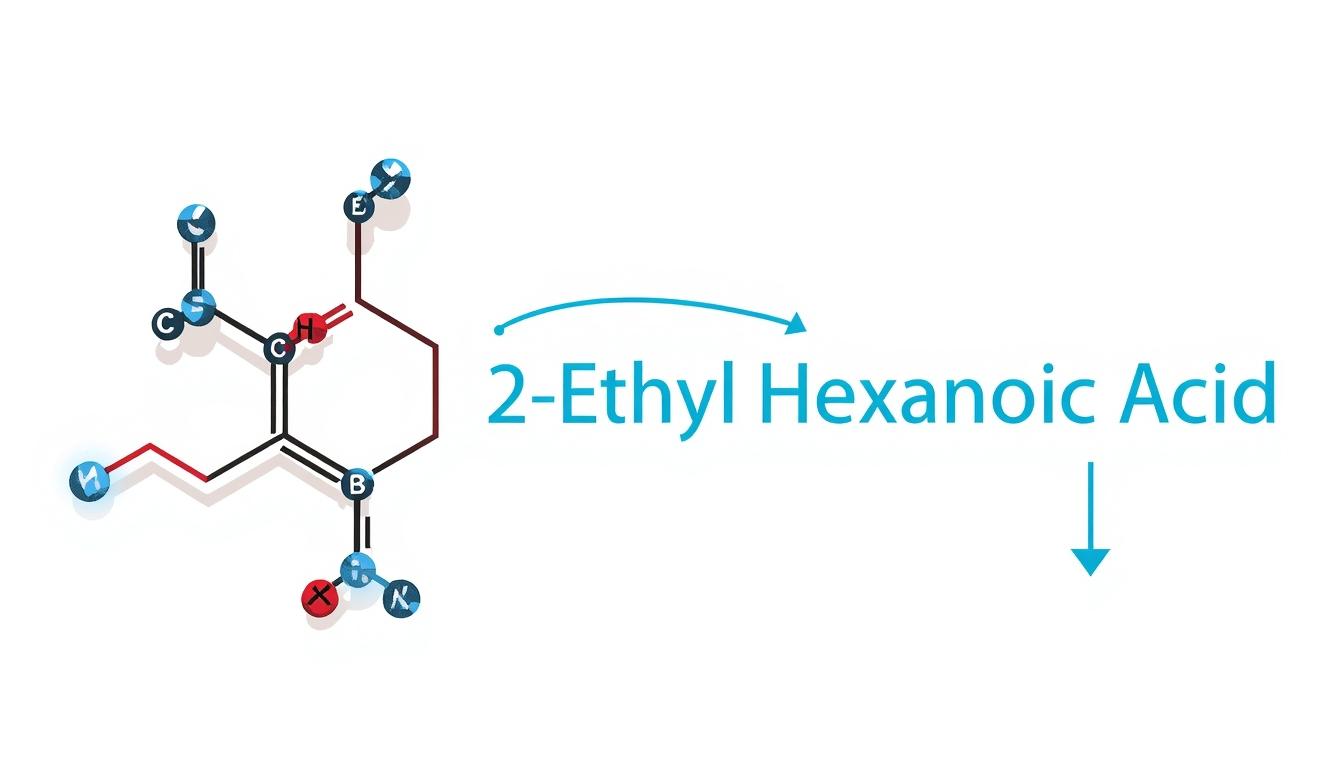
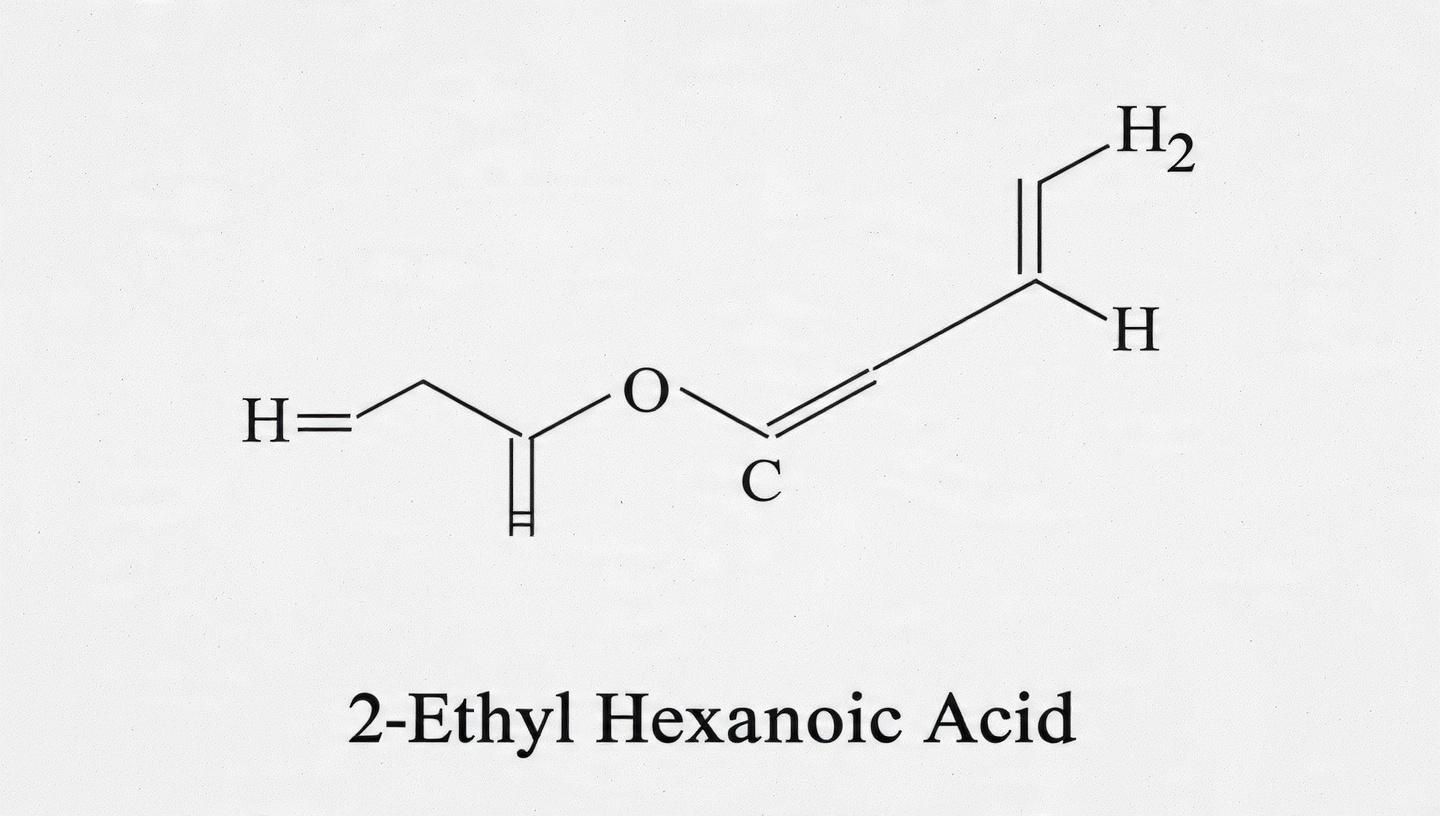
    2-Ethyl Hexanoic Acid
    2 Ethyl Hexanoic Acid (EHA) price trend with weekly updated pricing forecast, demand, size, historical data 2015-26, chart and suppliers.
    0 التعليقات 0 المشاركات 169 مشاهدة 0 معاينة
  • The Oleic Acid Price Trend is something many industries pay close attention to, even if most everyday consumers are not aware of it. Oleic acid is widely used in products people use daily, such as soaps, detergents, cosmetics, food items, pharmaceuticals, and industrial lubricants. Because it comes mainly from natural oils like palm oil, soybean oil, and sunflower oil, its pricing is closely connected to agriculture, weather, labor availability, and global trade conditions.

    Read full report analysis: https://www.price-watch.ai/oleic-acid-prices/
    The Oleic Acid Price Trend is something many industries pay close attention to, even if most everyday consumers are not aware of it. Oleic acid is widely used in products people use daily, such as soaps, detergents, cosmetics, food items, pharmaceuticals, and industrial lubricants. Because it comes mainly from natural oils like palm oil, soybean oil, and sunflower oil, its pricing is closely connected to agriculture, weather, labor availability, and global trade conditions. Read full report analysis: https://www.price-watch.ai/oleic-acid-prices/
    0 التعليقات 0 المشاركات 530 مشاهدة 0 معاينة
  • Graphite Price Trend: A Simple and Practical View of Market Movement

    The Graphite Price Trend has gained more attention in recent years because graphite is no longer limited to traditional industries. It is now an important material for batteries, electric vehicles, electronics, and renewable energy storage, along with its long-standing use in steelmaking and lubricants. Because of this wide range of uses, changes in graphite prices reflect both industrial growth and shifts in modern technology. This article explains the graphite price trend in a simple and natural way, based on general market experience.

    Click to Read More: https://www.price-watch.ai/graphite-prices/
    Graphite Price Trend: A Simple and Practical View of Market Movement The Graphite Price Trend has gained more attention in recent years because graphite is no longer limited to traditional industries. It is now an important material for batteries, electric vehicles, electronics, and renewable energy storage, along with its long-standing use in steelmaking and lubricants. Because of this wide range of uses, changes in graphite prices reflect both industrial growth and shifts in modern technology. This article explains the graphite price trend in a simple and natural way, based on general market experience. Click to Read More: https://www.price-watch.ai/graphite-prices/
    0 التعليقات 0 المشاركات 1كيلو بايت مشاهدة 0 معاينة
  • https://irenegarcia23343.blogspot.com/2025/11/india-synthetic-lubricants-market-set.html
    https://irenegarcia23343.blogspot.com/2025/11/india-synthetic-lubricants-market-set.html
    IRENEGARCIA23343.BLOGSPOT.COM
    India Synthetic Lubricants Market Set to Grow at 10.30% CAGR by 2030 – MarkNtel
    MarkNtel Advisors Releases Comprehensive Study on the India Synthetic Lubricants Market, Forecasting Strong Growth from 2025-2030 Mark...
    0 التعليقات 0 المشاركات 221 مشاهدة 0 معاينة
الصفحات المعززة
إعلان مُمول
إعلان مُمول