• Nitrobenzene Price Trend Report: Comprehensive Charting of Price Movements, Macro-Economic Influences, and Strategic Insights for Procurement and Supply Chain Optimization

    Neopentyl Glycol Price Trend, commonly known as NPG, is an important chemical used in many everyday products. It plays a key role in making paints, coatings, resins, plastics, lubricants, and construction materials. Because of its wide usage, the Neopentyl Glycol price trend is closely watched by manufacturers, traders, and industries around the world. Over time, its pricing has shown noticeable movement influenced by raw materials, energy costs, supply chains, and market demand.
    Understanding how and why NPG prices change helps businesses plan better and manage costs more effectively. The price trend is not random; it usually reflects broader economic and industrial conditions.

    Please Submit Your Query for Neopentyl Glycol Price Trend, demand-supply, suppliers, market analysis:https://www.price-watch.ai/book-a-demo/

    Factors Influencing Neopentyl Glycol Price Trend

    The Neopentyl Glycol price trend is strongly connected to the cost of its raw materials. NPG is produced using petrochemical derivatives, and fluctuations in crude oil prices directly affect production expenses. When oil prices rise, manufacturers often face higher input costs, which can push NPG prices upward.
    Energy costs also play an important role. Chemical production is energy-intensive, and changes in electricity or fuel prices can impact overall manufacturing expenses. In times of high energy costs, producers may raise prices to maintain profit margins.
    Supply chain conditions are another major factor. Delays in transportation, port congestion, or limited availability of raw materials can reduce supply in the market. When supply tightens while demand remains stable or increases, prices usually move higher.

    Demand Trends and Their Impact on Prices

    Demand from end-use industries has a direct effect on the Neopentyl Glycol price trend. The construction and automotive sectors are among the largest consumers of NPG-based products such as coatings and resins. When these industries perform well, demand for NPG rises, supporting higher prices.
    Seasonal demand also influences pricing patterns. In many regions, construction and industrial activity increases during specific periods of the year, leading to higher consumption of paints and coatings. During such times, NPG prices often show an upward trend.
    On the other hand, during economic slowdowns or reduced industrial output, demand weakens. This can create excess supply in the market, putting downward pressure on prices.

    Conclusion

    The Neopentyl Glycol price trend reflects a balance between production costs, demand from key industries, and global economic conditions. Changes in raw material prices, energy costs, and supply chain efficiency play a major role in shaping market movement. By keeping an eye on these factors, businesses can better understand price behavior and make informed purchasing decisions.
    Overall, Neopentyl Glycol remains an essential industrial chemical, and its price trend will continue to evolve alongside global market dynamics and industrial growth.

    Please Submit Your Query for Neopentyl Glycol Price Trend, demand-supply, suppliers, market analysis:https://www.price-watch.ai/book-a-demo/

    About Price Watch™ AI

    Price-Watch AI is an India-based, independent raw material price reporting agency that provides real-time price forecasts and data-driven insights into global raw material markets. Price-Watch AI specializes in tracking raw material prices, analyzing market trends, and delivering timely updates on plant shutdowns, supply disruptions, capacity expansions, and demand-supply dynamics. The Price-Watch AI platform empowers manufacturers, traders, and procurement professionals to make faster, smarter decisions. Leveraging AI-powered forecasting and over a decade of historical data, Price-Watch AI transforms market volatility into actionable opportunity.

    Futura Tech Park,
    C Block, 8th floor 334,
    Old Mahabalipuram Road,
    Sholinganallur, Chennai,
    Tamil Nadu, Pincode - 600119.

    LinkedIn: https://www.linkedin.com/company/price-watch-ai/
    Facebook: https://www.facebook.com/people/Price-Watch/61568490385598/
    Twitter: https://x.com/pricewatchai
    Website: https://www.price-watch.ai/
    Nitrobenzene Price Trend Report: Comprehensive Charting of Price Movements, Macro-Economic Influences, and Strategic Insights for Procurement and Supply Chain Optimization Neopentyl Glycol Price Trend, commonly known as NPG, is an important chemical used in many everyday products. It plays a key role in making paints, coatings, resins, plastics, lubricants, and construction materials. Because of its wide usage, the Neopentyl Glycol price trend is closely watched by manufacturers, traders, and industries around the world. Over time, its pricing has shown noticeable movement influenced by raw materials, energy costs, supply chains, and market demand. Understanding how and why NPG prices change helps businesses plan better and manage costs more effectively. The price trend is not random; it usually reflects broader economic and industrial conditions. 👉 👉 👉 Please Submit Your Query for Neopentyl Glycol Price Trend, demand-supply, suppliers, market analysis:https://www.price-watch.ai/book-a-demo/ Factors Influencing Neopentyl Glycol Price Trend The Neopentyl Glycol price trend is strongly connected to the cost of its raw materials. NPG is produced using petrochemical derivatives, and fluctuations in crude oil prices directly affect production expenses. When oil prices rise, manufacturers often face higher input costs, which can push NPG prices upward. Energy costs also play an important role. Chemical production is energy-intensive, and changes in electricity or fuel prices can impact overall manufacturing expenses. In times of high energy costs, producers may raise prices to maintain profit margins. Supply chain conditions are another major factor. Delays in transportation, port congestion, or limited availability of raw materials can reduce supply in the market. When supply tightens while demand remains stable or increases, prices usually move higher. Demand Trends and Their Impact on Prices Demand from end-use industries has a direct effect on the Neopentyl Glycol price trend. The construction and automotive sectors are among the largest consumers of NPG-based products such as coatings and resins. When these industries perform well, demand for NPG rises, supporting higher prices. Seasonal demand also influences pricing patterns. In many regions, construction and industrial activity increases during specific periods of the year, leading to higher consumption of paints and coatings. During such times, NPG prices often show an upward trend. On the other hand, during economic slowdowns or reduced industrial output, demand weakens. This can create excess supply in the market, putting downward pressure on prices. Conclusion The Neopentyl Glycol price trend reflects a balance between production costs, demand from key industries, and global economic conditions. Changes in raw material prices, energy costs, and supply chain efficiency play a major role in shaping market movement. By keeping an eye on these factors, businesses can better understand price behavior and make informed purchasing decisions. Overall, Neopentyl Glycol remains an essential industrial chemical, and its price trend will continue to evolve alongside global market dynamics and industrial growth. 👉 👉 👉 Please Submit Your Query for Neopentyl Glycol Price Trend, demand-supply, suppliers, market analysis:https://www.price-watch.ai/book-a-demo/ About Price Watch™ AI Price-Watch AI is an India-based, independent raw material price reporting agency that provides real-time price forecasts and data-driven insights into global raw material markets. Price-Watch AI specializes in tracking raw material prices, analyzing market trends, and delivering timely updates on plant shutdowns, supply disruptions, capacity expansions, and demand-supply dynamics. The Price-Watch AI platform empowers manufacturers, traders, and procurement professionals to make faster, smarter decisions. Leveraging AI-powered forecasting and over a decade of historical data, Price-Watch AI transforms market volatility into actionable opportunity. Futura Tech Park, C Block, 8th floor 334, Old Mahabalipuram Road, Sholinganallur, Chennai, Tamil Nadu, Pincode - 600119. LinkedIn: https://www.linkedin.com/company/price-watch-ai/ Facebook: https://www.facebook.com/people/Price-Watch/61568490385598/ Twitter: https://x.com/pricewatchai Website: https://www.price-watch.ai/
    0 Комментарии 0 Поделились 302 Просмотры 0 предпросмотр
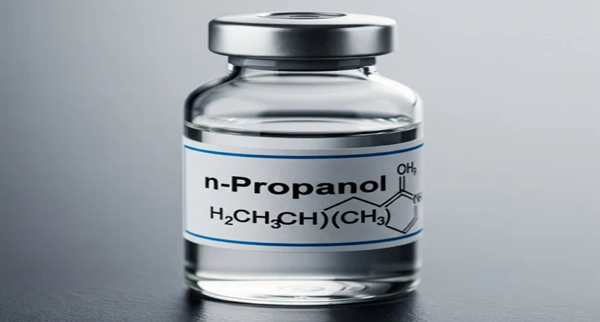
  • N Propanol Price Trend Report: Historical Data Analysis, Forecast Models, Regional Variances, and Strategic Implications for Chemical Manufacturers and Buyers

    N Propanol Price Trend, also known as normal propanol, is a commonly used chemical in various industries. From pharmaceuticals to cosmetics and cleaning products, this versatile alcohol plays an important role in everyday manufacturing processes. Due to its widespread use, monitoring the price trend of N-Propanol has become significant for businesses, traders, and even end consumers.

    Please Submit Your Query for N-Propanol Price Trend, demand-supply, suppliers, market analysis:https://www.price-watch.ai/book-a-demo/

    Factors Affecting N-Propanol Prices

    The price of N-Propanol is influenced by several factors. One of the primary drivers is raw material cost. N-Propanol is produced from petrochemical derivatives, so fluctuations in crude oil prices directly impact its production cost. When crude oil prices rise, the cost to produce N-Propanol also increases, which in turn drives the market price up. Conversely, when oil prices fall, N-Propanol becomes more affordable for manufacturers.
    Supply and demand dynamics also play a crucial role in shaping the price trend. In periods of high demand, such as during the production of cleaning agents or disinfectants, the price tends to rise. On the other hand, when demand slows down, prices may stabilize or decrease. Seasonal demand changes, particularly in regions with high industrial activity, can cause noticeable short-term fluctuations in pricing.
    Global events and economic conditions further influence N-Propanol pricing. Events such as natural disasters, geopolitical tensions, or international trade restrictions can affect supply chains, leading to sudden price changes. For instance, if a major chemical-producing country faces a production shortfall, global prices of N-Propanol may spike.

    Recent Trends in N-Propanol Prices

    Over the past year, N-Propanol prices have shown a mix of stability and occasional volatility. In the beginning months, the market experienced moderate growth in prices due to steady demand from industrial sectors. However, sudden changes in raw material costs led to temporary spikes.
    Mid-year, the price trend appeared more stable as supply and demand balanced out. Manufacturers adjusted production levels to meet market needs without overproducing, which helped maintain a consistent price range. Analysts have noted that this pattern reflects a maturing market where both suppliers and buyers are becoming more experienced in predicting demand and adjusting accordingly.
    Towards the end of the year, some price fluctuations were observed again, mainly driven by international factors. Currency exchange rates, import-export regulations, and shipping costs influenced the overall price trend. Businesses that rely on N-Propanol had to plan carefully to avoid unexpected expenses during these periods.

    Conclusion

    Monitoring the N-Propanol price trend is essential for businesses and industries that rely on this versatile chemical. Prices are affected by a combination of raw material costs, supply-demand dynamics, regional factors, and global economic events. Recent trends show a market that is generally stable but susceptible to occasional fluctuations. Looking forward, careful planning, technological improvements, and awareness of market conditions will help businesses navigate the N-Propanol market effectively.
    Understanding these trends not only helps manufacturers manage costs but also provides insights into potential future movements in the chemical industry. For anyone involved in the use or trading of N-Propanol, staying informed about price trends is a smart way to ensure smoother operations and better financial planning.

    Please Submit Your Query for N-Propanol Price Trend, demand-supply, suppliers, market analysis:https://www.price-watch.ai/book-a-demo/

    About Price Watch™ AI

    Price-Watch AI is an India-based, independent raw material price reporting agency that provides real-time price forecasts and data-driven insights into global raw material markets. Price-Watch AI specializes in tracking raw material prices, analyzing market trends, and delivering timely updates on plant shutdowns, supply disruptions, capacity expansions, and demand-supply dynamics. The Price-Watch AI platform empowers manufacturers, traders, and procurement professionals to make faster, smarter decisions. Leveraging AI-powered forecasting and over a decade of historical data, Price-Watch AI transforms market volatility into actionable opportunity.

    Futura Tech Park,
    C Block, 8th floor 334,
    Old Mahabalipuram Road,
    Sholinganallur, Chennai,
    Tamil Nadu, Pincode - 600119.

    LinkedIn: https://www.linkedin.com/company/price-watch-ai/
    Facebook: https://www.facebook.com/people/Price-Watch/61568490385598/
    Twitter: https://x.com/pricewatchai
    Website: https://www.price-watch.ai/
    N Propanol Price Trend Report: Historical Data Analysis, Forecast Models, Regional Variances, and Strategic Implications for Chemical Manufacturers and Buyers N Propanol Price Trend, also known as normal propanol, is a commonly used chemical in various industries. From pharmaceuticals to cosmetics and cleaning products, this versatile alcohol plays an important role in everyday manufacturing processes. Due to its widespread use, monitoring the price trend of N-Propanol has become significant for businesses, traders, and even end consumers. 👉 👉 👉 Please Submit Your Query for N-Propanol Price Trend, demand-supply, suppliers, market analysis:https://www.price-watch.ai/book-a-demo/ Factors Affecting N-Propanol Prices The price of N-Propanol is influenced by several factors. One of the primary drivers is raw material cost. N-Propanol is produced from petrochemical derivatives, so fluctuations in crude oil prices directly impact its production cost. When crude oil prices rise, the cost to produce N-Propanol also increases, which in turn drives the market price up. Conversely, when oil prices fall, N-Propanol becomes more affordable for manufacturers. Supply and demand dynamics also play a crucial role in shaping the price trend. In periods of high demand, such as during the production of cleaning agents or disinfectants, the price tends to rise. On the other hand, when demand slows down, prices may stabilize or decrease. Seasonal demand changes, particularly in regions with high industrial activity, can cause noticeable short-term fluctuations in pricing. Global events and economic conditions further influence N-Propanol pricing. Events such as natural disasters, geopolitical tensions, or international trade restrictions can affect supply chains, leading to sudden price changes. For instance, if a major chemical-producing country faces a production shortfall, global prices of N-Propanol may spike. Recent Trends in N-Propanol Prices Over the past year, N-Propanol prices have shown a mix of stability and occasional volatility. In the beginning months, the market experienced moderate growth in prices due to steady demand from industrial sectors. However, sudden changes in raw material costs led to temporary spikes. Mid-year, the price trend appeared more stable as supply and demand balanced out. Manufacturers adjusted production levels to meet market needs without overproducing, which helped maintain a consistent price range. Analysts have noted that this pattern reflects a maturing market where both suppliers and buyers are becoming more experienced in predicting demand and adjusting accordingly. Towards the end of the year, some price fluctuations were observed again, mainly driven by international factors. Currency exchange rates, import-export regulations, and shipping costs influenced the overall price trend. Businesses that rely on N-Propanol had to plan carefully to avoid unexpected expenses during these periods. Conclusion Monitoring the N-Propanol price trend is essential for businesses and industries that rely on this versatile chemical. Prices are affected by a combination of raw material costs, supply-demand dynamics, regional factors, and global economic events. Recent trends show a market that is generally stable but susceptible to occasional fluctuations. Looking forward, careful planning, technological improvements, and awareness of market conditions will help businesses navigate the N-Propanol market effectively. Understanding these trends not only helps manufacturers manage costs but also provides insights into potential future movements in the chemical industry. For anyone involved in the use or trading of N-Propanol, staying informed about price trends is a smart way to ensure smoother operations and better financial planning. 👉 👉 👉 Please Submit Your Query for N-Propanol Price Trend, demand-supply, suppliers, market analysis:https://www.price-watch.ai/book-a-demo/ About Price Watch™ AI Price-Watch AI is an India-based, independent raw material price reporting agency that provides real-time price forecasts and data-driven insights into global raw material markets. Price-Watch AI specializes in tracking raw material prices, analyzing market trends, and delivering timely updates on plant shutdowns, supply disruptions, capacity expansions, and demand-supply dynamics. The Price-Watch AI platform empowers manufacturers, traders, and procurement professionals to make faster, smarter decisions. Leveraging AI-powered forecasting and over a decade of historical data, Price-Watch AI transforms market volatility into actionable opportunity. Futura Tech Park, C Block, 8th floor 334, Old Mahabalipuram Road, Sholinganallur, Chennai, Tamil Nadu, Pincode - 600119. LinkedIn: https://www.linkedin.com/company/price-watch-ai/ Facebook: https://www.facebook.com/people/Price-Watch/61568490385598/ Twitter: https://x.com/pricewatchai Website: https://www.price-watch.ai/
    0 Комментарии 0 Поделились 205 Просмотры 0 предпросмотр
  • Long-Term Price Trend and Market Insights for Monoisopropylamine: Comprehensive Review of Economic, Industry, and Trade Influencers

    The monoisopropylamine price trend has shown noticeable movement over the past few years as market conditions, supply chains, and industrial demand continue to shift. Monoisopropylamine is widely used in pharmaceuticals, agrochemicals, coatings, and specialty chemical manufacturing, making its pricing sensitive to both raw material costs and downstream industry performance. Because it sits in the middle of several important production chains, even small changes in related markets can influence its price direction.
    In general, prices of monoisopropylamine do not remain static for long. Instead, they react to broader economic conditions, energy costs, and manufacturing output levels. This makes tracking its price trend important for buyers, suppliers, and businesses planning long-term procurement strategies.

    Please Submit Your Query for Monoisopropylamine Price Trend, demand-supply, suppliers, market analysis:https://www.price-watch.ai/book-a-demo/

    Key Factors Influencing Monoisopropylamine Prices

    One of the biggest drivers of monoisopropylamine price trends is the cost of raw materials. Since the production process relies on basic petrochemical derivatives, any rise in crude oil or feedstock prices tends to push production costs higher. When manufacturers face higher input expenses, these costs are often reflected in the market price of monoisopropylamine.
    Energy prices also play a major role. Chemical manufacturing is energy-intensive, so fluctuations in electricity, natural gas, or fuel prices can directly impact overall production expenses. During periods of high energy costs, suppliers may adjust prices upward to maintain profitability.
    Another important factor is supply availability. When production plants face shutdowns due to maintenance, environmental regulations, or unexpected disruptions, supply tightens. Reduced availability often leads to temporary price increases, especially when demand remains steady.

    Demand Patterns and Market Behavior

    Demand trends strongly influence the monoisopropylamine price trend. Industries such as pharmaceuticals and agrochemicals often show seasonal or cyclical demand patterns. During peak production periods, especially in agricultural seasons, demand for monoisopropylamine can rise, placing upward pressure on prices.
    On the other hand, when downstream industries slow down due to economic uncertainty or reduced consumer spending, demand weakens. In such cases, suppliers may lower prices or offer competitive deals to maintain sales volumes. This push and pull between demand and supply creates frequent short-term price adjustments.
    Export and import activity also affects pricing behavior. Regions that depend heavily on imports may experience sharper price swings if global logistics face disruptions or if currency values change significantly.

    Regional Trends in Monoisopropylamine Pricing

    Monoisopropylamine price trends can vary from one region to another. In areas with strong domestic production capacity, prices tend to be more stable because local supply can quickly respond to demand changes. However, in regions that rely on imports, prices are more sensitive to freight costs, port congestion, and international trade conditions.

    Conclusion

    The monoisopropylamine price trend is shaped by a combination of raw material costs, energy prices, demand cycles, and global economic conditions. While short-term fluctuations are common, the long-term outlook points toward balanced growth supported by steady industrial demand. Keeping track of these trends helps businesses make informed purchasing decisions and manage cost risks effectively in an evolving chemical market.

    Please Submit Your Query for Monoisopropylamine Price Trend, demand-supply, suppliers, market analysis:https://www.price-watch.ai/book-a-demo/

    About Price Watch™ AI

    Price-Watch AI is an India-based, independent raw material price reporting agency that provides real-time price forecasts and data-driven insights into global raw material markets. Price-Watch AI specializes in tracking raw material prices, analyzing market trends, and delivering timely updates on plant shutdowns, supply disruptions, capacity expansions, and demand-supply dynamics. The Price-Watch AI platform empowers manufacturers, traders, and procurement professionals to make faster, smarter decisions. Leveraging AI-powered forecasting and over a decade of historical data, Price-Watch AI transforms market volatility into actionable opportunity.

    Futura Tech Park,
    C Block, 8th floor 334,
    Old Mahabalipuram Road,
    Sholinganallur, Chennai,
    Tamil Nadu, Pincode - 600119.

    LinkedIn: https://www.linkedin.com/company/price-watch-ai/
    Facebook: https://www.facebook.com/people/Price-Watch/61568490385598/
    Twitter: https://x.com/pricewatchai
    Website: https://www.price-watch.ai/
    Long-Term Price Trend and Market Insights for Monoisopropylamine: Comprehensive Review of Economic, Industry, and Trade Influencers The monoisopropylamine price trend has shown noticeable movement over the past few years as market conditions, supply chains, and industrial demand continue to shift. Monoisopropylamine is widely used in pharmaceuticals, agrochemicals, coatings, and specialty chemical manufacturing, making its pricing sensitive to both raw material costs and downstream industry performance. Because it sits in the middle of several important production chains, even small changes in related markets can influence its price direction. In general, prices of monoisopropylamine do not remain static for long. Instead, they react to broader economic conditions, energy costs, and manufacturing output levels. This makes tracking its price trend important for buyers, suppliers, and businesses planning long-term procurement strategies. 👉 👉 👉 Please Submit Your Query for Monoisopropylamine Price Trend, demand-supply, suppliers, market analysis:https://www.price-watch.ai/book-a-demo/ Key Factors Influencing Monoisopropylamine Prices One of the biggest drivers of monoisopropylamine price trends is the cost of raw materials. Since the production process relies on basic petrochemical derivatives, any rise in crude oil or feedstock prices tends to push production costs higher. When manufacturers face higher input expenses, these costs are often reflected in the market price of monoisopropylamine. Energy prices also play a major role. Chemical manufacturing is energy-intensive, so fluctuations in electricity, natural gas, or fuel prices can directly impact overall production expenses. During periods of high energy costs, suppliers may adjust prices upward to maintain profitability. Another important factor is supply availability. When production plants face shutdowns due to maintenance, environmental regulations, or unexpected disruptions, supply tightens. Reduced availability often leads to temporary price increases, especially when demand remains steady. Demand Patterns and Market Behavior Demand trends strongly influence the monoisopropylamine price trend. Industries such as pharmaceuticals and agrochemicals often show seasonal or cyclical demand patterns. During peak production periods, especially in agricultural seasons, demand for monoisopropylamine can rise, placing upward pressure on prices. On the other hand, when downstream industries slow down due to economic uncertainty or reduced consumer spending, demand weakens. In such cases, suppliers may lower prices or offer competitive deals to maintain sales volumes. This push and pull between demand and supply creates frequent short-term price adjustments. Export and import activity also affects pricing behavior. Regions that depend heavily on imports may experience sharper price swings if global logistics face disruptions or if currency values change significantly. Regional Trends in Monoisopropylamine Pricing Monoisopropylamine price trends can vary from one region to another. In areas with strong domestic production capacity, prices tend to be more stable because local supply can quickly respond to demand changes. However, in regions that rely on imports, prices are more sensitive to freight costs, port congestion, and international trade conditions. Conclusion The monoisopropylamine price trend is shaped by a combination of raw material costs, energy prices, demand cycles, and global economic conditions. While short-term fluctuations are common, the long-term outlook points toward balanced growth supported by steady industrial demand. Keeping track of these trends helps businesses make informed purchasing decisions and manage cost risks effectively in an evolving chemical market. 👉 👉 👉 Please Submit Your Query for Monoisopropylamine Price Trend, demand-supply, suppliers, market analysis:https://www.price-watch.ai/book-a-demo/ About Price Watch™ AI Price-Watch AI is an India-based, independent raw material price reporting agency that provides real-time price forecasts and data-driven insights into global raw material markets. Price-Watch AI specializes in tracking raw material prices, analyzing market trends, and delivering timely updates on plant shutdowns, supply disruptions, capacity expansions, and demand-supply dynamics. The Price-Watch AI platform empowers manufacturers, traders, and procurement professionals to make faster, smarter decisions. Leveraging AI-powered forecasting and over a decade of historical data, Price-Watch AI transforms market volatility into actionable opportunity. Futura Tech Park, C Block, 8th floor 334, Old Mahabalipuram Road, Sholinganallur, Chennai, Tamil Nadu, Pincode - 600119. LinkedIn: https://www.linkedin.com/company/price-watch-ai/ Facebook: https://www.facebook.com/people/Price-Watch/61568490385598/ Twitter: https://x.com/pricewatchai Website: https://www.price-watch.ai/
    0 Комментарии 0 Поделились 185 Просмотры 0 предпросмотр
  • Global Polyacrylamide Price Trend Analysis: Historical and Forecasted Market Dynamics, Supply-Demand Drivers, Regional Variations, Impact of Raw Material Costs, and Future Outlook Through 2025–2030

    Poly Acrylamide is a chemical that quietly plays a big role in everyday industries. It is widely used in water treatment, oil and gas recovery, paper manufacturing, mining, and even agriculture. Because it is so closely linked to industrial activity, its price does not stay still for long. The Poly Acrylamide price trend reflects changes in raw materials, energy costs, demand from key industries, and overall market confidence. Understanding this trend does not require technical knowledge; it can be explained through general experience and common market behavior.

    Please Submit Your Query for Poly Acrylamide Price Trend, demand-supply, suppliers, market analysis:https://www.price-watch.ai/book-a-demo/

    Raw Material and Production Cost Influence

    One of the main reasons behind changes in the Poly Acrylamide price trend is the cost of raw materials. Poly Acrylamide is produced from acrylamide, which itself is derived from petrochemical sources. When crude oil prices rise, the cost of producing petrochemical derivatives usually increases as well. This increase eventually flows down to Poly Acrylamide prices. Along with raw materials, energy plays a major role. Manufacturing Poly Acrylamide requires electricity, steam, and controlled processing conditions. When energy prices go up, producers often adjust their pricing to protect margins, leading to an upward price trend.

    Demand from Water Treatment and Industrial Use

    Water treatment is one of the largest consumers of Poly Acrylamide. Municipal water plants, wastewater facilities, and industrial effluent treatment units rely heavily on it for clarification and filtration. When governments invest more in clean water projects or tighten environmental regulations, demand naturally rises. This higher demand can push prices upward, especially if supply does not expand at the same pace. Similarly, industries such as paper, textiles, and mining increase usage during periods of economic growth, which strengthens the Poly Acrylamide price trend.

    Oil and Gas Sector Impact on Prices

    The oil and gas industry also has a strong influence on Poly Acrylamide prices. It is commonly used in enhanced oil recovery and drilling operations. When oil prices are high, exploration and production activities usually increase. This leads to greater consumption of Poly Acrylamide, adding pressure on supply. In contrast, when oil prices fall and drilling slows down, demand softens, which can result in stable or even lower prices. This close connection makes the Poly Acrylamide price trend sensitive to energy market cycles.

    Supply Chain and Manufacturing Capacity

    Supply conditions play an equally important role in shaping the Poly Acrylamide price trend. If manufacturing plants face shutdowns due to maintenance, environmental inspections, or unexpected disruptions, supply tightens. Even short-term supply issues can affect prices, especially in regions where local production is limited.

    Conclusion

    In simple terms, the Poly Acrylamide price trend moves with the rhythm of industry, energy markets, and environmental needs. When production costs rise or demand strengthens, prices move up. When supply improves or industrial activity slows, prices stabilize or ease. By observing factors like raw materials, energy, industrial growth, and regional demand, it becomes easier to understand why Poly Acrylamide prices behave the way they do. This practical, experience-based view helps businesses and buyers make better decisions without needing complex market analysis.

    Please Submit Your Query for Poly Acrylamide Price Trend, demand-supply, suppliers, market analysis:https://www.price-watch.ai/book-a-demo/

    About Price Watch™ AI

    Price-Watch AI is an India-based, independent raw material price reporting agency that provides real-time price forecasts and data-driven insights into global raw material markets. Price-Watch AI specializes in tracking raw material prices, analyzing market trends, and delivering timely updates on plant shutdowns, supply disruptions, capacity expansions, and demand-supply dynamics. The Price-Watch AI platform empowers manufacturers, traders, and procurement professionals to make faster, smarter decisions. Leveraging AI-powered forecasting and over a decade of historical data, Price-Watch AI transforms market volatility into actionable opportunity.

    Futura Tech Park,
    C Block, 8th floor 334,
    Old Mahabalipuram Road,
    Sholinganallur, Chennai,
    Tamil Nadu, Pincode - 600119.

    LinkedIn: https://www.linkedin.com/company/price-watch-ai/
    Facebook: https://www.facebook.com/people/Price-Watch/61568490385598/
    Twitter: https://x.com/pricewatchai
    Website: https://www.price-watch.ai/
    Global Polyacrylamide Price Trend Analysis: Historical and Forecasted Market Dynamics, Supply-Demand Drivers, Regional Variations, Impact of Raw Material Costs, and Future Outlook Through 2025–2030 Poly Acrylamide is a chemical that quietly plays a big role in everyday industries. It is widely used in water treatment, oil and gas recovery, paper manufacturing, mining, and even agriculture. Because it is so closely linked to industrial activity, its price does not stay still for long. The Poly Acrylamide price trend reflects changes in raw materials, energy costs, demand from key industries, and overall market confidence. Understanding this trend does not require technical knowledge; it can be explained through general experience and common market behavior. 👉 👉 👉 Please Submit Your Query for Poly Acrylamide Price Trend, demand-supply, suppliers, market analysis:https://www.price-watch.ai/book-a-demo/ Raw Material and Production Cost Influence One of the main reasons behind changes in the Poly Acrylamide price trend is the cost of raw materials. Poly Acrylamide is produced from acrylamide, which itself is derived from petrochemical sources. When crude oil prices rise, the cost of producing petrochemical derivatives usually increases as well. This increase eventually flows down to Poly Acrylamide prices. Along with raw materials, energy plays a major role. Manufacturing Poly Acrylamide requires electricity, steam, and controlled processing conditions. When energy prices go up, producers often adjust their pricing to protect margins, leading to an upward price trend. Demand from Water Treatment and Industrial Use Water treatment is one of the largest consumers of Poly Acrylamide. Municipal water plants, wastewater facilities, and industrial effluent treatment units rely heavily on it for clarification and filtration. When governments invest more in clean water projects or tighten environmental regulations, demand naturally rises. This higher demand can push prices upward, especially if supply does not expand at the same pace. Similarly, industries such as paper, textiles, and mining increase usage during periods of economic growth, which strengthens the Poly Acrylamide price trend. Oil and Gas Sector Impact on Prices The oil and gas industry also has a strong influence on Poly Acrylamide prices. It is commonly used in enhanced oil recovery and drilling operations. When oil prices are high, exploration and production activities usually increase. This leads to greater consumption of Poly Acrylamide, adding pressure on supply. In contrast, when oil prices fall and drilling slows down, demand softens, which can result in stable or even lower prices. This close connection makes the Poly Acrylamide price trend sensitive to energy market cycles. Supply Chain and Manufacturing Capacity Supply conditions play an equally important role in shaping the Poly Acrylamide price trend. If manufacturing plants face shutdowns due to maintenance, environmental inspections, or unexpected disruptions, supply tightens. Even short-term supply issues can affect prices, especially in regions where local production is limited. Conclusion In simple terms, the Poly Acrylamide price trend moves with the rhythm of industry, energy markets, and environmental needs. When production costs rise or demand strengthens, prices move up. When supply improves or industrial activity slows, prices stabilize or ease. By observing factors like raw materials, energy, industrial growth, and regional demand, it becomes easier to understand why Poly Acrylamide prices behave the way they do. This practical, experience-based view helps businesses and buyers make better decisions without needing complex market analysis. 👉 👉 👉 Please Submit Your Query for Poly Acrylamide Price Trend, demand-supply, suppliers, market analysis:https://www.price-watch.ai/book-a-demo/ About Price Watch™ AI Price-Watch AI is an India-based, independent raw material price reporting agency that provides real-time price forecasts and data-driven insights into global raw material markets. Price-Watch AI specializes in tracking raw material prices, analyzing market trends, and delivering timely updates on plant shutdowns, supply disruptions, capacity expansions, and demand-supply dynamics. The Price-Watch AI platform empowers manufacturers, traders, and procurement professionals to make faster, smarter decisions. Leveraging AI-powered forecasting and over a decade of historical data, Price-Watch AI transforms market volatility into actionable opportunity. Futura Tech Park, C Block, 8th floor 334, Old Mahabalipuram Road, Sholinganallur, Chennai, Tamil Nadu, Pincode - 600119. LinkedIn: https://www.linkedin.com/company/price-watch-ai/ Facebook: https://www.facebook.com/people/Price-Watch/61568490385598/ Twitter: https://x.com/pricewatchai Website: https://www.price-watch.ai/
    0 Комментарии 0 Поделились 437 Просмотры 0 предпросмотр
  • Toluene Diisocyanate (TDI) Price Trend Report: Historical Data, Current Market Scenario, Regional Insights, and Forecast Analysis

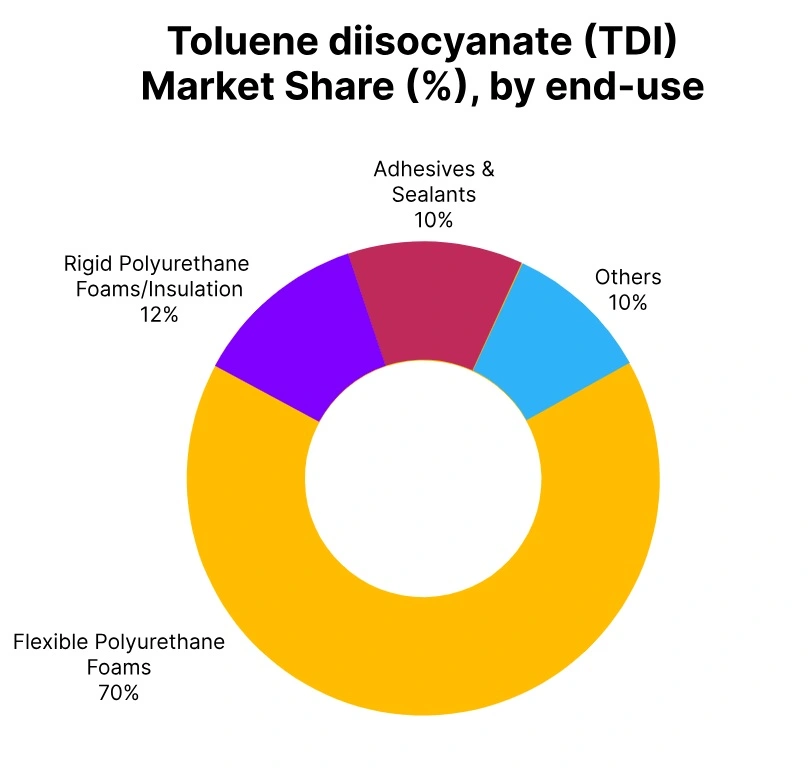
    Toluene Diisocyanate, often called TDI, is a well-known chemical used mainly in the production of flexible polyurethane foams. These foams are commonly found in mattresses, sofas, car seats, and insulation materials. Because TDI is closely connected to everyday consumer products, its price trend reflects not only chemical market conditions but also broader economic activities. Over time, the Toluene Diisocyanate price trend has shown noticeable changes influenced by supply, demand, and global events.

    Please Submit Your Query for Toluene Diisocyanate Price Trend, suppliers, market analysis:https://www.price-watch.ai/book-a-demo/

    Basic Factors That Influence Toluene Diisocyanate Prices

    The price of Toluene Diisocyanate is largely shaped by raw material costs. TDI is produced from petrochemical derivatives, so fluctuations in crude oil prices play a major role. When crude oil prices rise, production costs usually increase, which often leads to higher TDI prices. On the other hand, when oil prices fall, manufacturers may get some cost relief, which can stabilize or lower prices.
    Another important factor is energy cost. Chemical manufacturing is energy-intensive, and any increase in electricity or fuel prices can directly affect TDI production expenses. Regions with high energy costs often see comparatively higher TDI prices, especially during periods of energy shortages or regulatory changes.

    Demand Trends and Their Impact on Prices

    Demand from end-use industries strongly affects the Toluene Diisocyanate price trend. The furniture and bedding industry is one of the largest consumers of TDI-based foam. When housing activity increases or consumer spending on home products rises, demand for flexible foam grows, pushing TDI prices upward. Similarly, growth in the automotive sector boosts TDI consumption, as vehicle seating and interior components rely heavily on polyurethane foam.
    During periods of economic slowdown, demand from these sectors usually weakens. This reduced consumption can put downward pressure on prices, especially if supply remains steady. Seasonal demand also plays a role, as certain industries experience higher production during specific times of the year, leading to short-term price movements.

    Supply Conditions and Production Challenges

    Supply availability is another major driver of the Toluene Diisocyanate price trend. TDI production is concentrated among a limited number of manufacturers, and any disruption can have a strong impact on prices. Plant shutdowns, maintenance activities, or unexpected technical issues can reduce supply and create price spikes in the market.
    Environmental regulations also affect supply. Chemical producers must comply with strict safety and emission standards. When new regulations are introduced, some plants may reduce operating rates or invest in upgrades, temporarily limiting output. This can tighten supply and lead to higher prices, even if demand remains unchanged.

    Global Trade and Regional Price Differences

    Toluene Diisocyanate is traded globally, and international trade conditions influence its price trend. Import and export policies, transportation costs, and currency exchange rates all contribute to regional price differences. For example, higher freight costs or port congestion can increase landed prices in importing regions.
    Regional demand patterns also matter. Fast-growing economies with expanding construction and manufacturing sectors often see stronger TDI demand, which can keep prices firm. In contrast, mature markets may experience stable or slower demand growth, leading to more balanced pricing.

    Please Submit Your Query for Toluene Diisocyanate Price Trend, suppliers, market analysis:https://www.price-watch.ai/book-a-demo/

    About Price Watch™ AI

    Price-Watch AI is an India-based, independent raw material price reporting agency that provides real-time price forecasts and data-driven insights into global raw material markets. Price-Watch AI specializes in tracking raw material prices, analyzing market trends, and delivering timely updates on plant shutdowns, supply disruptions, capacity expansions, and demand-supply dynamics. The Price-Watch AI platform empowers manufacturers, traders, and procurement professionals to make faster, smarter decisions. Leveraging AI-powered forecasting and over a decade of historical data, Price-Watch AI transforms market volatility into actionable opportunity.

    Futura Tech Park,
    C Block, 8th floor 334,
    Old Mahabalipuram Road,
    Sholinganallur, Chennai,
    Tamil Nadu, Pincode - 600119.

    LinkedIn: https://www.linkedin.com/company/price-watch-ai/
    Facebook: https://www.facebook.com/people/Price-Watch/61568490385598/
    Twitter: https://x.com/pricewatchai
    Website: https://www.price-watch.ai/
    Toluene Diisocyanate (TDI) Price Trend Report: Historical Data, Current Market Scenario, Regional Insights, and Forecast Analysis Toluene Diisocyanate, often called TDI, is a well-known chemical used mainly in the production of flexible polyurethane foams. These foams are commonly found in mattresses, sofas, car seats, and insulation materials. Because TDI is closely connected to everyday consumer products, its price trend reflects not only chemical market conditions but also broader economic activities. Over time, the Toluene Diisocyanate price trend has shown noticeable changes influenced by supply, demand, and global events. 👉 👉 👉 Please Submit Your Query for Toluene Diisocyanate Price Trend, suppliers, market analysis:https://www.price-watch.ai/book-a-demo/ Basic Factors That Influence Toluene Diisocyanate Prices The price of Toluene Diisocyanate is largely shaped by raw material costs. TDI is produced from petrochemical derivatives, so fluctuations in crude oil prices play a major role. When crude oil prices rise, production costs usually increase, which often leads to higher TDI prices. On the other hand, when oil prices fall, manufacturers may get some cost relief, which can stabilize or lower prices. Another important factor is energy cost. Chemical manufacturing is energy-intensive, and any increase in electricity or fuel prices can directly affect TDI production expenses. Regions with high energy costs often see comparatively higher TDI prices, especially during periods of energy shortages or regulatory changes. Demand Trends and Their Impact on Prices Demand from end-use industries strongly affects the Toluene Diisocyanate price trend. The furniture and bedding industry is one of the largest consumers of TDI-based foam. When housing activity increases or consumer spending on home products rises, demand for flexible foam grows, pushing TDI prices upward. Similarly, growth in the automotive sector boosts TDI consumption, as vehicle seating and interior components rely heavily on polyurethane foam. During periods of economic slowdown, demand from these sectors usually weakens. This reduced consumption can put downward pressure on prices, especially if supply remains steady. Seasonal demand also plays a role, as certain industries experience higher production during specific times of the year, leading to short-term price movements. Supply Conditions and Production Challenges Supply availability is another major driver of the Toluene Diisocyanate price trend. TDI production is concentrated among a limited number of manufacturers, and any disruption can have a strong impact on prices. Plant shutdowns, maintenance activities, or unexpected technical issues can reduce supply and create price spikes in the market. Environmental regulations also affect supply. Chemical producers must comply with strict safety and emission standards. When new regulations are introduced, some plants may reduce operating rates or invest in upgrades, temporarily limiting output. This can tighten supply and lead to higher prices, even if demand remains unchanged. Global Trade and Regional Price Differences Toluene Diisocyanate is traded globally, and international trade conditions influence its price trend. Import and export policies, transportation costs, and currency exchange rates all contribute to regional price differences. For example, higher freight costs or port congestion can increase landed prices in importing regions. Regional demand patterns also matter. Fast-growing economies with expanding construction and manufacturing sectors often see stronger TDI demand, which can keep prices firm. In contrast, mature markets may experience stable or slower demand growth, leading to more balanced pricing. 👉 👉 👉 Please Submit Your Query for Toluene Diisocyanate Price Trend, suppliers, market analysis:https://www.price-watch.ai/book-a-demo/ About Price Watch™ AI Price-Watch AI is an India-based, independent raw material price reporting agency that provides real-time price forecasts and data-driven insights into global raw material markets. Price-Watch AI specializes in tracking raw material prices, analyzing market trends, and delivering timely updates on plant shutdowns, supply disruptions, capacity expansions, and demand-supply dynamics. The Price-Watch AI platform empowers manufacturers, traders, and procurement professionals to make faster, smarter decisions. Leveraging AI-powered forecasting and over a decade of historical data, Price-Watch AI transforms market volatility into actionable opportunity. Futura Tech Park, C Block, 8th floor 334, Old Mahabalipuram Road, Sholinganallur, Chennai, Tamil Nadu, Pincode - 600119. LinkedIn: https://www.linkedin.com/company/price-watch-ai/ Facebook: https://www.facebook.com/people/Price-Watch/61568490385598/ Twitter: https://x.com/pricewatchai Website: https://www.price-watch.ai/
    0 Комментарии 0 Поделились 590 Просмотры 0 предпросмотр
Спонсоры
Спонсоры