• Industrial Ultrasonic Cleaner Manufacturer: Reliable Cleaning Solutions for Modern Industries

    Looking for advanced industrial cleaning solutions? Explore how Hisashi Industries, a leading Ultrasonic Cleaner Manufacturer in India, provides innovative and cost-effective Ultrasonic Cleaning Machines tailored to diverse industrial needs.

    https://lebanonhub.app/blogs/823546/Industrial-Ultrasonic-Cleaner-Manufacturer-Reliable-Cleaning-Solutions-for-Modern-Industries
    Industrial Ultrasonic Cleaner Manufacturer: Reliable Cleaning Solutions for Modern Industries Looking for advanced industrial cleaning solutions? Explore how Hisashi Industries, a leading Ultrasonic Cleaner Manufacturer in India, provides innovative and cost-effective Ultrasonic Cleaning Machines tailored to diverse industrial needs. https://lebanonhub.app/blogs/823546/Industrial-Ultrasonic-Cleaner-Manufacturer-Reliable-Cleaning-Solutions-for-Modern-Industries
    LEBANONHUB.APP
    Industrial Ultrasonic Cleaner Manufacturer: Reliable Cleaning...
    In today’s precision-driven industrial environment, cleanliness is not just about appearance—it directly impacts performance, safety, and product longevity. From automotive components and aerospace parts to medical instruments and electronic assemblies, industries demand cleaning...
    0 Commentarii 0 Distribuiri 241 Views 0 previzualizare
  • ATMP Prices Overview: Understanding Market Movement and Demand

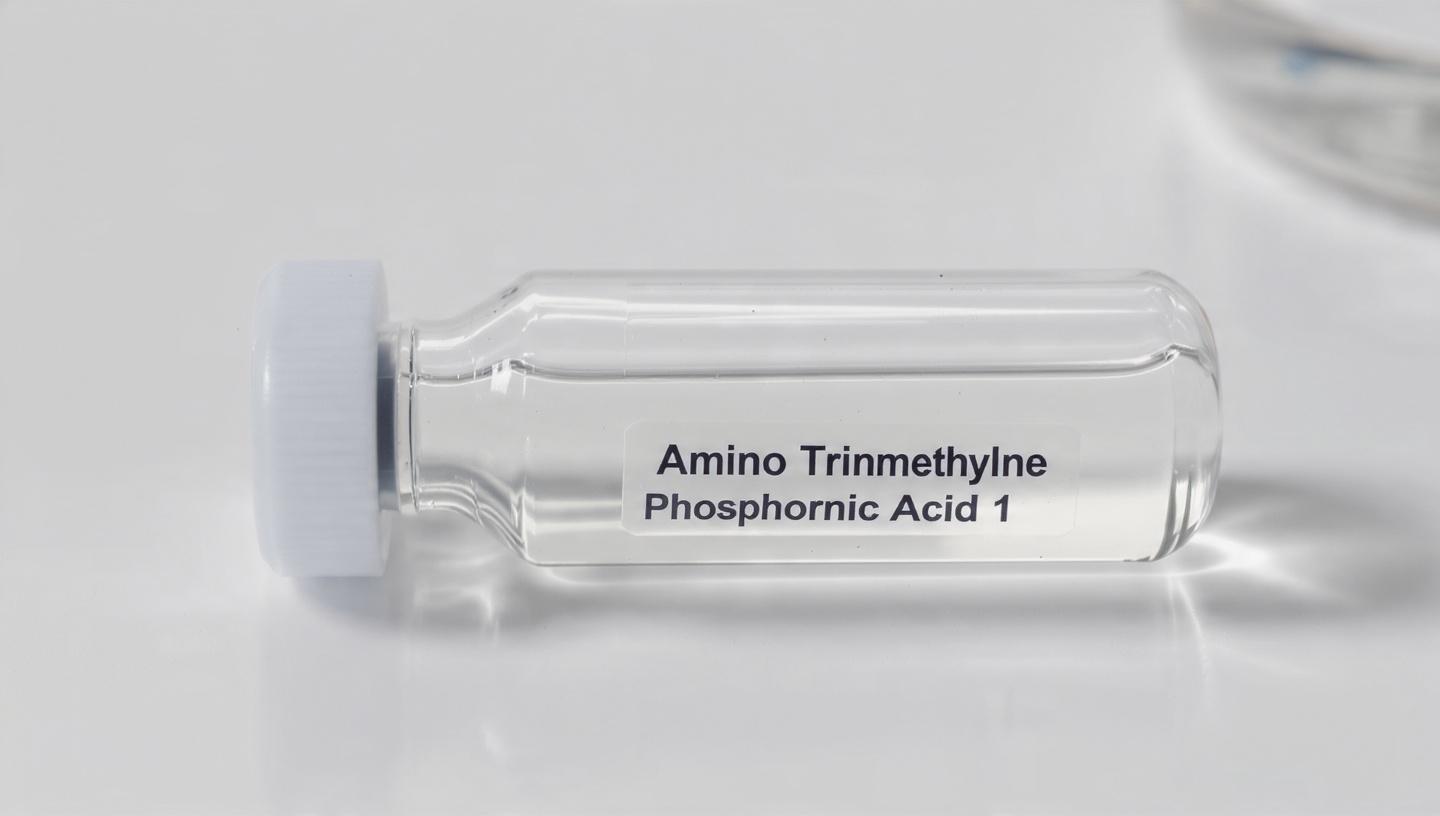
    ATMP Prices are an important part of the specialty chemicals market because ATMP, widely known as Amino Trimethylene Phosphonic Acid, is used in water treatment, oilfield operations, detergents, and industrial cleaning solutions. Since these industries are essential for daily operations and infrastructure, the demand for ATMP remains steady throughout the year. As a result, ATMP prices usually reflect broader industrial performance, production costs, and supply conditions rather than short-term speculation.


    Read More about it- https://www.price-watch.ai/amino-trimethylene-phosphoric-acid-prices/
    ATMP Prices Overview: Understanding Market Movement and Demand ATMP Prices are an important part of the specialty chemicals market because ATMP, widely known as Amino Trimethylene Phosphonic Acid, is used in water treatment, oilfield operations, detergents, and industrial cleaning solutions. Since these industries are essential for daily operations and infrastructure, the demand for ATMP remains steady throughout the year. As a result, ATMP prices usually reflect broader industrial performance, production costs, and supply conditions rather than short-term speculation. Read More about it- https://www.price-watch.ai/amino-trimethylene-phosphoric-acid-prices/
    0 Commentarii 0 Distribuiri 359 Views 0 previzualizare
  • Mineral Turpentine Oil Price Trend Analysis Across Global Markets: Production Costs, Demand Trends, Import–Export Scenario, and Future Projections

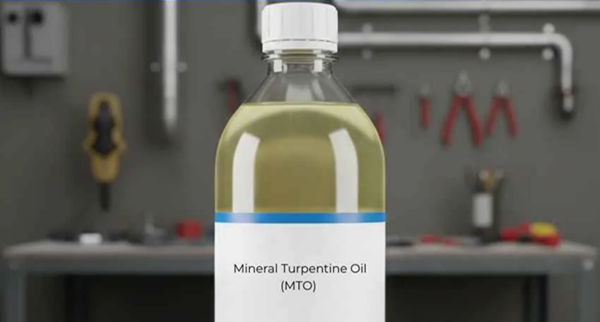
    Mineral Turpentine Oil Price Trend often called MTO, is a widely used petroleum-based solvent known for its strong cleaning and thinning properties. It is commonly used in paints, varnishes, coatings, printing inks, and industrial cleaning applications. Because it connects directly with construction, manufacturing, and automotive sectors, the Mineral Turpentine Oil price trend is closely watched by buyers, suppliers, and industry professionals. Any movement in its price often reflects broader economic and industrial activity, making it an important indicator in the chemical and energy-linked markets.

    Please Submit Your Query for Mineral Turpentine Oil Price Trend, demand-supply, suppliers, market analysis:https://www.price-watch.ai/book-a-demo/

    Understanding the Basics of Mineral Turpentine Oil Price Trend

    The Mineral Turpentine Oil price trend generally follows the direction of crude oil and refined petroleum products. Since MTO is derived from petroleum fractions, changes in raw material costs directly impact its pricing. When crude oil prices rise, production costs increase, which often leads to higher Mineral Turpentine Oil prices. On the other hand, when crude oil prices soften, MTO prices tend to stabilize or decline. However, this relationship is not always immediate, as other factors like demand cycles and inventory levels also play an important role.

    Role of Supply and Production Factors

    Supply-side conditions significantly shape the Mineral Turpentine Oil price trend. Refineries control the output of MTO based on overall fuel demand and refinery margins. If refineries focus more on high-demand fuels such as diesel or gasoline, the supply of Mineral Turpentine Oil may tighten, leading to price pressure. Maintenance shutdowns, operational disruptions, or regulatory changes can also restrict supply. When supply becomes limited while demand remains steady, prices often move upward even if crude oil prices are stable.

    Demand Patterns Across Key Industries

    Demand is another strong influence on the Mineral Turpentine Oil price trend. Construction and infrastructure development drive a large portion of MTO consumption due to its use in paints and coatings. During periods of strong construction activity, demand rises, pushing prices higher. Similarly, growth in manufacturing, furniture production, and automotive refinishing increases MTO usage. In contrast, economic slowdowns, reduced building activity, or lower industrial output can weaken demand, resulting in softer price movements.

    Conclusion

    The Mineral Turpentine Oil price trend is shaped by a combination of raw material costs, supply conditions, demand cycles, and broader economic factors. Its close link to crude oil prices makes it sensitive to global energy movements, while industrial activity determines real consumption levels. By understanding these everyday market forces, buyers and industry participants can better anticipate price changes and make informed decisions. As long as construction and manufacturing remain active, Mineral Turpentine Oil will continue to play a vital role in the industrial landscape, with its price trend reflecting the rhythm of the global economy.

    Please Submit Your Query for Mineral Turpentine Oil Price Trend, demand-supply, suppliers, market analysis:https://www.price-watch.ai/book-a-demo/

    About Price Watch™ AI

    Price-Watch AI is an India-based, independent raw material price reporting agency that provides real-time price forecasts and data-driven insights into global raw material markets. Price-Watch AI specializes in tracking raw material prices, analyzing market trends, and delivering timely updates on plant shutdowns, supply disruptions, capacity expansions, and demand-supply dynamics. The Price-Watch AI platform empowers manufacturers, traders, and procurement professionals to make faster, smarter decisions. Leveraging AI-powered forecasting and over a decade of historical data, Price-Watch AI transforms market volatility into actionable opportunity.

    Futura Tech Park,
    C Block, 8th floor 334,
    Old Mahabalipuram Road,
    Sholinganallur, Chennai,
    Tamil Nadu, Pincode - 600119.

    LinkedIn: https://www.linkedin.com/company/price-watch-ai/
    Facebook: https://www.facebook.com/people/Price-Watch/61568490385598/
    Twitter: https://x.com/pricewatchai
    Website: https://www.price-watch.ai/

    Mineral Turpentine Oil Price Trend Analysis Across Global Markets: Production Costs, Demand Trends, Import–Export Scenario, and Future Projections Mineral Turpentine Oil Price Trend often called MTO, is a widely used petroleum-based solvent known for its strong cleaning and thinning properties. It is commonly used in paints, varnishes, coatings, printing inks, and industrial cleaning applications. Because it connects directly with construction, manufacturing, and automotive sectors, the Mineral Turpentine Oil price trend is closely watched by buyers, suppliers, and industry professionals. Any movement in its price often reflects broader economic and industrial activity, making it an important indicator in the chemical and energy-linked markets. 👉 👉 👉 Please Submit Your Query for Mineral Turpentine Oil Price Trend, demand-supply, suppliers, market analysis:https://www.price-watch.ai/book-a-demo/ Understanding the Basics of Mineral Turpentine Oil Price Trend The Mineral Turpentine Oil price trend generally follows the direction of crude oil and refined petroleum products. Since MTO is derived from petroleum fractions, changes in raw material costs directly impact its pricing. When crude oil prices rise, production costs increase, which often leads to higher Mineral Turpentine Oil prices. On the other hand, when crude oil prices soften, MTO prices tend to stabilize or decline. However, this relationship is not always immediate, as other factors like demand cycles and inventory levels also play an important role. Role of Supply and Production Factors Supply-side conditions significantly shape the Mineral Turpentine Oil price trend. Refineries control the output of MTO based on overall fuel demand and refinery margins. If refineries focus more on high-demand fuels such as diesel or gasoline, the supply of Mineral Turpentine Oil may tighten, leading to price pressure. Maintenance shutdowns, operational disruptions, or regulatory changes can also restrict supply. When supply becomes limited while demand remains steady, prices often move upward even if crude oil prices are stable. Demand Patterns Across Key Industries Demand is another strong influence on the Mineral Turpentine Oil price trend. Construction and infrastructure development drive a large portion of MTO consumption due to its use in paints and coatings. During periods of strong construction activity, demand rises, pushing prices higher. Similarly, growth in manufacturing, furniture production, and automotive refinishing increases MTO usage. In contrast, economic slowdowns, reduced building activity, or lower industrial output can weaken demand, resulting in softer price movements. Conclusion The Mineral Turpentine Oil price trend is shaped by a combination of raw material costs, supply conditions, demand cycles, and broader economic factors. Its close link to crude oil prices makes it sensitive to global energy movements, while industrial activity determines real consumption levels. By understanding these everyday market forces, buyers and industry participants can better anticipate price changes and make informed decisions. As long as construction and manufacturing remain active, Mineral Turpentine Oil will continue to play a vital role in the industrial landscape, with its price trend reflecting the rhythm of the global economy. 👉 👉 👉 Please Submit Your Query for Mineral Turpentine Oil Price Trend, demand-supply, suppliers, market analysis:https://www.price-watch.ai/book-a-demo/ About Price Watch™ AI Price-Watch AI is an India-based, independent raw material price reporting agency that provides real-time price forecasts and data-driven insights into global raw material markets. Price-Watch AI specializes in tracking raw material prices, analyzing market trends, and delivering timely updates on plant shutdowns, supply disruptions, capacity expansions, and demand-supply dynamics. The Price-Watch AI platform empowers manufacturers, traders, and procurement professionals to make faster, smarter decisions. Leveraging AI-powered forecasting and over a decade of historical data, Price-Watch AI transforms market volatility into actionable opportunity. Futura Tech Park, C Block, 8th floor 334, Old Mahabalipuram Road, Sholinganallur, Chennai, Tamil Nadu, Pincode - 600119. LinkedIn: https://www.linkedin.com/company/price-watch-ai/ Facebook: https://www.facebook.com/people/Price-Watch/61568490385598/ Twitter: https://x.com/pricewatchai Website: https://www.price-watch.ai/

    0 Commentarii 0 Distribuiri 505 Views 0 previzualizare
  • Nonyl Phenol Pricing Trends and Market Forecast: An In-Depth Study of Price Fluctuations, Regional Variations, and Influencing Factors in Global Petrochemical Markets

    Nonyl phenol is a chemical that quietly supports many everyday industries. It is commonly used in the production of surfactants, resins, plastics, paints, and cleaning products. Because it sits at the base of so many supply chains, its price trend often reflects broader movements in the chemical and manufacturing sectors. When people talk about the Nonyl Phenol price trend, they are usually trying to understand how costs are shifting and what those changes might mean for future production and purchasing decisions.
    Over time, the price of nonyl phenol has shown a pattern of gradual movement rather than sudden shocks. This is mainly because it is a mature product with established uses and well-known production methods. Still, it is not immune to market forces, and even small changes in supply or demand can influence pricing.

    Please Submit Your Query for Nonyl Phenol Price Trend, demand-supply, suppliers, market analysis:https://www.price-watch.ai/book-a-demo/

    Key Factors Shaping Nonyl Phenol Price Trend

    The most important factor affecting the Nonyl Phenol price trend is the cost of raw materials. Nonyl phenol is derived from petrochemical sources, so prices often move in line with crude oil and related feedstocks. When oil prices rise, production costs increase, and manufacturers usually pass part of that increase on to buyers. When oil prices fall, the opposite effect is often seen, though price reductions may happen more slowly.
    Energy costs also play a strong role. Producing nonyl phenol requires energy-intensive processes, so changes in electricity and fuel prices can influence overall costs. In regions where energy prices are volatile, the local nonyl phenol market may experience more noticeable price swings.

    Demand Trends Across Industries

    Demand from end-use industries strongly shapes the Nonyl Phenol price trend. The chemical is widely used in industrial cleaning agents, textile processing, and plastic manufacturing. When these industries are performing well, demand for nonyl phenol usually increases, supporting higher prices. During economic slowdowns, demand can soften, putting pressure on prices.
    Seasonal demand patterns also have an effect. For example, industrial cleaning and agricultural activities may rise during certain times of the year, leading to short-term increases in consumption. These shifts may not drastically change long-term pricing, but they can create temporary movements that buyers and sellers pay close attention to.

    Environmental Regulations and Their Impact

    Environmental awareness has become an important influence on the Nonyl Phenol price trend. In several regions, regulations limit or control the use of nonyl phenol due to concerns about environmental and health effects. When new regulations are introduced, demand may decline in certain applications, which can soften prices.
    At the same time, compliance with environmental standards can raise production costs. Manufacturers may need to invest in cleaner technologies or additional safety measures, which can increase expenses. These higher costs can support prices even if overall demand growth slows. This balance between regulation-driven demand reduction and cost increases makes pricing behavior more complex.

    Please Submit Your Query for Nonyl Phenol Price Trend, demand-supply, suppliers, market analysis:https://www.price-watch.ai/book-a-demo/

    About Price Watch™ AI

    Price-Watch AI is an India-based, independent raw material price reporting agency that provides real-time price forecasts and data-driven insights into global raw material markets. Price-Watch AI specializes in tracking raw material prices, analyzing market trends, and delivering timely updates on plant shutdowns, supply disruptions, capacity expansions, and demand-supply dynamics. The Price-Watch AI platform empowers manufacturers, traders, and procurement professionals to make faster, smarter decisions. Leveraging AI-powered forecasting and over a decade of historical data, Price-Watch AI transforms market volatility into actionable opportunity.

    Futura Tech Park,
    C Block, 8th floor 334,
    Old Mahabalipuram Road,
    Sholinganallur, Chennai,
    Tamil Nadu, Pincode - 600119.

    LinkedIn: https://www.linkedin.com/company/price-watch-ai/
    Facebook: https://www.facebook.com/people/Price-Watch/61568490385598/
    Twitter: https://x.com/pricewatchai
    Website: https://www.price-watch.ai/

    Nonyl Phenol Pricing Trends and Market Forecast: An In-Depth Study of Price Fluctuations, Regional Variations, and Influencing Factors in Global Petrochemical Markets Nonyl phenol is a chemical that quietly supports many everyday industries. It is commonly used in the production of surfactants, resins, plastics, paints, and cleaning products. Because it sits at the base of so many supply chains, its price trend often reflects broader movements in the chemical and manufacturing sectors. When people talk about the Nonyl Phenol price trend, they are usually trying to understand how costs are shifting and what those changes might mean for future production and purchasing decisions. Over time, the price of nonyl phenol has shown a pattern of gradual movement rather than sudden shocks. This is mainly because it is a mature product with established uses and well-known production methods. Still, it is not immune to market forces, and even small changes in supply or demand can influence pricing. 👉 👉 👉 Please Submit Your Query for Nonyl Phenol Price Trend, demand-supply, suppliers, market analysis:https://www.price-watch.ai/book-a-demo/ Key Factors Shaping Nonyl Phenol Price Trend The most important factor affecting the Nonyl Phenol price trend is the cost of raw materials. Nonyl phenol is derived from petrochemical sources, so prices often move in line with crude oil and related feedstocks. When oil prices rise, production costs increase, and manufacturers usually pass part of that increase on to buyers. When oil prices fall, the opposite effect is often seen, though price reductions may happen more slowly. Energy costs also play a strong role. Producing nonyl phenol requires energy-intensive processes, so changes in electricity and fuel prices can influence overall costs. In regions where energy prices are volatile, the local nonyl phenol market may experience more noticeable price swings. Demand Trends Across Industries Demand from end-use industries strongly shapes the Nonyl Phenol price trend. The chemical is widely used in industrial cleaning agents, textile processing, and plastic manufacturing. When these industries are performing well, demand for nonyl phenol usually increases, supporting higher prices. During economic slowdowns, demand can soften, putting pressure on prices. Seasonal demand patterns also have an effect. For example, industrial cleaning and agricultural activities may rise during certain times of the year, leading to short-term increases in consumption. These shifts may not drastically change long-term pricing, but they can create temporary movements that buyers and sellers pay close attention to. Environmental Regulations and Their Impact Environmental awareness has become an important influence on the Nonyl Phenol price trend. In several regions, regulations limit or control the use of nonyl phenol due to concerns about environmental and health effects. When new regulations are introduced, demand may decline in certain applications, which can soften prices. At the same time, compliance with environmental standards can raise production costs. Manufacturers may need to invest in cleaner technologies or additional safety measures, which can increase expenses. These higher costs can support prices even if overall demand growth slows. This balance between regulation-driven demand reduction and cost increases makes pricing behavior more complex. 👉 👉 👉 Please Submit Your Query for Nonyl Phenol Price Trend, demand-supply, suppliers, market analysis:https://www.price-watch.ai/book-a-demo/ About Price Watch™ AI Price-Watch AI is an India-based, independent raw material price reporting agency that provides real-time price forecasts and data-driven insights into global raw material markets. Price-Watch AI specializes in tracking raw material prices, analyzing market trends, and delivering timely updates on plant shutdowns, supply disruptions, capacity expansions, and demand-supply dynamics. The Price-Watch AI platform empowers manufacturers, traders, and procurement professionals to make faster, smarter decisions. Leveraging AI-powered forecasting and over a decade of historical data, Price-Watch AI transforms market volatility into actionable opportunity. Futura Tech Park, C Block, 8th floor 334, Old Mahabalipuram Road, Sholinganallur, Chennai, Tamil Nadu, Pincode - 600119. LinkedIn: https://www.linkedin.com/company/price-watch-ai/ Facebook: https://www.facebook.com/people/Price-Watch/61568490385598/ Twitter: https://x.com/pricewatchai Website: https://www.price-watch.ai/
    0 Commentarii 0 Distribuiri 470 Views 0 previzualizare
  • Sodium Nitrate Price Trend Analysis: A Detailed Evaluation of Historical Data, Current Market Conditions, and Predictive Insights for Stakeholders in Agriculture, Manufacturing, and Chemical Industries

    Sodium nitrate is a widely used chemical that plays an important role in many everyday industries. It is commonly used in fertilizers, food preservation, pharmaceuticals, explosives, and even in some industrial cleaning processes. Because it connects to agriculture, manufacturing, and food supply chains, changes in its price often reflect larger economic and market movements. The sodium nitrate price trend is shaped by a mix of raw material costs, supply availability, seasonal demand, and global trade conditions.

    Please Submit Your Query for Sodium Nitrate Price Trend, demand-supply, suppliers, market analysis:https://www.price-watch.ai/book-a-demo/

    What Influences Sodium Nitrate Prices

    The price of sodium nitrate does not move randomly. One of the biggest influences is the cost of raw materials and energy. Producing sodium nitrate requires energy-intensive processes, so when fuel or electricity prices rise, production costs usually go up as well. These higher costs often pass down the supply chain and show up as increased market prices.
    Another major factor is demand from agriculture. Sodium nitrate is widely used as a nitrogen source in fertilizers, especially in regions that rely on fast-acting nutrients for crops. During planting seasons, demand tends to rise, which can push prices upward. When farming activity slows down, prices may stabilize or soften due to lower consumption.

    Role of Supply and Production Capacity

    Supply availability plays a key role in shaping the sodium nitrate price trend. Production is often concentrated in specific regions with access to natural deposits or established chemical manufacturing infrastructure. If production plants face shutdowns, maintenance issues, or environmental restrictions, supply can tighten. When supply is limited and demand remains steady, prices usually increase.
    On the other hand, when production runs smoothly and inventories are well-stocked, the market experiences price stability. In some cases, excess supply can even lead to price corrections as sellers compete to move their stock. This balance between supply and demand keeps sodium nitrate prices in constant motion.

    Impact of Global Trade and Logistics

    Global trade conditions strongly affect sodium nitrate pricing. Since many countries depend on imports to meet their demand, shipping costs and trade policies matter a lot. When freight rates rise due to fuel price increases or port congestion, the landed cost of sodium nitrate also increases. This is often reflected in higher local prices.
    Trade regulations, tariffs, and export restrictions can further influence the sodium nitrate price trend. Any disruption in international trade routes, whether due to geopolitical tensions or logistical challenges, can reduce supply in importing regions and push prices upward.

    Seasonal Patterns in Sodium Nitrate Pricing

    Seasonality is another important aspect of sodium nitrate pricing. Demand typically increases during peak agricultural seasons when farmers prepare fields and apply fertilizers. This seasonal spike in demand often results in short-term price increases. During off-seasons, when agricultural activity slows, prices may become more stable or slightly lower.
    Weather conditions also play a role. Unpredictable rainfall or extended droughts can change fertilizer usage patterns, indirectly affecting sodium nitrate demand and prices. These seasonal shifts make the sodium nitrate price trend more dynamic throughout the year.

    Please Submit Your Query for Sodium Nitrate Price Trend, demand-supply, suppliers, market analysis:https://www.price-watch.ai/book-a-demo/

    About Price Watch™ AI

    Price-Watch AI is an India-based, independent raw material price reporting agency that provides real-time price forecasts and data-driven insights into global raw material markets. Price-Watch AI specializes in tracking raw material prices, analyzing market trends, and delivering timely updates on plant shutdowns, supply disruptions, capacity expansions, and demand-supply dynamics. The Price-Watch AI platform empowers manufacturers, traders, and procurement professionals to make faster, smarter decisions. Leveraging AI-powered forecasting and over a decade of historical data, Price-Watch AI transforms market volatility into actionable opportunity.

    Futura Tech Park,
    C Block, 8th floor 334,
    Old Mahabalipuram Road,
    Sholinganallur, Chennai,
    Tamil Nadu, Pincode - 600119.

    LinkedIn: https://www.linkedin.com/company/price-watch-ai/
    Facebook: https://www.facebook.com/people/Price-Watch/61568490385598/
    Twitter: https://x.com/pricewatchai
    Website: https://www.price-watch.ai/
    Sodium Nitrate Price Trend Analysis: A Detailed Evaluation of Historical Data, Current Market Conditions, and Predictive Insights for Stakeholders in Agriculture, Manufacturing, and Chemical Industries Sodium nitrate is a widely used chemical that plays an important role in many everyday industries. It is commonly used in fertilizers, food preservation, pharmaceuticals, explosives, and even in some industrial cleaning processes. Because it connects to agriculture, manufacturing, and food supply chains, changes in its price often reflect larger economic and market movements. The sodium nitrate price trend is shaped by a mix of raw material costs, supply availability, seasonal demand, and global trade conditions. 👉 👉 👉 Please Submit Your Query for Sodium Nitrate Price Trend, demand-supply, suppliers, market analysis:https://www.price-watch.ai/book-a-demo/ What Influences Sodium Nitrate Prices The price of sodium nitrate does not move randomly. One of the biggest influences is the cost of raw materials and energy. Producing sodium nitrate requires energy-intensive processes, so when fuel or electricity prices rise, production costs usually go up as well. These higher costs often pass down the supply chain and show up as increased market prices. Another major factor is demand from agriculture. Sodium nitrate is widely used as a nitrogen source in fertilizers, especially in regions that rely on fast-acting nutrients for crops. During planting seasons, demand tends to rise, which can push prices upward. When farming activity slows down, prices may stabilize or soften due to lower consumption. Role of Supply and Production Capacity Supply availability plays a key role in shaping the sodium nitrate price trend. Production is often concentrated in specific regions with access to natural deposits or established chemical manufacturing infrastructure. If production plants face shutdowns, maintenance issues, or environmental restrictions, supply can tighten. When supply is limited and demand remains steady, prices usually increase. On the other hand, when production runs smoothly and inventories are well-stocked, the market experiences price stability. In some cases, excess supply can even lead to price corrections as sellers compete to move their stock. This balance between supply and demand keeps sodium nitrate prices in constant motion. Impact of Global Trade and Logistics Global trade conditions strongly affect sodium nitrate pricing. Since many countries depend on imports to meet their demand, shipping costs and trade policies matter a lot. When freight rates rise due to fuel price increases or port congestion, the landed cost of sodium nitrate also increases. This is often reflected in higher local prices. Trade regulations, tariffs, and export restrictions can further influence the sodium nitrate price trend. Any disruption in international trade routes, whether due to geopolitical tensions or logistical challenges, can reduce supply in importing regions and push prices upward. Seasonal Patterns in Sodium Nitrate Pricing Seasonality is another important aspect of sodium nitrate pricing. Demand typically increases during peak agricultural seasons when farmers prepare fields and apply fertilizers. This seasonal spike in demand often results in short-term price increases. During off-seasons, when agricultural activity slows, prices may become more stable or slightly lower. Weather conditions also play a role. Unpredictable rainfall or extended droughts can change fertilizer usage patterns, indirectly affecting sodium nitrate demand and prices. These seasonal shifts make the sodium nitrate price trend more dynamic throughout the year. 👉 👉 👉 Please Submit Your Query for Sodium Nitrate Price Trend, demand-supply, suppliers, market analysis:https://www.price-watch.ai/book-a-demo/ About Price Watch™ AI Price-Watch AI is an India-based, independent raw material price reporting agency that provides real-time price forecasts and data-driven insights into global raw material markets. Price-Watch AI specializes in tracking raw material prices, analyzing market trends, and delivering timely updates on plant shutdowns, supply disruptions, capacity expansions, and demand-supply dynamics. The Price-Watch AI platform empowers manufacturers, traders, and procurement professionals to make faster, smarter decisions. Leveraging AI-powered forecasting and over a decade of historical data, Price-Watch AI transforms market volatility into actionable opportunity. Futura Tech Park, C Block, 8th floor 334, Old Mahabalipuram Road, Sholinganallur, Chennai, Tamil Nadu, Pincode - 600119. LinkedIn: https://www.linkedin.com/company/price-watch-ai/ Facebook: https://www.facebook.com/people/Price-Watch/61568490385598/ Twitter: https://x.com/pricewatchai Website: https://www.price-watch.ai/
    0 Commentarii 0 Distribuiri 488 Views 0 previzualizare
  • Sodium Silicate Price Trend Report: Historical Performance, Key Influencing Factors, Trade Analysis, and Price Forecast Through 2030

    Sodium silicate is a widely used industrial chemical that most people may not think about in daily life, yet it quietly supports many products and industries. From detergents and paper to construction materials and water treatment, sodium silicate plays an important role. Because it is used so broadly, changes in its price often reflect larger movements in energy costs, raw materials, and overall industrial activity. Understanding the sodium silicate price trend helps businesses plan better and gives insight into how manufacturing markets behave over time.

    Please Submit Your Query for Sodium Silicate Price Trend, demand-supply, suppliers, market analysis:https://www.price-watch.ai/book-a-demo/

    What Sodium Silicate Is and Why It Matters

    Sodium silicate is made by combining silica, usually sourced from sand, with sodium carbonate at high temperatures. This process sounds simple, but it relies heavily on energy and stable raw material supply. As a result, the price of sodium silicate is closely linked to the cost of sand, soda ash, fuel, and electricity. When any of these inputs become more expensive or harder to source, the final price of sodium silicate tends to move upward.
    Industries value sodium silicate for its versatility. It acts as a binder, adhesive, and sealing agent, and it also has useful chemical properties that make it effective in cleaning and protective applications. Because demand comes from many sectors, price trends often show steady movement rather than sudden spikes, unless there is a major disruption.

    Key Factors Influencing Sodium Silicate Prices

    One of the most important factors affecting the sodium silicate price trend is energy cost. Manufacturing sodium silicate requires high heat, so fluctuations in fuel and electricity prices directly impact production expenses. When energy prices rise, producers often pass some of that cost along to buyers, leading to gradual price increases.
    Raw material availability also plays a big role. While sand is generally abundant, the quality required for industrial-grade sodium silicate can vary by region. Transportation costs add another layer, especially when materials or finished products must be moved over long distances. In periods of high fuel prices or logistical challenges, sodium silicate prices tend to feel the pressure.
    Environmental regulations can also influence pricing. As governments tighten rules around emissions and waste management, producers may need to invest more in cleaner technologies. These investments can raise production costs, which may slowly reflect in the market price.

    Demand Patterns Across Industries

    Demand trends strongly shape sodium silicate pricing. Construction and infrastructure projects often boost consumption because sodium silicate is used in cement, concrete treatments, and soil stabilization. When construction activity is strong, demand increases, which can support higher prices.
    The detergent and cleaning product sector is another steady source of demand. Household and industrial cleaning needs rarely disappear, even during economic slowdowns. This consistent demand helps keep sodium silicate prices relatively stable compared to more volatile chemicals.
    Paper and pulp manufacturing also rely on sodium silicate, particularly in regions where paper production remains high. Shifts toward digital media have reduced paper use in some areas, but packaging and specialty papers continue to support demand.

    Please Submit Your Query for Sodium Silicate Price Trend, demand-supply, suppliers, market analysis:https://www.price-watch.ai/book-a-demo/

    About Price Watch™ AI

    Price-Watch AI is an India-based, independent raw material price reporting agency that provides real-time price forecasts and data-driven insights into global raw material markets. Price-Watch AI specializes in tracking raw material prices, analyzing market trends, and delivering timely updates on plant shutdowns, supply disruptions, capacity expansions, and demand-supply dynamics. The Price-Watch AI platform empowers manufacturers, traders, and procurement professionals to make faster, smarter decisions. Leveraging AI-powered forecasting and over a decade of historical data, Price-Watch AI transforms market volatility into actionable opportunity.

    Futura Tech Park,
    C Block, 8th floor 334,
    Old Mahabalipuram Road,
    Sholinganallur, Chennai,
    Tamil Nadu, Pincode - 600119.

    LinkedIn: https://www.linkedin.com/company/price-watch-ai/
    Facebook: https://www.facebook.com/people/Price-Watch/61568490385598/
    Twitter: https://x.com/pricewatchai
    Website: https://www.price-watch.ai/
    Sodium Silicate Price Trend Report: Historical Performance, Key Influencing Factors, Trade Analysis, and Price Forecast Through 2030 Sodium silicate is a widely used industrial chemical that most people may not think about in daily life, yet it quietly supports many products and industries. From detergents and paper to construction materials and water treatment, sodium silicate plays an important role. Because it is used so broadly, changes in its price often reflect larger movements in energy costs, raw materials, and overall industrial activity. Understanding the sodium silicate price trend helps businesses plan better and gives insight into how manufacturing markets behave over time. 👉 👉 👉 Please Submit Your Query for Sodium Silicate Price Trend, demand-supply, suppliers, market analysis:https://www.price-watch.ai/book-a-demo/ What Sodium Silicate Is and Why It Matters Sodium silicate is made by combining silica, usually sourced from sand, with sodium carbonate at high temperatures. This process sounds simple, but it relies heavily on energy and stable raw material supply. As a result, the price of sodium silicate is closely linked to the cost of sand, soda ash, fuel, and electricity. When any of these inputs become more expensive or harder to source, the final price of sodium silicate tends to move upward. Industries value sodium silicate for its versatility. It acts as a binder, adhesive, and sealing agent, and it also has useful chemical properties that make it effective in cleaning and protective applications. Because demand comes from many sectors, price trends often show steady movement rather than sudden spikes, unless there is a major disruption. Key Factors Influencing Sodium Silicate Prices One of the most important factors affecting the sodium silicate price trend is energy cost. Manufacturing sodium silicate requires high heat, so fluctuations in fuel and electricity prices directly impact production expenses. When energy prices rise, producers often pass some of that cost along to buyers, leading to gradual price increases. Raw material availability also plays a big role. While sand is generally abundant, the quality required for industrial-grade sodium silicate can vary by region. Transportation costs add another layer, especially when materials or finished products must be moved over long distances. In periods of high fuel prices or logistical challenges, sodium silicate prices tend to feel the pressure. Environmental regulations can also influence pricing. As governments tighten rules around emissions and waste management, producers may need to invest more in cleaner technologies. These investments can raise production costs, which may slowly reflect in the market price. Demand Patterns Across Industries Demand trends strongly shape sodium silicate pricing. Construction and infrastructure projects often boost consumption because sodium silicate is used in cement, concrete treatments, and soil stabilization. When construction activity is strong, demand increases, which can support higher prices. The detergent and cleaning product sector is another steady source of demand. Household and industrial cleaning needs rarely disappear, even during economic slowdowns. This consistent demand helps keep sodium silicate prices relatively stable compared to more volatile chemicals. Paper and pulp manufacturing also rely on sodium silicate, particularly in regions where paper production remains high. Shifts toward digital media have reduced paper use in some areas, but packaging and specialty papers continue to support demand. 👉 👉 👉 Please Submit Your Query for Sodium Silicate Price Trend, demand-supply, suppliers, market analysis:https://www.price-watch.ai/book-a-demo/ About Price Watch™ AI Price-Watch AI is an India-based, independent raw material price reporting agency that provides real-time price forecasts and data-driven insights into global raw material markets. Price-Watch AI specializes in tracking raw material prices, analyzing market trends, and delivering timely updates on plant shutdowns, supply disruptions, capacity expansions, and demand-supply dynamics. The Price-Watch AI platform empowers manufacturers, traders, and procurement professionals to make faster, smarter decisions. Leveraging AI-powered forecasting and over a decade of historical data, Price-Watch AI transforms market volatility into actionable opportunity. Futura Tech Park, C Block, 8th floor 334, Old Mahabalipuram Road, Sholinganallur, Chennai, Tamil Nadu, Pincode - 600119. LinkedIn: https://www.linkedin.com/company/price-watch-ai/ Facebook: https://www.facebook.com/people/Price-Watch/61568490385598/ Twitter: https://x.com/pricewatchai Website: https://www.price-watch.ai/

    0 Commentarii 0 Distribuiri 768 Views 0 previzualizare
  • Amino Trimethylene Phosphonic Acid Price Trend Analysis and Market Overview

    The Amino Trimethylene Phosphonic Acid price trend has become an important topic for many industries that depend on this chemical for daily operations. Commonly known as ATMP, this compound is widely used in water treatment, detergents, oil fields, and industrial cleaning processes.

    Read More- https://www.price-watch.ai/amino-trimethylene-phosphoric-acid-prices/
    Amino Trimethylene Phosphonic Acid Price Trend Analysis and Market Overview The Amino Trimethylene Phosphonic Acid price trend has become an important topic for many industries that depend on this chemical for daily operations. Commonly known as ATMP, this compound is widely used in water treatment, detergents, oil fields, and industrial cleaning processes. Read More- https://www.price-watch.ai/amino-trimethylene-phosphoric-acid-prices/
    0 Commentarii 0 Distribuiri 509 Views 0 previzualizare
Sponsor
Sponsor