• Aniline Prices Overview: Understanding Market Movement and Demand

    Aniline Prices are an important indicator in the global chemical industry because aniline is widely used in the production of dyes, rubber processing chemicals, pharmaceuticals, and especially methylene diphenyl diisocyanate, which is used to make polyurethane foams. Since polyurethane is found in furniture, automotive seating, insulation materials, and appliances, the demand for aniline is closely linked to everyday industrial and consumer products. For this reason, changes in aniline prices often reflect wider industrial activity and economic conditions.

    Read More about it- https://www.price-watch.ai/aniline-prices/
    Aniline Prices Overview: Understanding Market Movement and Demand Aniline Prices are an important indicator in the global chemical industry because aniline is widely used in the production of dyes, rubber processing chemicals, pharmaceuticals, and especially methylene diphenyl diisocyanate, which is used to make polyurethane foams. Since polyurethane is found in furniture, automotive seating, insulation materials, and appliances, the demand for aniline is closely linked to everyday industrial and consumer products. For this reason, changes in aniline prices often reflect wider industrial activity and economic conditions. Read More about it- https://www.price-watch.ai/aniline-prices/
    0 Kommentare 0 Anteile 251 Ansichten 0 Vorschau
  • Cyclopentane Prices: A Clear and Practical Market View

    Cyclopentane prices are an important point of discussion for industries that rely on insulation materials, refrigeration, and specialty chemical applications. Cyclopentane is mainly used as a blowing agent in the production of rigid polyurethane foams, which are commonly found in refrigerators, freezers, and building insulation. Because these products are closely linked to everyday life, changes in cyclopentane prices often reflect broader industrial and economic conditions. Understanding how these prices move helps businesses plan purchases and manage costs more effectively.


    Read More- https://www.price-watch.ai/cyclopentane-prices/
    Cyclopentane Prices: A Clear and Practical Market View Cyclopentane prices are an important point of discussion for industries that rely on insulation materials, refrigeration, and specialty chemical applications. Cyclopentane is mainly used as a blowing agent in the production of rigid polyurethane foams, which are commonly found in refrigerators, freezers, and building insulation. Because these products are closely linked to everyday life, changes in cyclopentane prices often reflect broader industrial and economic conditions. Understanding how these prices move helps businesses plan purchases and manage costs more effectively. Read More- https://www.price-watch.ai/cyclopentane-prices/
    0 Kommentare 0 Anteile 140 Ansichten 0 Vorschau
  • Methylene Diphenyl Diisocyanate (MDI) Price Trend Guide: Historical Performance, Key Market Drivers, and Forecast Analysis

    Methylene Diphenyl Diisocyanate Price Trend commonly known as MDI, is an important chemical used mainly in the production of polyurethane products. These products are part of our daily lives, from mattresses and sofas to insulation materials, adhesives, and coatings. Because MDI is so closely connected to construction, furniture, automotive, and appliance industries, its price trend often reflects what is happening in the wider economy. Over time, the Methylene Diphenyl Diisocyanate price trend has shown noticeable ups and downs, influenced by raw materials, energy costs, and overall market demand.

    Please Submit Your Query for Methylene Diphenyl Diisocyanate Price Trend, demand-supply, suppliers, market analysis:https://www.price-watch.ai/book-a-demo/

    Factors Influencing Methylene Diphenyl Diisocyanate Prices

    One of the main factors affecting the Methylene Diphenyl Diisocyanate price trend is the cost of raw materials. MDI is produced using benzene and aniline, both of which are derived from crude oil. When crude oil prices rise, the cost of these raw materials also increases, putting pressure on MDI prices. On the other hand, when oil prices are stable or falling, manufacturers may get some cost relief, which can help keep MDI prices steady.
    Energy costs also play a big role. The production of MDI is energy-intensive, requiring significant electricity and heat. Any increase in power, gas, or fuel prices directly affects production expenses. In many regions, changes in energy policies or fuel shortages have led to higher manufacturing costs, which are often passed on to buyers through higher MDI prices.

    Impact of Supply and Demand on MDI Price Trend

    Supply and demand balance is another key driver of the Methylene Diphenyl Diisocyanate price trend. When construction and manufacturing activities are strong, demand for polyurethane products increases. This leads to higher consumption of MDI, pushing prices upward. During periods of economic slowdown, demand from major sectors such as construction and automotive may weaken, resulting in lower MDI consumption and softer prices.
    Supply disruptions can also cause sudden price changes. Maintenance shutdowns at production plants, unexpected technical issues, or logistics problems can reduce MDI availability in the market. When supply tightens while demand remains steady, prices tend to rise quickly. In contrast, when new production capacities come online or inventories build up, the market may experience oversupply, leading to price corrections.

    Regional Trends in Methylene Diphenyl Diisocyanate Market

    The Methylene Diphenyl Diisocyanate price trend can vary across regions due to local market conditions. In Asia, especially in countries with strong manufacturing and construction sectors, MDI demand is often high. Rapid urban development and infrastructure projects usually support stable or rising prices in this region. However, any slowdown in construction activity can quickly change the price direction.

    Conclusion

    The Methylene Diphenyl Diisocyanate price trend is shaped by a combination of raw material costs, energy prices, supply-demand balance, and global economic conditions. As MDI remains a crucial component in many everyday products, its price behavior closely follows industrial activity and market sentiment. Understanding these factors helps businesses and buyers make informed decisions and prepare for future market changes in a more confident way.

    Please Submit Your Query for Methylene Diphenyl Diisocyanate Price Trend, demand-supply, suppliers, market analysis:https://www.price-watch.ai/book-a-demo/

    About Price Watch™ AI

    Price-Watch AI is an India-based, independent raw material price reporting agency that provides real-time price forecasts and data-driven insights into global raw material markets. Price-Watch AI specializes in tracking raw material prices, analyzing market trends, and delivering timely updates on plant shutdowns, supply disruptions, capacity expansions, and demand-supply dynamics. The Price-Watch AI platform empowers manufacturers, traders, and procurement professionals to make faster, smarter decisions. Leveraging AI-powered forecasting and over a decade of historical data, Price-Watch AI transforms market volatility into actionable opportunity.

    Futura Tech Park,
    C Block, 8th floor 334,
    Old Mahabalipuram Road,
    Sholinganallur, Chennai,
    Tamil Nadu, Pincode - 600119.

    LinkedIn: https://www.linkedin.com/company/price-watch-ai/
    Facebook: https://www.facebook.com/people/Price-Watch/61568490385598/
    Twitter: https://x.com/pricewatchai
    Website: https://www.price-watch.ai/

    Methylene Diphenyl Diisocyanate (MDI) Price Trend Guide: Historical Performance, Key Market Drivers, and Forecast Analysis Methylene Diphenyl Diisocyanate Price Trend commonly known as MDI, is an important chemical used mainly in the production of polyurethane products. These products are part of our daily lives, from mattresses and sofas to insulation materials, adhesives, and coatings. Because MDI is so closely connected to construction, furniture, automotive, and appliance industries, its price trend often reflects what is happening in the wider economy. Over time, the Methylene Diphenyl Diisocyanate price trend has shown noticeable ups and downs, influenced by raw materials, energy costs, and overall market demand. 👉 👉 👉 Please Submit Your Query for Methylene Diphenyl Diisocyanate Price Trend, demand-supply, suppliers, market analysis:https://www.price-watch.ai/book-a-demo/ Factors Influencing Methylene Diphenyl Diisocyanate Prices One of the main factors affecting the Methylene Diphenyl Diisocyanate price trend is the cost of raw materials. MDI is produced using benzene and aniline, both of which are derived from crude oil. When crude oil prices rise, the cost of these raw materials also increases, putting pressure on MDI prices. On the other hand, when oil prices are stable or falling, manufacturers may get some cost relief, which can help keep MDI prices steady. Energy costs also play a big role. The production of MDI is energy-intensive, requiring significant electricity and heat. Any increase in power, gas, or fuel prices directly affects production expenses. In many regions, changes in energy policies or fuel shortages have led to higher manufacturing costs, which are often passed on to buyers through higher MDI prices. Impact of Supply and Demand on MDI Price Trend Supply and demand balance is another key driver of the Methylene Diphenyl Diisocyanate price trend. When construction and manufacturing activities are strong, demand for polyurethane products increases. This leads to higher consumption of MDI, pushing prices upward. During periods of economic slowdown, demand from major sectors such as construction and automotive may weaken, resulting in lower MDI consumption and softer prices. Supply disruptions can also cause sudden price changes. Maintenance shutdowns at production plants, unexpected technical issues, or logistics problems can reduce MDI availability in the market. When supply tightens while demand remains steady, prices tend to rise quickly. In contrast, when new production capacities come online or inventories build up, the market may experience oversupply, leading to price corrections. Regional Trends in Methylene Diphenyl Diisocyanate Market The Methylene Diphenyl Diisocyanate price trend can vary across regions due to local market conditions. In Asia, especially in countries with strong manufacturing and construction sectors, MDI demand is often high. Rapid urban development and infrastructure projects usually support stable or rising prices in this region. However, any slowdown in construction activity can quickly change the price direction. Conclusion The Methylene Diphenyl Diisocyanate price trend is shaped by a combination of raw material costs, energy prices, supply-demand balance, and global economic conditions. As MDI remains a crucial component in many everyday products, its price behavior closely follows industrial activity and market sentiment. Understanding these factors helps businesses and buyers make informed decisions and prepare for future market changes in a more confident way. 👉 👉 👉 Please Submit Your Query for Methylene Diphenyl Diisocyanate Price Trend, demand-supply, suppliers, market analysis:https://www.price-watch.ai/book-a-demo/ About Price Watch™ AI Price-Watch AI is an India-based, independent raw material price reporting agency that provides real-time price forecasts and data-driven insights into global raw material markets. Price-Watch AI specializes in tracking raw material prices, analyzing market trends, and delivering timely updates on plant shutdowns, supply disruptions, capacity expansions, and demand-supply dynamics. The Price-Watch AI platform empowers manufacturers, traders, and procurement professionals to make faster, smarter decisions. Leveraging AI-powered forecasting and over a decade of historical data, Price-Watch AI transforms market volatility into actionable opportunity. Futura Tech Park, C Block, 8th floor 334, Old Mahabalipuram Road, Sholinganallur, Chennai, Tamil Nadu, Pincode - 600119. LinkedIn: https://www.linkedin.com/company/price-watch-ai/ Facebook: https://www.facebook.com/people/Price-Watch/61568490385598/ Twitter: https://x.com/pricewatchai Website: https://www.price-watch.ai/

    0 Kommentare 0 Anteile 661 Ansichten 0 Vorschau
  • Toluene Diisocyanate (TDI) Price Trend Report: Historical Data, Current Market Scenario, Regional Insights, and Forecast Analysis

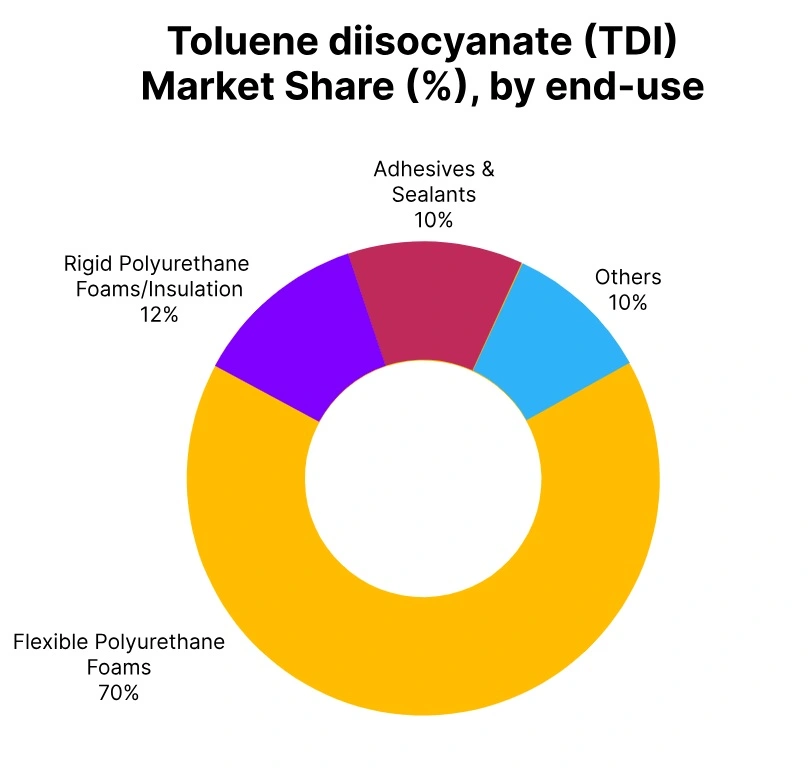
    Toluene Diisocyanate, often called TDI, is a well-known chemical used mainly in the production of flexible polyurethane foams. These foams are commonly found in mattresses, sofas, car seats, and insulation materials. Because TDI is closely connected to everyday consumer products, its price trend reflects not only chemical market conditions but also broader economic activities. Over time, the Toluene Diisocyanate price trend has shown noticeable changes influenced by supply, demand, and global events.

    Please Submit Your Query for Toluene Diisocyanate Price Trend, suppliers, market analysis:https://www.price-watch.ai/book-a-demo/

    Basic Factors That Influence Toluene Diisocyanate Prices

    The price of Toluene Diisocyanate is largely shaped by raw material costs. TDI is produced from petrochemical derivatives, so fluctuations in crude oil prices play a major role. When crude oil prices rise, production costs usually increase, which often leads to higher TDI prices. On the other hand, when oil prices fall, manufacturers may get some cost relief, which can stabilize or lower prices.
    Another important factor is energy cost. Chemical manufacturing is energy-intensive, and any increase in electricity or fuel prices can directly affect TDI production expenses. Regions with high energy costs often see comparatively higher TDI prices, especially during periods of energy shortages or regulatory changes.

    Demand Trends and Their Impact on Prices

    Demand from end-use industries strongly affects the Toluene Diisocyanate price trend. The furniture and bedding industry is one of the largest consumers of TDI-based foam. When housing activity increases or consumer spending on home products rises, demand for flexible foam grows, pushing TDI prices upward. Similarly, growth in the automotive sector boosts TDI consumption, as vehicle seating and interior components rely heavily on polyurethane foam.
    During periods of economic slowdown, demand from these sectors usually weakens. This reduced consumption can put downward pressure on prices, especially if supply remains steady. Seasonal demand also plays a role, as certain industries experience higher production during specific times of the year, leading to short-term price movements.

    Supply Conditions and Production Challenges

    Supply availability is another major driver of the Toluene Diisocyanate price trend. TDI production is concentrated among a limited number of manufacturers, and any disruption can have a strong impact on prices. Plant shutdowns, maintenance activities, or unexpected technical issues can reduce supply and create price spikes in the market.
    Environmental regulations also affect supply. Chemical producers must comply with strict safety and emission standards. When new regulations are introduced, some plants may reduce operating rates or invest in upgrades, temporarily limiting output. This can tighten supply and lead to higher prices, even if demand remains unchanged.

    Global Trade and Regional Price Differences

    Toluene Diisocyanate is traded globally, and international trade conditions influence its price trend. Import and export policies, transportation costs, and currency exchange rates all contribute to regional price differences. For example, higher freight costs or port congestion can increase landed prices in importing regions.
    Regional demand patterns also matter. Fast-growing economies with expanding construction and manufacturing sectors often see stronger TDI demand, which can keep prices firm. In contrast, mature markets may experience stable or slower demand growth, leading to more balanced pricing.

    Please Submit Your Query for Toluene Diisocyanate Price Trend, suppliers, market analysis:https://www.price-watch.ai/book-a-demo/

    About Price Watch™ AI

    Price-Watch AI is an India-based, independent raw material price reporting agency that provides real-time price forecasts and data-driven insights into global raw material markets. Price-Watch AI specializes in tracking raw material prices, analyzing market trends, and delivering timely updates on plant shutdowns, supply disruptions, capacity expansions, and demand-supply dynamics. The Price-Watch AI platform empowers manufacturers, traders, and procurement professionals to make faster, smarter decisions. Leveraging AI-powered forecasting and over a decade of historical data, Price-Watch AI transforms market volatility into actionable opportunity.

    Futura Tech Park,
    C Block, 8th floor 334,
    Old Mahabalipuram Road,
    Sholinganallur, Chennai,
    Tamil Nadu, Pincode - 600119.

    LinkedIn: https://www.linkedin.com/company/price-watch-ai/
    Facebook: https://www.facebook.com/people/Price-Watch/61568490385598/
    Twitter: https://x.com/pricewatchai
    Website: https://www.price-watch.ai/

    Toluene Diisocyanate (TDI) Price Trend Report: Historical Data, Current Market Scenario, Regional Insights, and Forecast Analysis Toluene Diisocyanate, often called TDI, is a well-known chemical used mainly in the production of flexible polyurethane foams. These foams are commonly found in mattresses, sofas, car seats, and insulation materials. Because TDI is closely connected to everyday consumer products, its price trend reflects not only chemical market conditions but also broader economic activities. Over time, the Toluene Diisocyanate price trend has shown noticeable changes influenced by supply, demand, and global events. 👉 👉 👉 Please Submit Your Query for Toluene Diisocyanate Price Trend, suppliers, market analysis:https://www.price-watch.ai/book-a-demo/ Basic Factors That Influence Toluene Diisocyanate Prices The price of Toluene Diisocyanate is largely shaped by raw material costs. TDI is produced from petrochemical derivatives, so fluctuations in crude oil prices play a major role. When crude oil prices rise, production costs usually increase, which often leads to higher TDI prices. On the other hand, when oil prices fall, manufacturers may get some cost relief, which can stabilize or lower prices. Another important factor is energy cost. Chemical manufacturing is energy-intensive, and any increase in electricity or fuel prices can directly affect TDI production expenses. Regions with high energy costs often see comparatively higher TDI prices, especially during periods of energy shortages or regulatory changes. Demand Trends and Their Impact on Prices Demand from end-use industries strongly affects the Toluene Diisocyanate price trend. The furniture and bedding industry is one of the largest consumers of TDI-based foam. When housing activity increases or consumer spending on home products rises, demand for flexible foam grows, pushing TDI prices upward. Similarly, growth in the automotive sector boosts TDI consumption, as vehicle seating and interior components rely heavily on polyurethane foam. During periods of economic slowdown, demand from these sectors usually weakens. This reduced consumption can put downward pressure on prices, especially if supply remains steady. Seasonal demand also plays a role, as certain industries experience higher production during specific times of the year, leading to short-term price movements. Supply Conditions and Production Challenges Supply availability is another major driver of the Toluene Diisocyanate price trend. TDI production is concentrated among a limited number of manufacturers, and any disruption can have a strong impact on prices. Plant shutdowns, maintenance activities, or unexpected technical issues can reduce supply and create price spikes in the market. Environmental regulations also affect supply. Chemical producers must comply with strict safety and emission standards. When new regulations are introduced, some plants may reduce operating rates or invest in upgrades, temporarily limiting output. This can tighten supply and lead to higher prices, even if demand remains unchanged. Global Trade and Regional Price Differences Toluene Diisocyanate is traded globally, and international trade conditions influence its price trend. Import and export policies, transportation costs, and currency exchange rates all contribute to regional price differences. For example, higher freight costs or port congestion can increase landed prices in importing regions. Regional demand patterns also matter. Fast-growing economies with expanding construction and manufacturing sectors often see stronger TDI demand, which can keep prices firm. In contrast, mature markets may experience stable or slower demand growth, leading to more balanced pricing. 👉 👉 👉 Please Submit Your Query for Toluene Diisocyanate Price Trend, suppliers, market analysis:https://www.price-watch.ai/book-a-demo/ About Price Watch™ AI Price-Watch AI is an India-based, independent raw material price reporting agency that provides real-time price forecasts and data-driven insights into global raw material markets. Price-Watch AI specializes in tracking raw material prices, analyzing market trends, and delivering timely updates on plant shutdowns, supply disruptions, capacity expansions, and demand-supply dynamics. The Price-Watch AI platform empowers manufacturers, traders, and procurement professionals to make faster, smarter decisions. Leveraging AI-powered forecasting and over a decade of historical data, Price-Watch AI transforms market volatility into actionable opportunity. Futura Tech Park, C Block, 8th floor 334, Old Mahabalipuram Road, Sholinganallur, Chennai, Tamil Nadu, Pincode - 600119. LinkedIn: https://www.linkedin.com/company/price-watch-ai/ Facebook: https://www.facebook.com/people/Price-Watch/61568490385598/ Twitter: https://x.com/pricewatchai Website: https://www.price-watch.ai/

    0 Kommentare 0 Anteile 873 Ansichten 0 Vorschau
  • https://m2squareconsultancy.com/reports/insulation-materials-market
    https://m2squareconsultancy.com/reports/insulation-materials-market
    M2SQUARECONSULTANCY.COM
    Insulation Materials Market Size, Share, Trends Forecast to 2033
    The global insulation materials market is valued at USD 68.5 billion in 2025 and projected to reach USD 112.4 billion by 2033, growing at a CAGR of 6....
    0 Kommentare 0 Anteile 6 Ansichten 0 Vorschau
  • https://irenegarcia23343.blogspot.com/2025/11/india-building-insulation-materials.html
    https://irenegarcia23343.blogspot.com/2025/11/india-building-insulation-materials.html
    IRENEGARCIA23343.BLOGSPOT.COM
    India Building Insulation Materials Market Size, Share & Trend Analysis Report (2024–2030)
    MarkNtel Advisors Releases Comprehensive Study on the India Building Insulation Materials Market, Forecasting Strong Growth from 2024-...
    0 Kommentare 0 Anteile 114 Ansichten 0 Vorschau
Gesponsert
Gesponsert