• United States Eco‑Friendly Straws Market Opportunities and Strategic Moves (2025‑2031)

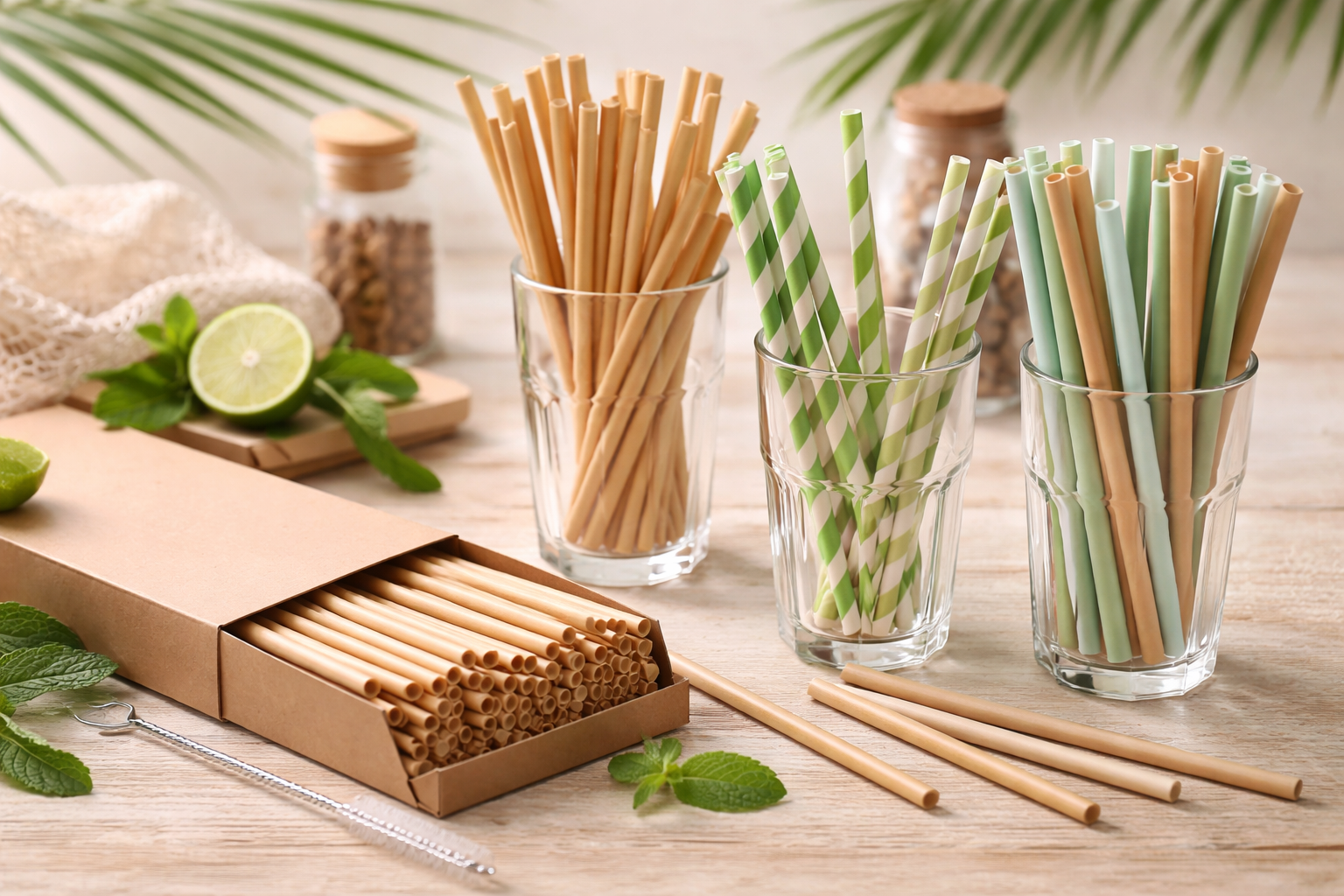
    The United States Eco‑Friendly Straws Market is poised for considerable growth and strategic development through 2025‑2031 as sustainability continues to drive business choices and consumer demand across food service, retail, and hospitality segments. Within the broader North America Eco‑Friendly Straws Market, the United States is forecasted to expand at an estimated 10.0% CAGR during this period, contributing substantially to the regional growth trajectory.

    This expansion is underpinned by an increasing emphasis on environmentally responsible alternatives to conventional single‑use plastics, spurred by regulatory pressures, consumer preferences, and the evolution of sustainable business strategies. The ongoing transition toward biodegradable, compostable, and reusable straw solutions presents significant market opportunities and invites strategic moves by manufacturers, distributors, and food service operators seeking to lead sustainability efforts in the United States. The eco-friendly straws market size is projected to reach US$ 20.81 billion by 2031 from US$ 10.46 billion in 2024. The market is expected to register a CAGR of 10.3% during 2025–2031.

    Surge in Regulatory Support and Policy Initiatives

    A critical driver of market opportunity in the United States lies in government policies and regulatory frameworks aimed at reducing plastic waste. Federal, state, and local bans on single‑use plastic straws have created structural demand for eco‑friendly alternatives across food service and beverage industries. These regulatory measures are accelerating the shift toward biodegradable materials such as paper, polylactic acid (PLA), and plant‑based composites, encouraging suppliers and brands to innovate responsibly and align with environmental mandates.

    Request Sample Pages of this Research Study @ https://www.theinsightpartners.com/sample/TIPRE00010209

    Expanding Consumer Demand for Sustainable Products

    Shifting consumer preferences in the United States are creating fertile ground for eco‑friendly straw manufacturers and suppliers. As awareness of plastic pollution grows, many American consumers are opting for biodegradable and reusable alternatives that reflect their environmental values. This trend is especially pronounced in millennial and Gen Z cohorts, whose purchasing decisions increasingly favour brands with transparent sustainability commitments.

    Strategic Moves: Innovation and Product Diversification

    To capture long‑term growth in the U.S. market, companies are investing in product innovation and diversification. New materials and manufacturing techniques are enhancing the performance of eco‑friendly straws, making them more durable, cost‑efficient, and appealing to both commercial buyers and individual consumers. Innovative approaches include water‑resistant coatings for paper straws, compostable bioplastic blends, and reusable options made from stainless steel, bamboo, or silicone.

    Growth in Food Service and Retail Segments

    The United States market continues to benefit from strong demand in both food service and retail sectors. Quick‑service restaurants, cafes, bars, hotels, and catering services are among the key adopters of eco‑friendly straws, driven by both compliance and consumer expectations. At the same time, retail channels, including supermarkets, convenience stores, and online marketplaces, are expanding eco‑friendly straw offerings, providing direct access to consumers who prefer sustainable options at home.

    This dual‑channel demand enhances market resilience and offers diverse revenue streams for manufacturers and suppliers.

    Trending Related Reports:

    Paper Straw Market Analysis and Forecast by Size, Share, Growth, Trends 2031
    Drinking Straw Market Analysis and Forecast by Size, Share, Growth, Trends 2031
    Eco-Friendly Water Bottle Market Growth, Trends & Forecast by 2034
    About Us:

    The Insight Partners is a one stop industry research provider of actionable intelligence. We help our clients in getting solutions to their research requirements through our syndicated and consulting research services. We specialize in industries such as Semiconductor and Electronics, Aerospace and Defense, Automotive and Transportation, Biotechnology, Healthcare IT, Manufacturing and Construction, Medical Device, Technology, Media and Telecommunications, Chemicals and Materials.

    Contact US:

    If you have any queries about this report or if you would like further information, please contact us:
    Contact Person: Ankit Mathur
    E-mail: sales@theinsightpartners.com
    Phone: +1-646-491-9876

    Also Available in : Korean | German | Japanese | French | Chinese | Italian | Spanish

    United States Eco‑Friendly Straws Market Opportunities and Strategic Moves (2025‑2031) The United States Eco‑Friendly Straws Market is poised for considerable growth and strategic development through 2025‑2031 as sustainability continues to drive business choices and consumer demand across food service, retail, and hospitality segments. Within the broader North America Eco‑Friendly Straws Market, the United States is forecasted to expand at an estimated 10.0% CAGR during this period, contributing substantially to the regional growth trajectory. This expansion is underpinned by an increasing emphasis on environmentally responsible alternatives to conventional single‑use plastics, spurred by regulatory pressures, consumer preferences, and the evolution of sustainable business strategies. The ongoing transition toward biodegradable, compostable, and reusable straw solutions presents significant market opportunities and invites strategic moves by manufacturers, distributors, and food service operators seeking to lead sustainability efforts in the United States. The eco-friendly straws market size is projected to reach US$ 20.81 billion by 2031 from US$ 10.46 billion in 2024. The market is expected to register a CAGR of 10.3% during 2025–2031. Surge in Regulatory Support and Policy Initiatives A critical driver of market opportunity in the United States lies in government policies and regulatory frameworks aimed at reducing plastic waste. Federal, state, and local bans on single‑use plastic straws have created structural demand for eco‑friendly alternatives across food service and beverage industries. These regulatory measures are accelerating the shift toward biodegradable materials such as paper, polylactic acid (PLA), and plant‑based composites, encouraging suppliers and brands to innovate responsibly and align with environmental mandates. Request Sample Pages of this Research Study @ https://www.theinsightpartners.com/sample/TIPRE00010209 Expanding Consumer Demand for Sustainable Products Shifting consumer preferences in the United States are creating fertile ground for eco‑friendly straw manufacturers and suppliers. As awareness of plastic pollution grows, many American consumers are opting for biodegradable and reusable alternatives that reflect their environmental values. This trend is especially pronounced in millennial and Gen Z cohorts, whose purchasing decisions increasingly favour brands with transparent sustainability commitments. Strategic Moves: Innovation and Product Diversification To capture long‑term growth in the U.S. market, companies are investing in product innovation and diversification. New materials and manufacturing techniques are enhancing the performance of eco‑friendly straws, making them more durable, cost‑efficient, and appealing to both commercial buyers and individual consumers. Innovative approaches include water‑resistant coatings for paper straws, compostable bioplastic blends, and reusable options made from stainless steel, bamboo, or silicone. Growth in Food Service and Retail Segments The United States market continues to benefit from strong demand in both food service and retail sectors. Quick‑service restaurants, cafes, bars, hotels, and catering services are among the key adopters of eco‑friendly straws, driven by both compliance and consumer expectations. At the same time, retail channels, including supermarkets, convenience stores, and online marketplaces, are expanding eco‑friendly straw offerings, providing direct access to consumers who prefer sustainable options at home. This dual‑channel demand enhances market resilience and offers diverse revenue streams for manufacturers and suppliers. Trending Related Reports: Paper Straw Market Analysis and Forecast by Size, Share, Growth, Trends 2031 Drinking Straw Market Analysis and Forecast by Size, Share, Growth, Trends 2031 Eco-Friendly Water Bottle Market Growth, Trends & Forecast by 2034 About Us: The Insight Partners is a one stop industry research provider of actionable intelligence. We help our clients in getting solutions to their research requirements through our syndicated and consulting research services. We specialize in industries such as Semiconductor and Electronics, Aerospace and Defense, Automotive and Transportation, Biotechnology, Healthcare IT, Manufacturing and Construction, Medical Device, Technology, Media and Telecommunications, Chemicals and Materials. Contact US: If you have any queries about this report or if you would like further information, please contact us: Contact Person: Ankit Mathur E-mail: sales@theinsightpartners.com Phone: +1-646-491-9876 Also Available in : Korean | German | Japanese | French | Chinese | Italian | Spanish

    0 Reacties 0 aandelen 940 Views 0 voorbeeld
  • This week we're spotlighting a core principle that defines how we thrive in a fast-moving industry: Swift Adaptation

    At Raptor Power Systems, our ability to adapt quickly is what keeps us agile, responsive, and ahead of the curve. From product innovation to real-time client support, we move fast, without compromising quality.

    Tune in, get to know Larry Purification, and see what Swift Adaptation looks like in action.

    For more info go to www.voltzpwr.com
    This week we're spotlighting a core principle that defines how we thrive in a fast-moving industry: Swift Adaptation At Raptor Power Systems, our ability to adapt quickly is what keeps us agile, responsive, and ahead of the curve. From product innovation to real-time client support, we move fast, without compromising quality. Tune in, get to know Larry Purification, and see what Swift Adaptation looks like in action. For more info go to www.voltzpwr.com
    0 Reacties 0 aandelen 246 Views 0 0 voorbeeld
  • CBD Gummies Market Growth Accelerates Amid Rising Plant-Based Wellness Demand

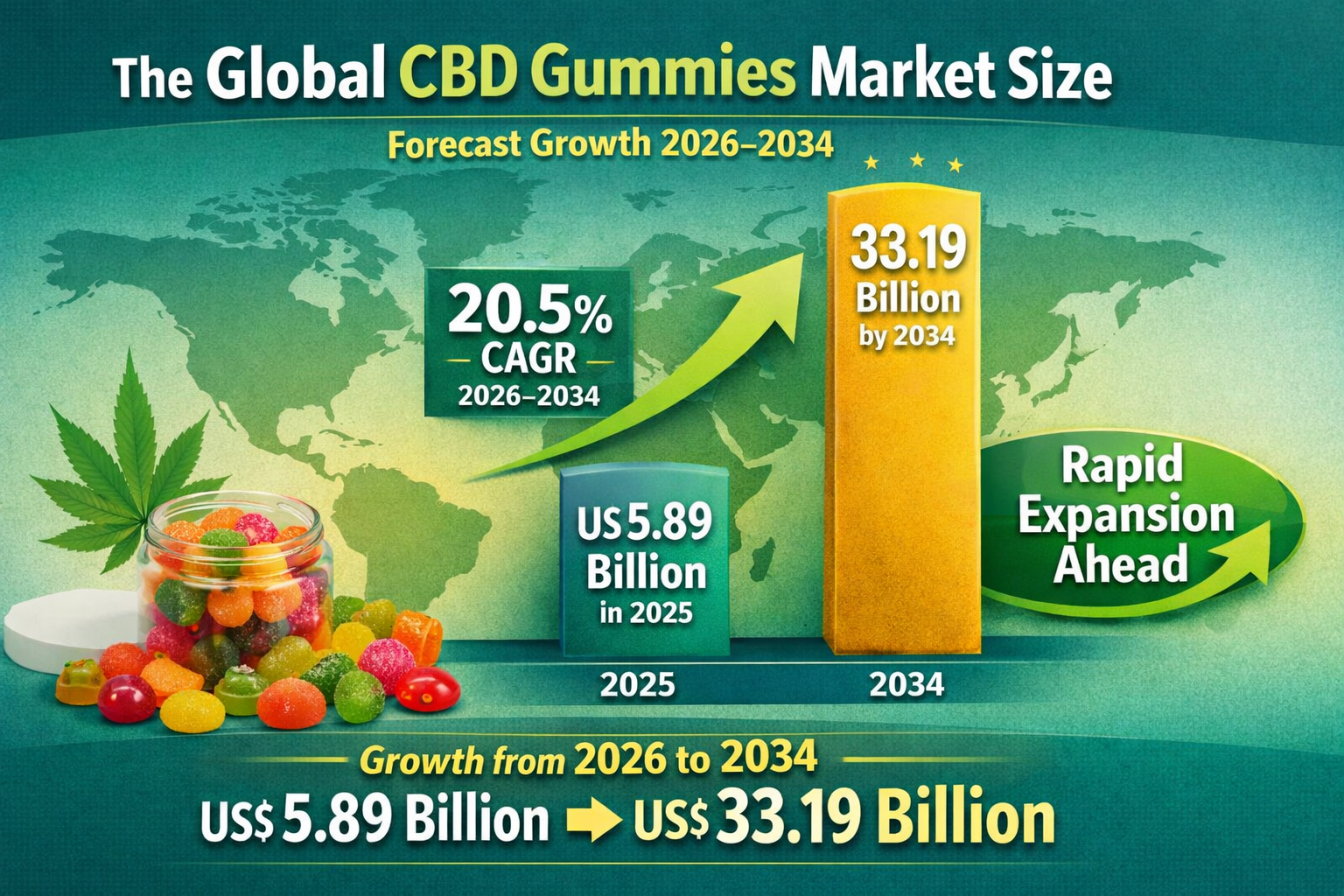
    The global CBD gummies market is experiencing extraordinary expansion, evolving from a niche supplement category to a mainstream wellness phenomenon driven by widening legal acceptance of hemp-derived products, massive consumer shifts toward non-combustible CBD consumption methods, and rising prevalence of anxiety and sleep disorders worldwide. According to comprehensive market research by The Insight Partners, the CBD gummies market was valued at US$ 5.89 billion in 2025 and is projected to reach an impressive US$ 33.19 billion by 2034, registering a remarkable compound annual growth rate (CAGR) of 20.5% during the forecast period from 2026 to 2034.

    Understanding CBD Gummies

    CBD gummies are cannabidiol-infused edible confections offering a familiar, candy-like consumption experience that eliminates the stigma and complexity associated with tinctures, vapes, or topicals. These products provide pre-measured, consistent CBD dosages in discreet formats appealing to "canna-curious" consumers hesitant about traditional cannabis delivery methods. The market encompasses both conventional formulations utilizing standard sweeteners and gelatin with traditional textures and flavor profiles, alongside rapidly expanding sugar-free variants catering to health-conscious consumers, diabetics, and those following specific dietary regimens who seek CBD benefits without caloric intake of traditional confectionery.

    Market Segmentation and Distribution Dynamics

    By category, conventional CBD gummies currently drive primary market volume, leveraging traditional confectionery formats with wide flavor variety and familiar textures. However, sugar-free formulations represent the fastest-growing segment, targeting health-conscious demographics through high-quality sugar substitutes while maintaining therapeutic CBD benefits. This segmentation reflects broader wellness industry trends toward "clean-label" products free from artificial ingredients and excessive sweeteners.

    Request Sample Pages of this Research Study @ https://www.theinsightpartners.com/sample/TIPRE00017402/

    Key Market Drivers and Consumer Trends

    Three primary forces propel CBD gummies market expansion. First, convenience and discreet consumption advantages position gummies as socially acceptable wellness products consumable anywhere without stigma, appealing to general wellness populations seeking stress management and sleep support. Second, diversification of functional formulations incorporating minor cannabinoids including CBN for nighttime recovery and CBG for stress management expands total addressable markets through targeted health outcome positioning. Third, mainstream retail integration through major drugstore chains and grocery outlets significantly lowers purchase barriers through increased visibility and perceived legitimacy, transforming CBD from specialty wellness products to everyday health supplements.

    Regional Market Dynamics

    North America holds the largest global market share, supported by the 2018 Farm Bill establishing federal hemp legality and creating mature producer and retailer ecosystems. The region benefits from high consumer spending power, strong cultural wellness trends, and continuous product innovation in flavors, potencies, and minor cannabinoid blends. Europe represents a significant growing market though constrained by varying Novel Food regulations across EU and UK jurisdictions, with consumer interest rising in stress and anxiety management applications.

    Market Opportunities and Strategic Innovations

    Significant opportunities exist in professional sports and fitness niches positioning CBD gummies as natural recovery aids emphasizing anti-inflammatory benefits and pain management. Cross-border expansion into emerging legal markets in Europe and Latin America offers first-mover advantages as global trade barriers lower. Advanced functional integration combining CBD with vitamins, minerals, and adaptogens creates comprehensive wellness solutions differentiating premium product tiers.

    Key Market Players and Recent Developments

    Leading companies include Dixie Brands, Aurora Cannabis Inc., Canopy Growth Corporation, Sunday Scaries, Diamond CBD, CBD American Shaman, CV Sciences Inc., Medix CBD, and CBDFx. Notable recent developments include CV Sciences' November 2024 acquisition of Extract Labs integrating diverse CBD product lines and GMP-certified facilities, and Cronos Group's November 2025 Lord Jones brand expansion into Canadian markets with premium edible and inhalable innovations.

    CBD Gummies Market Growth Accelerates Amid Rising Plant-Based Wellness Demand The global CBD gummies market is experiencing extraordinary expansion, evolving from a niche supplement category to a mainstream wellness phenomenon driven by widening legal acceptance of hemp-derived products, massive consumer shifts toward non-combustible CBD consumption methods, and rising prevalence of anxiety and sleep disorders worldwide. According to comprehensive market research by The Insight Partners, the CBD gummies market was valued at US$ 5.89 billion in 2025 and is projected to reach an impressive US$ 33.19 billion by 2034, registering a remarkable compound annual growth rate (CAGR) of 20.5% during the forecast period from 2026 to 2034. Understanding CBD Gummies CBD gummies are cannabidiol-infused edible confections offering a familiar, candy-like consumption experience that eliminates the stigma and complexity associated with tinctures, vapes, or topicals. These products provide pre-measured, consistent CBD dosages in discreet formats appealing to "canna-curious" consumers hesitant about traditional cannabis delivery methods. The market encompasses both conventional formulations utilizing standard sweeteners and gelatin with traditional textures and flavor profiles, alongside rapidly expanding sugar-free variants catering to health-conscious consumers, diabetics, and those following specific dietary regimens who seek CBD benefits without caloric intake of traditional confectionery. Market Segmentation and Distribution Dynamics By category, conventional CBD gummies currently drive primary market volume, leveraging traditional confectionery formats with wide flavor variety and familiar textures. However, sugar-free formulations represent the fastest-growing segment, targeting health-conscious demographics through high-quality sugar substitutes while maintaining therapeutic CBD benefits. This segmentation reflects broader wellness industry trends toward "clean-label" products free from artificial ingredients and excessive sweeteners. Request Sample Pages of this Research Study @ https://www.theinsightpartners.com/sample/TIPRE00017402/ Key Market Drivers and Consumer Trends Three primary forces propel CBD gummies market expansion. First, convenience and discreet consumption advantages position gummies as socially acceptable wellness products consumable anywhere without stigma, appealing to general wellness populations seeking stress management and sleep support. Second, diversification of functional formulations incorporating minor cannabinoids including CBN for nighttime recovery and CBG for stress management expands total addressable markets through targeted health outcome positioning. Third, mainstream retail integration through major drugstore chains and grocery outlets significantly lowers purchase barriers through increased visibility and perceived legitimacy, transforming CBD from specialty wellness products to everyday health supplements. Regional Market Dynamics North America holds the largest global market share, supported by the 2018 Farm Bill establishing federal hemp legality and creating mature producer and retailer ecosystems. The region benefits from high consumer spending power, strong cultural wellness trends, and continuous product innovation in flavors, potencies, and minor cannabinoid blends. Europe represents a significant growing market though constrained by varying Novel Food regulations across EU and UK jurisdictions, with consumer interest rising in stress and anxiety management applications. Market Opportunities and Strategic Innovations Significant opportunities exist in professional sports and fitness niches positioning CBD gummies as natural recovery aids emphasizing anti-inflammatory benefits and pain management. Cross-border expansion into emerging legal markets in Europe and Latin America offers first-mover advantages as global trade barriers lower. Advanced functional integration combining CBD with vitamins, minerals, and adaptogens creates comprehensive wellness solutions differentiating premium product tiers. Key Market Players and Recent Developments Leading companies include Dixie Brands, Aurora Cannabis Inc., Canopy Growth Corporation, Sunday Scaries, Diamond CBD, CBD American Shaman, CV Sciences Inc., Medix CBD, and CBDFx. Notable recent developments include CV Sciences' November 2024 acquisition of Extract Labs integrating diverse CBD product lines and GMP-certified facilities, and Cronos Group's November 2025 Lord Jones brand expansion into Canadian markets with premium edible and inhalable innovations.
    Love
    1
    0 Reacties 0 aandelen 2K Views 0 voorbeeld
  • Innovations and Consumer Trends Reshape the Nasal Strip Market, Signaling Broader Adoption Across Wellness, Sports, and Everyday Breathing Support

    The nasal strip category is experiencing a period of revitalization as product innovation, athlete adoption, and rising awareness of respiratory wellness converge to expand the market’s reach and relevance. Once primarily associated with snoring relief, nasal strips are rapidly gaining traction as a versatile, non-invasive solution for improved nasal airflow, athletic performance support, and general breathing comfort.

    Access full description of the report- https://www.theinsightpartners.com/reports/nasal-strip-market
    Innovations and Consumer Trends Reshape the Nasal Strip Market, Signaling Broader Adoption Across Wellness, Sports, and Everyday Breathing Support The nasal strip category is experiencing a period of revitalization as product innovation, athlete adoption, and rising awareness of respiratory wellness converge to expand the market’s reach and relevance. Once primarily associated with snoring relief, nasal strips are rapidly gaining traction as a versatile, non-invasive solution for improved nasal airflow, athletic performance support, and general breathing comfort. Access full description of the report- https://www.theinsightpartners.com/reports/nasal-strip-market
    WWW.THEINSIGHTPARTNERS.COM
    Nasal Strip Market Report | Size, Share, Growth Insights 2031
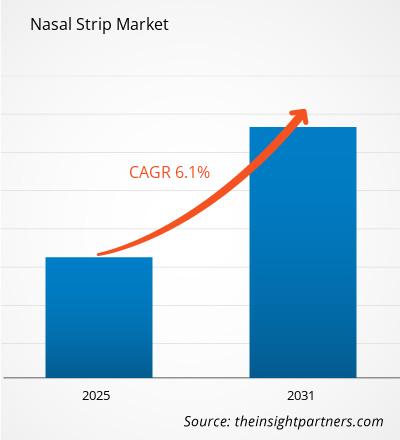
    Nasal Strip Market is likely to reach CAGR 6.1% by 2031. Gain a competitive edge with our latest forecast and uncover future opportunities and challenges.
    0 Reacties 0 aandelen 432 Views 0 voorbeeld
  • Rising Demand for Vegetable Powders Fuels Growth in the Broccoli Powder Market

    The Broccoli Powder Market is steadily gaining traction across global food, nutraceutical, and wellness industries as consumers increasingly turn toward plant-based, nutrient-dense ingredients. Derived from dehydrated broccoli florets, broccoli powder is emerging as a preferred functional ingredient thanks to its versatility, long shelf life, and strong association with clean-label and wellness trends.

    As lifestyles become more health-focused and convenience-driven, broccoli powder is finding its way into dietary supplements, smoothies, functional foods, soups, snacks, and even personal care formulations. The Broccoli Powder Market is benefiting from this convergence of nutrition awareness, product innovation, and evolving consumer behavior.

    Why the Broccoli Powder Market Is Gaining Industry Attention
    Broccoli has long been recognized for its nutritional profile, but powder formats have unlocked new commercial potential.

    The Broccoli Powder Market is being driven by several structural shifts:
    • Growing demand for plant-based nutrition
    Consumers are actively seeking vegetable-derived ingredients that support everyday wellness and immunity.
    • Expansion of functional food and supplement categories
    Broccoli powder is increasingly used in capsules, blends, and fortified foods due to its nutrient concentration.
    • Shelf-stable and convenient formats
    Powdered broccoli offers extended usability compared to fresh produce, making it attractive to manufacturers and retailers.
    • Clean-label and organic positioning

    The Broccoli Powder Market aligns strongly with consumer preferences for natural, minimally processed ingredients.
    These factors are reinforcing the role of broccoli powder as a premium ingredient rather than a commodity vegetable derivative.

    https://www.theinsightpartners.com/reports/broccoli-powder-market
    Rising Demand for Vegetable Powders Fuels Growth in the Broccoli Powder Market The Broccoli Powder Market is steadily gaining traction across global food, nutraceutical, and wellness industries as consumers increasingly turn toward plant-based, nutrient-dense ingredients. Derived from dehydrated broccoli florets, broccoli powder is emerging as a preferred functional ingredient thanks to its versatility, long shelf life, and strong association with clean-label and wellness trends. As lifestyles become more health-focused and convenience-driven, broccoli powder is finding its way into dietary supplements, smoothies, functional foods, soups, snacks, and even personal care formulations. The Broccoli Powder Market is benefiting from this convergence of nutrition awareness, product innovation, and evolving consumer behavior. Why the Broccoli Powder Market Is Gaining Industry Attention Broccoli has long been recognized for its nutritional profile, but powder formats have unlocked new commercial potential. The Broccoli Powder Market is being driven by several structural shifts: • Growing demand for plant-based nutrition Consumers are actively seeking vegetable-derived ingredients that support everyday wellness and immunity. • Expansion of functional food and supplement categories Broccoli powder is increasingly used in capsules, blends, and fortified foods due to its nutrient concentration. • Shelf-stable and convenient formats Powdered broccoli offers extended usability compared to fresh produce, making it attractive to manufacturers and retailers. • Clean-label and organic positioning The Broccoli Powder Market aligns strongly with consumer preferences for natural, minimally processed ingredients. These factors are reinforcing the role of broccoli powder as a premium ingredient rather than a commodity vegetable derivative. https://www.theinsightpartners.com/reports/broccoli-powder-market
    WWW.THEINSIGHTPARTNERS.COM
    Broccoli Powder Market Trends, Share, and Growth (2021-2031)
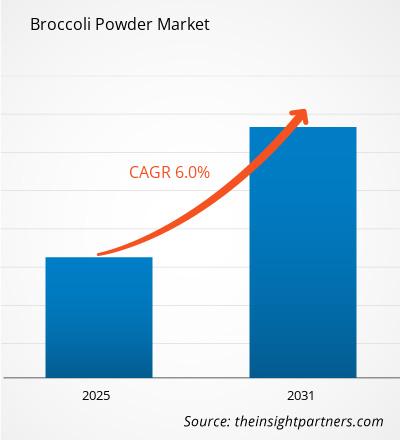
    Broccoli Powder Market looks forward to attaining a CAGR of 6% by 2031 with detailed analysis of drivers, challenges, and future growth projections: Download Sample PDF
    Like
    1
    0 Reacties 0 aandelen 1K Views 0 voorbeeld
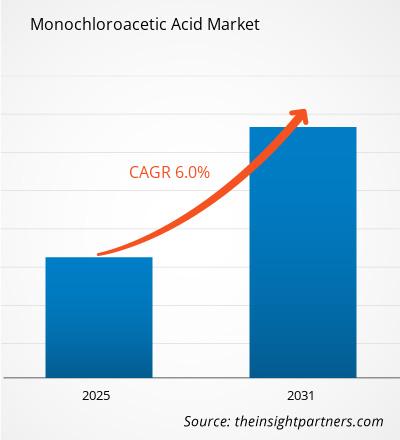
  • Monochloroacetic Acid Market Accelerates with Strategic Industry Growth and Expanded End-Use Adoption

    The Monochloroacetic Acid Market is experiencing compelling growth supported by expanding industrial adoption, increasing demand in key end-use sectors, and continuous product innovation. As a critical industrial intermediate, monochloroacetic acid continues to fortify its position in applications ranging from agrochemicals and pharmaceuticals to specialty chemicals and personal care formulations, shaping a robust landscape for manufacturers, suppliers, and downstream partners.

    Access full description of the report- https://www.theinsightpartners.com/reports/monochloroacetic-acid-market
    Monochloroacetic Acid Market Accelerates with Strategic Industry Growth and Expanded End-Use Adoption The Monochloroacetic Acid Market is experiencing compelling growth supported by expanding industrial adoption, increasing demand in key end-use sectors, and continuous product innovation. As a critical industrial intermediate, monochloroacetic acid continues to fortify its position in applications ranging from agrochemicals and pharmaceuticals to specialty chemicals and personal care formulations, shaping a robust landscape for manufacturers, suppliers, and downstream partners. Access full description of the report- https://www.theinsightpartners.com/reports/monochloroacetic-acid-market
    WWW.THEINSIGHTPARTNERS.COM
    Monochloroacetic Acid Market Insights and Updates by 2031
    Monochloroacetic Acid Market analysis includes growth drivers, challenges, and opportunities. Market is projected to grow at a CAGR of 6% by 2031.
    0 Reacties 0 aandelen 320 Views 0 voorbeeld
  • Salt is one of the world’s most essential commodities — but it’s not all table salt and shaker bottles. Micronized salt Market, with its extremely fine particle size typically ranging from 1 µm to 100 µm, has evolved into a highly specialized product with applications across food, pharmaceutical, industrial, and consumer sectors. Its unique physical properties — rapid dissolution, fine distribution, and consistent texture — make it indispensable for modern manufacturing and product innovation.

    Figure out what’s there in this deal| Get a glimpse through a sample at - https://www.theinsightpartners.com/reports/micronized-salt-market
    Salt is one of the world’s most essential commodities — but it’s not all table salt and shaker bottles. Micronized salt Market, with its extremely fine particle size typically ranging from 1 µm to 100 µm, has evolved into a highly specialized product with applications across food, pharmaceutical, industrial, and consumer sectors. Its unique physical properties — rapid dissolution, fine distribution, and consistent texture — make it indispensable for modern manufacturing and product innovation. Figure out what’s there in this deal| Get a glimpse through a sample at - https://www.theinsightpartners.com/reports/micronized-salt-market
    0 Reacties 0 aandelen 301 Views 0 voorbeeld
  • Moisture Control in Packaging: Clay Desiccant Bag Market Value to Soar by Nearly 50% by 2030

    Clay Desiccant Bag market, valued at USD 428.7 million in 2023, is projected to grow at a CAGR of 5.8%, reaching approximately USD 632.9 million by 2030. This sustained growth is driven by increasing demand across pharmaceutical packaging, electronics, and food preservation industries where moisture control remains critical for product integrity.
    Clay desiccant bags continue to dominate the moisture absorbers segment due to their cost-effectiveness, non-toxic properties, and high adsorption capacity. With manufacturers increasingly adopting sustainable packaging solutions, innovations in biodegradable clay desiccants and reusable systems are gaining traction across developed markets.
    Download FREE Sample Report: https://www.24chemicalresearch.com/download-sample/276236/global-clay-desiccant-bag-market-2024-91
    Market Overview & Regional Analysis
    North America holds 35% of global clay desiccant bag revenue, propelled by stringent pharmaceutical packaging regulations and advanced food processing standards. The region's market maturity is reflected in product innovations, including indicator desiccants that change color upon moisture saturation.
    Asia-Pacific emerges as the fastest-growing market, with China accounting for 42% of regional demand. Rapid industrialization, expanding electronics manufacturing, and growing middle-class consumption are driving growth. While Europe maintains steady demand through its automotive and chemical sectors, Latin America shows untapped potential in agricultural exports requiring moisture-controlled packaging.
    Key Market Drivers and Opportunities
    The market benefits from three converging trends: stricter pharmaceutical packaging guidelines under USP <797> regulations, growth in temperature-sensitive biologics transportation, and expanding e-commerce logistics requiring moisture protection. Electronics manufacturers now account for 28% of desiccant demand due to sensitivity of components during shipping and storage.
    Emerging opportunities include development of antimicrobial clay desiccants for medical applications and smart desiccants with IoT-enabled moisture monitoring. The food sector's shift toward extended shelf-life products presents another growth avenue, particularly in developing economies improving their cold chain infrastructure.
    Challenges & Restraints
    Volatility in raw material prices for montmorillonite clay - the primary desiccant material - continues to pressure margins. Environmental concerns regarding disposable desiccant bags are prompting regulatory scrutiny in the EU, where Extended Producer Responsibility (EPR) laws may impact single-use systems.
    The market faces competition from silica gel alternatives in high-value applications, though clay maintains cost advantages for bulk usage. Logistics constraints in emerging markets and inconsistent quality standards in price-sensitive regions remain persistent challenges for manufacturers.
    Market Segmentation by Type
    Less than 20 Grams
    21 to 100 Grams
    101 to 200 Grams
    201 to 500 Grams
    Above 500 Grams
    Download FREE Sample Report: https://www.24chemicalresearch.com/download-sample/276236/global-clay-desiccant-bag-market-2024-91
    Market Segmentation by Application
    Electronic & Electric Equipment
    Medical Devices
    Pharmaceuticals
    Automotive Components
    Food
    Other
    Market Segmentation and Key Players
    Impak Corporation
    Desiccare
    GeeJay Chemicals
    Flow Dry Technology
    International Plastics
    Clariant AG
    Sorbead India
    Steel City Desiccants
    Desiccant Packaging
    W. R. Grace & Co.
    BASF SE
    Multisorb Technologies
    Oker-Chemie
    Sinchem Silica Gel
    Adsilco
    Report Scope
    This comprehensive market analysis covers the global clay desiccant bag industry from 2024 to 2030, providing detailed insights into:
    Market size estimations and growth projections
    Application-specific demand analysis
    Regional market dynamics and growth hotspots
    The report includes extensive competitor analysis featuring:
    Production capacity and market share data
    Product portfolio comparisons
    Strategic initiatives and expansion plans
    Pricing strategies by region and application
    Our research methodology combined primary interviews with industry leaders and quantitative analysis of import/export data, regulatory frameworks, and technological advancements impacting the sector.
    Get Full Report Here: https://www.24chemicalresearch.com/reports/276236/global-clay-desiccant-bag-market-2024-91


    #ClayDesiccantBags #MoistureControl #PackagingMarket #Pharmaceuticals #ElectronicsIndustry #SustainablePackaging #CAGR #NorthAmericaMarket #AsiaPacificGrowth #FoodPreservation #MarketDrivers #IndustrialPackaging
    Moisture Control in Packaging: Clay Desiccant Bag Market Value to Soar by Nearly 50% by 2030 Clay Desiccant Bag market, valued at USD 428.7 million in 2023, is projected to grow at a CAGR of 5.8%, reaching approximately USD 632.9 million by 2030. This sustained growth is driven by increasing demand across pharmaceutical packaging, electronics, and food preservation industries where moisture control remains critical for product integrity. Clay desiccant bags continue to dominate the moisture absorbers segment due to their cost-effectiveness, non-toxic properties, and high adsorption capacity. With manufacturers increasingly adopting sustainable packaging solutions, innovations in biodegradable clay desiccants and reusable systems are gaining traction across developed markets. Download FREE Sample Report: https://www.24chemicalresearch.com/download-sample/276236/global-clay-desiccant-bag-market-2024-91 Market Overview & Regional Analysis North America holds 35% of global clay desiccant bag revenue, propelled by stringent pharmaceutical packaging regulations and advanced food processing standards. The region's market maturity is reflected in product innovations, including indicator desiccants that change color upon moisture saturation. Asia-Pacific emerges as the fastest-growing market, with China accounting for 42% of regional demand. Rapid industrialization, expanding electronics manufacturing, and growing middle-class consumption are driving growth. While Europe maintains steady demand through its automotive and chemical sectors, Latin America shows untapped potential in agricultural exports requiring moisture-controlled packaging. Key Market Drivers and Opportunities The market benefits from three converging trends: stricter pharmaceutical packaging guidelines under USP <797> regulations, growth in temperature-sensitive biologics transportation, and expanding e-commerce logistics requiring moisture protection. Electronics manufacturers now account for 28% of desiccant demand due to sensitivity of components during shipping and storage. Emerging opportunities include development of antimicrobial clay desiccants for medical applications and smart desiccants with IoT-enabled moisture monitoring. The food sector's shift toward extended shelf-life products presents another growth avenue, particularly in developing economies improving their cold chain infrastructure. Challenges & Restraints Volatility in raw material prices for montmorillonite clay - the primary desiccant material - continues to pressure margins. Environmental concerns regarding disposable desiccant bags are prompting regulatory scrutiny in the EU, where Extended Producer Responsibility (EPR) laws may impact single-use systems. The market faces competition from silica gel alternatives in high-value applications, though clay maintains cost advantages for bulk usage. Logistics constraints in emerging markets and inconsistent quality standards in price-sensitive regions remain persistent challenges for manufacturers. Market Segmentation by Type Less than 20 Grams 21 to 100 Grams 101 to 200 Grams 201 to 500 Grams Above 500 Grams Download FREE Sample Report: https://www.24chemicalresearch.com/download-sample/276236/global-clay-desiccant-bag-market-2024-91 Market Segmentation by Application Electronic & Electric Equipment Medical Devices Pharmaceuticals Automotive Components Food Other Market Segmentation and Key Players Impak Corporation Desiccare GeeJay Chemicals Flow Dry Technology International Plastics Clariant AG Sorbead India Steel City Desiccants Desiccant Packaging W. R. Grace & Co. BASF SE Multisorb Technologies Oker-Chemie Sinchem Silica Gel Adsilco Report Scope This comprehensive market analysis covers the global clay desiccant bag industry from 2024 to 2030, providing detailed insights into: Market size estimations and growth projections Application-specific demand analysis Regional market dynamics and growth hotspots The report includes extensive competitor analysis featuring: Production capacity and market share data Product portfolio comparisons Strategic initiatives and expansion plans Pricing strategies by region and application Our research methodology combined primary interviews with industry leaders and quantitative analysis of import/export data, regulatory frameworks, and technological advancements impacting the sector. Get Full Report Here: https://www.24chemicalresearch.com/reports/276236/global-clay-desiccant-bag-market-2024-91 #ClayDesiccantBags #MoistureControl #PackagingMarket #Pharmaceuticals #ElectronicsIndustry #SustainablePackaging #CAGR #NorthAmericaMarket #AsiaPacificGrowth #FoodPreservation #MarketDrivers #IndustrialPackaging
    0 Reacties 0 aandelen 4K Views 0 voorbeeld
Sponsor
Sponsor