

What Dermatologists Say About Exosome Hair Regeneration
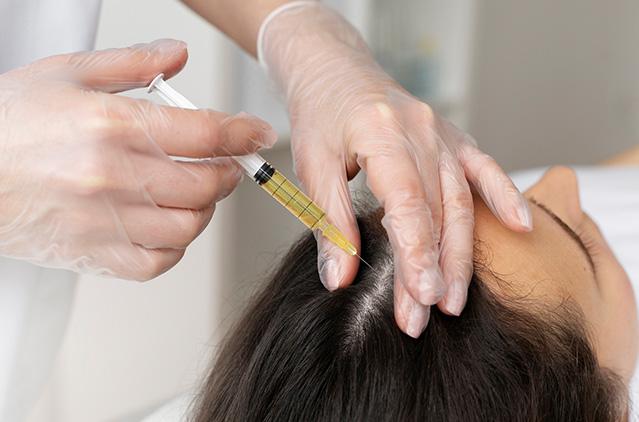
Hair loss affects millions of people worldwide, prompting the exploration of innovative therapies beyond traditional medications and surgical options. One of the latest advancements in regenerative medicine is Exosomes For Hair, a treatment that has gained attention for its ability to stimulate dormant follicles and improve scalp health. Dermatologists are increasingly studying and integrating this therapy into clinical practice, highlighting its potential benefits, limitations, and safety profile for patients seeking effective hair restoration solutions.
How Dermatologists View Exosomes:
Dermatologists recognize exosomes as nano-sized extracellular vesicles derived from stem cells that carry growth factors, proteins, and signaling molecules essential for tissue regeneration. When injected into the scalp, exosomes communicate with hair follicle cells to encourage growth, reduce inflammation, and strengthen the follicular environment. Experts emphasize that the acellular nature of exosomes reduces the risk of immune rejection while still providing powerful regenerative signals to the scalp.
Mechanisms of Hair Regeneration:
Exosomes work by delivering bioactive molecules that influence multiple pathways within the hair follicle microenvironment. Dermatologists note several key mechanisms, including:
-
Activation of dormant hair follicles to enter the anagen (growth) phase
-
Stimulation of dermal papilla cells that drive hair production
-
Enhancement of scalp blood flow for improved nutrient delivery
-
Reduction of oxidative stress and inflammation that inhibit follicle activity
-
Support of collagen and extracellular matrix production to strengthen follicular structure
These mechanisms allow exosome therapy to target the root causes of hair thinning rather than just masking the symptoms.
Benefits Highlighted by Dermatologists:
Clinical experts identify several advantages of exosome therapy for hair regeneration:
-
Non-surgical, minimally invasive treatment
-
Gradual, natural hair thickening and density improvement
-
Strengthened hair shafts with reduced breakage
-
Compatibility with other treatments such as PRP or microneedling
-
Minimal downtime, making it convenient for busy patients
Dermatologists often recommend exosome therapy as part of a comprehensive, multi-modal hair restoration plan to maximize results.
Safety Profile:
Dermatologists emphasize the favorable safety profile of exosome treatments. Because exosomes are acellular, they do not replicate or form unintended tissue, reducing risks associated with stem cell therapies. Common, mild side effects include:
-
Temporary redness or swelling at injection sites
-
Minor tenderness or itching
-
Mild bruising in sensitive areas
Severe complications are rare when treatments are administered by trained professionals using high-quality, laboratory-processed exosome preparations.
Ideal Candidates According to Dermatologists:
Exosome therapy is most effective for patients with active or dormant follicles rather than fully bald areas. Dermatologists typically recommend the treatment for:
-
Men and women experiencing early to moderate hair thinning
-
Patients seeking a non-surgical alternative to hair restoration
-
Individuals looking to enhance follicular health before significant hair loss occurs
-
Those interested in complementing PRP therapy, topical solutions, or low-level laser therapy
Proper patient selection ensures the best possible outcomes while minimizing unrealistic expectations.
Procedure Overview:
Dermatologists describe exosome therapy as a straightforward outpatient procedure. The process generally includes:
-
Scalp assessment to identify areas of thinning or follicle dormancy
-
Application of a topical numbing agent to reduce discomfort
-
Direct injection of exosome solution into targeted scalp areas
-
Optional use of microneedling to improve absorption and efficacy
Sessions are typically brief, lasting under an hour, with most patients resuming daily activities immediately. Mild redness or tenderness may occur but usually resolves within a couple of days.
Expected Results:
Hair regeneration with exosome therapy occurs gradually, reflecting the natural hair cycle. Dermatologists outline the following typical timeline:
-
Weeks 1–4: Improved scalp hydration, reduced irritation, and subtle follicular stimulation
-
Months 1–3: Dormant follicles begin to reactivate; shedding stabilizes
-
Months 3–6: Noticeable thickening of hair strands and increased density
-
Months 6–12: Continued follicular maturation, improved scalp coverage, and stronger hair
Multiple sessions may be recommended to achieve optimal results, particularly for patients with diffuse thinning.
Complementary Treatments:
Many dermatologists integrate exosome therapy with other hair restoration strategies to enhance outcomes. Complementary approaches may include:
-
PRP injections to boost follicular stimulation
-
Topical or oral hair growth treatments
-
Low-level laser therapy to improve scalp circulation and follicle activity
-
Nutritional supplementation with vitamins and minerals for hair health
-
Lifestyle modifications to reduce stress and support hair growth
Combining these strategies often results in more consistent, long-lasting improvements.
Maintenance and Longevity:
Dermatologists advise that maintaining the benefits of exosome therapy requires ongoing care. Recommendations include:
-
Periodic booster sessions every 6–12 months
-
Consistent use of hair-friendly topicals or oral supplements
-
Gentle scalp care and avoidance of harsh chemicals or heat styling
-
Regular follow-up evaluations to monitor follicular health
-
Adoption of a balanced diet and stress management techniques
Maintenance helps sustain results and prolong the regenerative effects of exosome therapy.
Limitations and Considerations:
While dermatologists acknowledge the potential of exosomes, they also caution patients about limitations:
-
Dormant follicles can be reactivated, but destroyed follicles cannot be regenerated
-
Response varies depending on age, genetics, and scalp health
-
Gradual results require patience and multiple sessions
-
Exosome therapy is not a replacement for surgical options in advanced hair loss cases
Understanding these limitations allows patients to set realistic expectations and choose the right combination of therapies for their needs.
Final Thoughts:
Dermatologists view exosomes for hair as a promising, non-surgical option for hair regeneration, particularly for individuals with early to moderate thinning. By delivering growth factors and signaling molecules directly to the scalp, exosome therapy stimulates dormant follicles, strengthens hair shafts, and improves overall scalp health. When combined with complementary treatments and proper maintenance, exosome therapy offers a safe and effective solution for enhancing hair density and vitality. Patients who consult with qualified dermatologists and follow professional guidance are more likely to achieve optimal, long-lasting results.

 English
 Arabic
 French
 Portuguese
 Deutsch
 Turkish
 Dutch
Dutch
 Italiano
 Russian
 Romaian
 Portuguese (Brazil)
 Greek
Greek