

Insect Protein Market Size and Growth Outlook: Trends, Impact & Analysis
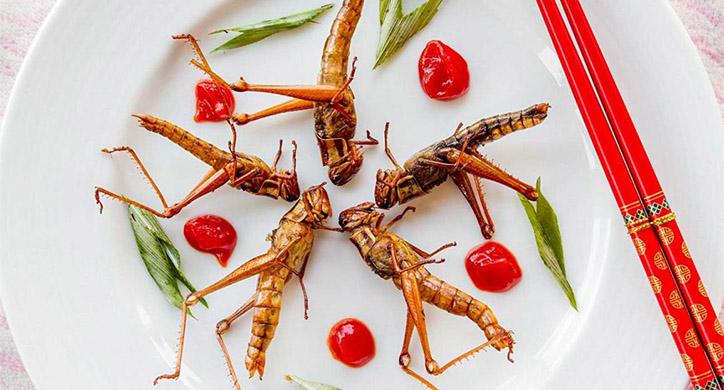
The insect protein market is witnessing rapid expansion driven by increasing demand for sustainable protein sources and innovation in food technology. Market growth strategies focus on enhancing product acceptance and scaling production efficiency to capture emerging market segments globally.
Market Size and Overview
The Insect Protein Market is estimated to be valued at USD 1.89 Bn in 2025 and is expected to reach USD 14.13 Bn by 2032, growing at a compound annual growth rate (CAGR) of 33.3% from 2025 to 2032.
The significant market revenue growth is fueled by increased adoption in animal feed and human nutrition sectors, propelled by rising environmental concerns and protein-rich dietary trends. Market insights also indicate expanding Insect Protein Market Scope as regulatory frameworks become more favorable in key regions, driving business growth and encouraging investments.
Current Events & Their Impact on Market
I. Sustainability Regulations and Consumer Shift in Europe and Asia
A. EU Green Deal Implementation – Market Dynamics Change
- Stringent regulations on livestock emissions favor alternative protein sources, amplifying demand for insect protein in animal feed and food additives.
B. Asia-Pacific's Rise in Edible Insect Acceptance – Opportunity Expansion
- Cultural embrace in countries like Thailand and Indonesia accelerates market growth, boosting market share for regional market players.
C. Technological Innovations in Farming Practices – Market Growth Strategies
- Automated insect farming solutions reduce production costs, enhancing market revenue and profitability.
II. Supply Chain Disruptions Due to Global Economic Fluctuations
A. COVID-19 Aftereffects Causing Supply Delays – Market Restraints
- Intermittent logistics interruptions impact insect protein raw material availability, slowing market growth temporarily.
B. Rising Feedstock Prices for Insect Rearing – Market Challenges
- Increased costs for substrate materials elevate production expenses, restraining market growth.
C. Investment in Localized Production Facilities – Market Opportunity
- Companies adopting decentralized manufacturing mitigate supply chain risks and improve industry share.
Impact of Geopolitical Situation on Supply Chain
A notable real-world case is the impact of geopolitical tensions between major agricultural exporters and importers in 2024. Trade restrictions and tariff impositions on commodity exports directly affected substrate availability critical for insect rearing, resulting in supply shortages for several insect protein market players. This disruption caused delayed product delivery cycles and increased operational costs, underscoring the vulnerability of the insect protein market supply chain to such geopolitical factors. Mitigating strategies now include localized feed substrate sourcing and diversified supply routes, which improve market resilience and stabilize market revenue streams.
SWOT Analysis
Strengths
- High protein content and sustainability appeal drive strong industry trends.
- Growing investment in automated farming technologies enhances production efficiency.
- Positive regulatory shifts in key markets bolster market scope and opportunities.
Weaknesses
- High initial capital expenditure limits entry for smaller market companies.
- Consumer acceptance barriers persist, especially in Western food markets.
- Dependence on agricultural by-products for feedstock adds vulnerability to market restraints.
Opportunities
- Expanding applications in pet food and aquaculture segments open new market segments.
- Increasing climate change awareness fuels market growth for eco-friendly protein.
- Strategic partnerships between technology providers and insect protein players enhance market growth strategies.
Threats
- Fluctuating substrate prices pose significant market challenges to profitability.
- Geopolitical tensions risk supply chain disruptions and increased costs.
- Emerging alternative proteins may intensify competition, affecting industry share.
Key Players
- Protix
- Entomo Farms
- Ynsect
- Aspire Food Group
- Chapul
- Agriprotein
- Ÿnsect
- Hexafly
- Beta Hatch
- EnviroFlight
- InnovaFeed
- BugsforFeed
In 2024 and 2025, several market companies have pursued technology partnerships aimed at scaling insect farming operations, resulting in a 20% increase in production capacity for key players such as Protix and Ynsect. Investment in R&D has led to product innovations focusing on protein extraction efficiency, enhancing product quality and expanding market revenue. These strategic activities have emphasized sustainable business growth and improved competitive positioning within the insect protein market.
FAQs
1. Who are the dominant players in the Insect Protein Market?
Dominant players include Protix, Entomo Farms, Ynsect, and Aspire Food Group, known for technological innovation, capacity expansion, and strategic partnerships driving their market share.
2. What will be the size of the Insect Protein Market in the coming years?
The market size is projected to grow from USD 1.89 billion in 2026 to USD 14.13 billion by 2032, reflecting a CAGR of 33%.
3. Which end-user industry has the largest growth opportunity?
Animal feed, particularly aquaculture and pet food sectors, present the largest growth opportunities due to sustainability trends and protein demand.
4. How will market development trends evolve over the next five years?
Market trends will likely focus on automation in insect farming, broad regulatory acceptance, and increasing adoption in human nutrition, driving diversified market growth strategies.
5. What is the nature of the competitive landscape and challenges in the Insect Protein Market?
The market exhibits dynamic competition with innovation-focused players; however, challenges include supply chain volatility, consumer acceptance, and substrate cost fluctuations.
6. What go-to-market strategies are commonly adopted in the Insect Protein Market?
Key strategies include forming technology partnerships, investing in R&D for improving product yield, and targeting niche market segments such as sustainable pet food to expand market scope.
‣ Get more insights on : Insect Protein Market
‣ Get this Report in Japanese Language: 昆虫タンパク質市場
‣ Get this Report in Korean Language: 곤충단백질시장
Author Bio:
Money Singh is a seasoned content writer with over four years of experience in the market research sector. Her expertise spans various industries, including food and beverages, biotechnology, chemical and materials, defense and aerospace, consumer goods, etc.

 English
 Arabic
 French
 Spanish
 Portuguese
 Deutsch
 Turkish
 Dutch
Dutch
 Italiano
 Russian
 Romaian
 Greek
Greek