

Understanding LED Street Light Price Trends for Smarter Infrastructure Investment
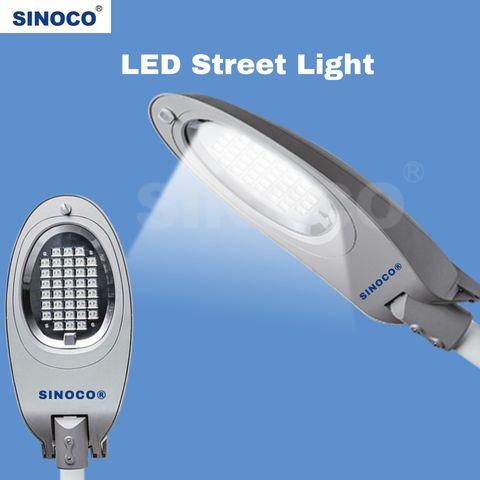
When planning modern infrastructure projects, one of the most important considerations is the led street light price. From city road lighting to industrial zones and public spaces, LED street lights have become the global standard due to their energy efficiency, durability, and long-term cost savings. However, understanding what influences pricing is essential for making the right purchasing decision.
LED street lighting is no longer just an upgrade—it is a long-term investment in sustainability and operational efficiency. Compared to traditional lighting systems, LEDs consume significantly less energy while delivering brighter and more consistent illumination. This makes them highly cost-effective over time, even if the initial installation cost varies depending on specifications and project size.
Several factors affect led street light price structures in the market. One of the most important is wattage and brightness level. Higher wattage lights are designed for highways and large outdoor areas, while lower wattage options are suitable for residential streets and parking areas. Naturally, higher performance models tend to cost more due to advanced components and stronger output capacity.
Another key factor is the quality of materials used in manufacturing. Premium LED street lights are built with high-grade aluminum housings, efficient heat dissipation systems, and advanced LED chips. These components ensure longer lifespan, stable performance, and reduced maintenance requirements. Although such models may have a higher upfront price, they offer significantly better long-term value.
Energy efficiency also plays a major role in determining cost-effectiveness. High-quality LED street lights are designed to maximize lumens per watt, meaning they produce more brightness while consuming less electricity. This directly reduces operational expenses, making them ideal for large-scale municipal and commercial installations.
In addition, smart technology integration is becoming increasingly common. Modern LED street lights can include features such as motion sensors, dimming controls, and remote monitoring systems. These intelligent systems help optimize energy usage based on real-time conditions, further improving efficiency and reducing unnecessary power consumption.
When analyzing led street light price, it is also important to consider bulk purchasing options. Wholesale pricing often provides significant cost advantages for large projects. Manufacturers typically offer tiered pricing structures where larger orders reduce the per-unit cost, making it more economical for city planners and contractors.
Certifications and compliance standards also influence pricing. Products that meet international quality standards such as CE, RoHS, and ISO certifications ensure safety, performance, and environmental compliance. These certified products may be priced slightly higher but provide greater reliability and long-term assurance.
Another important consideration is warranty and after-sales support. Reliable manufacturers offer multi-year warranties and technical support services, ensuring peace of mind and reducing long-term maintenance risks. This added value often justifies differences in pricing between suppliers.
Ultimately, evaluating led street light price is not just about finding the lowest cost—it is about understanding overall value. The best investment balances affordability, durability, energy efficiency, and long-term performance.
By choosing high-quality LED solutions from trusted manufacturers, businesses and municipalities can achieve significant savings while building smarter, more sustainable lighting infrastructure for the future.

 English
 Arabic
 French
 Portuguese
 Deutsch
 Turkish
 Dutch
Dutch
 Italiano
 Russian
 Romaian
 Portuguese (Brazil)
 Greek
Greek