• Behavioral Assessment: A Smarter Way to Predict Job Success

    Behavioral assessments are powerful tools that help organizations understand how candidates think, act, and respond in different work situations. Instead of relying only on resumes or interviews, behavioral assessments offer data-driven insights into a candidate’s personality traits, communication style, decision-making abilities, and overall work behavior. This helps employers make more confident and accurate hiring decisions, ensuring they select individuals who not only possess the required skills but also align with the company’s culture and values.

    In today’s competitive hiring landscape, many candidates share similar qualifications and experience. What truly sets them apart is their behavioral fit—their ability to collaborate, handle pressure, stay motivated, and adapt to change. Behavioral assessments evaluate these deeper qualities that are often difficult to measure through traditional interviews. By analyzing traits such as leadership potential, emotional intelligence, teamwork, problem-solving, and reliability, organizations gain a holistic view of each candidate.

    One of the biggest advantages of behavioral assessments is the reduction of hiring bias. Decisions based solely on resumes or first impressions can be subjective. Behavioral assessments provide standardized, objective results that allow recruiters to compare candidates fairly. This leads to more inclusive hiring and improved team diversity. Additionally, understanding an individual’s natural behavior patterns helps match them to roles where they can thrive, increasing both productivity and long-term retention.

    Behavioral assessments also play a key role in predicting job performance. Research shows that when employees’ behavioral strengths align with job demands, they perform better and stay engaged longer. For example, a candidate applying for a customer-facing role should ideally demonstrate strong communication skills, patience, and empathy. Similarly, someone applying for an analytical position should showcase critical thinking, attention to detail, and a calm, focused mindset. Behavioral assessments make these traits visible, enabling better role matching.

    These assessments are not just for hiring—they also support employee development and internal mobility. Organizations can use the results to identify training needs, assign leadership responsibilities, and build stronger teams. Managers gain clarity on how to motivate their employees, how individuals respond to feedback, and how they collaborate within a group. This leads to a more positive workplace environment, reduced conflict, and improved overall performance.

    Modern behavioral assessment tools are quick, user-friendly, and scientifically validated. They typically include questionnaires, situational judgment tests, and personality inventories that measure various behavioral competencies. The results are presented in easy-to-understand reports that highlight strengths, development areas, and ideal work preferences.

    With behavioral assessments as part of the hiring process, companies can move beyond guesswork and make strategic decisions backed by data. Ultimately, they lead to higher-quality hires, stronger teams, and a more productive and engaged workforce.

    Website Link:
    https://smoothhiring.com/behavioral-assessments/
    Behavioral Assessment: A Smarter Way to Predict Job Success Behavioral assessments are powerful tools that help organizations understand how candidates think, act, and respond in different work situations. Instead of relying only on resumes or interviews, behavioral assessments offer data-driven insights into a candidate’s personality traits, communication style, decision-making abilities, and overall work behavior. This helps employers make more confident and accurate hiring decisions, ensuring they select individuals who not only possess the required skills but also align with the company’s culture and values. In today’s competitive hiring landscape, many candidates share similar qualifications and experience. What truly sets them apart is their behavioral fit—their ability to collaborate, handle pressure, stay motivated, and adapt to change. Behavioral assessments evaluate these deeper qualities that are often difficult to measure through traditional interviews. By analyzing traits such as leadership potential, emotional intelligence, teamwork, problem-solving, and reliability, organizations gain a holistic view of each candidate. One of the biggest advantages of behavioral assessments is the reduction of hiring bias. Decisions based solely on resumes or first impressions can be subjective. Behavioral assessments provide standardized, objective results that allow recruiters to compare candidates fairly. This leads to more inclusive hiring and improved team diversity. Additionally, understanding an individual’s natural behavior patterns helps match them to roles where they can thrive, increasing both productivity and long-term retention. Behavioral assessments also play a key role in predicting job performance. Research shows that when employees’ behavioral strengths align with job demands, they perform better and stay engaged longer. For example, a candidate applying for a customer-facing role should ideally demonstrate strong communication skills, patience, and empathy. Similarly, someone applying for an analytical position should showcase critical thinking, attention to detail, and a calm, focused mindset. Behavioral assessments make these traits visible, enabling better role matching. These assessments are not just for hiring—they also support employee development and internal mobility. Organizations can use the results to identify training needs, assign leadership responsibilities, and build stronger teams. Managers gain clarity on how to motivate their employees, how individuals respond to feedback, and how they collaborate within a group. This leads to a more positive workplace environment, reduced conflict, and improved overall performance. Modern behavioral assessment tools are quick, user-friendly, and scientifically validated. They typically include questionnaires, situational judgment tests, and personality inventories that measure various behavioral competencies. The results are presented in easy-to-understand reports that highlight strengths, development areas, and ideal work preferences. With behavioral assessments as part of the hiring process, companies can move beyond guesswork and make strategic decisions backed by data. Ultimately, they lead to higher-quality hires, stronger teams, and a more productive and engaged workforce. Website Link: https://smoothhiring.com/behavioral-assessments/
    SMOOTHHIRING.COM
    Predictive Behavioral Assessments| SmoothHiring
    Learn how predictive assessments can be used to create efficient hiring procedures. SmoothHiring provides comprehensive solutions for speeding up your hiring process
    0 Comments 0 Shares 358 Views 0 Reviews
  • "And the clueless Senator Nwaebonyi did not see it coming. He fell so cheaply into the trap. The feminist gladiators are on a war path. They want to prove issues of irrationality, sexual immorality, loss of character, emotional instabilty and so on against the hierarchy of male leadership in the country.
    The outcome is so disastrous for the image of the screaming Senator against the more emotionally stable Dr Mrs Oby Ezekwesili.
    The Senator's nervous screams resonating hollow with immaturity and dishonour tòld the whole story:"Who are you?" "You look like a wh*re!" "You are a ho*ligan" "You are a sh*me to womanhood!" The difference between the two combatants was crystal clear. That was how best a distinguished Senator of the Federal republic of Nigeria could react to a word of command from an ordinary citizen for him to shut up.

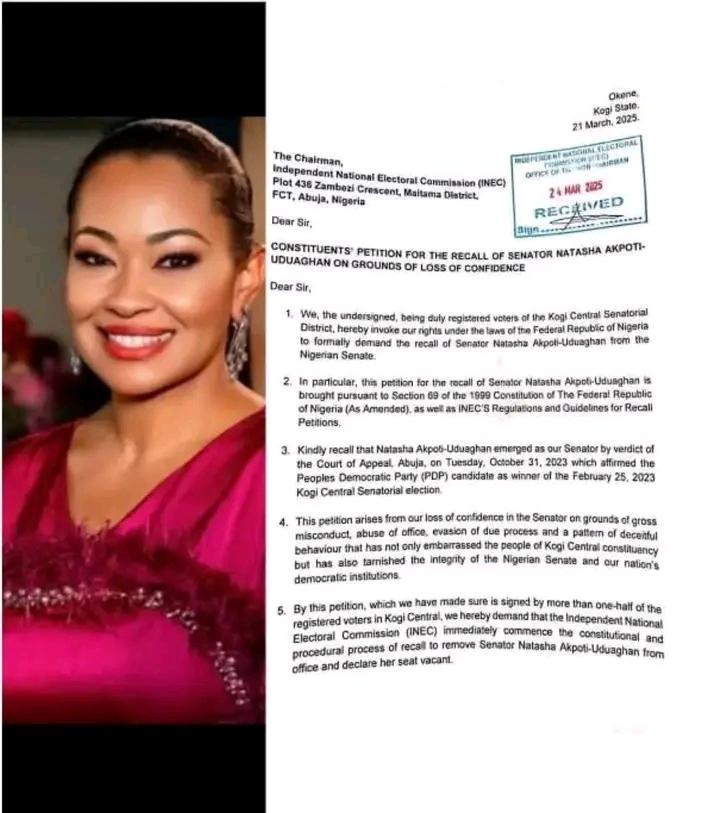
    This was also a deja vu. A similar scenario was enacted on the day Senator Natasha Udaghan got her 6 months suspension from the senate. It looks like an emerging classic style of resistance initiated by Natasha Udaghan against phallocentric order in the Nigerian political leadership is sweeping across the women folks.The strategy of pricking the ego of the men in the most unexpected way. To shut them up and kick them hard on the raw nerve of patriarchal pride.
    Let's watch out for the women and youths of this generation. There's a sense that the downfall of Nigeria's leadership can be cause by something very innocuous. Something as cheap as testing a leadership's patience, empathy endurance or emotional intelligence.
    Meanwhile, I call on those close to Senator Nwaebonyi to tender an unreserved apology to Nigerians for his unruly behaviour on national television.

    #Ekene_kwe_m_unu
    "And the clueless Senator Nwaebonyi did not see it coming. He fell so cheaply into the trap. The feminist gladiators are on a war path. They want to prove issues of irrationality, sexual immorality, loss of character, emotional instabilty and so on against the hierarchy of male leadership in the country. The outcome is so disastrous for the image of the screaming Senator against the more emotionally stable Dr Mrs Oby Ezekwesili. The Senator's nervous screams resonating hollow with immaturity and dishonour tòld the whole story:"Who are you?" "You look like a wh*re!" "You are a ho*ligan" "You are a sh*me to womanhood!" The difference between the two combatants was crystal clear. That was how best a distinguished Senator of the Federal republic of Nigeria could react to a word of command from an ordinary citizen for him to shut up. This was also a deja vu. A similar scenario was enacted on the day Senator Natasha Udaghan got her 6 months suspension from the senate. It looks like an emerging classic style of resistance initiated by Natasha Udaghan against phallocentric order in the Nigerian political leadership is sweeping across the women folks.The strategy of pricking the ego of the men in the most unexpected way. To shut them up and kick them hard on the raw nerve of patriarchal pride. Let's watch out for the women and youths of this generation. There's a sense that the downfall of Nigeria's leadership can be cause by something very innocuous. Something as cheap as testing a leadership's patience, empathy endurance or emotional intelligence. Meanwhile, I call on those close to Senator Nwaebonyi to tender an unreserved apology to Nigerians for his unruly behaviour on national television. #Ekene_kwe_m_unu
    Love
    Like
    3
    0 Comments 0 Shares 1K Views 0 Reviews
  • WHO ARE YOU GIVING YOUR SEAT TO? AND WHY?
    #valutok #empathy #viral #fyp
    WHO ARE YOU GIVING YOUR SEAT TO? AND WHY? #valutok #empathy #viral #fyp
    Like
    Love
    Sad
    3
    0 Comments 0 Shares 835 Views 0 Reviews


  • The Smiling Storyteller,

    In a small village nestled in the rolling hills of a far-off land, there lived a young man named Kiddbena. Despite being born into a poor family, Kiddbena's face was always aglow with a warm, radiant smile.

    As a child, Kiddbena had known the pangs of hunger and the sting of poverty. But instead of letting his circumstances define him, he chose to rise above them. He found solace in the ancient art of storytelling, weaving tales that transported his listeners to far-off lands and fantastical worlds.

    Kiddbena's stories were not just mere fantasies, but also reflections of his own life experiences. He spoke of struggles and triumphs, of sorrow and joy, and of the resilience of the human spirit. His tales were infused with a deep sense of empathy and compassion, born from his own struggles and hardships.

    One day, a severe drought struck the land, and the village was plagued by famine and thirst. Many of the villagers grew despondent, their faces etched with worry and fear. But not Kiddbena. Despite the dire circumstances, he continued to smile, his eyes twinkling with warmth and kindness.

    As the villagers gathered around him, Kiddbena began to spin a tale of hope and perseverance. He spoke of a magical spring that flowed with crystal-clear water, of a land where crops grew tall and green, and of a people who laughed and loved in the face of adversity.

    As Kiddbena's story unfolded, the villagers' faces began to brighten, their eyes sparkling with renewed hope. They laughed and clapped, their spirits lifted by the young storyteller's words.

    And though the drought eventually passed, and the village was restored to its former glory, Kiddbena's smile remained, a beacon of hope and joy in the face of adversity.

    The Moral lessions:

    1. The power of positivity: Kiddbena's smile and positive attitude helped to uplift those around him, even in the darkest of times.
    2. The importance of empathy: Kiddbena's stories were infused with a deep sense of empathy and compassion, born from his own struggles and hardships.
    3. The impact of kindness: Kiddbena's kindness and warmth helped to bring hope and joy to those around him, creating a ripple effect of positivity.

    As we reflect on Kiddbena's story, let us remember the value of smiling in the face of adversity, of empathizing with those around us, and of spreading kindness and joy wherever we go.
    The Smiling Storyteller, In a small village nestled in the rolling hills of a far-off land, there lived a young man named Kiddbena. Despite being born into a poor family, Kiddbena's face was always aglow with a warm, radiant smile. As a child, Kiddbena had known the pangs of hunger and the sting of poverty. But instead of letting his circumstances define him, he chose to rise above them. He found solace in the ancient art of storytelling, weaving tales that transported his listeners to far-off lands and fantastical worlds. Kiddbena's stories were not just mere fantasies, but also reflections of his own life experiences. He spoke of struggles and triumphs, of sorrow and joy, and of the resilience of the human spirit. His tales were infused with a deep sense of empathy and compassion, born from his own struggles and hardships. One day, a severe drought struck the land, and the village was plagued by famine and thirst. Many of the villagers grew despondent, their faces etched with worry and fear. But not Kiddbena. Despite the dire circumstances, he continued to smile, his eyes twinkling with warmth and kindness. As the villagers gathered around him, Kiddbena began to spin a tale of hope and perseverance. He spoke of a magical spring that flowed with crystal-clear water, of a land where crops grew tall and green, and of a people who laughed and loved in the face of adversity. As Kiddbena's story unfolded, the villagers' faces began to brighten, their eyes sparkling with renewed hope. They laughed and clapped, their spirits lifted by the young storyteller's words. And though the drought eventually passed, and the village was restored to its former glory, Kiddbena's smile remained, a beacon of hope and joy in the face of adversity. The Moral lessions: 1. The power of positivity: Kiddbena's smile and positive attitude helped to uplift those around him, even in the darkest of times. 2. The importance of empathy: Kiddbena's stories were infused with a deep sense of empathy and compassion, born from his own struggles and hardships. 3. The impact of kindness: Kiddbena's kindness and warmth helped to bring hope and joy to those around him, creating a ripple effect of positivity. As we reflect on Kiddbena's story, let us remember the value of smiling in the face of adversity, of empathizing with those around us, and of spreading kindness and joy wherever we go.
    Like
    Love
    16
    7 Comments 0 Shares 1K Views 0 Reviews


  • THE NIGHT OF BETRAYAL
    Episode-1

    It was supposed to be a night of celebration, a reunion of five inseparable friends who had been through thick and thin together. They had met in college, bonding over late-night pizza, grueling exams, and endless laughter. After graduation, they had vowed to remain close, no matter where life took them.

    The group consisted of Alex, the charismatic leader; Emma, the compassionate listener; Jack, the witty jokester; Sarah, the ambitious go-getter; and Michael, the quiet but loyal friend. They had been each other's rock, supporting and encouraging one another through life's ups and downs.

    But on this particular night, something felt off. They had planned to meet at their favorite restaurant to celebrate Alex's new government job. Emma, Jack, and Sarah had also landed government positions, thanks to Alex's connections. Michael, however, was running late, citing traffic as the reason.

    As the night wore on, the group's conversation turned from excitement and congratulations to complaints and gossip. They discussed their new jobs, the perks, and the challenges. But as the conversation flowed, it became clear that they had all forgotten about Michael.

    "Hey, has anyone heard from Michael?" Emma asked, breaking the silence.

    The group exchanged awkward glances. "Oh, yeah, he's just running late," Alex replied, dismissively.

    But as the hours ticked by, Michael's absence became more pronounced. The group's laughter and chatter began to feel hollow, and the atmosphere grew tense.

    It wasn't until Michael finally arrived, looking exhausted and frustrated, that the group realized their betrayal. They had forgotten about their friend, leaving him to feel unimportant and neglected.

    "Hey, guys, sorry I'm late," Michael said, forcing a smile.

    The group's response was awkward, with half-hearted apologies and excuses. But Michael saw right through them.

    "You guys have changed," Michael said, his voice laced with disappointment. "You've all gotten these great jobs, and you've forgotten about me."

    The group fell silent, knowing that Michael was right. They had let their own successes cloud their judgment, and they had betrayed their friend.

    As the night drew to a close, the group realized that their friendship was at a crossroads. They could either make amends and work to rebuild their bond or let their relationships fade away.

    The night of betrayal had been a wake-up call, a reminder that true friendship requires effort, empathy, and loyalty. As they parted ways, the group knew that they had a long road ahead of them to repair the damage and reclaim their friendship.

    To be continue

    THE NIGHT OF BETRAYAL Episode-1 It was supposed to be a night of celebration, a reunion of five inseparable friends who had been through thick and thin together. They had met in college, bonding over late-night pizza, grueling exams, and endless laughter. After graduation, they had vowed to remain close, no matter where life took them. The group consisted of Alex, the charismatic leader; Emma, the compassionate listener; Jack, the witty jokester; Sarah, the ambitious go-getter; and Michael, the quiet but loyal friend. They had been each other's rock, supporting and encouraging one another through life's ups and downs. But on this particular night, something felt off. They had planned to meet at their favorite restaurant to celebrate Alex's new government job. Emma, Jack, and Sarah had also landed government positions, thanks to Alex's connections. Michael, however, was running late, citing traffic as the reason. As the night wore on, the group's conversation turned from excitement and congratulations to complaints and gossip. They discussed their new jobs, the perks, and the challenges. But as the conversation flowed, it became clear that they had all forgotten about Michael. "Hey, has anyone heard from Michael?" Emma asked, breaking the silence. The group exchanged awkward glances. "Oh, yeah, he's just running late," Alex replied, dismissively. But as the hours ticked by, Michael's absence became more pronounced. The group's laughter and chatter began to feel hollow, and the atmosphere grew tense. It wasn't until Michael finally arrived, looking exhausted and frustrated, that the group realized their betrayal. They had forgotten about their friend, leaving him to feel unimportant and neglected. "Hey, guys, sorry I'm late," Michael said, forcing a smile. The group's response was awkward, with half-hearted apologies and excuses. But Michael saw right through them. "You guys have changed," Michael said, his voice laced with disappointment. "You've all gotten these great jobs, and you've forgotten about me." The group fell silent, knowing that Michael was right. They had let their own successes cloud their judgment, and they had betrayed their friend. As the night drew to a close, the group realized that their friendship was at a crossroads. They could either make amends and work to rebuild their bond or let their relationships fade away. The night of betrayal had been a wake-up call, a reminder that true friendship requires effort, empathy, and loyalty. As they parted ways, the group knew that they had a long road ahead of them to repair the damage and reclaim their friendship. To be continue

    Like
    2
    2 Comments 0 Shares 1K Views 0 Reviews
Sponsored
Sponsored